

What Are Keto Macros?
A ketogenic diet shifts your body into ketosis — burning fat for fuel instead of carbohydrates. To achieve this, your daily macronutrient (macro) split needs to be high fat, moderate protein, and very low carb.
Our calculator uses the Mifflin-St Jeor equation to estimate your daily calorie needs, then splits them into keto-specific macro targets.
Calculate Your Keto Macros
Your Daily Keto Macros
Explore the content below for practical advice about putting your daily macro amounts into action.
SHOP KETO MEALS →
How It Works
Three steps to your personalised keto meal plan

Enter Your Details
Tell us your age, height, weight, activity level, and goal. Choose your preferred keto macro split.

Get Your Keto Macros
We'll calculate your daily calories, fat, protein, and net carb targets using the Mifflin-St Jeor equation.

Shop Keto Meals
Browse our chef-prepared keto meals designed to hit your macros — delivered fresh to your door.
Keto Meals Matched to Your Macros
Chef-prepared, macro-counted, delivered fresh. Every meal fits a keto lifestyle.

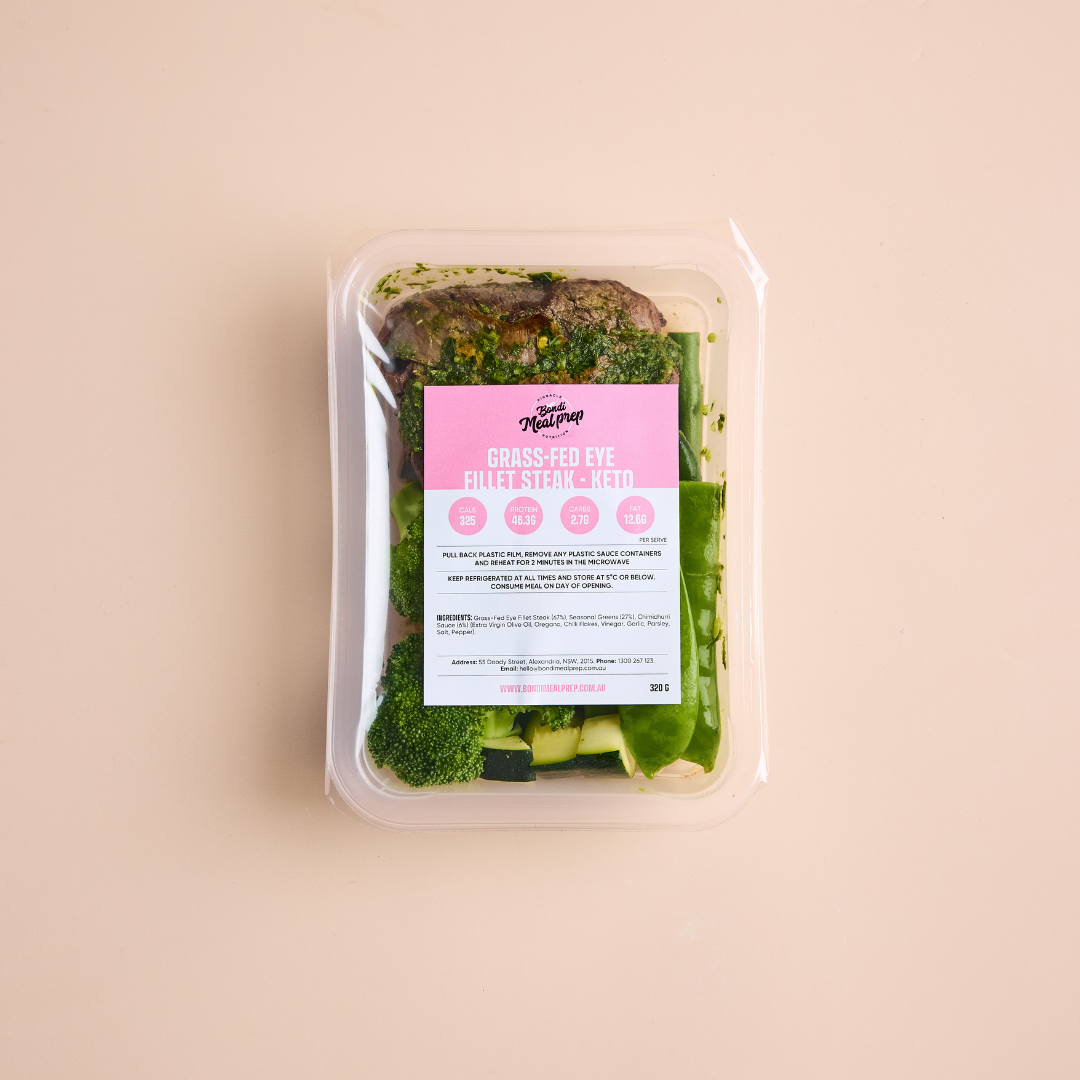
Grass Fed Eye Fillet Steak - Keto
Premium eye fillet steak, served with fresh steamed veggies and finished with our vibrant, chimichurri sauce.

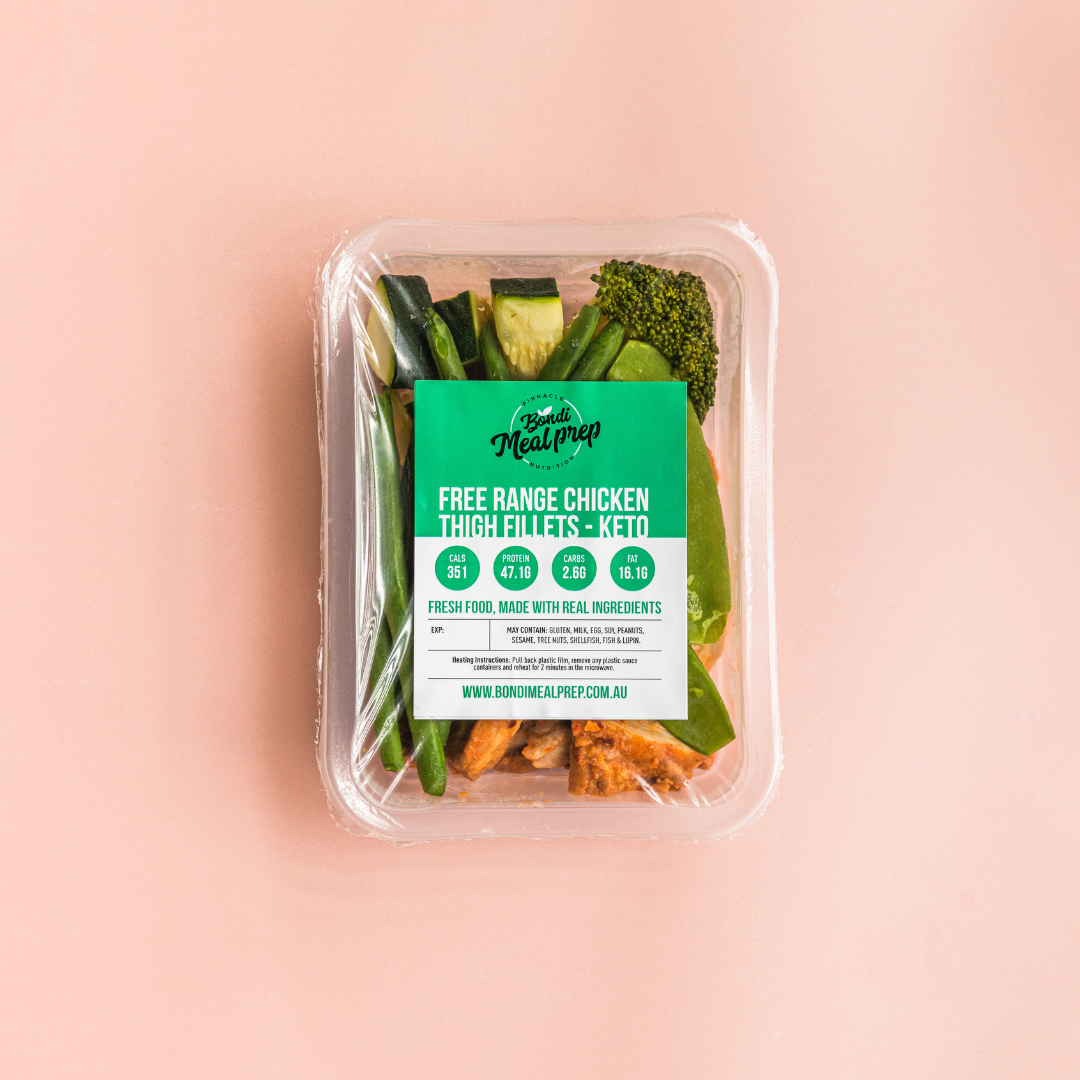
Free Range Chicken Thigh - Keto
Succulent free range chicken thigh fillets with a side of fresh steamed seasonal vegetables.


Grass-Fed Lamb & Broccoli Rice
Grass-fed lamb served with broccoli rice and a side of roasted seasonal vegetables.


Grass-Fed Meatballs & Cauliflower Mash
Grass-fed meatballs with cauliflower mash and our house-made tomato herb sauce.

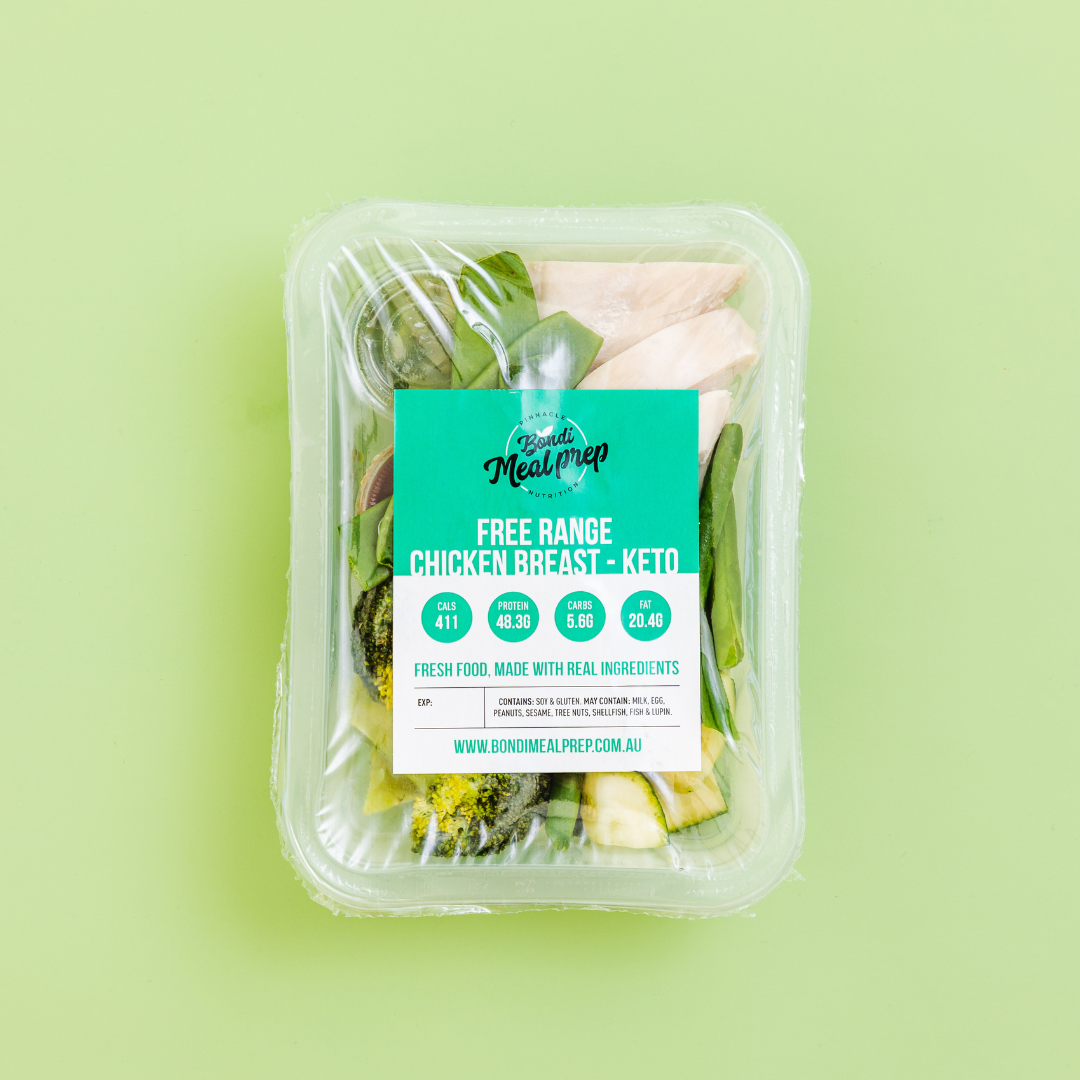
Free Range Chicken Breast - Keto
Free-range chicken breast with a serving of fresh steamed greens topped with shallots and chilli.

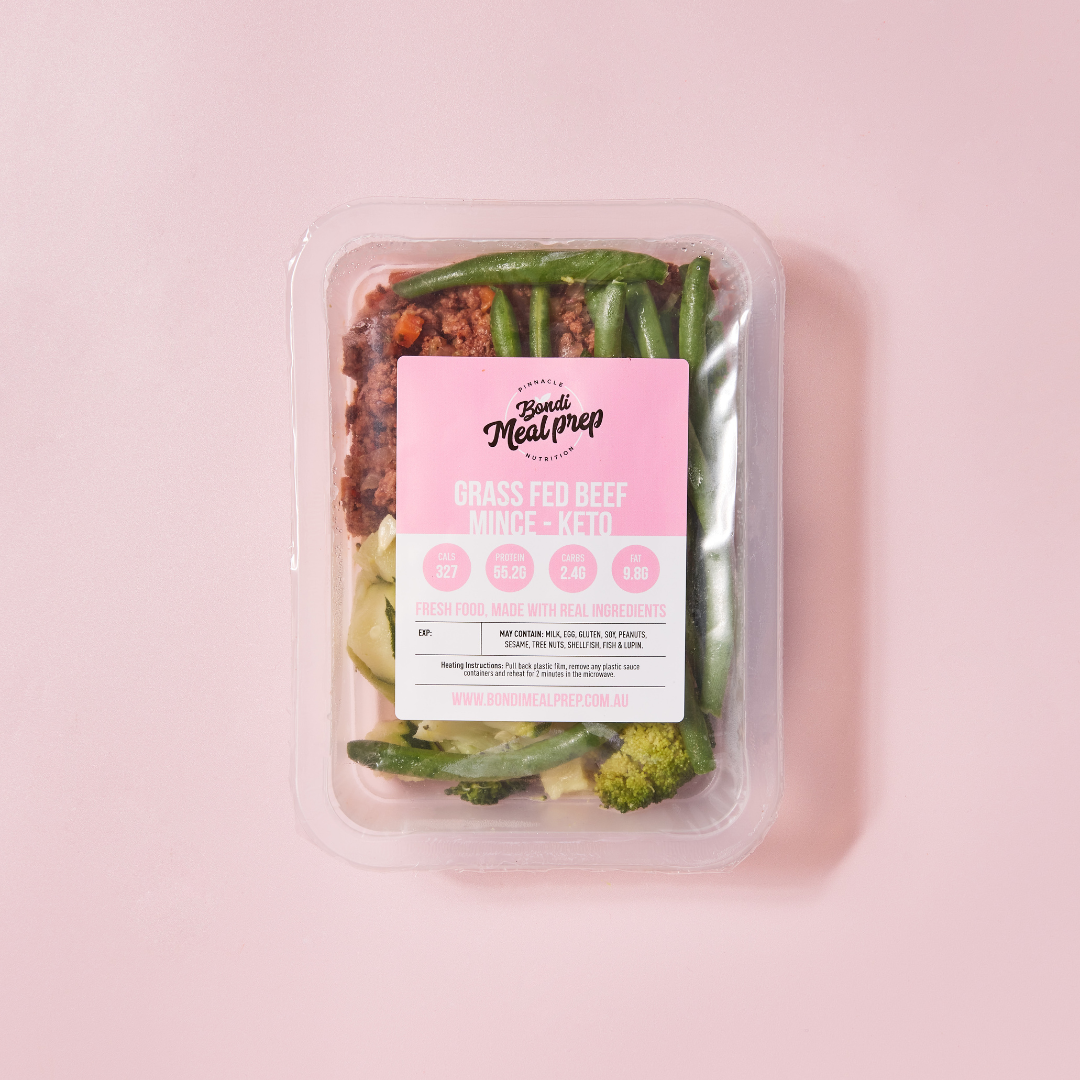
Grass-Fed Beef Mince - Keto
Ultra lean grass fed beef mince with serving of fresh steamed seasonal vegetables.

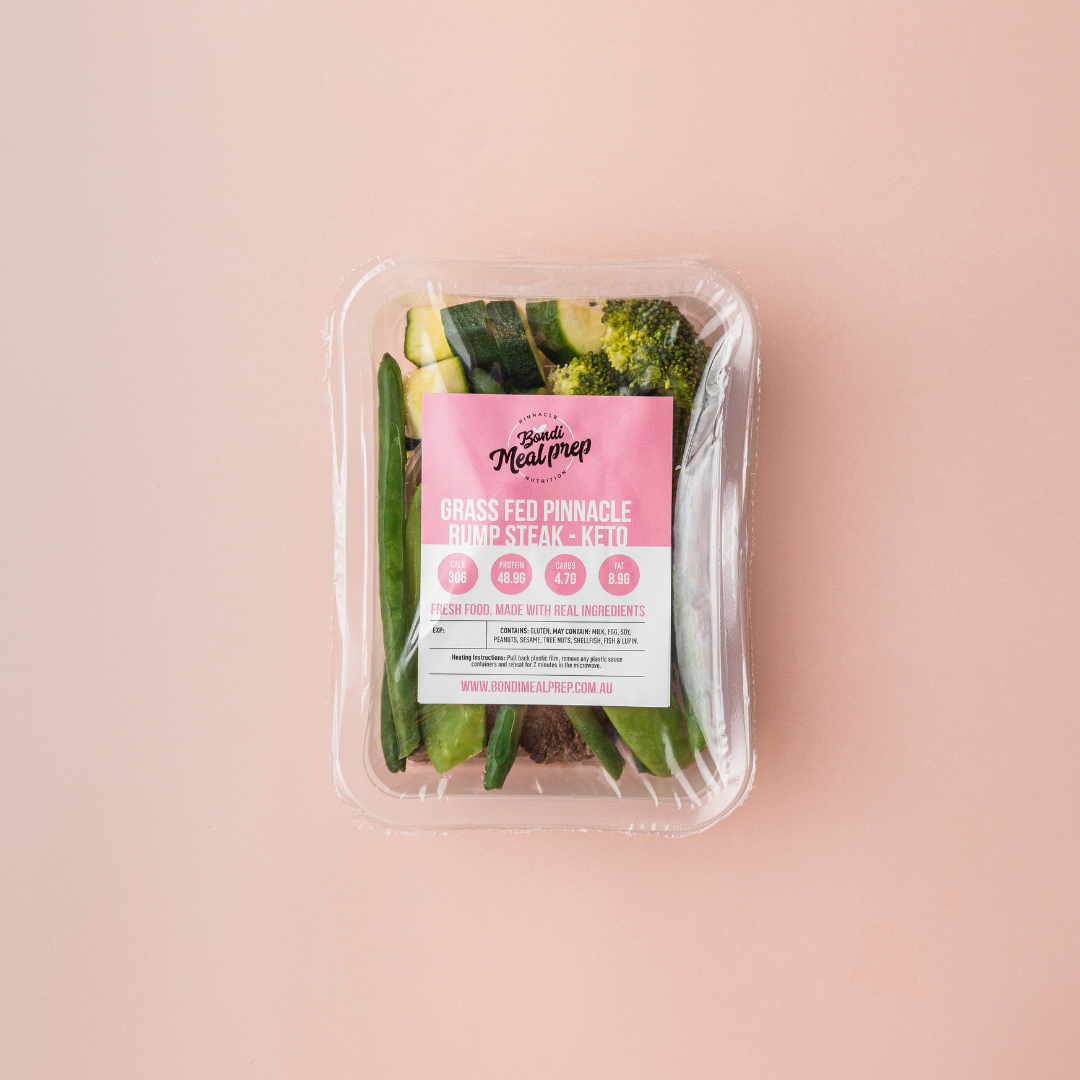
Grass Fed Pinnacle Rump Steak - Keto
Grass fed tender rump steak served with fresh steamed seasonal veggies and pepper gravy.

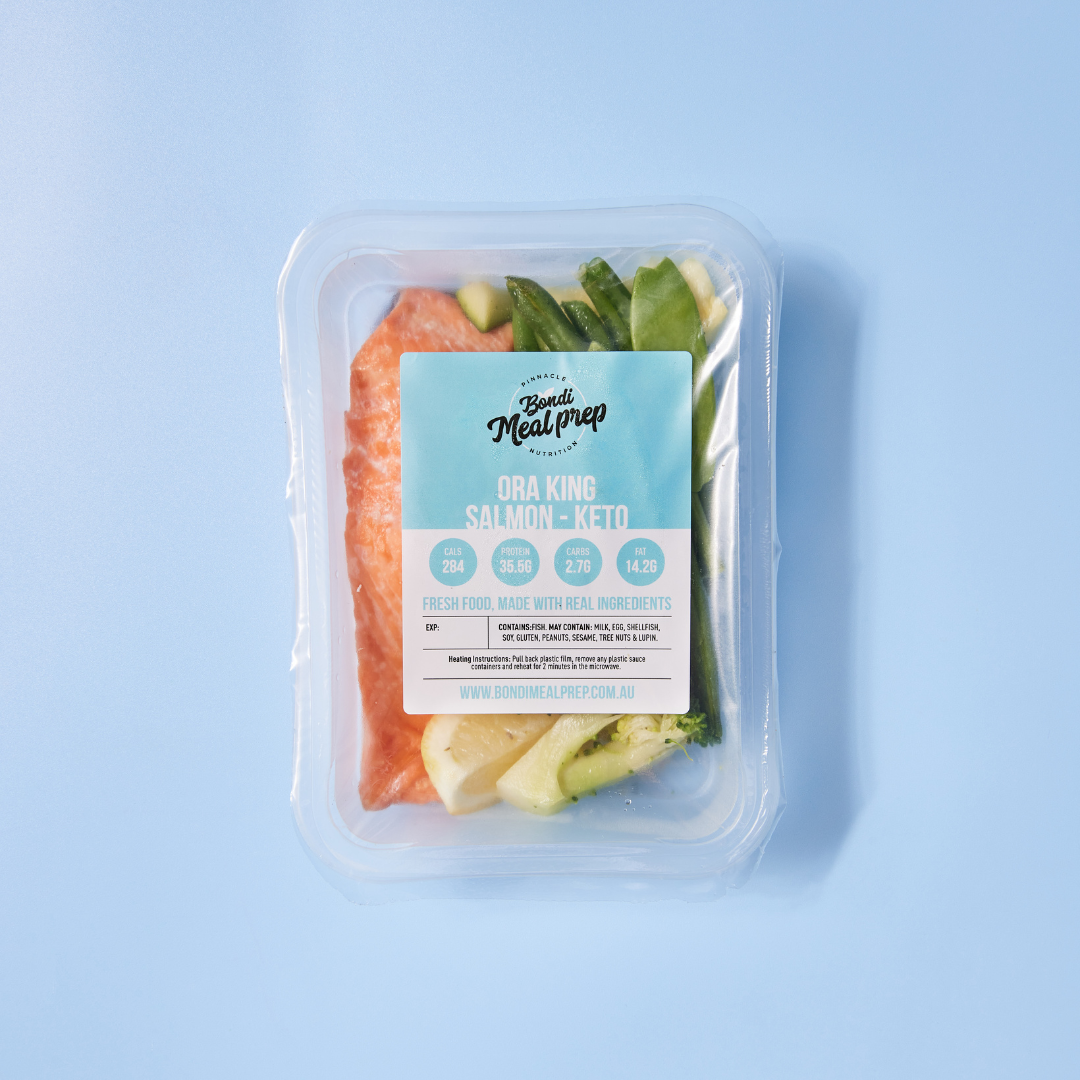
Ōra King Salmon - Keto
Fresh Ōra King salmon with a generous serving of steamed seasonal greens, and a lemon wedge.
Your Complete Guide to Keto Macros
The ketogenic (keto) diet is a high-fat, moderate-protein, very low-carbohydrate eating plan. By drastically reducing carbs — typically to under 50g of net carbs per day — your body enters a metabolic state called ketosis, where it burns fat for energy instead of glucose.
For most people, this means getting 70–75% of daily calories from healthy fats, 20–25% from protein, and just 5–10% from carbohydrates.
Calculating your keto macros involves three steps:
- Find your BMR (Basal Metabolic Rate) — the calories your body burns at rest, calculated using the Mifflin-St Jeor equation based on your age, height, weight, and gender.
- Calculate your TDEE (Total Daily Energy Expenditure) — your BMR multiplied by an activity factor to account for exercise and daily movement.
- Apply your keto macro split — divide your adjusted calories into fat, protein, and net carb targets based on your chosen keto approach.
Standard vs Moderate vs High-Protein Keto
| Keto Type | Fat | Protein | Net Carbs | Best For |
|---|---|---|---|---|
| Standard Keto (SKD) | 75% | 20% | 5% | Weight loss, general health |
| Moderate Keto | 65% | 25% | 10% | Active people, easier transition |
| High-Protein Keto | 60% | 35% | 5% | Athletes, muscle building |
Tips for Hitting Your Keto Macros
- Prioritise healthy fats: Avocado, olive oil, nuts, seeds, and fatty fish are keto staples. Avoid trans fats and highly processed oils.
- Choose quality protein: Grass-fed meats, free-range poultry, wild-caught fish, and eggs provide clean protein without hidden carbs.
- Track net carbs, not total carbs: Net carbs = total carbs minus fibre. Most keto dieters aim for 20–50g net carbs per day.
- Meal prep is your best friend: Pre-portioned meals with known macros eliminate guesswork and keep you on track.
- Stay hydrated and mind your electrolytes: Keto can cause fluid loss — supplement sodium, potassium, and magnesium as needed.
Common Keto Mistakes
- Not eating enough fat: Many beginners eat too little fat and too much protein, which can prevent ketosis.
- Ignoring hidden carbs: Sauces, dressings, and "sugar-free" products can contain surprising amounts of carbs.
- Not tracking macros: Estimating portions often leads to overconsumption of carbs or under-consumption of fat.
- Giving up too early: The "keto flu" (fatigue, headaches) is temporary — most people feel great after the first week or two.
- Neglecting vegetables: Low-carb vegetables (spinach, broccoli, cauliflower) provide essential nutrients and fibre.
Want to learn more? Read our Keto Guide for Beginners or explore our Keto Meal Plan for weekly meal ideas.
Frequently Asked Questions
How many carbs can I eat on keto?
How many carbs can I eat on keto?
Most keto diets recommend keeping net carbs between 20–50g per day. Net carbs are calculated by subtracting fibre from total carbohydrates. The standard keto approach (SKD) targets around 5% of total calories from carbs, which typically works out to 20–30g for most people.
What's the difference between Standard and High-Protein keto?
What's the difference between Standard and High-Protein keto?
Standard keto (SKD) allocates 75% of calories to fat and 20% to protein. High-Protein keto increases protein to 35% and reduces fat to 60%, making it better suited for people doing resistance training or looking to build muscle while staying in ketosis.
How accurate is this keto macro calculator?
How accurate is this keto macro calculator?
Our calculator uses the Mifflin-St Jeor equation, which is considered one of the most accurate BMR formulas available. However, individual metabolism varies based on genetics, body composition, hormones, and other factors. Use these numbers as a starting point and adjust based on your results over 2–4 weeks.
Can I do keto if I exercise regularly?
Can I do keto if I exercise regularly?
Absolutely. Many athletes and active individuals follow keto successfully. If you exercise regularly, choose the "Moderately Active" or "Very Active" activity level in the calculator, and consider the Moderate or High-Protein keto option for more flexibility with protein and carb intake around workouts.
How do Bondi Meal Prep's keto meals fit my macros?
How do Bondi Meal Prep's keto meals fit my macros?
All of our keto meals are designed with high fat, moderate protein, and very low carb content. Each meal lists full nutritional information so you can easily track your daily intake. Our keto range typically contains under 10g of net carbs per serve, making it simple to stay within your targets.
How long does it take to get into ketosis?
How long does it take to get into ketosis?
Most people enter ketosis within 2–7 days of consistently eating under 50g of net carbs per day. The timeline depends on your previous diet, activity level, and individual metabolism. Signs of ketosis include reduced appetite, increased energy, and a slight metallic taste in your mouth.
Learn More About Keto

How to Get Fibre on Keto (10 Best Foods for Gut Health)
One of the most common issues people face when starting keto is that things get a little, well, backed up. When you're trying to make progress with a new diet, "keto constipation" can be a blocker. Literally. It's not the most glamorous topic, but fibre is a must for maintaining your digestive system and a healthy gut. On keto, it's easy to fall short of your fibre intake without even realising it. Luckily, good digestive health is completely achievable, as long as you know which high-fibre, low-carb foods to fill your plate with. Here's everything you need to know about high-fibre eating to keep your gut happy and your body in that oh-so glorious state of ketosis! Key Takeaways Cutting carbs can accidentally reduce your dietary fibre intake, leading to the dreaded "keto constipation". Adults should consume 25–30g of fibre per day to keep a healthy gut and maintain regular digestion. Avocados, chia seeds, broccoli, and flaxseed are some of the best high-fibre, low-carb foods available to keto eaters. Staying hydrated is just as important as eating fibre, because a lack of fluids can worsen constipation. If food alone isn't keeping you regular, a psyllium husk supplement can help bridge the gap without affecting ketosis. It helps to have fresh keto meals ready to go for busy days, ensuring you always get your keto nutrients and that all-important fibre intake. What is the Keto Diet? The keto diet, short for ketogenic diet, is a high-fat, moderate-protein, low-carb approach to eating that switches your body's fuel source from glucose to fat. By keeping your daily carbohydrate intake under 20–50g, your body enters a metabolic state called ketosis. Simply put, this means you burn fat for energy instead of sugar. The fat comes from the food you eat and the reserves stored in your body. The result of being in ketosis is steadier energy levels, reduced hunger, better mental clarity, and, for many people, significant weight loss. Over the past few years, this range of benefits has transformed keto from a niche eating trend into one of the world's most popular diets. The Relationship Between Keto & Fibre If your body was an engine, fibre would be the lubricant. It keeps your digestive system moving, feeds the good bacteria in your gut, and helps you feel fuller for longer. It's one of life's nutritional non-negotiables, keto or not. The Health Benefits of Fibre Fibre does a lot more than just keep you regular (although that's definitely a huge perk!). Getting enough fibre every day supports your overall physical health in some pretty meaningful ways: ✔️ Gut health: Fibre feeds the "good bacteria" in your gut microbiome, which plays a role in everything from strong immunity to a stable mood. ✔️ Blood sugar control: Soluble fibre slows the absorption of sugar into your bloodstream, helping to keep energy levels steady. ✔️ Heart health: Medical research shows that a high-fibre diet is linked to lower cholesterol levels and reduced risk of heart disease. ✔️ Weight management: Fibre adds bulk to meals and slows digestion, meaning you stay fuller for longer and are less likely to overeat. ✔️ Reduced inflammation: A healthy, fibre-fed gut is also associated with lower levels of inflammation throughout the body. As you can tell from this list of health benefits, fibre is your body's best friend. The tricky part is that many fibre-rich foods (wholegrains, legumes, and certain fruits) are also high in carbs. When you cut the carbs, you can accidentally cut a big chunk of your fibre along with them. The result of a reduced fibre intake is what the keto community lovingly calls keto constipation. This involves harder stools, a bloated gut, and general discomfort that makes the first few weeks of keto a little harder than they need to be. The way to avoid these symptoms is to hit your target amount of fibre, which for most adults is around 25–30g per day. Here's how to hit that range without blowing your carb budget. Want to balance your fibre with the rest of your macros? Use our keto calculator to set your daily carb, fat and protein targets, then fit your fibre-rich foods within them. 10 High-Fibre & Keto-Friendly Foods If you're searching for simple ways to keep your digestive system ticking over without kicking your body out of ketosis, these ten foods are all low in net carbs, high in fibre, and easy to work into your everyday keto meals. 🫐 Raspberries Berries often get struck off the grocery list on keto, but raspberries are one of the best low-carb fruits you can eat. Their fibre content offsets a lot of their natural sugar, meaning they won't raise and lower your blood sugar the way other fruits do. Toss a half cup of fresh or frozen berries on your full-fat Greek yogurt for a big hit of fibre that hardly puts a dent in your carb count. Per 100g: 6.5g fibre | 12g total carbs | 5.5g net carbs 🥑 Avocado Avocados are a fan-favourite among keto eaters and for good reason. While slightly higher in carbs than some of the other vegetables and fruits on this list, a medium avocado still delivers around 9g of fibre with almost no sugar. Add it to your smoothie, smear it on a seed cracker for a dreamy, creamy texture, or slice it alongside eggs. However you have it, an avocado will work wonders when it lands in your digestive system. Per medium avocado: 9g fibre | 17g total carbs | 3g net carbs 🌿 Asparagus This is a brilliant side dish that's high in fibre and has fewer carbs than most other veggies. Roast it with olive oil and a pinch of sea salt for a nutritious green that's filled with flavour. It also supports gut health and provides folate, vitamin C, and vitamin K as a bonus. Per 100g: 2.1g fibre | 3.7g total carbs | 1.6g net carbs 🥦 Broccoli Broccoli is one of the most reliable vegetables in the keto kitchen. It's filling, versatile, and a miracle worker for your gut microbiome. Steam it, roast it, or turn it into a creamy broccoli soup. For essential vitamins and fibre, it all counts. Per 100g: 2.6g fibre | 7g total carbs | 4.4g net carbs 🌱 Brussels Sprouts You might need to bear with us on this one. Properly cooked Brussels sprouts, roasted with butter and a little parmesan or pan-fried until crispy, are absolutely delicious. Plus, a single cup of these little green machines delivers around 4g of fibre, making them one of the best low-carb vegetables for gut health. If you wrote Brussels sprouts off years ago, maybe give them another chance. Per cup (88g): 3.3g fibre | 8g total carbs | 4.7g net carbs 🌰 Pistachios Compared to other nuts, pistachios are among the highest in fibre. Believe it or not, about 10% of their weight comes from insoluble fibre, which is exactly what keeps things moving in the digestive department. Portion them out (a small handful is plenty) and keep them in your bag for whenever you need a pick-me-up. Alternatively, chuck them onto your keto salads for a little added crunch. Per 28g serving: 3g fibre | 8g total carbs | 5g net carbs 🌾 Flaxseed Flaxseed is one of the best-kept secrets in the keto community. It contains virtually no digestible carbohydrate but packs around 1.9g of fibre per tablespoon. Stir it into yogurt, sprinkle it over salads, or mix it into keto baking. It's easy to add, barely changes the flavour, and can deliver huge digestive benefits. Per tablespoon (10g): 1.9g fibre | 3g total carbs | 0g net carbs 🫙 Chia Seeds Mini but mighty, these seeds are the superhero of high-fibre eating. 28g of chia seeds delivers close to 10g of fibre, which is seriously impressive. Mix them into one cup of almond milk overnight for a chia pudding, or add a spoonful to a smoothie. They swell up and keep you full for hours, making them an underrated addition to any keto pantry. Per 28g serving: 9.75g fibre | 12g total carbs | 2g net carbs 🌾 Wheat Bran While you do need to watch portions, wheat bran can be a useful way to top up your fibre intake. It's often added to keto-friendly bread recipes and low-carb baked goods. Just check labels if you're buying packaged products, as the carb and fibre content can vary quite a bit between brands. Per 2-tablespoon serving (14g): 3g fibre | 5g total carbs | 2g net carbs 💊 Fibre Supplements Sometimes, even with careful meal planning, it's hard to hit your fibre targets through food alone. This is especially true in the early weeks of keto when you're still finding your rhythm with new combinations of foods. That's when a quality fibre supplement can help you bypass any teething problems while your digestive system adjusts. Psyllium husk is a popular keto-friendly option that dissolves easily in water and supports gut regularity without any carbs. It's also used in keto baking as a binding agent, which is a practical bonus if you like to get creative in the kitchen. Per tablespoon of psyllium husk (9g): 5g fibre | 6g total carbs | 1g net carb If you're short of ideas on how to combine these ingredients, you can check out our quick keto recipes for easy meals that will add a little freshness and flavour to your rotation. Signs You're Not Getting Enough Fibre Your body's very effective at sending signals when something's off in the nutrition department. Keep an eye out for these clues that your gut needs some extra support and an added dose of fibre: Constipation or infrequent bowel movements are the most obvious signs that your fibre intake is too low. Bloating and discomfort are especially common in the first two weeks of keto and can be exacerbated by a lack of fibre. Feeling hungry soon after meals can mean you're not eating enough fibre, since fibre slows down your digestion system and makes you feel full for longer. Energy slumps sometimes signal that you're not consuming enough fibre, since it plays a crucial role in regulating your blood sugar levels. If any of these sound familiar, try adding two or three of the foods from the list above into your daily meals and see if your symptoms start to ease after a week. If you want to be even more proactive, follow the tips below. Quick Tips to Increase Your Fibre on Keto You don't need to overhaul your entire diet to hit your fibre targets. A few simple swaps and additions can make a big difference to how you feel day-to-day. Start your day with chia or flax by stirring them into yogurt, smoothies, or keto porridge. Eat your greens at every meal. Leafy greens like spinach and kale are low in carbs but surprisingly rich in fibre. Add avocado wherever you can, in salads, on the side, in sauces. It's one of the easiest fibre wins on keto. Snack on nuts instead of processed keto bars. Most packaged snacks are low in fibre, even when they're keto-friendly. Stay hydrated. Fibre works best when you're drinking enough water. If you're not, it can actually make constipation worse. If these tips aren't enough, you can also top up your fibre intake with psyllium husk every morning to fire up your digestive system. If you've followed all these dietary tips and you're still experiencing issues with your gut health, it's always sensible to talk to a GP or your healthcare provider. Trust Your Gut & Stay Strong! The first week or two of keto can be a little disruptive to your digestive system as your body adjusts. That's completely normal. With the right foods in your corner, and enough water and electrolytes, things usually settle down. Don't let a bit of temporary discomfort put you off your keto ambitions. If you feel like you need to tweak your diet, feel free to add fibre-rich foods into your daily rotation to support your gut health. Use your instincts and be adaptable with what you eat and don't eat. Always trust your gut! Once your body adapts, most people find that keto improves their digestion and reduces the bloating that comes with eating a lot of carbs and processed food. A little short-term discomfort normally leads to some significant long-term gains, so stay strong. What's Cooking in Bondi Meal Prep's Keto Kitchen? If you've been reading Bondi Meal Prep's keto guides, you'll already know that the diet itself isn't complicated. It's the shopping, the label-reading, the meal planning, and the cooking that are the biggest hurdles. Even if you've got enough resolve to eat keto, you may not always have enough time. On the days when work runs late, the kids need picking up, and you've got nothing ready to go in the fridge, the easiest option suddenly isn't the keto one. That's the problem our fresh, pre-prepared meals are designed to fix. Bondi Meal Prep's keto meal range is made fresh with grass-fed beef, free-range chicken, and organic fish, paired with low-carb vegetables packed with fibre. Every meal is macro-balanced and ready in minutes. Think of it less like a meal delivery service and more like having a nutritionist, a personal chef, and a very organised Sunday all rolled into one. Our meals stay fresh for 7 days in the fridge, so you've always got a tasty keto option waiting for you, even on your most chaotic days. Explore our mouth-watering keto menu and see what's cooking in our kitchen right now! Frequently Asked Questions What is the ideal fibre intake on keto? Most adults should aim for 25–30g of dietary fibre per day. On keto, hitting that target takes a bit more planning since many fibre-rich foods are also high in carbs. The good news is that with the right mix of low-carb vegetables, seeds, nuts, and fibre supplements like psyllium husk, reaching your daily intake is completely achievable without affecting ketosis. What is the difference between soluble and insoluble fibre? Both play an important role in digestive health. Soluble fibre dissolves in water and helps slow digestion, stabilise blood sugar, and lower cholesterol. Insoluble fibre adds bulk to your stool and keeps things moving through the digestive tract. Most high-fibre foods combine both types. What are the easiest high-fibre foods to add to a keto diet? Avocado, chia seeds, flaxseed, and leafy greens are often the easiest wins. They're low in net carbs, high in fibre, and simple to work into everyday meals without needing complicated recipes. If you're still struggling to hit your fibre goals through food alone, psyllium husk is a convenient supplement that adds a significant amount of fibre without any carbs. Can low fibre intake affect my keto results? Poor digestive health can affect energy levels, mood, and how you feel day-to-day, all of which influence how likely you are to stick to any diet, not just keto. Getting enough fibre keeps your gut functioning well, helps you feel fuller for longer, and supports the kind of consistent, healthy eating that delivers lasting results on keto. Why does eating fewer carbs lead to constipation? When you significantly reduce your carbohydrate intake, you naturally eat fewer of the whole grains, legumes, and starchy foods that contribute to your daily fibre intake. Without consciously replacing that fibre with low-carb alternatives, many people find their digestive system slows down in the first few weeks. Staying hydrated and adding fibre-rich foods like broccoli, chia seeds, and ground flaxseed to your meals is the most effective way to stay regular when adjusting to a low-carb lifestyle.
Read more
The Keto Food Pyramid: What to Eat (and Avoid) on Keto
If you grew up in Australia, you'll remember spending at least one primary school lesson staring at a food pyramid poster on the classroom wall. A whole heap of bread and grains at the base, a decent amount of meat and dairy in the middle, and a smidge of fats at the top that basically represented the dietary villain. Familiar though it might be, the traditional food pyramid is the opposite of what effective keto eating looks like. If you're new to the ketogenic diet and wondering why your approach to eating needs such a dramatic rethink, the keto food pyramid is the clearest way to see it. Once you understand the right macro ratios, everything about keto starts making a lot more sense. This guide explains every layer of the keto pyramid, from the foods you'll eat most to the ones you'll avoid altogether. Consider it your go-to low-carb food list and a practical visual framework for creating keto meals that help you achieve your health and body composition goals. Key Takeaways This guide provides a comprehensive overview of the keto food pyramid, explaining each layer and what you should eat to maintain ketosis and achieve your health goals. The keto food pyramid flips the traditional food pyramid on its head, with healthy fats forming the base, not grains and carbs. Aim for roughly 70% of your calories from fat, 25% from protein, and just 5% from carbs to stay in ketosis. Non-starchy vegetables, fatty fish, fatty cuts of meat, and quality fats like olive oil and coconut oil should be your everyday keto staples. Starchy vegetables, added sugars, sugary beverages, and grains should be avoided, since even small amounts can push you out of fat-burning mode. Net carbs (total carbs minus fibre) are what you track on keto. Most people aim for 20–50g of net carbs per day. Having fresh keto meals ready to go helps to keep your macro balance on point, even on your most hectic days. What's Wrong With the Traditional Food Pyramid? The traditional food pyramid, introduced by health authorities in the 1980s and 90s, put bread, cereal, rice, and pasta right at the base. The message was that carbs are your best friends and you should eat them in abundance. Fats, on the other hand, were grouped with sweets and placed at the very top, meaning eat as little of them as possible. For keto eaters, that old-school guide is basically a how-not-to-eat chart. A single serving of pasta or white rice can contain enough carbs to knock you straight out of ketosis. The foods that were given pride of place in the traditional food pyramid are the exact foods that a keto diet eliminates. The traditional food pyramid has a large amount of grains at the base and a tiny portion of fats at the top. The keto food pyramid takes the original concept and turns it upside down. Fats sit at the base, protein comes next, and low-carb vegetables fill the middle tiers. High-carb foods, which were once the foundation of the traditional food pyramid, are now the ones to limit or cut out entirely. It's a pretty wild reversal, but it's backed by a growing body of research on the relationship between low-carb diets, metabolic syndrome, weight loss, and blood sugar control. The Keto Food Pyramid: Layer by Layer The Base: Healthy Fats (Eat the Most) On the keto diet, fat isn't the enemy; it's the fuel. Healthy fats sit at the wide base of the keto food pyramid because they make up the majority of your daily calorie intake (roughly 70%). Your body needs fat to produce ketones, and ketones are what power your brain and body once you've cut carbs out of the equation. Not all fats are equally effective, though. The ones you want to focus on are whole food fats and high-quality oils. These bring genuine nutritional value to your keto meals. Your go-to keto fats: Olive oil: Extra virgin olive oil is your go-to for salads, drizzling, and low-heat cooking. Packed with heart-healthy monounsaturated fatty acids. Coconut oil: A brilliant high-heat cooking oil. Rich in medium-chain fatty acids that your body converts into ketones with impressive efficiency. Avocado oil: Another great option for high-heat cooking with a mild, buttery flavour. Butter and ghee: Real butter from grass-fed cows is loaded with fat-soluble vitamins. Ghee is the perfect dairy-free alternative. Avocados: Technically a fruit, but really a fat source on keto. Loaded with potassium and monounsaturated fatty acids with minimal net carbs. Bone broth: Not a fat source as such, but a keto kitchen essential. Rich in collagen, easy on the gut, and helpful for replenishing electrolytes. You should skip the processed vegetable oils like soybean, canola, and sunflower. These are high in omega-6 fatty acids that can contribute to inflammation. Stick to whole, natural fat sources for optimal health. The Second Tier: Protein (Eat Plenty, But Not Too Much) Here's the keto misconception that catches a lot of people out: keto is a high-fat diet, not a high-protein diet. Protein sits in the second tier of the keto pyramid, meaning it's important, but not the main event. Aim for around 25% of your daily calories from protein, which works out to roughly four or five ounces per meal. Many people wonder why overeating protein is problematic. The answer is simple. If you eat too much protein, your body can convert the excess into glucose through a process called gluconeogenesis. This can push you out of ketosis. The goal is moderate, high-quality protein, not an unlimited steak buffet. Your go-to keto proteins: Fatty cuts of red meat: Ribeye, lamb shoulder, chuck, and beef mince. The fatty cuts hit your fat macros while delivering great protein content. Chicken thighs and legs: When it comes to poultry, swap the breast for thighs. They're juicier, tastier, and have much better fat macros for keto. Fatty fish: Salmon, mackerel, sardines, and trout. These are among the best foods you can eat on keto. Fatty fish are rich in omega-3 fatty acids, which support heart health, reduce inflammation, and are great for brain function. Eggs: Zero carbs, plenty of healthy fats and protein. Eggs are a keto superfood, full stop. Leaner options: Lean meats like chicken breast and white fish still have a place on the keto plate, but make sure the rest of your meal makes up for the lower fat content. When hitting the shops and sourcing your protein, quality matters. Grass-fed beef and wild-caught fish are going to give you better fatty acid profiles than their commercially farmed counterparts. It's the kind of food quality consideration that pays off for your long-term health. The Middle Tier: Non-Starchy Vegetables (Eat Freely) Here's where keto gets its colour. Low-carb vegetables sit in the middle of the keto food pyramid, not because they're less important, but because you should eat them freely and generously at every meal. Non-starchy vegetables are packed with fibre, vitamins, and essential nutrients that your body needs to function well on keto. They're also what keep your gut happy and your energy steady. The golden rule for picking keto-friendly vegetables is simple: above-ground vegetables are almost always fair game. Underground, starchy vegetables, including potatoes, sweet potatoes, parsnips and beetroot, tend to have too many carbs for most keto plans. Your go-to vegetables: Leafy greens: Spinach, kale, rocket, silverbeet, and lettuce. Eat these at every opportunity. Low in net carbs, sky-high in nutrients. Cruciferous vegetables: Broccoli, cauliflower, brussels sprouts, and cabbage. These are filling, versatile, and outstanding for your gut microbiome, which is a fancy way of saying they aid your digestive system. Low-carb veggies: Zucchini, asparagus, capsicum, mushrooms, green beans, and celery. It's worth remembering that corn, peas, and carrots aren't off-limits in small quantities, but they contain significantly more carbs than the options listed above. If you're keeping tight tabs on your net carbs, these starchy veggies are best kept to a minimum or avoided entirely. Cauliflower is the unsung hero of the keto kitchen. Turn it into cauliflower rice, mash it, roast it, or blitz it into a creamy soup. When you realise what cauliflower can do, you barely miss regular rice. The Upper-Middle Tier: Full-Fat Dairy, Nuts & Seeds (Eat in Moderation) This tier is the "a little bit every day" zone. Dairy products, nuts and seeds, and keto-friendly fruits all live here. They're nutritious and keto-friendly, but need to be eaten with a degree of portion control because their carb content can sneak up on you. Full-fat dairy: When you eat dairy on keto, always go full-fat. Low-fat dairy products typically have added sugars to compensate for the missing flavour, which pushes the carb count up. Keto-friendly options include: Cheese: Cheddar, mozzarella, brie, parmesan, cream cheese. These are some of the most keto-friendly dairy products you can find. Greek yogurt: Full-fat, plain versions. Check the label carefully, because some brands chuck in a surprising amount of sugar. Heavy cream and sour cream: Great for cooking and adding richness to sauces and soups. Unsweetened almond milk: Almond milk without sugar or sweeteners is dairy-free and a solid low-carb alternative to regular cow's milk. Nuts and seeds: Macadamia nuts, brazil nuts, walnuts, pecans, chia seeds, and flaxseeds are brilliant keto-friendly snacks. They're loaded with healthy fats, fibre, and essential nutrients. Just be mindful of portion control. It's easy to overdo it on nuts, and the carbs can add up faster than you'd expect. Keto-friendly fruits: Most fruit has too many carbs for a standard keto diet, but berries are the exception. Raspberries, strawberries, and blueberries are relatively low in net carbs and high in antioxidants. A small handful with your greek yogurt is a perfect keto-friendly treat. Near the Top: Keto-Friendly Extras (Enjoy Occasionally) These aren't daily staples, but they make keto enjoyable and sustainable over the long term. Think of them as the flavour-makers and mood-lifters of your keto plate. Dark chocolate: 85% cacao or higher. Small amounts satisfy a chocolate craving without sending your blood sugar haywire. Nut butters: Almond butter and natural peanut butter make great additions to smoothies and snacks. However, always check labels for added sugars. Diet sodas: While not a health food by any stretch, diet sodas are technically keto in terms of carbs. If you're weaning yourself off sugary beverages, they can serve as a short-term replacement. However, water, sparkling water, and black coffee should always be the daily go-to. The Tip of the Pyramid (What to Avoid at All Costs) The pointy top of the keto food pyramid is where you'll find the foods to leave on the shelf. These are the high-carb foods that spike blood sugar, disrupt ketosis, and kick your body out of fat-burning mode. If you've eaten too many carbs and found yourself feeling foggy and flat, this is why. Avoid these on keto: Bread, pasta, rice, and all other grains. Starchy veggies like potatoes and sweet potatoes. Most fruit (except berries in small amounts). Anything with added sugars, such as sauces, dressings, and packaged snacks. Sugary beverages, including soft drinks, juice, energy drinks, and flavoured milks. Processed "low-fat" foods (these almost always contain added sugars). Saturated fats from poor-quality, ultra-processed sources like fast food. Building Your Keto Plate Now that you know what lives at each level of the keto food pyramid, here's how to put it all together on the keto plate. A well-constructed keto meal looks something like this: Roughly half your plate: Non-starchy vegetables. Leafy greens, broccoli, zucchini, asparagus, or any other keto-friendly veggies you love. A quarter of your plate: A quality protein source. Fatty fish, a fatty cut of beef, chicken thighs, or eggs. A quarter of your plate for fats: Olive oil or coconut oil for cooking, avocado on the side, nuts and seeds, a dollop of sour cream or any other low-carb dairy. If you're short of inspiration for what to whip up in the kitchen, you can check out our quick keto recipes for easy meals that put tasty twists on staple keto ingredients. Calorie Counts & Tweaking Macros for Keto Eating Many beginners wonder how many calories they should eat on keto. That depends on your goals. If you're trying to lose weight, a modest calorie deficit works well alongside ketosis, since the fat-burning effect of keto does a lot of the heavy lifting. If you're trying to gain weight or build muscle, you'll want to ensure you're eating enough calories and protein to support that growth. You can always tweak your calorie intake and macro ratios to match your individual lifestyle and goals. Our custom-built Keto Macro Calculator can help you build a more detailed picture of your personal nutritional needs. Perfect the Pyramid with Bondi Meal Prep! Understanding the keto food pyramid is one thing. Actually turning it into fresh, balanced, flavourful keto meals every single day? That's where real life tends to get in the way. Between work, family, and everything else on your plate (pun intended), finding time to shop for the right foods, check labels, portion out macros, and cook from scratch is a lot to ask. If you don't have the time to prepare delicious, macro-balanced keto meals, don't worry. It's what we do best, and we do it every day. Bondi Meal Prep's keto meal range is freshly prepared by our chefs using grass-fed beef, free-range chicken, organic fish, and low-carb vegetables full of essential nutrients. Whether you're a keto beginner still wrapping your head around net carbs, or a seasoned keto dieter who just needs a break from the kitchen, we have something clean, tasty and macro-balanced that's ready to heat and eat. Explore our full keto menu and discover just how easy and tasty it can be to perfect the pyramid! Frequently Asked Questions What is the keto food pyramid? The keto food pyramid is a visual guide to the food groups and proportions that make up a healthy ketogenic diet. Unlike the traditional food pyramid, which places grains and carbs at the base, the keto pyramid puts healthy fats at the foundation, followed by moderate protein, then low-carb vegetables, with high-carb foods at the very top to be avoided. It's a practical framework for understanding what to eat and how much to stay in ketosis. How many carbs can I eat on keto? Most people on the keto diet aim for 20–50g of net carbs per day. Net carbs are calculated by subtracting fibre from total carbs, since fibre isn't digested and doesn't raise blood sugar. The lower your carb intake, the more reliably your body will stay in fat-burning mode. If you're new to keto, starting closer to at least 30g of net carbs per day is a safe approach while your body adjusts. How much protein should I eat on the keto diet? Protein should make up around 20–25% of your daily calories on keto. How much protein that translates to in grams depends on your body weight and goals, but a useful rule of thumb is roughly 1.2–1.7g of protein per kilogram of body weight per day. Too little and you risk losing muscle; too much and your body may convert the excess into glucose, which can disrupt ketosis. Are starchy vegetables allowed on keto? Starchy vegetables like potatoes, sweet potatoes, corn, and peas are generally too high in carbs for a standard keto diet. Even a small serving of these starchy veggies can use up your entire daily carb allowance. Stick to non-starchy vegetables like leafy greens, broccoli, cauliflower, and zucchini, which are low in net carbs and full of essential nutrients. Can I eat dairy on the keto diet? Yes, but with a couple of conditions. Full-fat dairy products like cheese, heavy cream, sour cream, and greek yogurt are great keto-friendly options. Avoid low-fat dairy, which typically contains added sugars to compensate for the missing flavour. Regular milk is also best avoided on keto due to its naturally higher carb content. Unsweetened almond milk is a better everyday alternative.
Read more
What Is a Keto Diet?
When it comes to healthy eating, keto is one of the most popular diets in Australia right now. But alongside questions about what to eat and how it works, one big concern always pops up: how much does keto cost? There’s a common misconception that the keto diet is expensive. With all the talk about grass-fed meat, almond meal, and avocado oil, it’s easy to assume you need to spend hundreds more each week just to keep your macros in check. But the truth is more nuanced. The keto diet, short for ketogenic diet, is a high-fat, moderate-protein, very low-carb eating plan. It works by shifting your body into ketosis, a fat-burning state where fat becomes your primary fuel source instead of carbohydrates. This switch can help you lose weight, reduce cravings, and improve energy levels. But does keto burn through your bank balance, as well as fat? Is it pricier than other popular diets? And can you do keto on a budget without giving up nutritious foods or your health goals? In this guide, we break down the real costs of going keto. We’ll look at grocery prices, hidden expenses, and the benefits of using Bondi Meal Prep's meals to simplify your health journey. Key Takeaways The keto diet doesn't have to be expensive—with smart shopping and meal planning, it can cost about the same as a standard Australian diet at $80–$100 per week for groceries. While some premium ingredients like grass-fed meat and specialty oils can drive up costs, strategic choices such as buying in bulk, choosing frozen vegetables, and using affordable protein sources like eggs and canned tuna make keto quite budget-friendly. - Keto costs are comparable to other diets: When done strategically, keto typically costs $80–$100 per week for one person—similar to Mediterranean or plant-based diets—and you may actually save money by eliminating processed snacks, takeaways, and sugary drinks that add up quickly. - Cost drivers are controllable: The main expenses on keto include quality proteins (grass-fed beef, free-range chicken), healthy fats (olive oil, avocado oil, coconut oil), and low-carb vegetables, but you can significantly reduce costs by buying frozen vegetables, purchasing in bulk, and choosing budget-friendly options like eggs, canned tuna, and chicken thighs. - Meal delivery services offer hidden savings: While services like Bondi Meal Prep have higher upfront costs per meal, they eliminate food waste, remove the need for specialty ingredient shopping, provide perfect portion control with balanced macros, and save considerable time—making them cost-effective for busy people who might otherwise spend money on takeaway or waste unused ingredients. - Planning prevents overspending: The key to affordable keto is meal planning, buying seasonal or frozen produce, shopping specials, and avoiding impulse purchases on expensive keto-branded snacks and specialty products that aren't essential to the diet's success. Is the Keto Diet More Expensive Than Other Popular Diets? The idea that the keto diet is more expensive than other diets is common, but not always accurate. The truth depends on how you shop, what foods you prioritise, and how much time you have to plan your meals. Compared to high-carb diets built around rice, bread, pasta, and legumes, keto can seem slightly higher in cost. That’s because many high-fat, low-carb ingredients come with a higher price tag. But that doesn't mean keto has to break your weekly food budget. Here’s how keto compares to other popular diets in Australia: Standard Australian Diet: Often includes packaged snacks, takeaways, and processed food groups that can add up quickly. While carbs are cheap, the hidden costs of poor nutrition and health care can be high later on. Plant-Based or Vegan Diet: Beans, legumes, and vegetables can be cost-effective, but some specialty items and plant-based meat alternatives are quite pricey. Mediterranean Diet: Focused on whole foods, olive oil, fish, and fresh produce. This is similar in cost to keto when shopping for quality protein and fat sources. Keto Diet: High-fat, low-carb, moderate-protein. Costs depend on your ingredient choices, but with smart shopping and planning meals, it can be very affordable. When done right, keto can offer great value. Many people find they save money by cutting out snacks, sugary drinks, and constant takeaways. Plus, you eat fewer large quantities of food because high-fat meals help you stay full longer. So, while some ingredients cost more upfront, the overall food costs may balance out. With smart substitutions, keto can cost the same as many everyday diets, and often help you achieve even bigger results. What Drives the Cost of Keto? The cost of following a ketogenic diet depends on the foods you choose, how you shop, and how much preparation you are willing to do. While the keto diet can include premium ingredients, it also allows flexibility to shop within your budget. Here are some of the biggest factors that influence how much keto costs: Protein choices: Grass-fed beef, free-range chicken thighs, and fresh seafood are nutrient-dense but can be more expensive than processed meats. However, options like canned tuna and eggs offer high protein at a lower cost. Fats and oils: Healthy fats such as olive oil, avocado oil, coconut oil, and butter are essential on keto. These add up quickly if you're buying premium brands, but can last a long time when used properly. Low-carb vegetables: Broccoli, zucchini, cauliflower, spinach, and spaghetti squash are all keto-friendly and affordable when bought in season or frozen. Nuts, seeds, and dairy: Almond meal, chia seeds, cream cheese, and coconut milk are common in keto recipes. These items can vary in price, so it helps to buy in bulk or look for specials during your regular grocery shopping. Keto-friendly extras: Fat bombs, low-carb snacks, and sugar-free condiments like soy sauce or keto-friendly dressings are convenient but can drive up your grocery bill if used often. Ultimately, your food costs come down to how often you cook, what ingredients you prioritise, and how much time you want to spend planning meals. With a bit of structure and smart shopping, the keto diet does not have to cost more than any other well-balanced eating plan. Breaking Down the Cost of Keto Groceries Let’s look at what a typical week of keto grocery shopping might include and how much it could cost. These estimates are based on current prices in Australia and reflect a mix of fresh produce, protein, and pantry staples used in a typical ketogenic meal plan. Example weekly grocery list for keto: 1 dozen free-range eggs – $6 1kg chicken thighs – $15 500g grass-fed beef mince – $9 2 cans of tuna – $3 1 avocado – $2 1 head of cauliflower – $4 1 bag baby spinach – $3.50 1 zucchini – $1.50 1L full-fat cream or coconut milk – $4 250g block of cheddar cheese – $5 Olive oil – $10 (per bottle, lasts multiple weeks) Chia seeds – $6 (per bag, used across multiple weeks) Almond meal – $9 (per pack, lasts longer) Butter – $5 Pantry extras (herbs, garlic, salt, pepper) – $3 Total (approximate for one person): $80–$100 per week This amount can be slightly higher if you opt for organic produce or premium meats. On the other hand, you can save money by buying in bulk, choosing frozen vegetables, and swapping premium items for budget-friendly alternatives like canned tuna or cheaper cuts of meat. Planning meals in advance and reducing food waste also helps keep your weekly spend in check. With a little strategy, the cost of keto groceries can be surprisingly manageable, even comparable to a standard low-carb or calorie-controlled diet. How Meal Delivery Services Make Keto Easier Cooking all your own keto meals sounds ideal, but it takes time, effort, and planning. You need to count carbs, balance macros, and keep your fridge stocked with the right ingredients. For busy people, that often means last-minute compromises, skipped meals, or blowing the budget on a takeaway. This is where keto meal delivery services like Bondi Meal Prep can save the day. With chef-prepared, nutritionally balanced meals delivered fresh to your door, you get all the benefits of the ketogenic diet, without the shopping, prepping, or guesswork. Here’s how a meal delivery service can help you save: No food waste. You only pay for what you eat, with zero spoiled produce or unused ingredients. Built-in portion control. Each meal is designed to hit your fat, protein, and net carb targets. No specialty shopping. You skip the hunt for almond meal, avocado oil, or coconut milk at multiple stores. Time is money. Less time shopping and cooking means more time for training, working, or relaxing. While the upfront cost per meal may be higher than cooking at home, the convenience, consistency, and reduced waste can make it a smarter investment, especially if it helps you stay on track long term. Keto Made Simple with Bondi Meal Prep You don’t need to spend hours grocery shopping or calculating macros to stick to your keto goals. Bondi Meal Prep delivers fresh, high-fat, low-carb meals straight to your door, ready to heat, eat, and help you stay consistent. Each dish is crafted by chefs and nutritionists using premium ingredients like grass-fed meat, free-range chicken, and seasonal vegetables, with macros designed for fat loss and energy. If you’re new to keto or just too busy with work and training to cook, our keto-friendly meals take the stress out of eating well. Explore our Keto Collection today and discover how easy, tasty, and affordable the keto lifestyle can be.
Read more
Ready to Start Keto?
Calculate your macros above, then shop keto meals designed to hit your targets — delivered fresh to your door.