
Low Carb Pre-Prepared Meals
Discover the health benefits of our low-carb prepared meals. Packed with high-quality proteins and essential nutrients, these meals take the guesswork out of prepping.


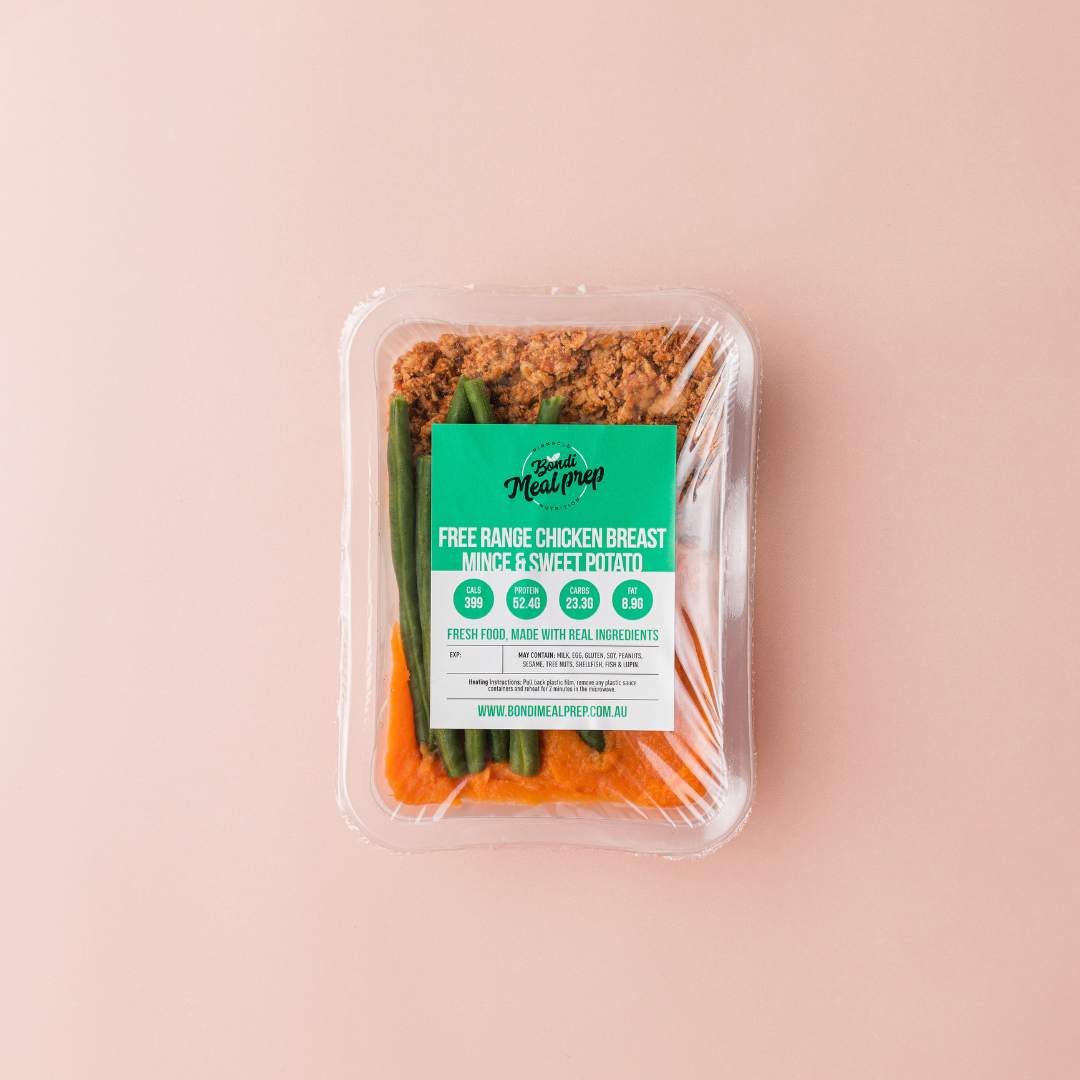
Free Range Chicken Breast Mince & Sweet Potato
Free-range chicken breast mince with sweet potato mash and fresh steamed seasonal greens.

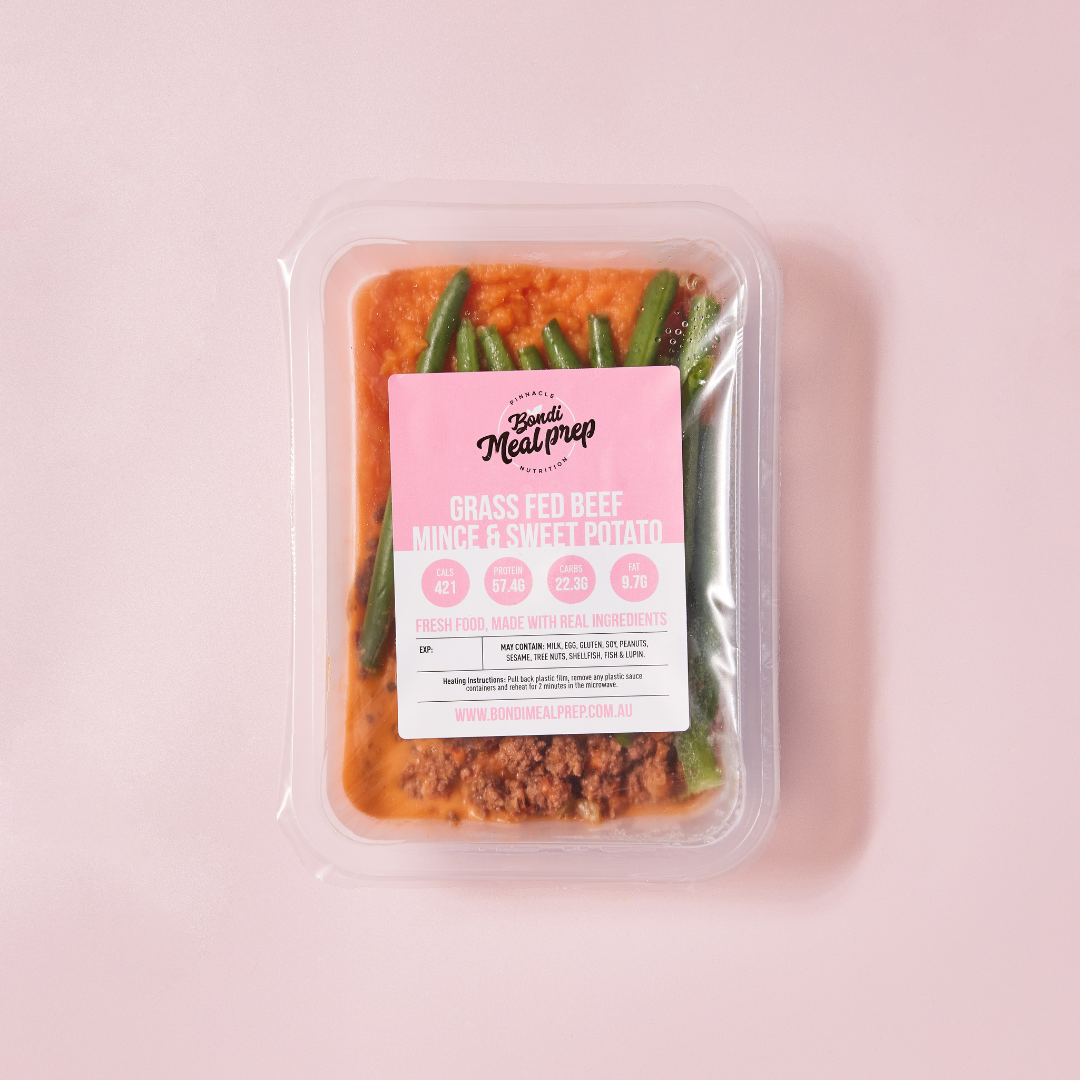
Grass-Fed Beef Mince & Sweet Potato
Grass-fed beef mince with sweet potato mash and fresh steamed seasonal vegetables.

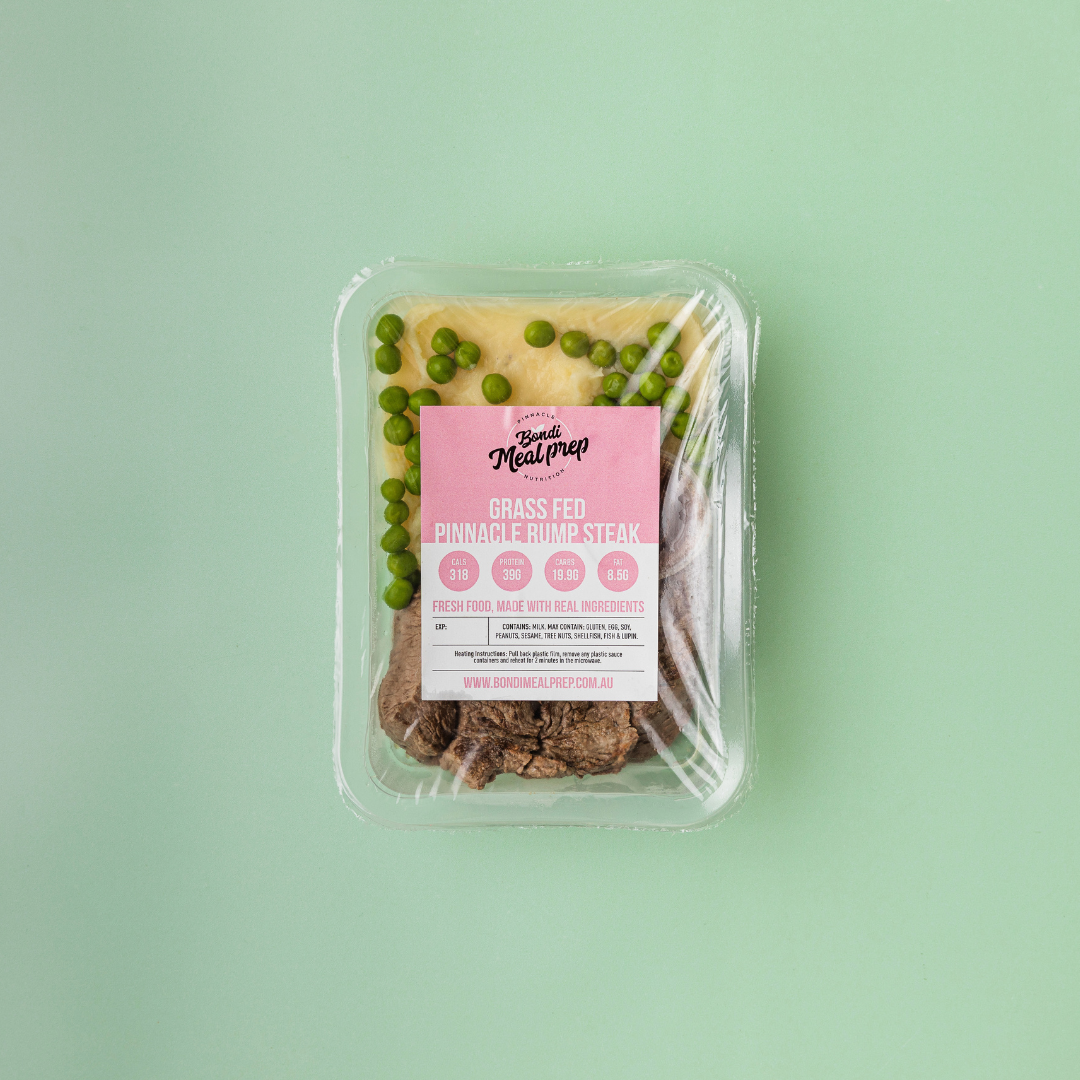
Grass Fed Pinnacle Rump Steak & Mash
Grass fed rump steak with creamy potato mash, peas and pepper gravy.

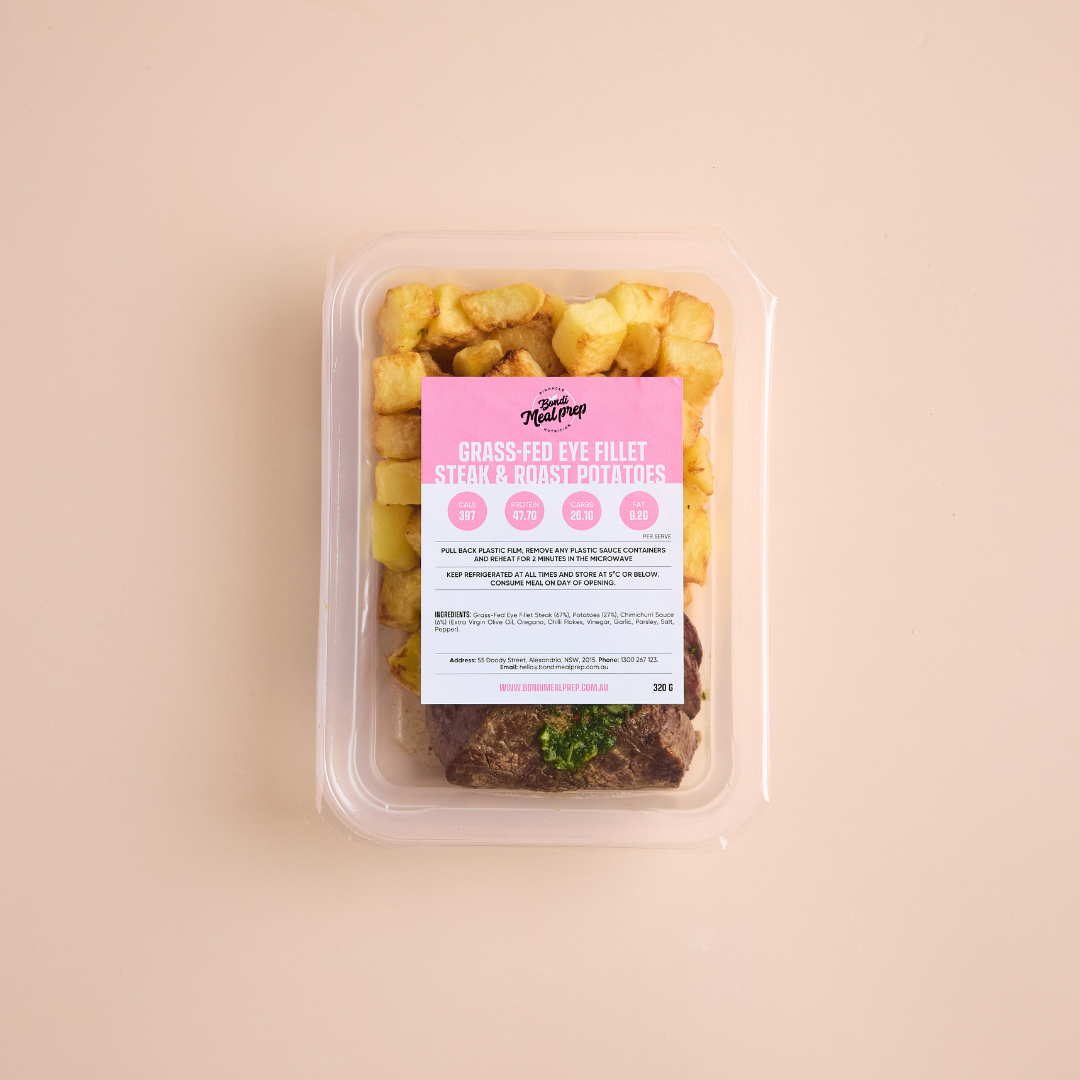
Grass-Fed Eye Fillet Steak & Roasted Potatoes
Tender grass-fed eye fillet steak, oven-roasted potatoes, and chimichurri sauce.

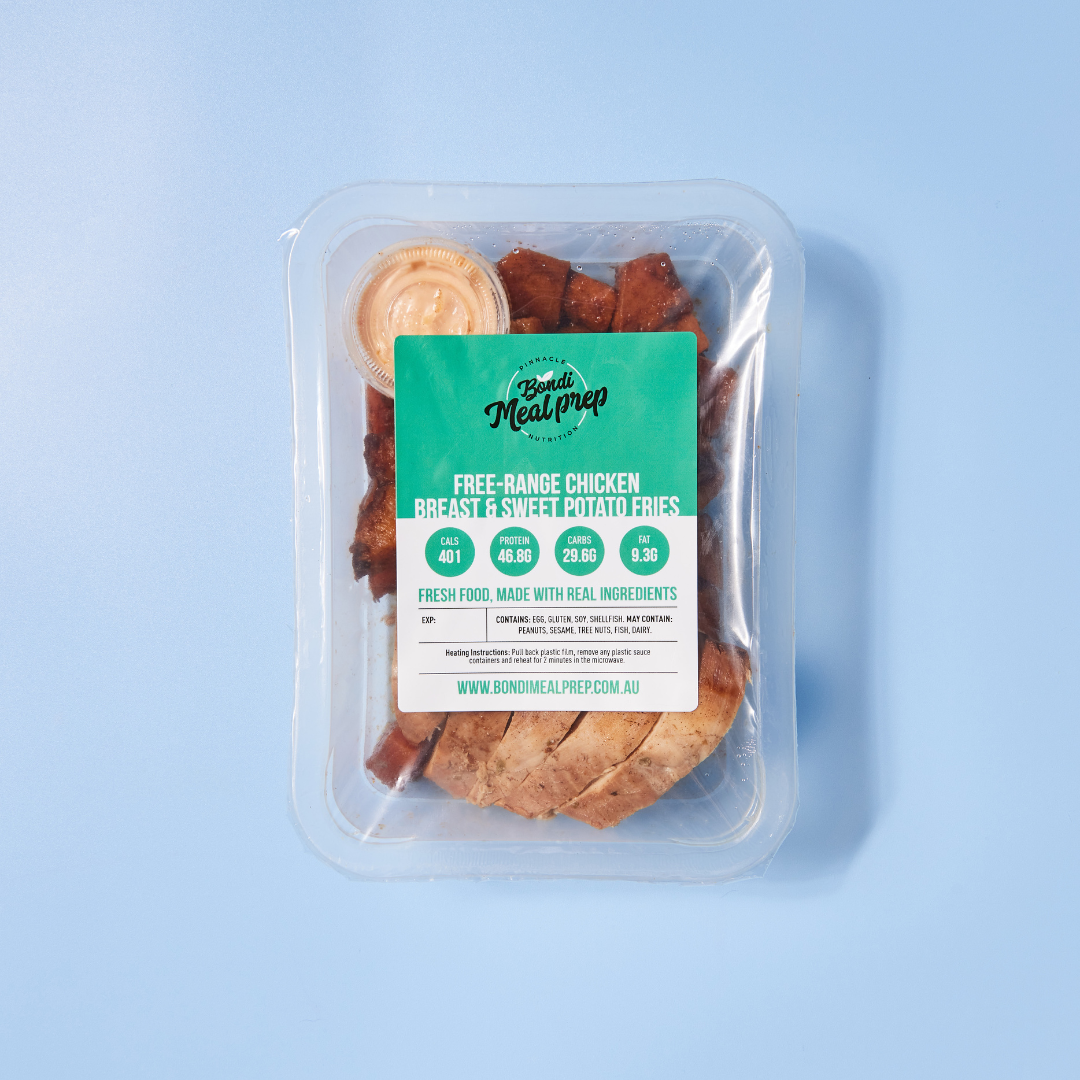
Free-Range Chicken Breast & Sweet Potato Cubes
Free-range chicken breast with roasted sweet potato cubes and a side of smokey chipotle mayo.

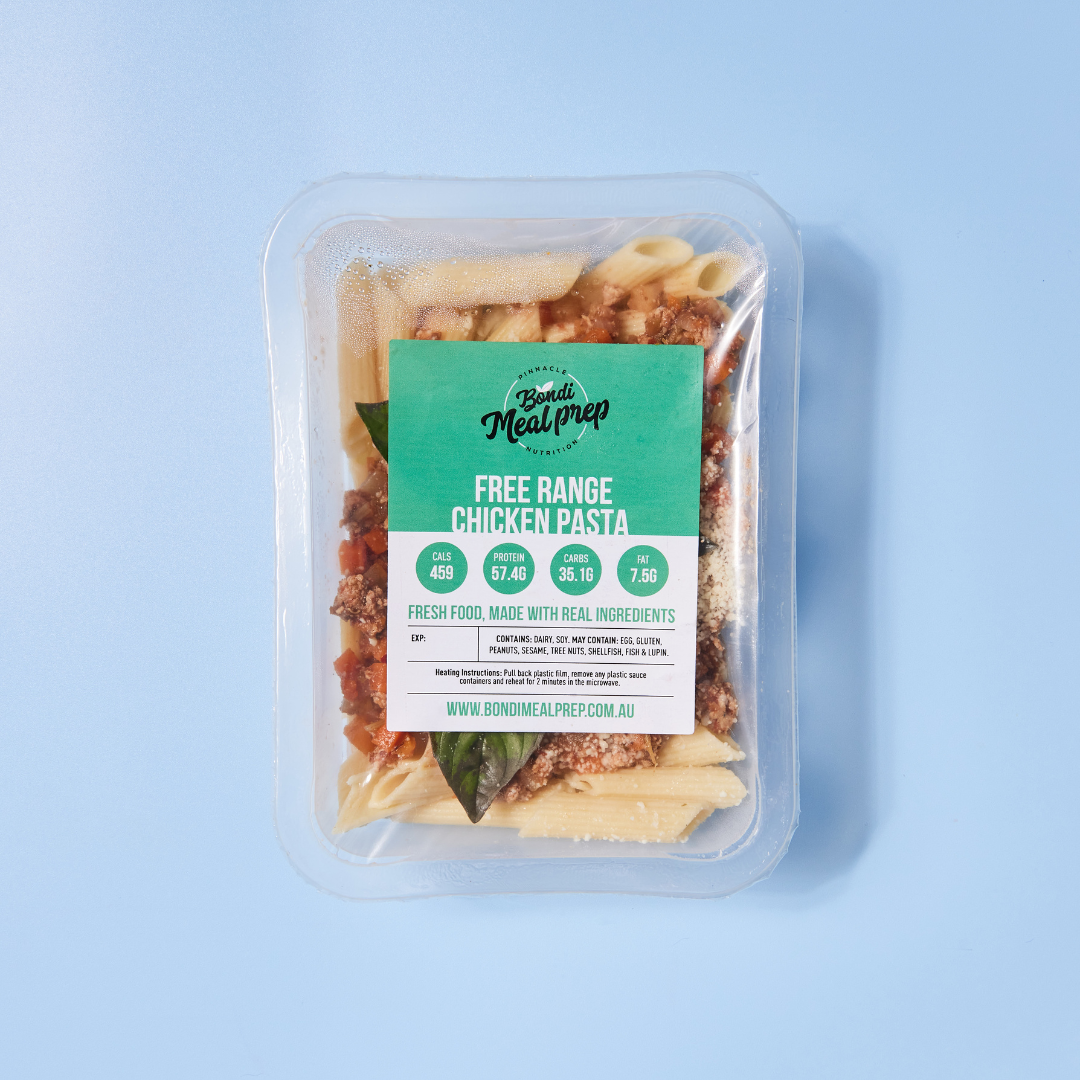
Free-Range Chicken Pasta
Lean chicken breast mince on a bed of gluten-free pasta, topped with parmesan and basil.


Asian Glazed Humpty Doo Barramundi - Keto
Humpty Doo Barramundi, coated in our house-made Asian BBQ glaze, with steamed seasonal Asian greens.

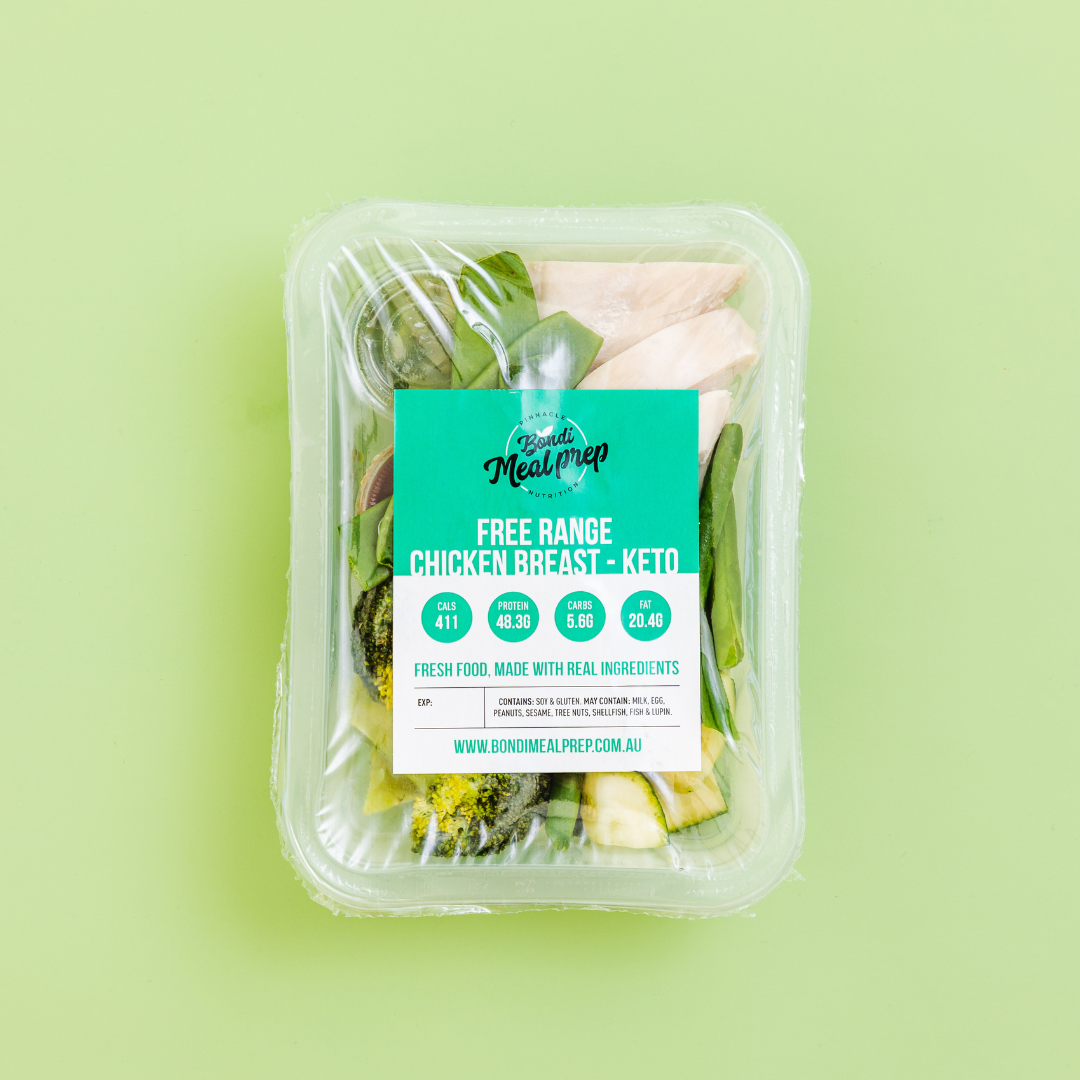
Free Range Chicken Breast - Keto
Free-range chicken breast with a serving of fresh steamed greens topped with shallots and chilli.

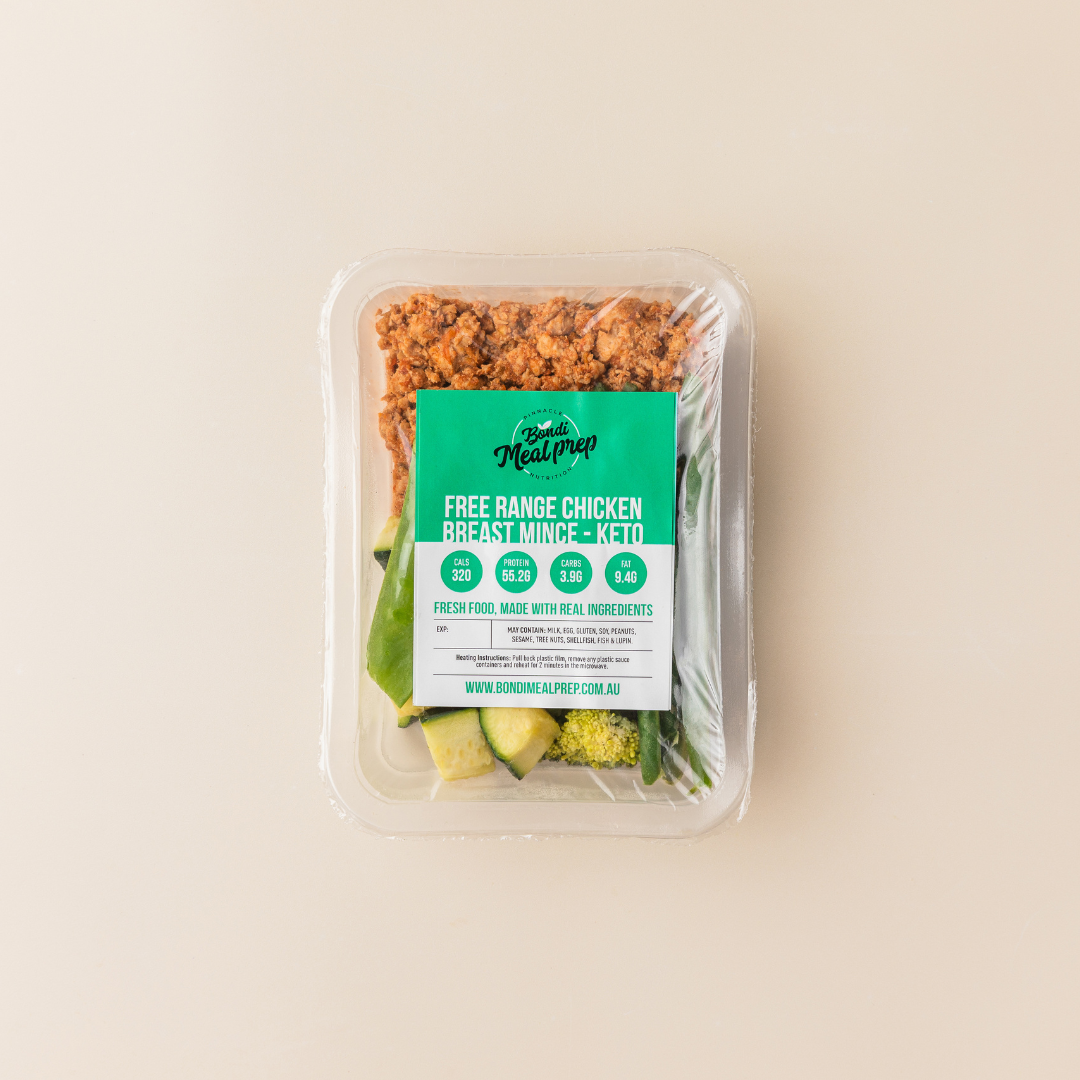
Free Range Chicken Breast Mince - Keto
Free-range chicken breast mince with a serving of fresh steamed seasonal vegetables.

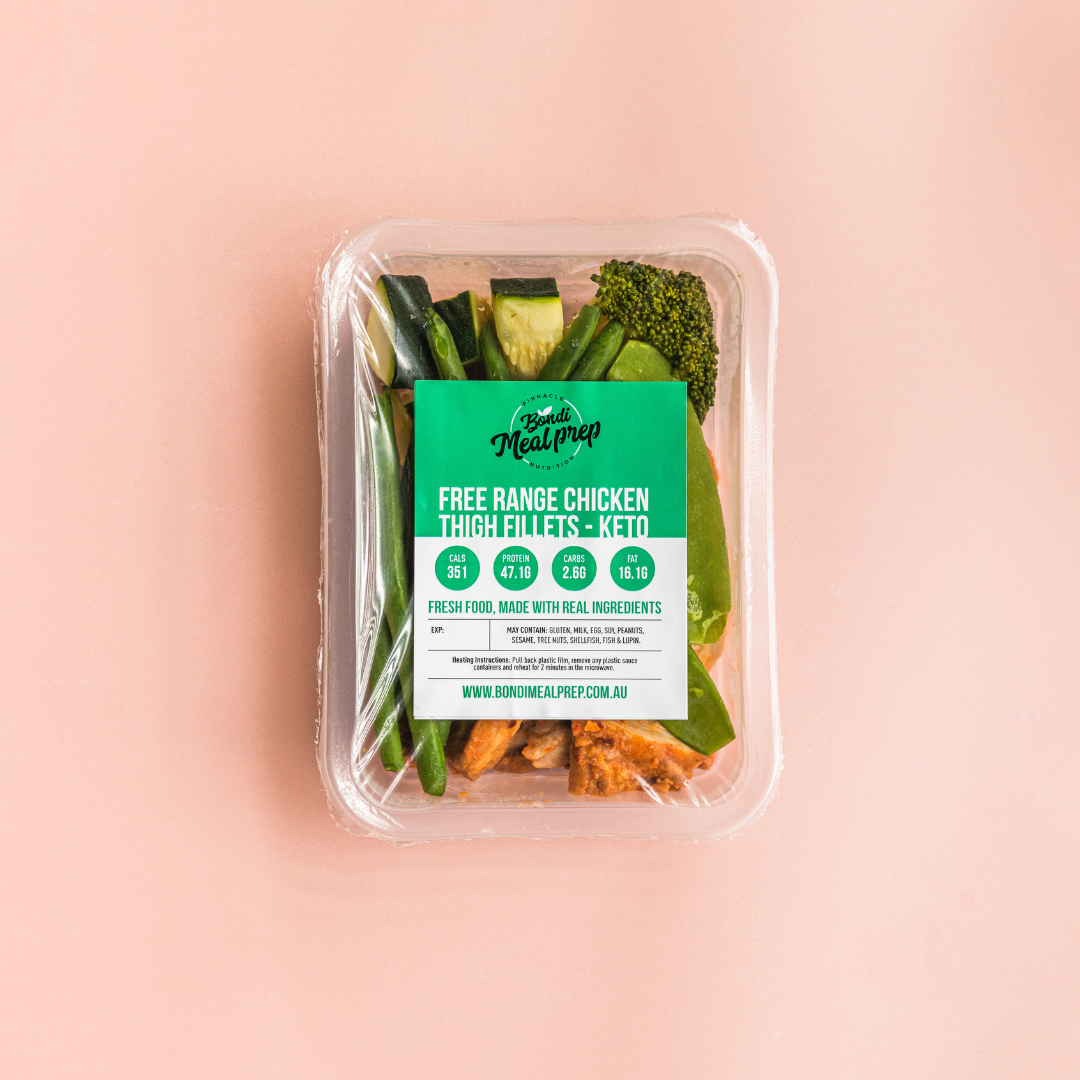
Free Range Chicken Thigh - Keto
Succulent free range chicken thigh fillets with a side of fresh steamed seasonal vegetables.

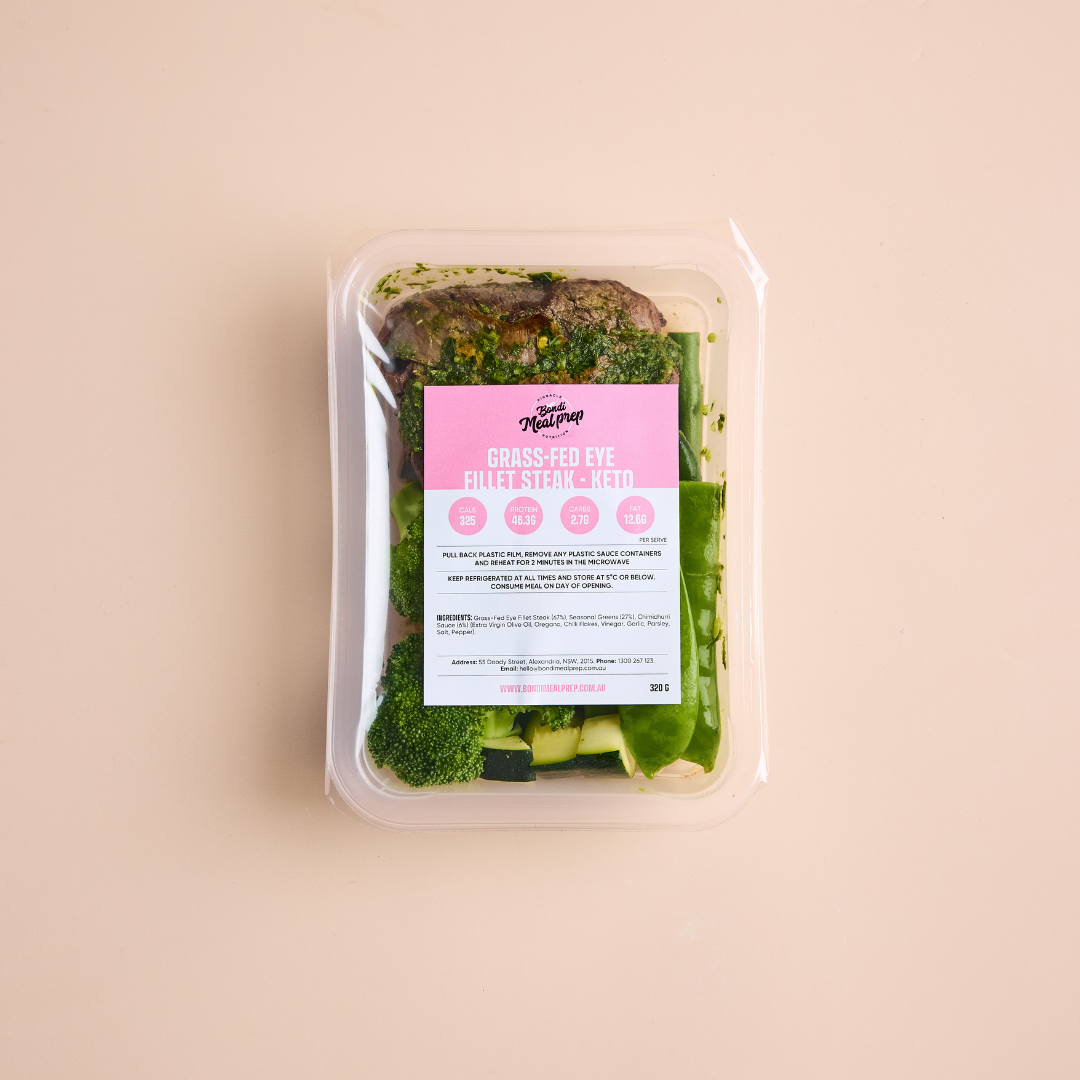
Grass Fed Eye Fillet Steak - Keto
Premium eye fillet steak, served with fresh steamed veggies and finished with our vibrant, chimichurri sauce.

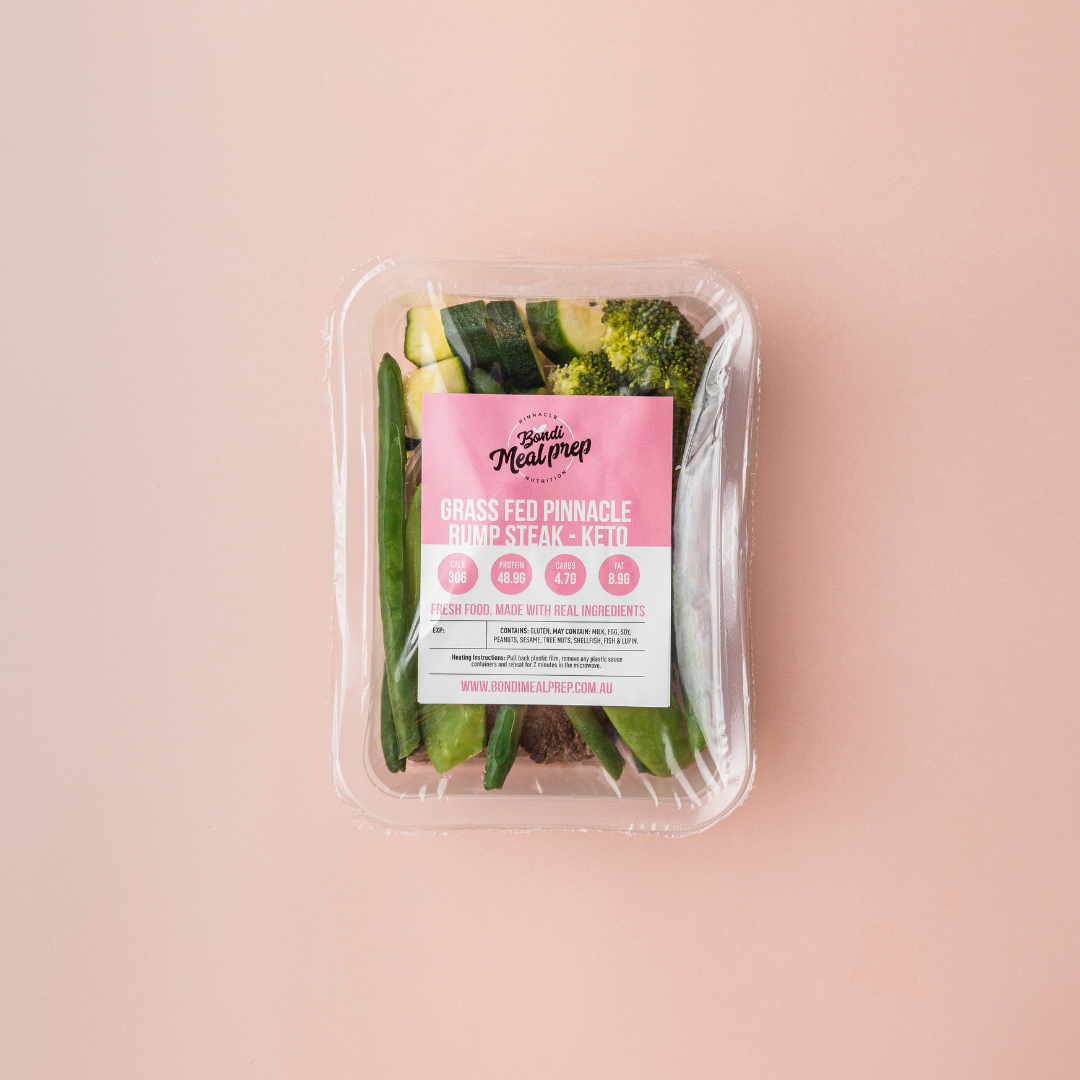
Grass Fed Pinnacle Rump Steak - Keto
Grass fed tender rump steak served with fresh steamed seasonal veggies and pepper gravy.

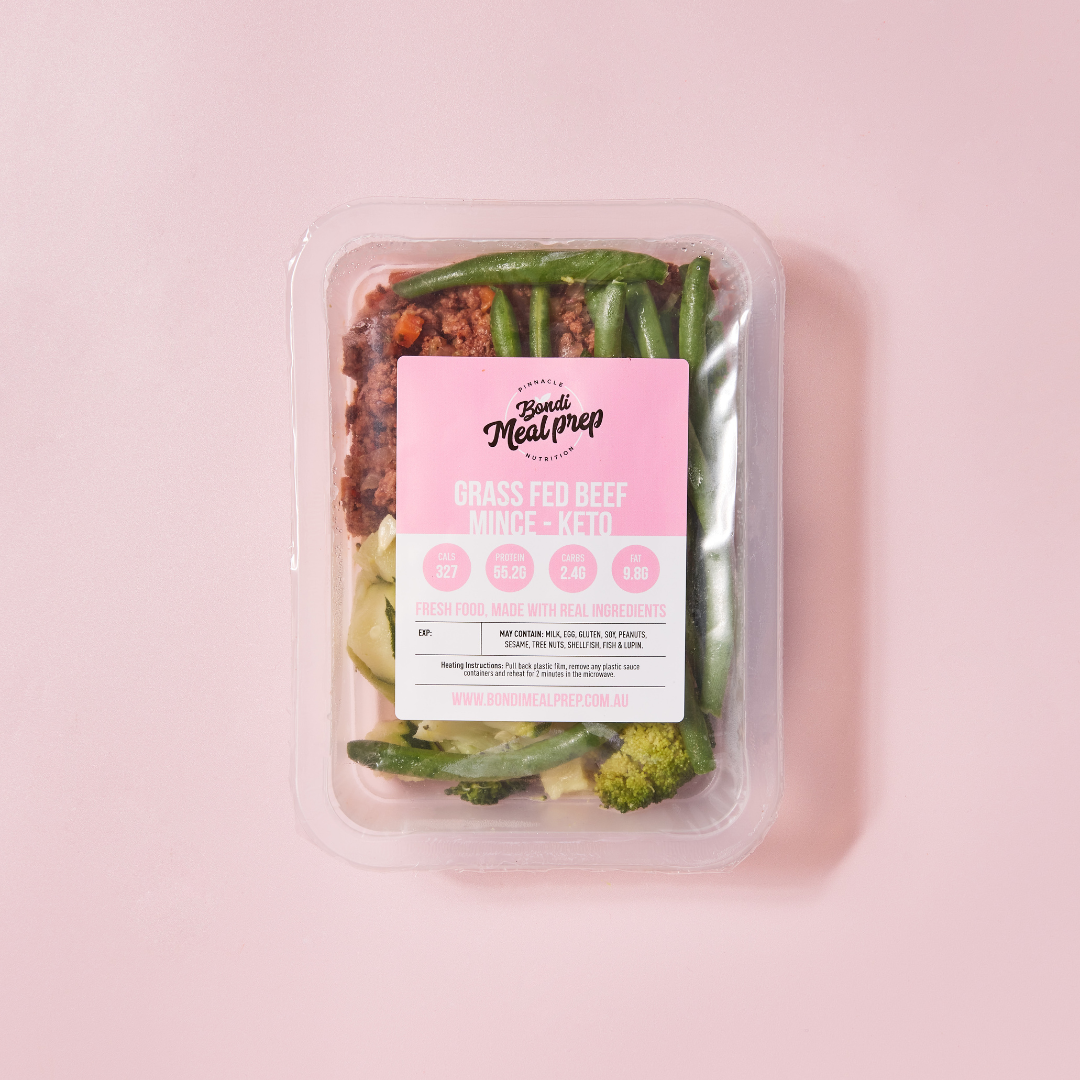
Grass-Fed Beef Mince - Keto
Ultra lean grass fed beef mince with serving of fresh steamed seasonal vegetables.

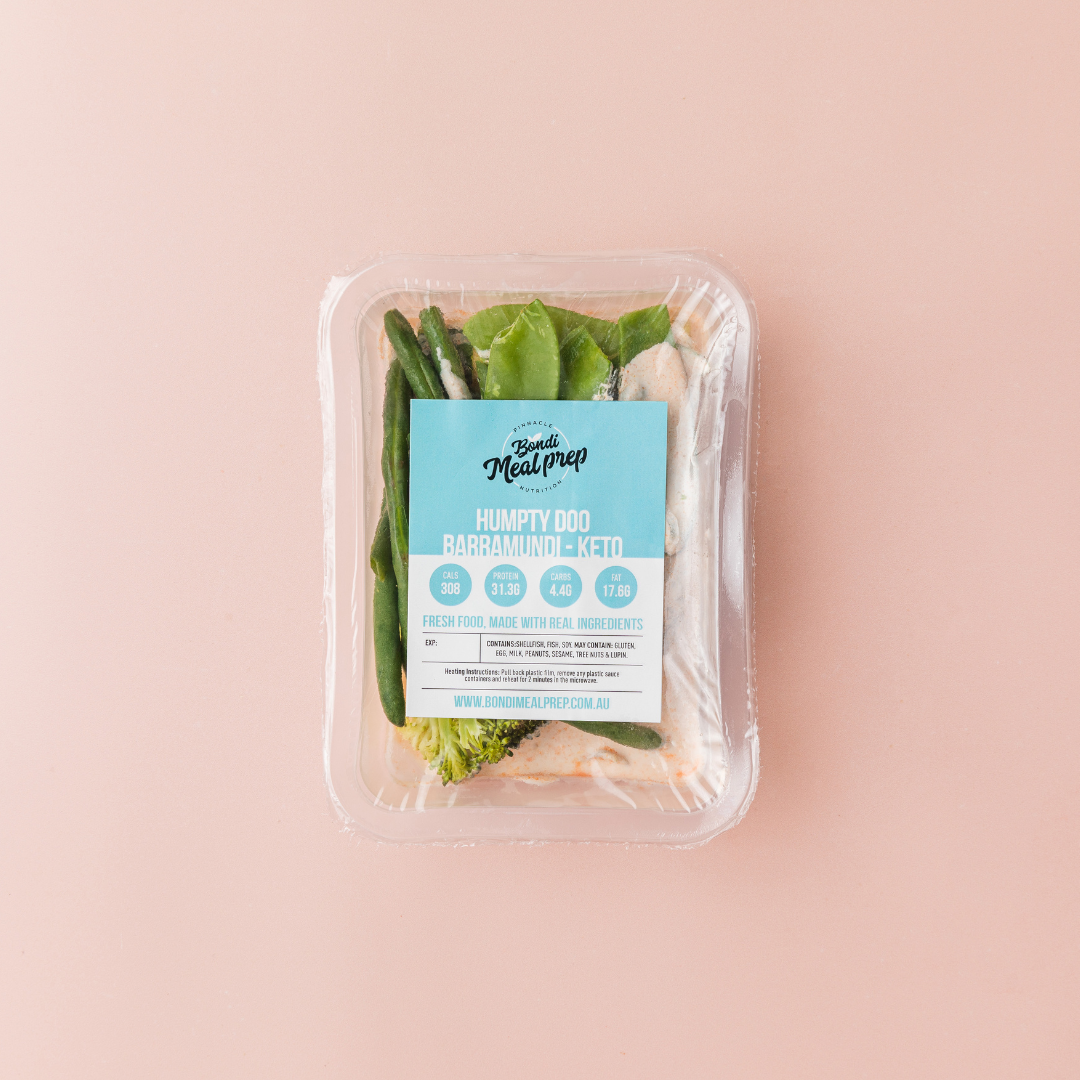
Humpty Doo Barramundi - Keto
Fresh Humpty Doo Barramundi, steamed seasonal greens with a mild red curry sauce.

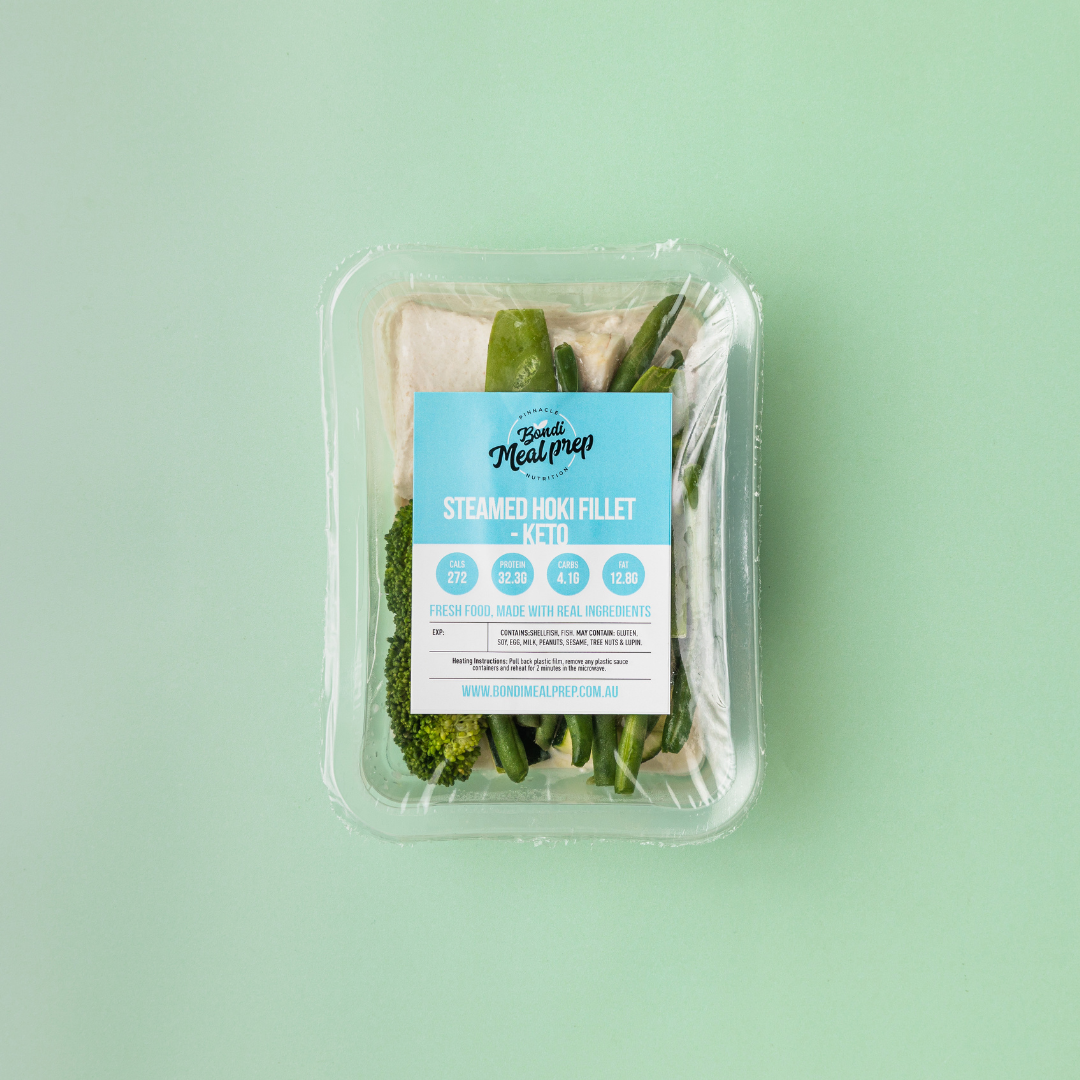
Steamed Hoki Fillet - Keto
Wild-caught steamed hoki fillets with a side of steamed greens and mild green curry sauce.

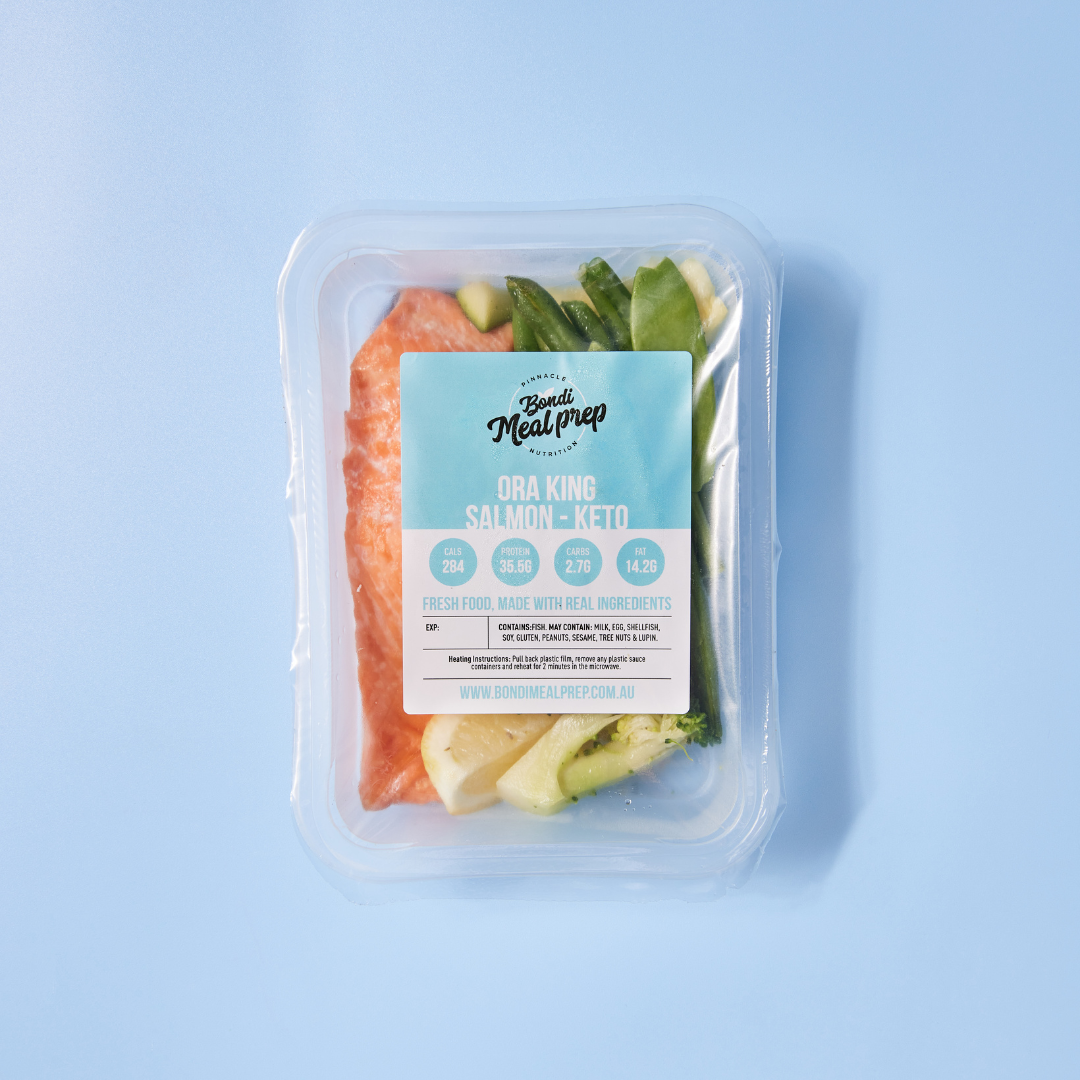
Ōra King Salmon - Keto
Fresh Ōra King salmon with a generous serving of steamed seasonal greens, and a lemon wedge.


Original Protein Health Ball
All-natural protein ball, free from gluten, dairy, soy, and added sugars. NB: $12 is the price for 3 protein balls.
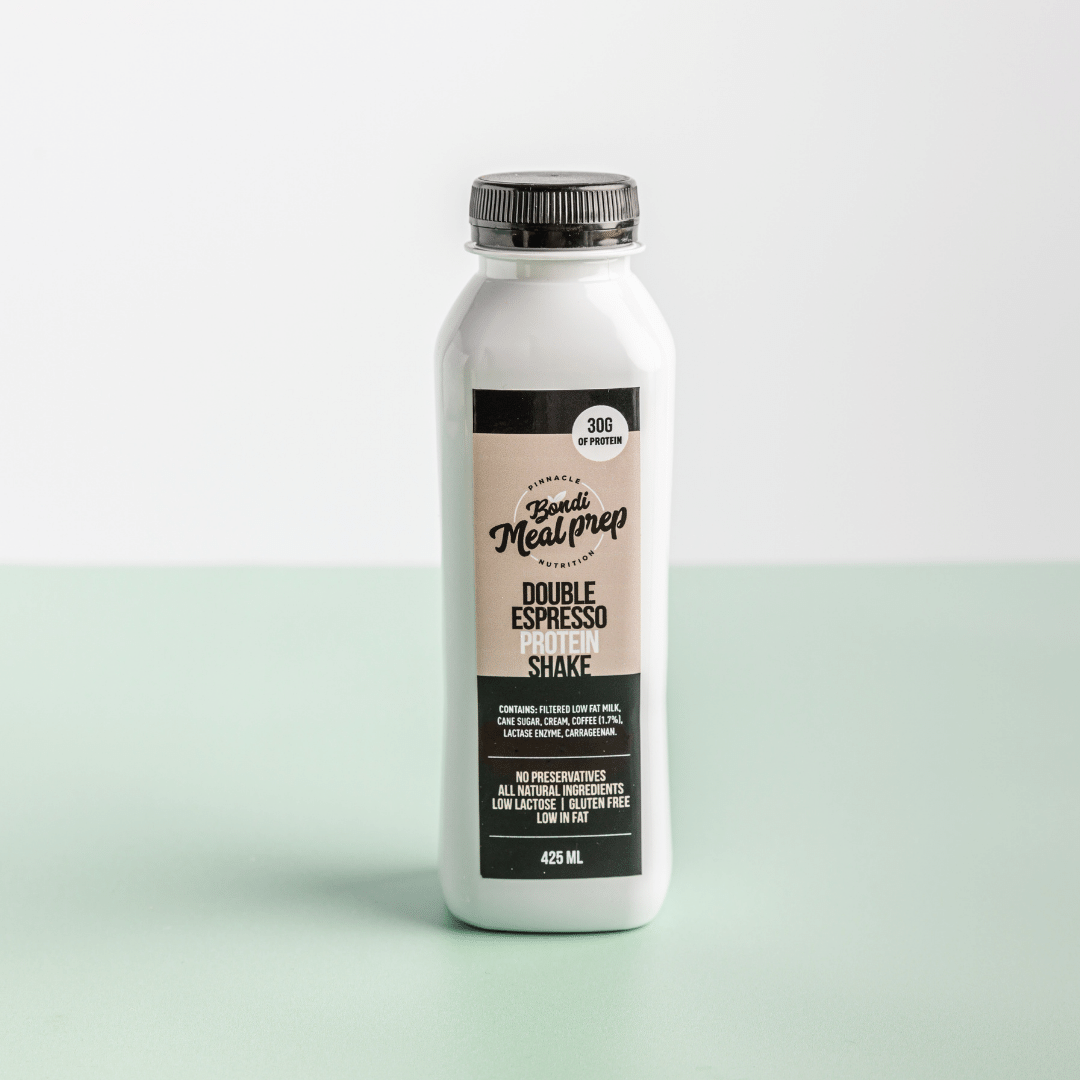
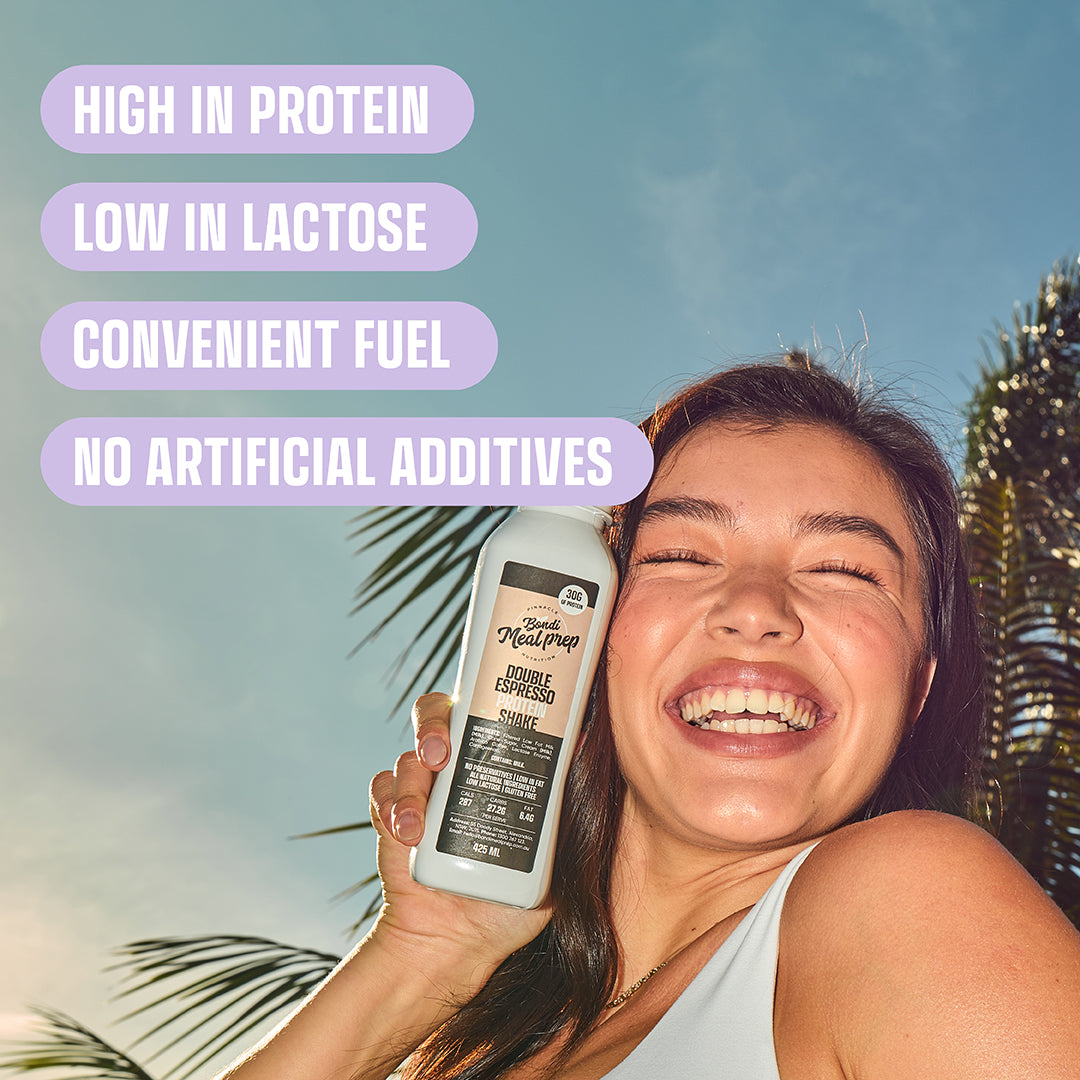
Double Espresso Protein Shake
Protein smoothie made from grass-fed milk that is high in protein and low in fat.
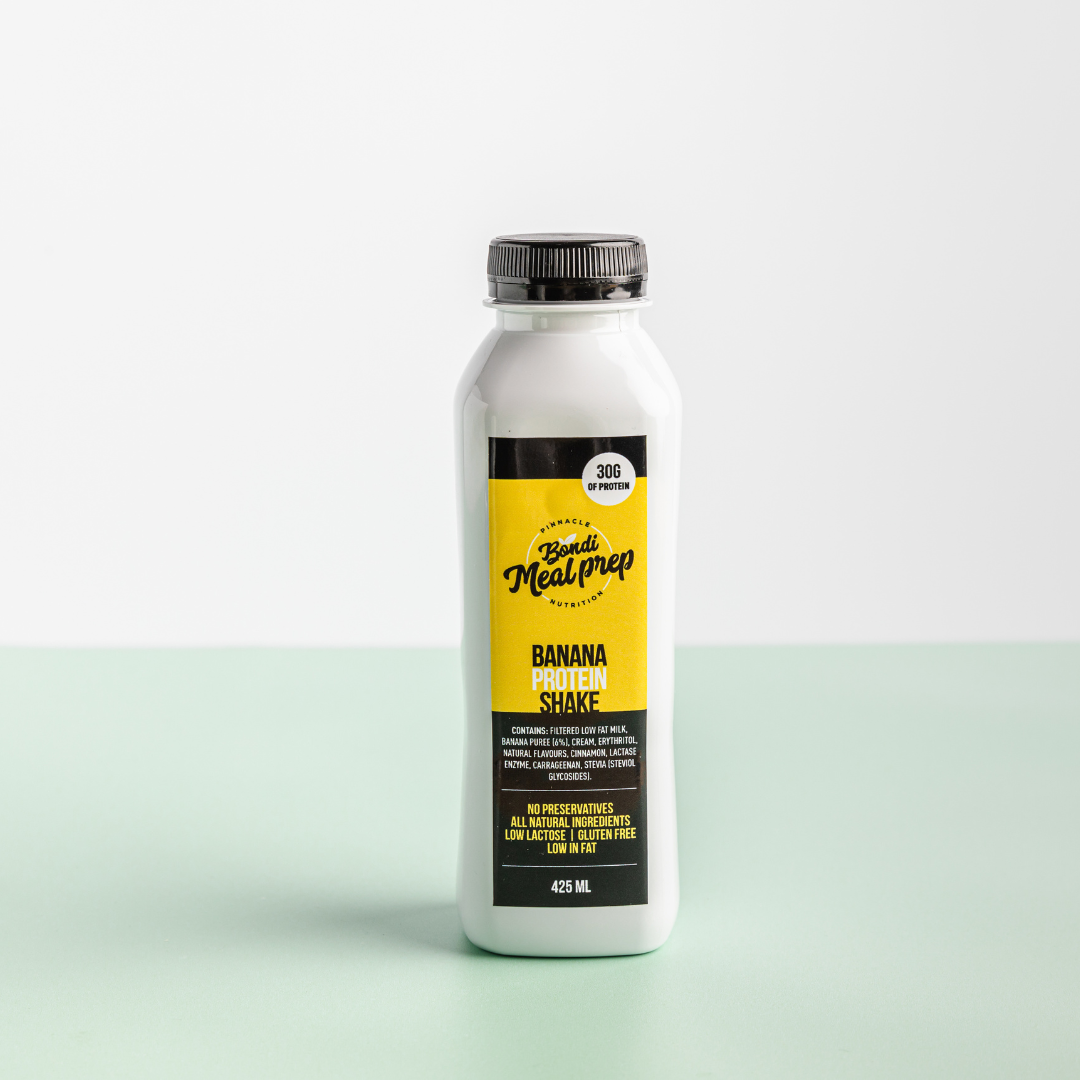
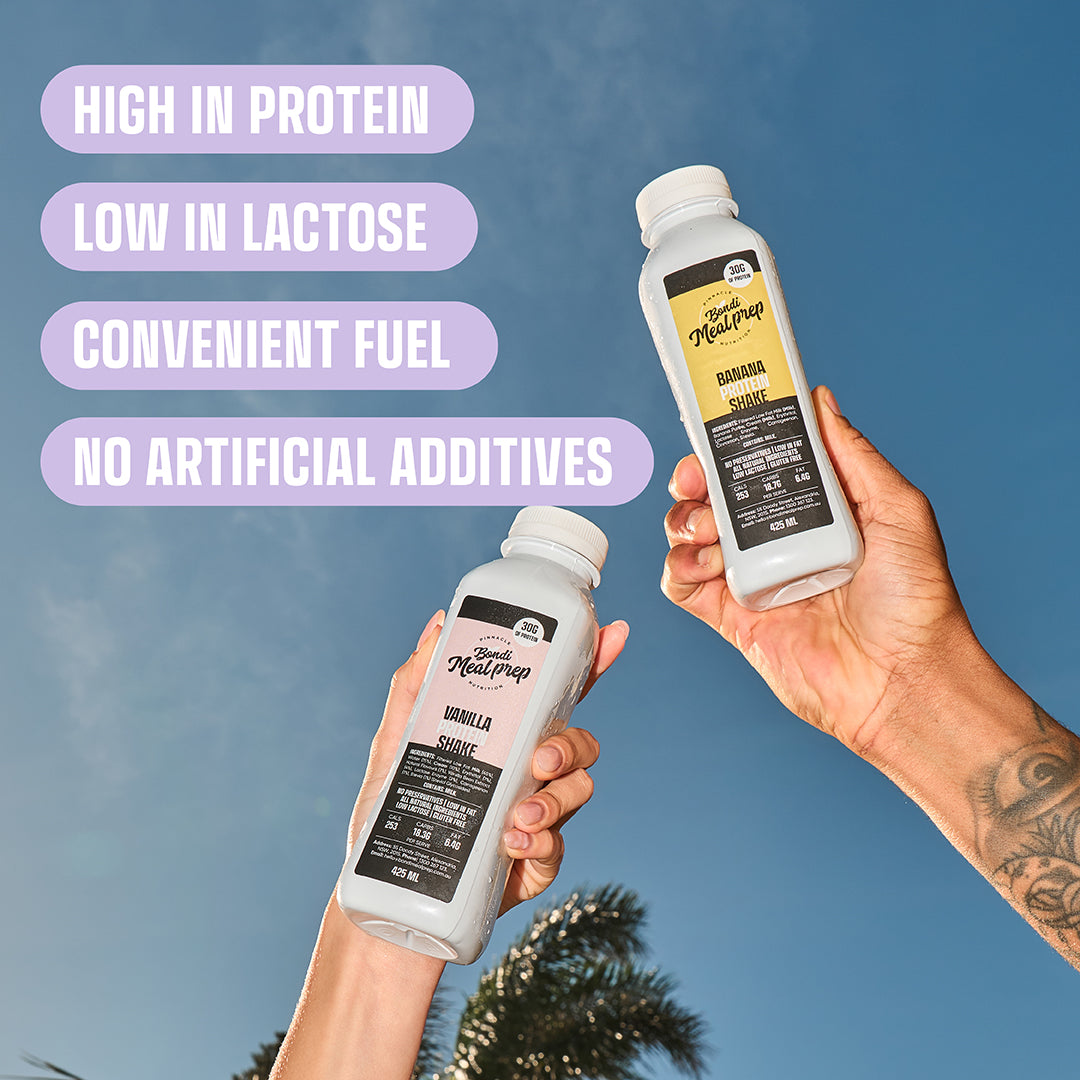
Banana Protein Shake
Protein smoothie made from grass-fed milk that is high in protein and low in fat.
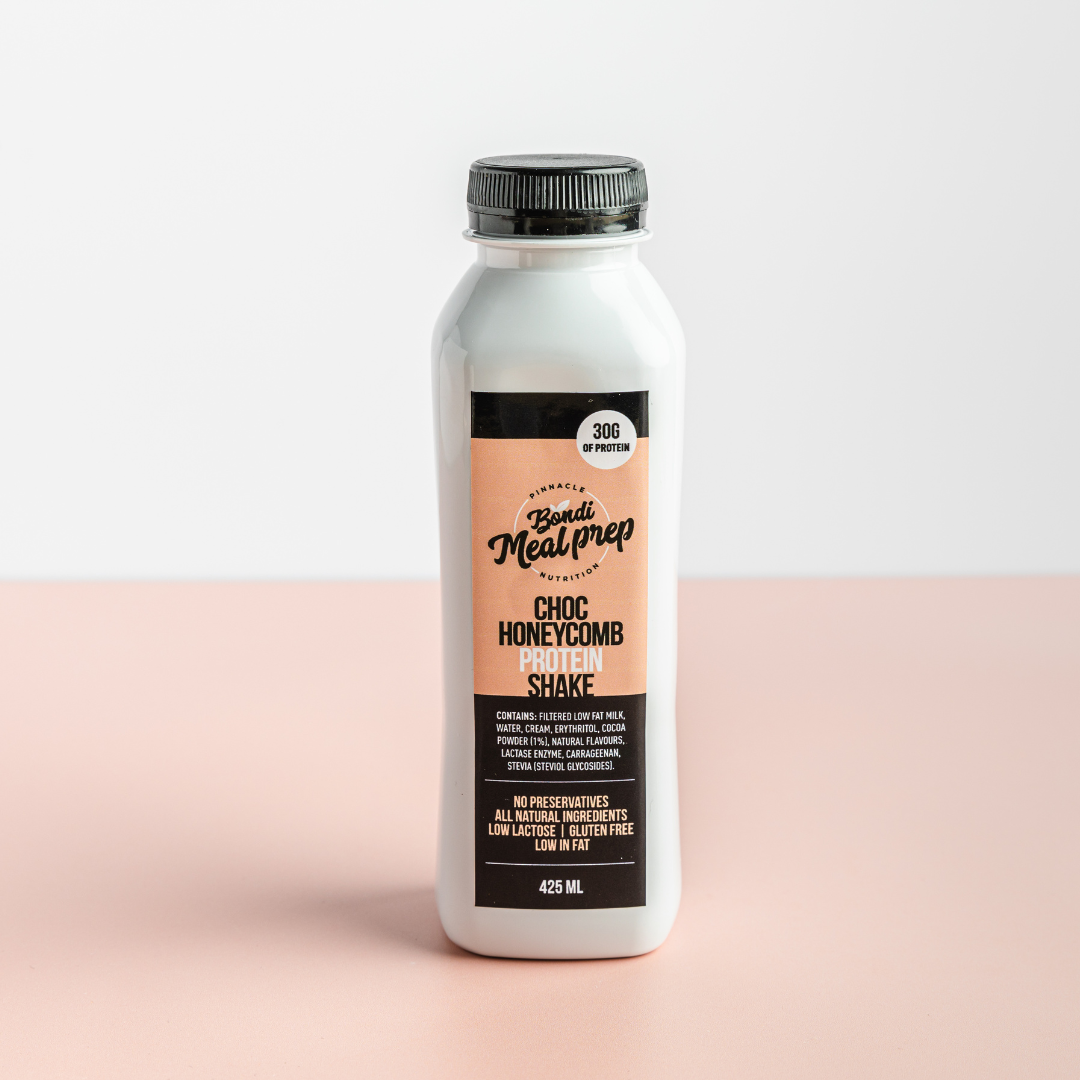
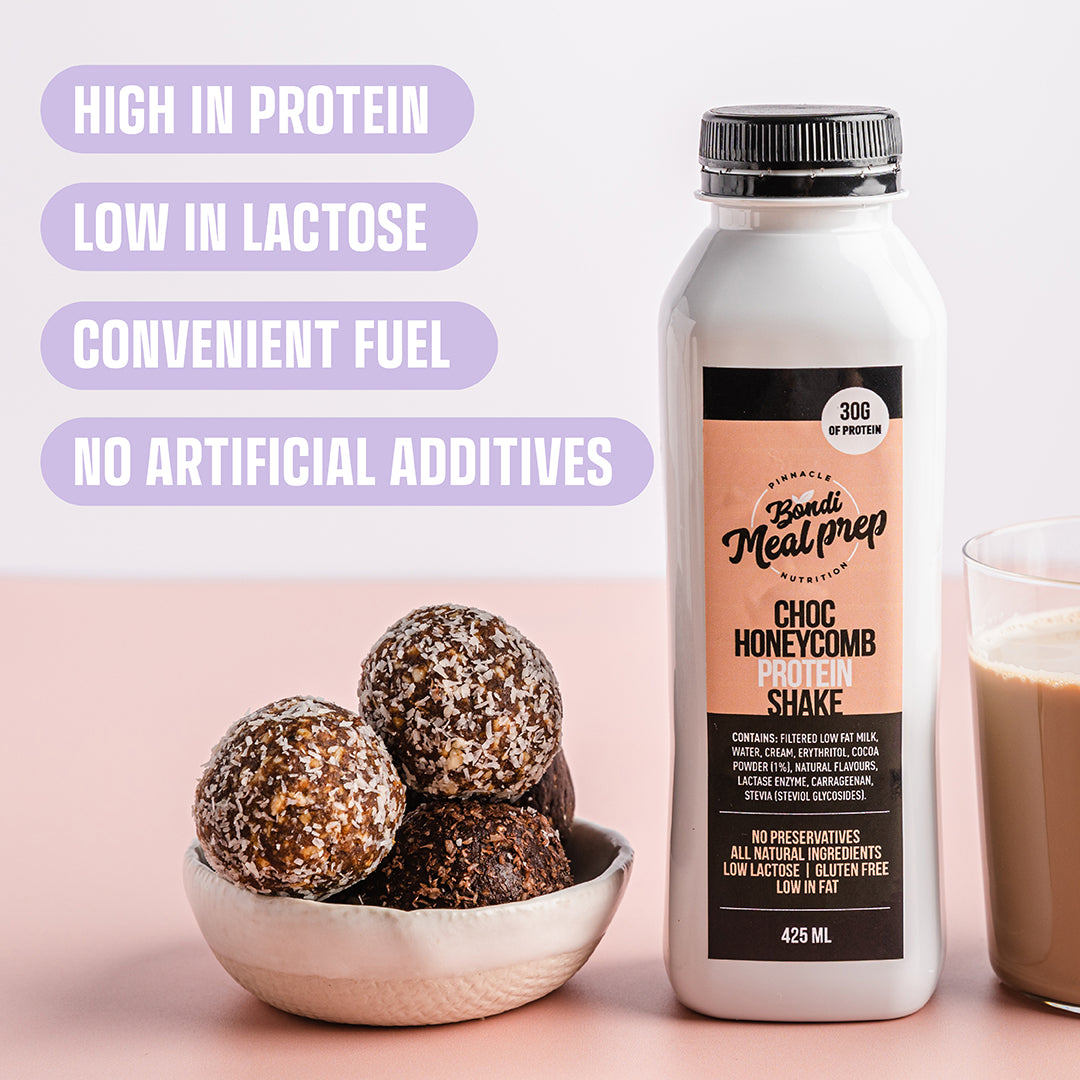
Choc Honeycomb Protein Shake
Protein smoothie made from grass-fed milk that is high in protein and low in fat.

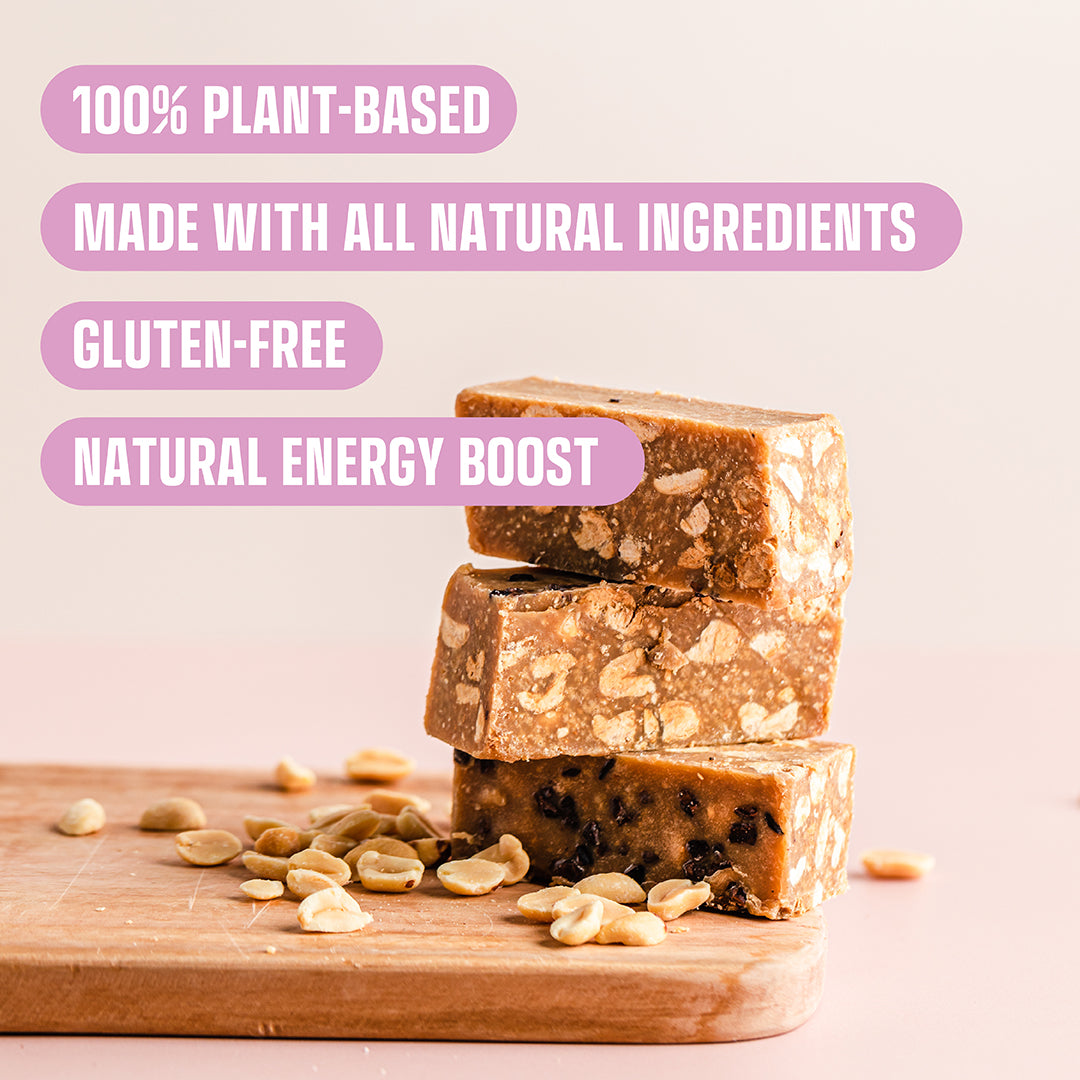
Vegan Peanut Butter Fudge Slice
Vegan peanut butter fudge slice that is butter-free, flour-free, and made with 100% natural ingredients. NB: $15 is the price for 3 slices.

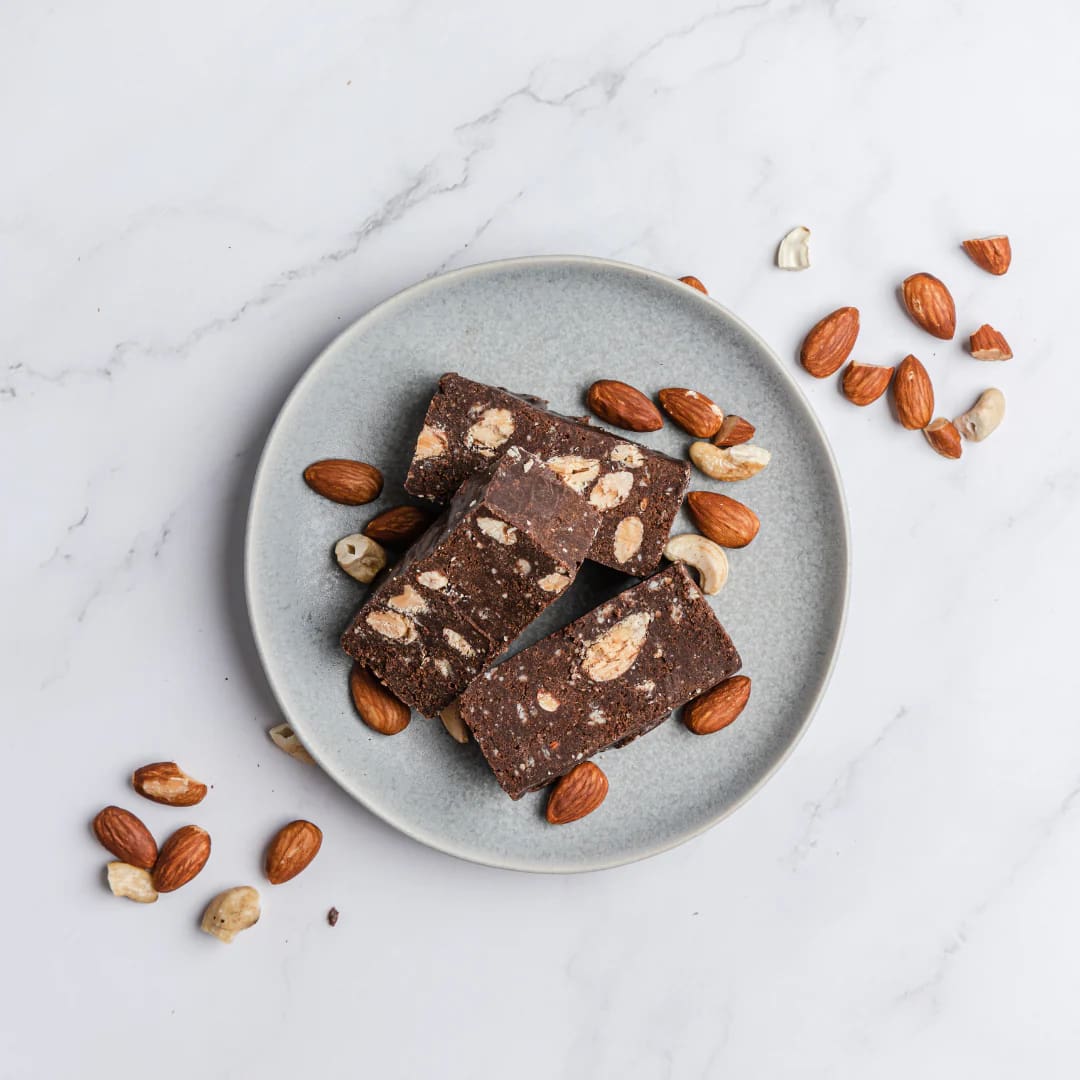
Vegan Choc Almond Fudge Slice
Vegan Choc-Almond Fudge Slice that is butter-free, flour-free, and made with 100% natural goodness. NB: $15 is the price for 3 slices.

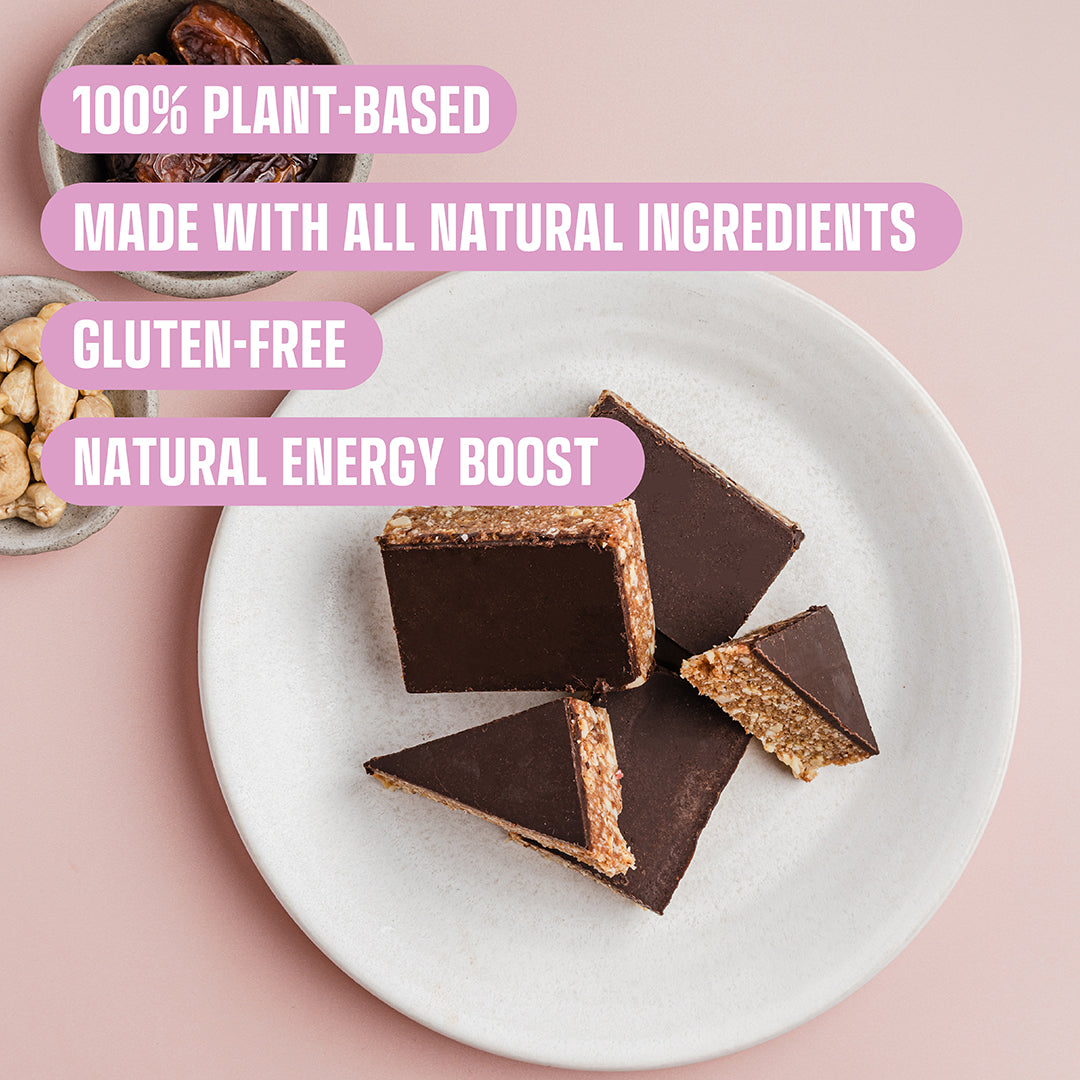
Vegan Salted Caramel Slice
Vegan Salted Caramel Slice that is raw, butter-free, flour-free and made entirely with 100% natural ingredients. NB: $15 is the price for 3 slices.
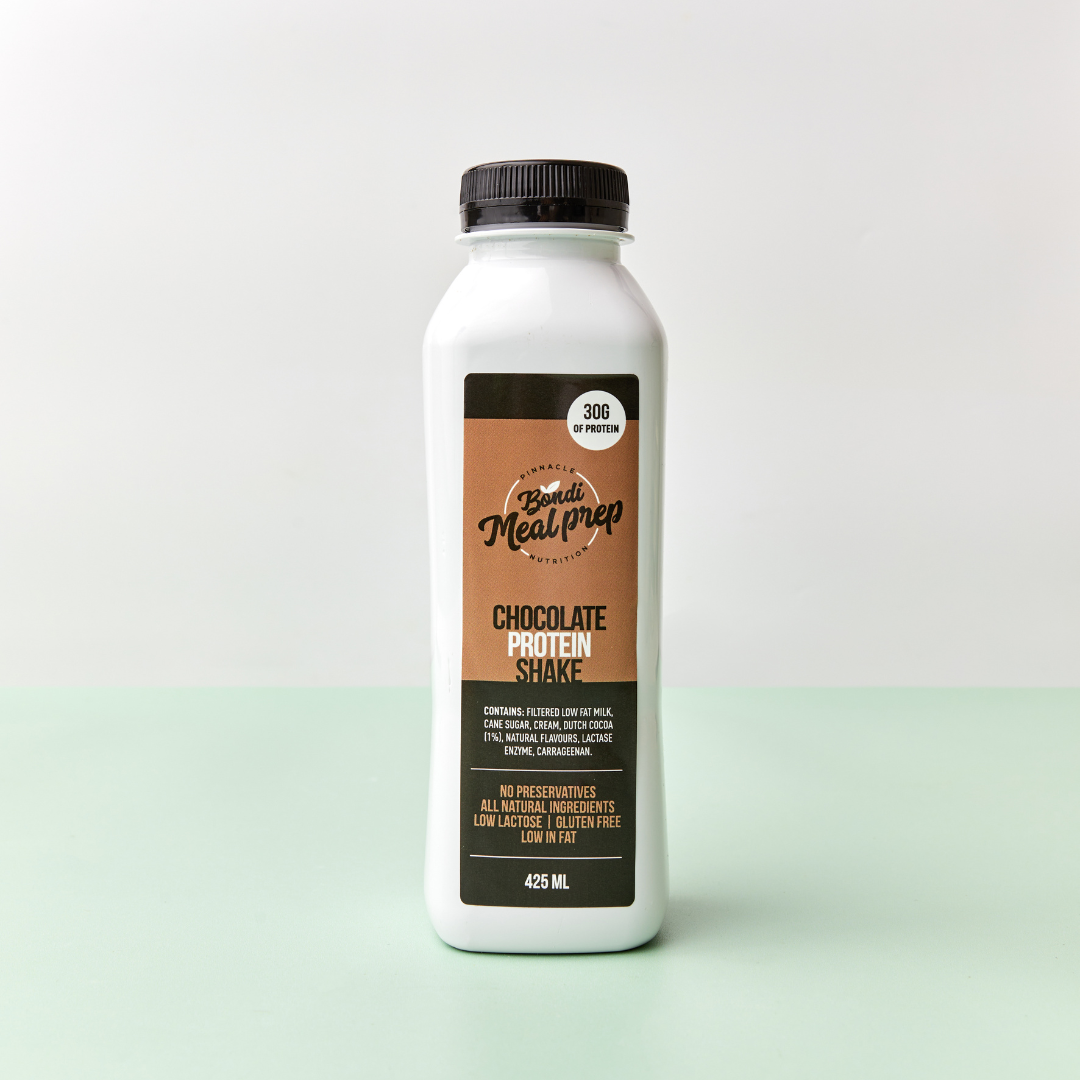
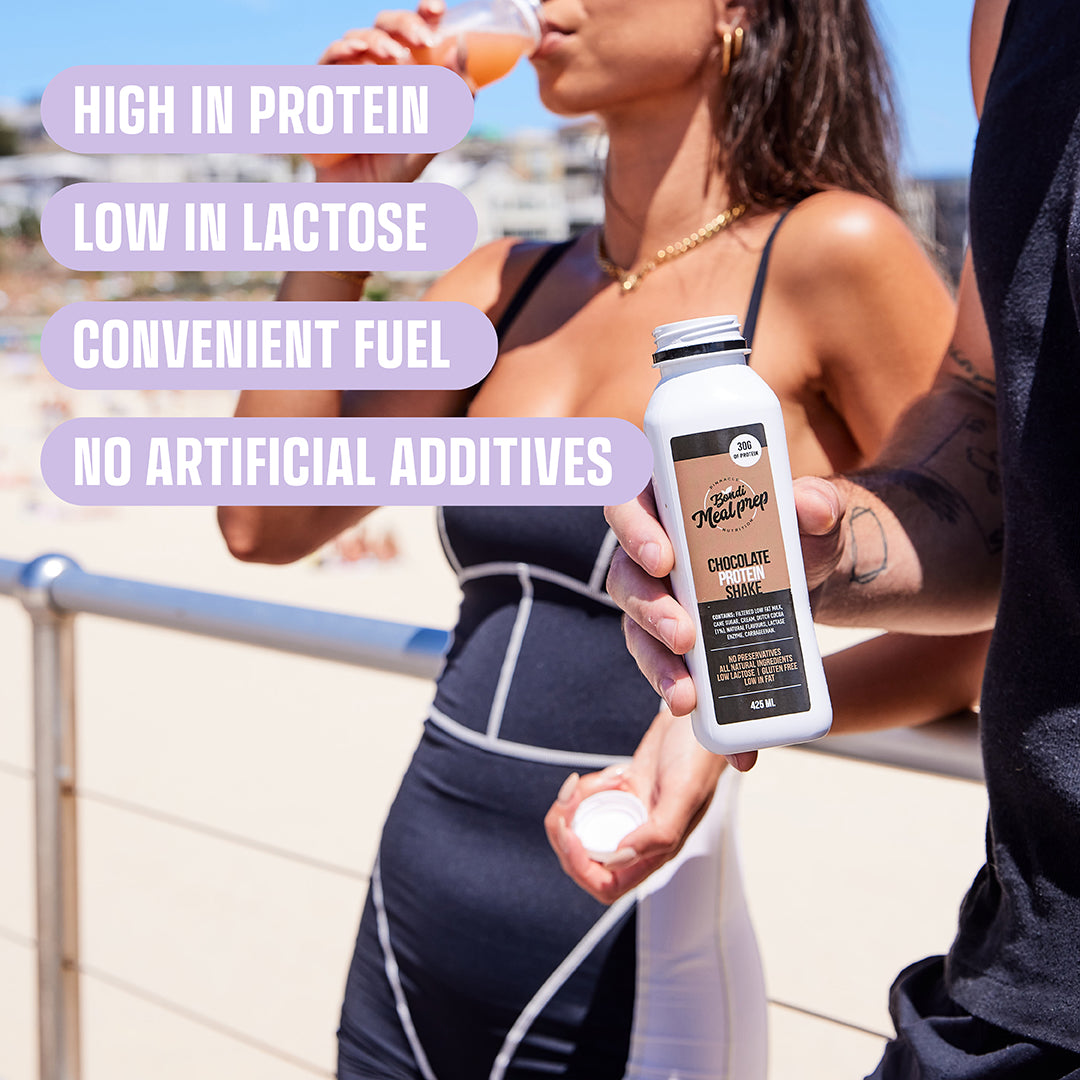
Chocolate Protein Shake
Protein smoothie made from grass-fed milk that is high in protein and low in fat.
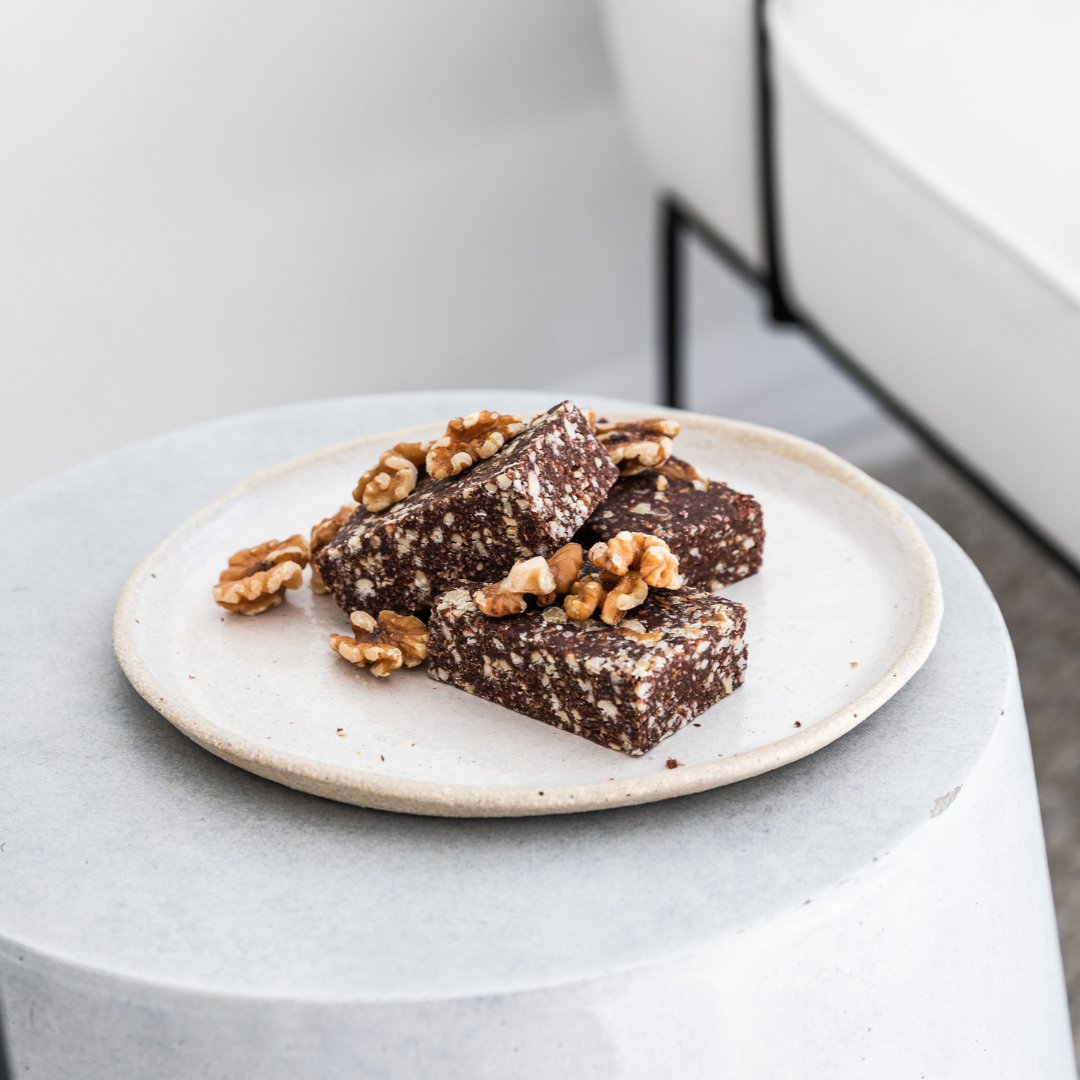
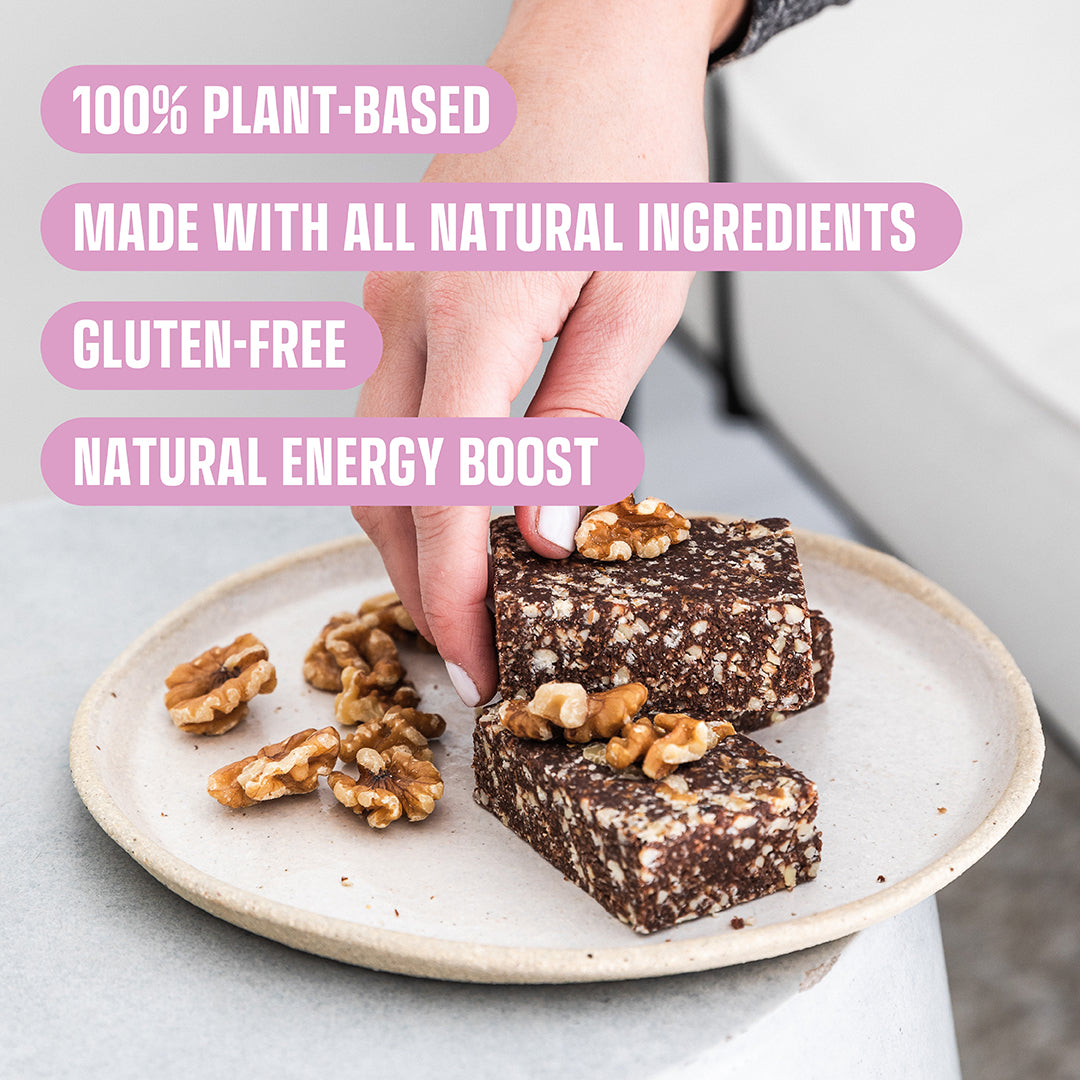
Vegan Choc Walnut Brownie
Vegan Choc Walnut Brownie that is butter-free, flour-free, and made with 100% natural ingredients. NB: $15 is the price for 3 slices.

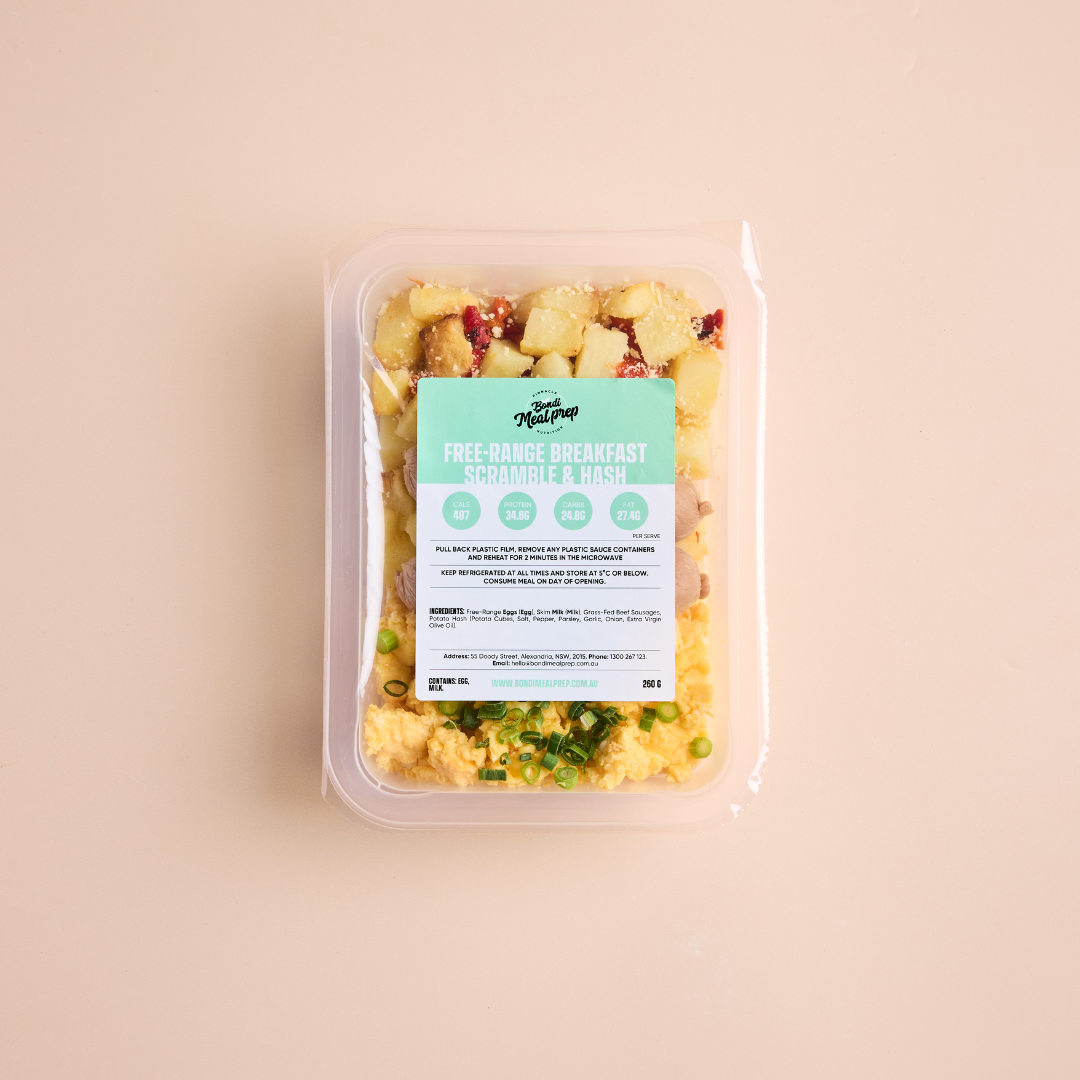
Free-Range Egg Scramble & Hash
Free-range scrambled eggs with a side potato hash, and juicy grass-fed beef sausages.


Grass-Fed Lamb & Broccoli Rice
Grass-fed lamb served with broccoli rice and a side of roasted seasonal vegetables.
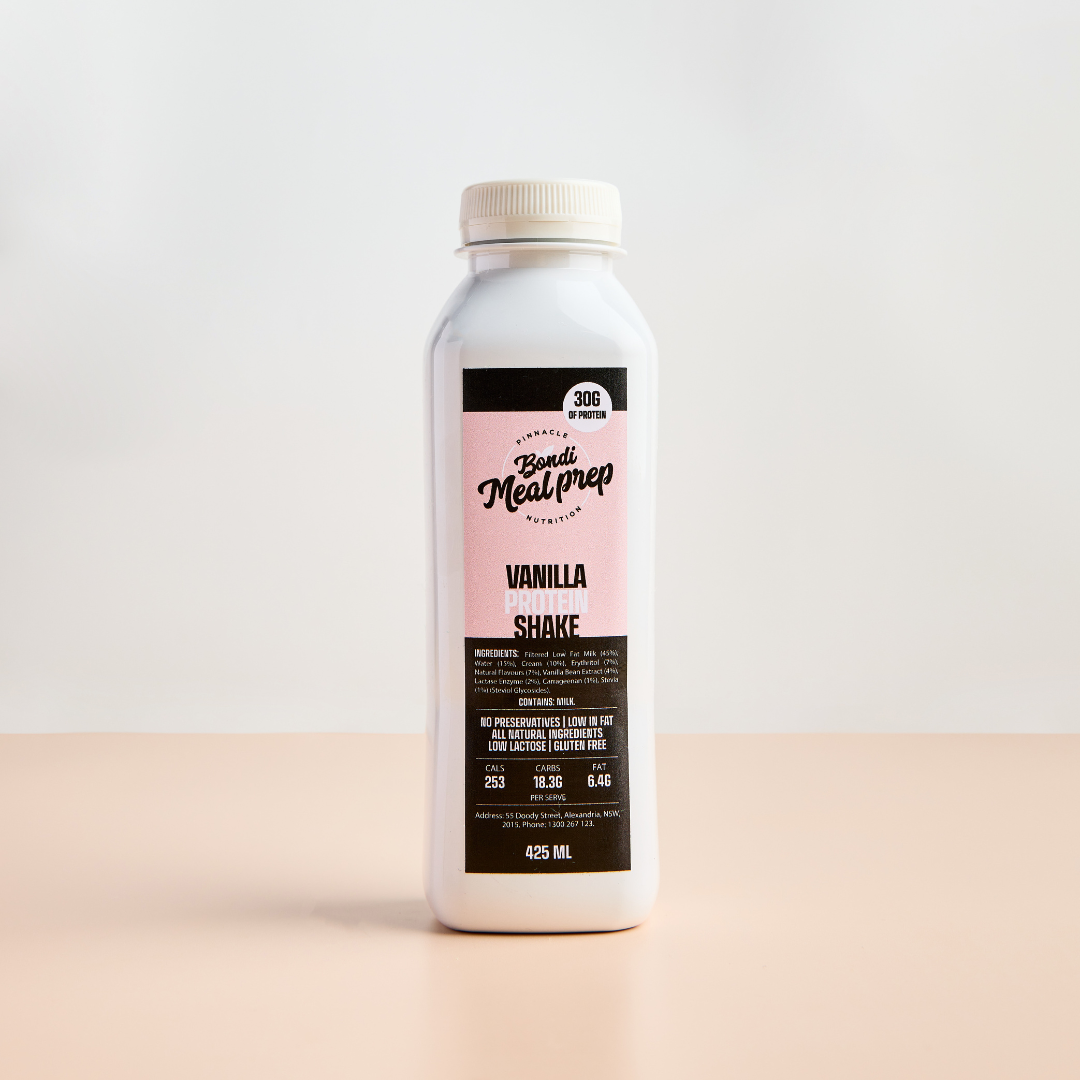
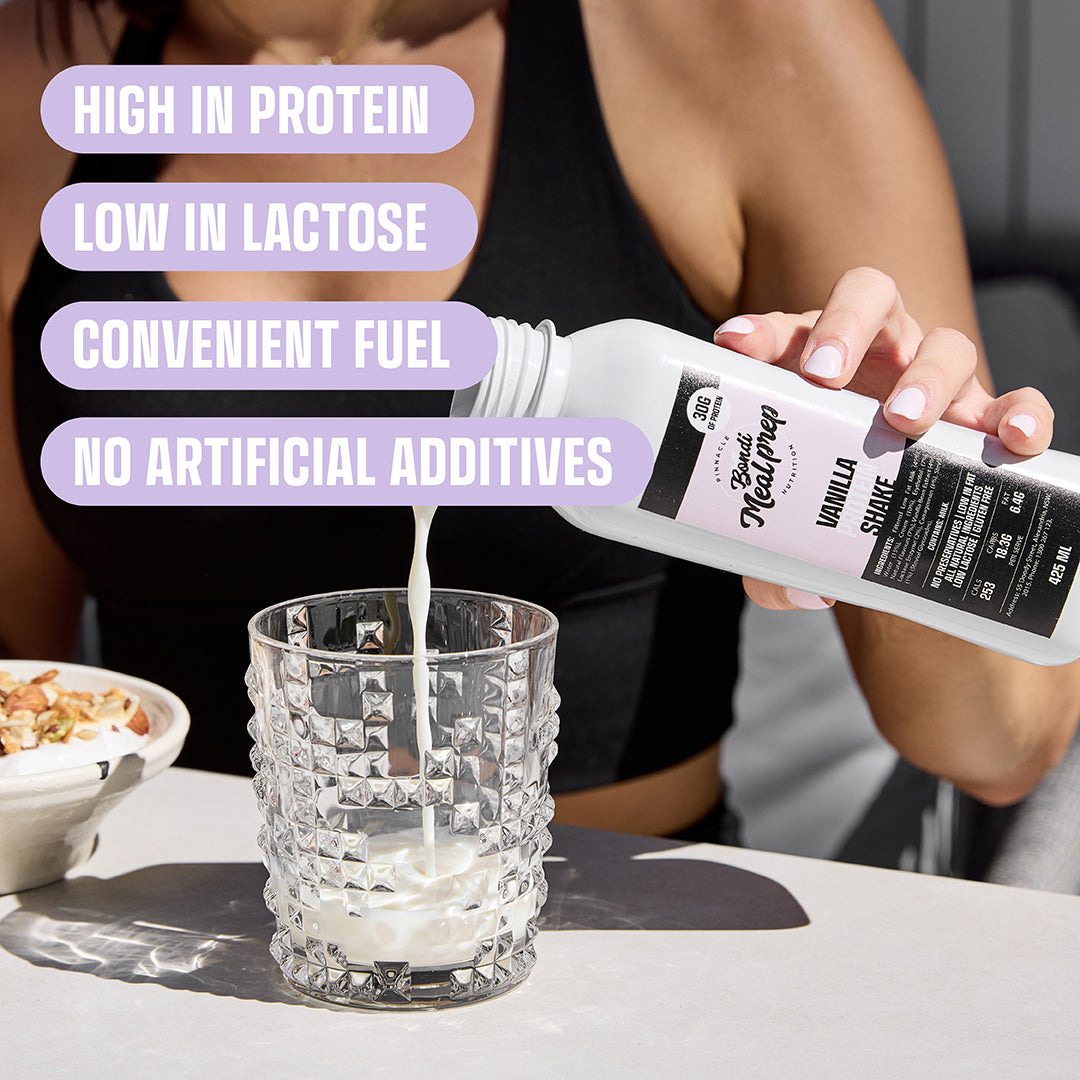
Vanilla Protein Shake
Protein smoothie made from grass-fed milk that is high in protein and low in fat.

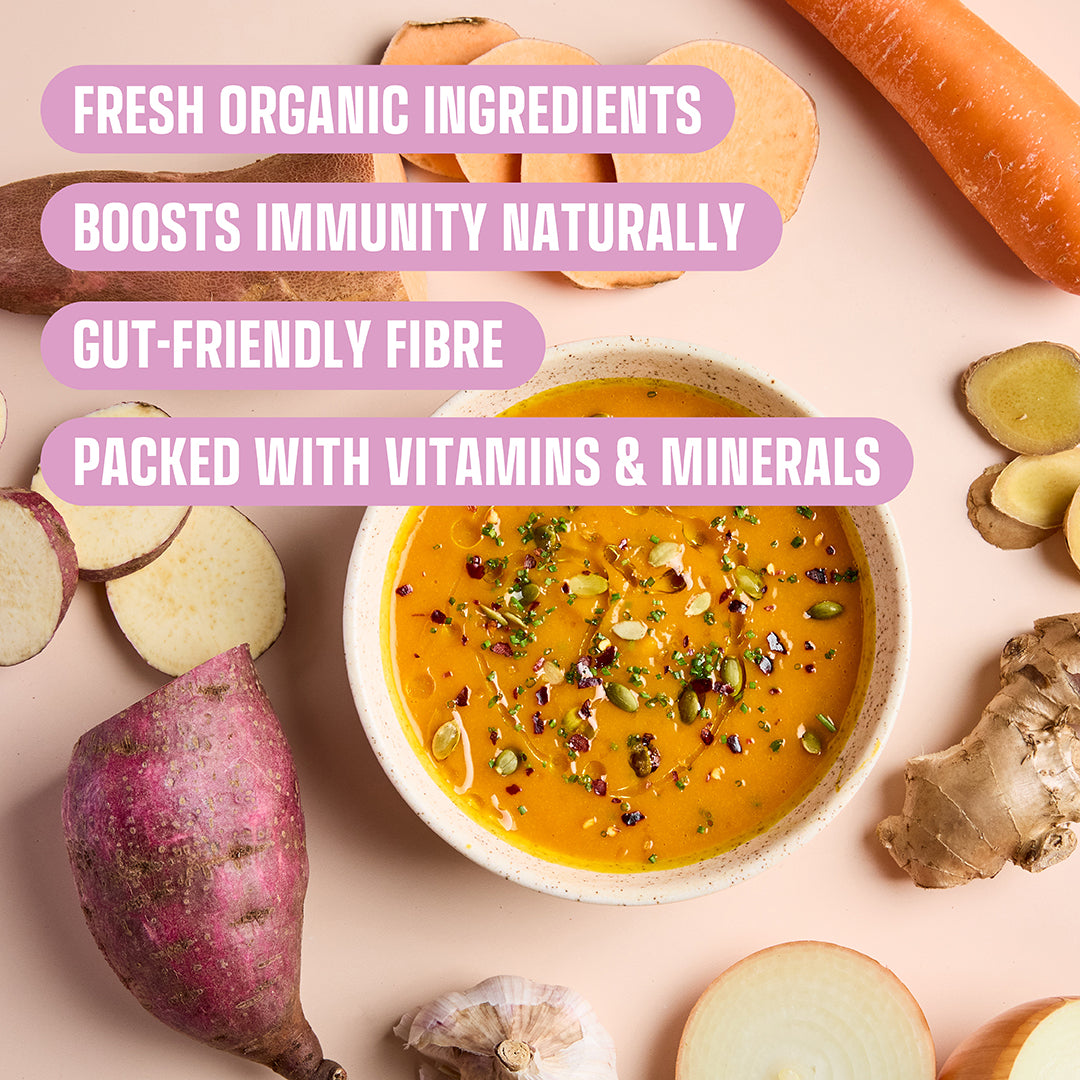
Bondi Meal Prep x Rita's Farm Organic Soup
Organic vegetable soup bursting with natural flavor and wholesome goodness.


Grass-Fed Meatballs & Cauliflower Mash
Grass-fed meatballs with cauliflower mash and our house-made tomato herb sauce.
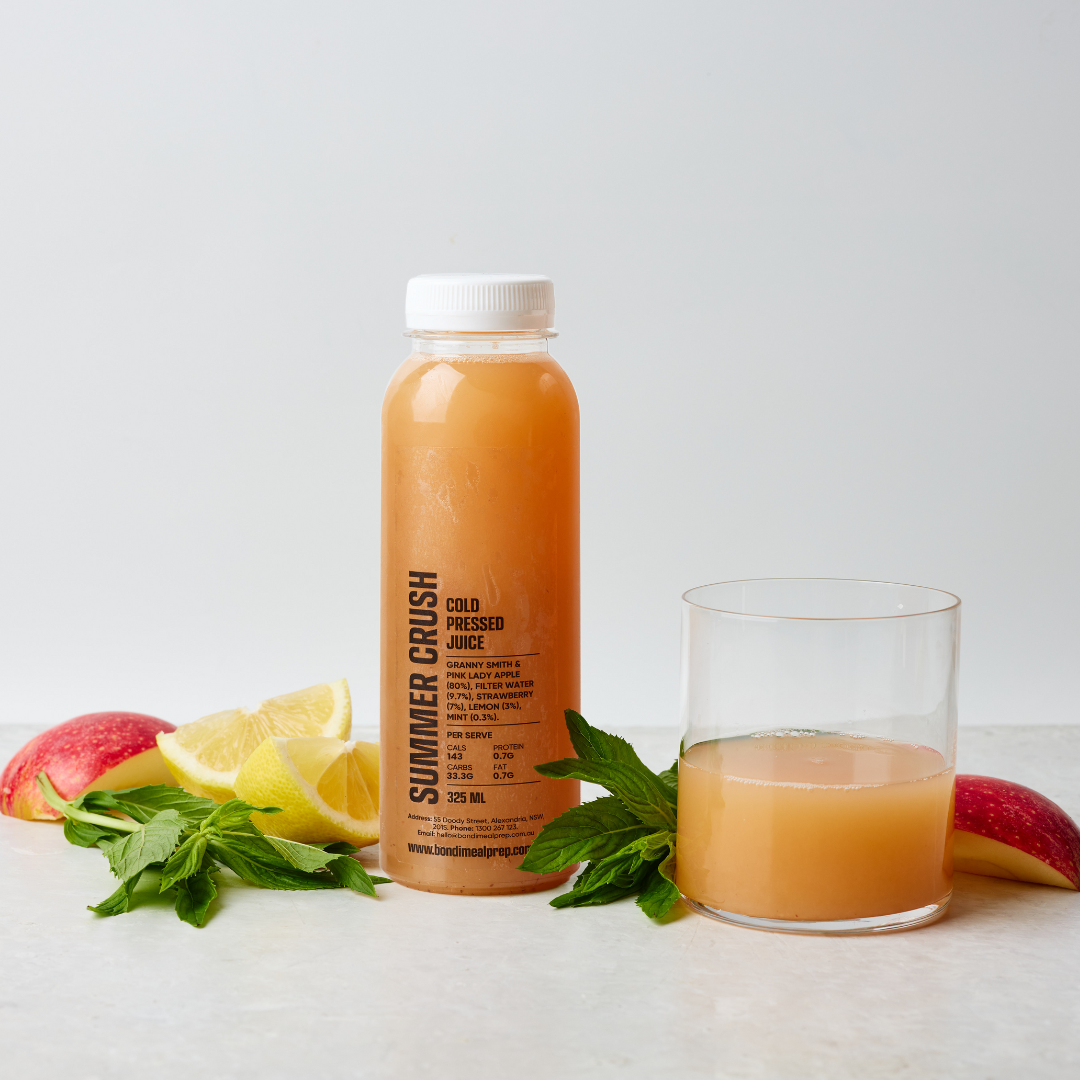
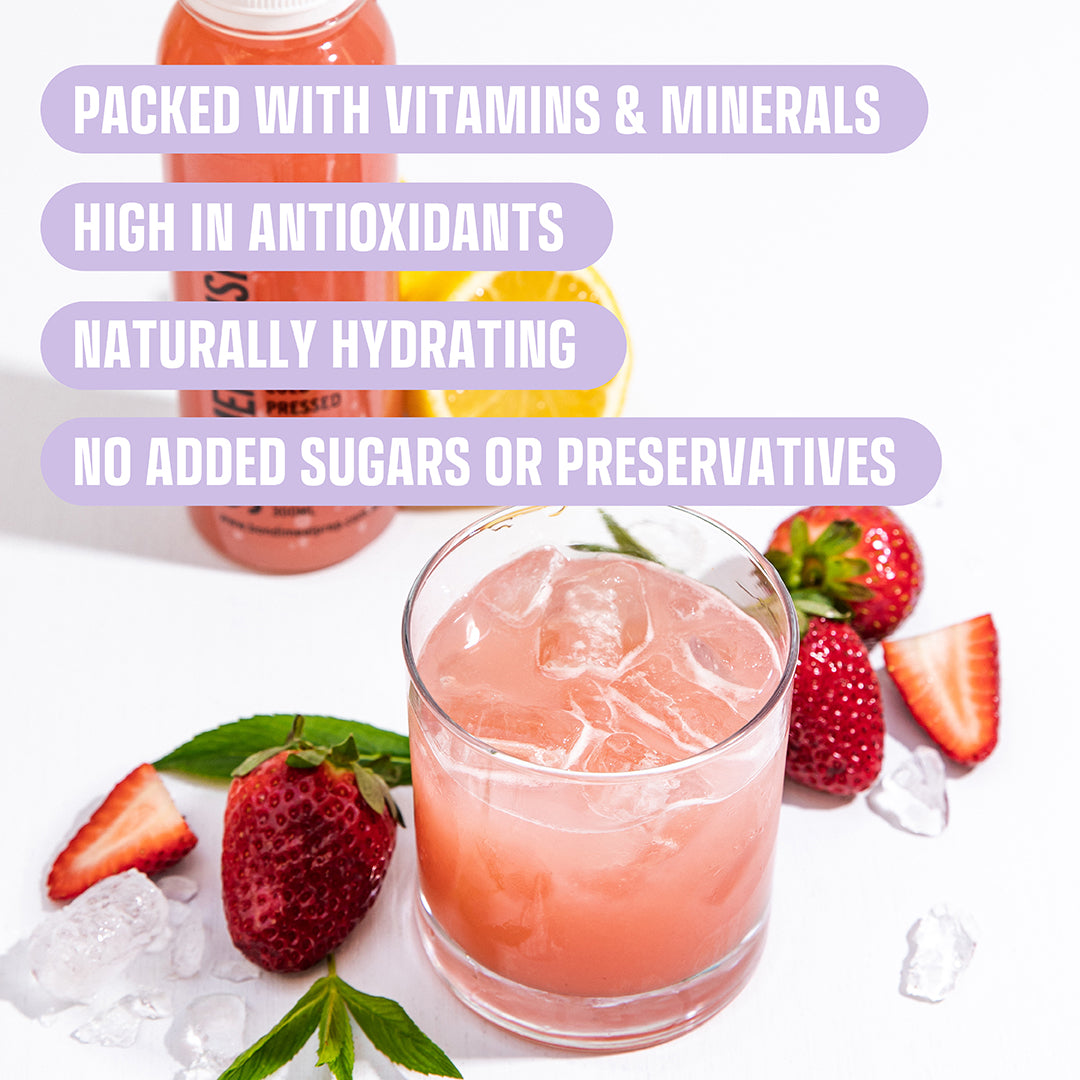
Summer Crush Cold Pressed Juice
Cold pressed juice made with Australian grown apples, strawberries, mint and lemon.
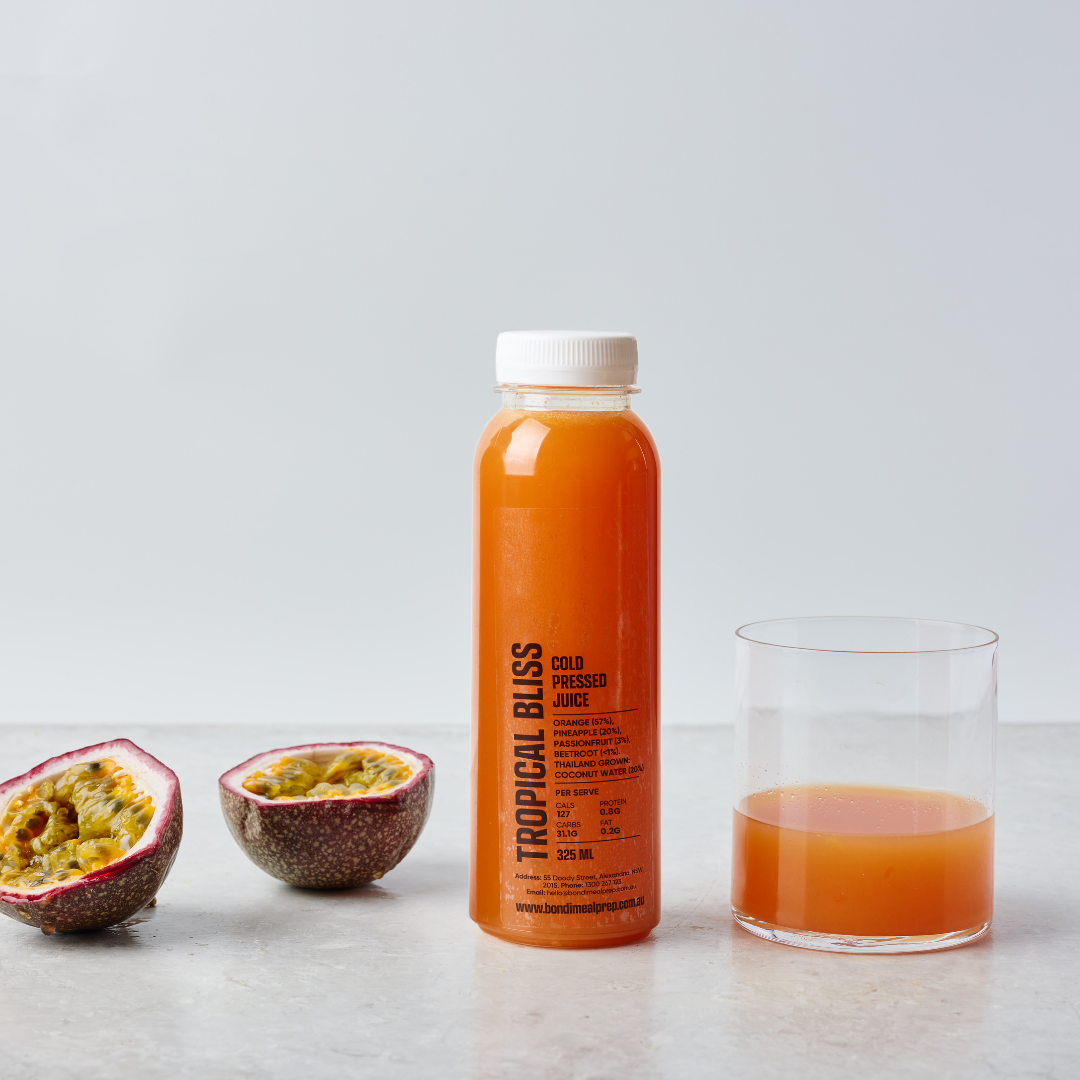
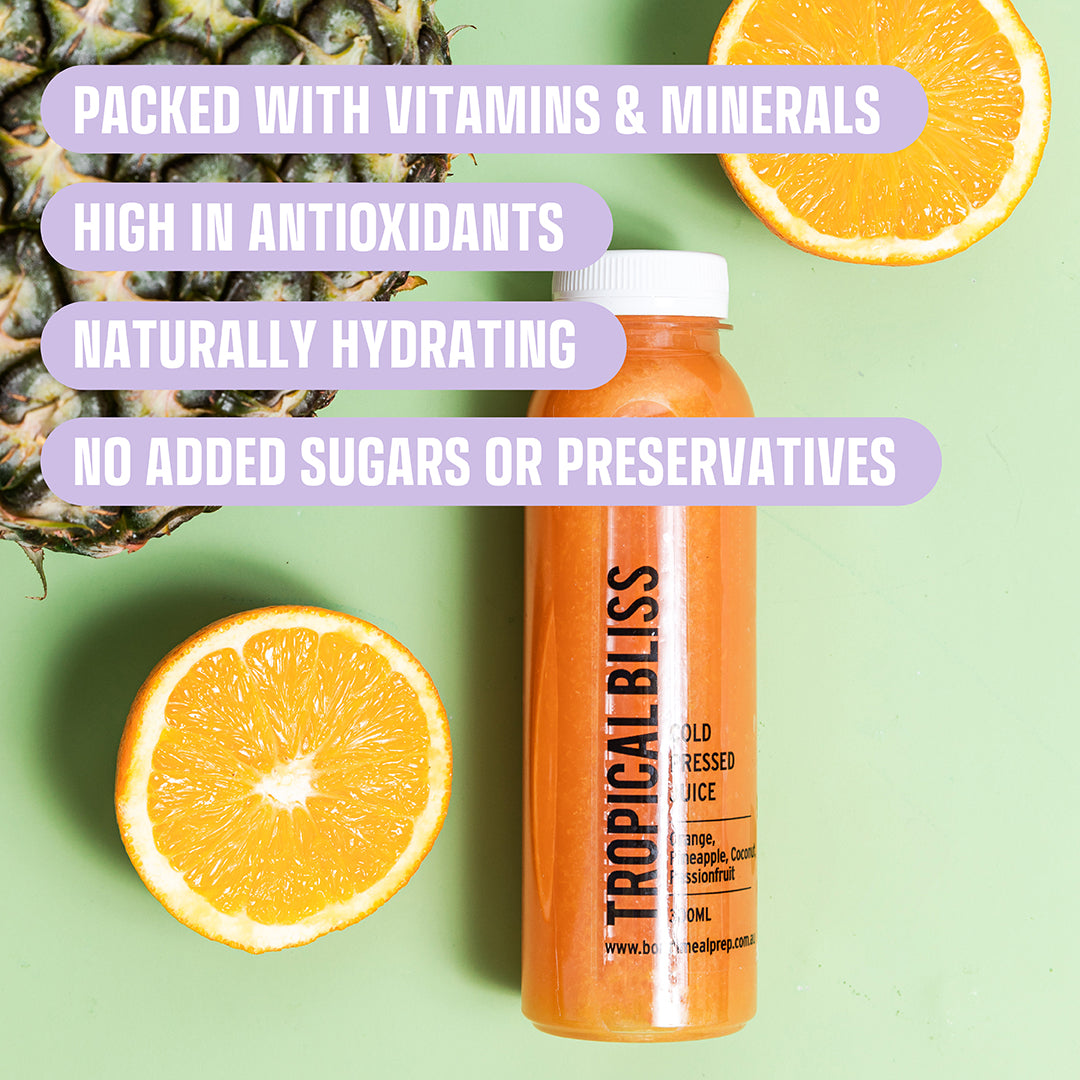
Tropical Bliss Cold Pressed Juice
Cold pressed juice made with Australian grown oranges, pineapple, passionfruit and beetroot.
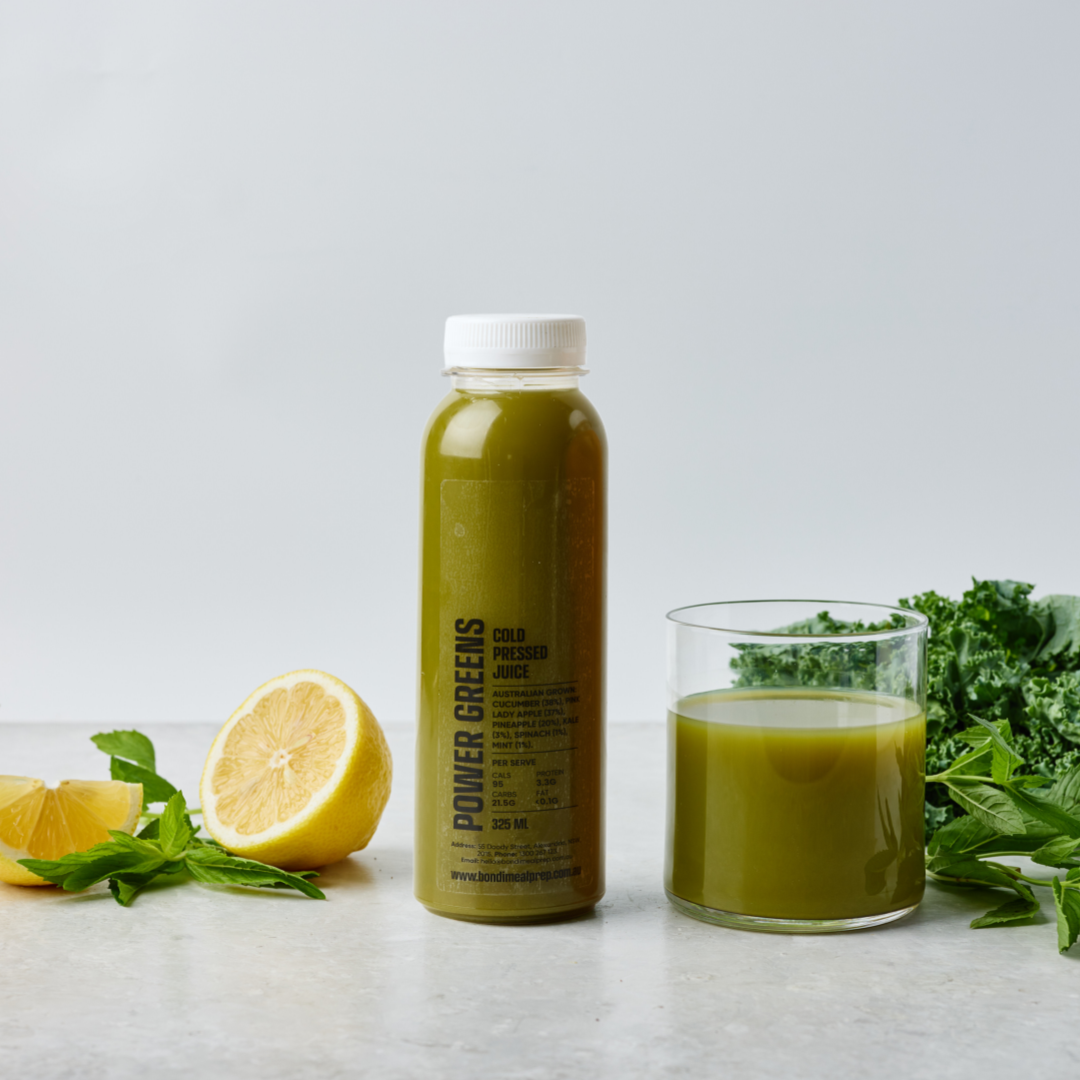
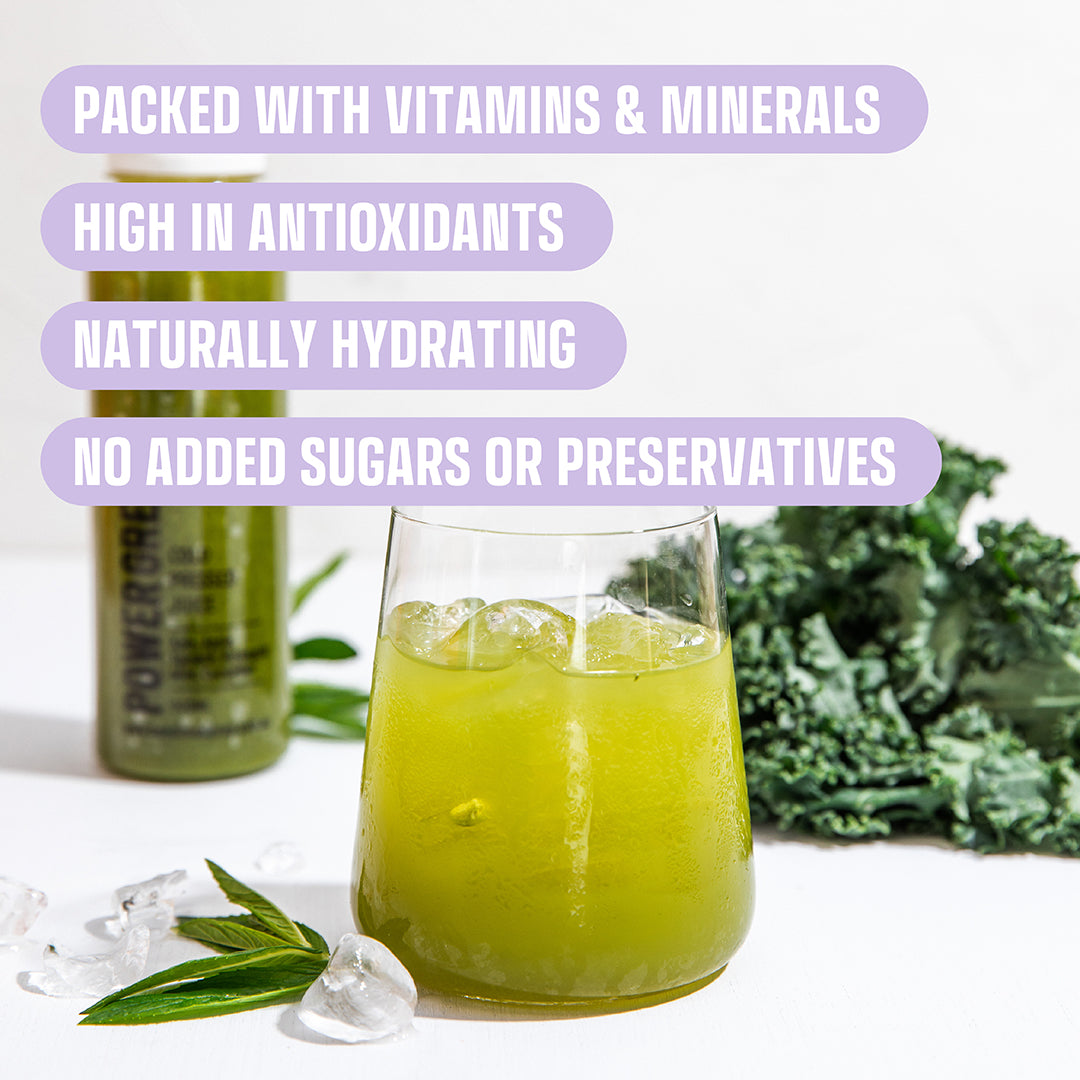
Power Greens Cold Pressed Juice
Cold pressed juice made with Australian grown cucumber, apple, pineapple kale and spinach.

Peanut Butter Protein Health Balls
All-natural protein ball, free from gluten, dairy, soy, and added sugars. NB: $12 is the price for 3 protein balls.

Choc Peanut Protein Health Balls
All-natural protein ball, free from gluten, dairy, soy, and added sugars. NB: $12 is the price for 3 protein balls.

Coconut Lemon Protein Health Balls
All-natural protein ball, free from gluten, dairy, soy, and added sugars. NB: $12 is the price for 3 protein balls.
Resource Library

High-Protein, Low-Carb Dinner Ideas: Quick, Cheap & Balanced
Eating well at night plays a bigger role in reaching your health goals than many people realise. Just because your day is done, it doesn’t mean you can eat anything you fancy and still expect results.
Read more
High-Protein, Low-Carb Lunches: A Clean Way to Fuel Your Day
Discover easy, high-protein, low-carb lunches plus convenient, chef-prepared options from Bondi Meal Prep.
Read more
Low-Carb Vs Low-Calorie Diet: Expert Guide to Fat Loss Success
When it comes to weight loss, two of the most common strategies are cutting carbs and cutting calories. Both approaches have passionate supporters, and both can help people lose weight. But when it’s a battle of low-carb vs. low-calorie, which diet burns fat more effectively? This guide breaks down the science, benefits, and drawbacks of each approach. By the end, you’ll know how these diets differ, who they suit best, and which is more effective for reducing body fat and improving long-term health. Plus, you’ll discover how Bondi Meal Prep can make kickstarting either a diet a breeze, with ready-made, chef-prepared meals delivered to your door. Key Takeaways Both low-carb and low-calorie diets can effectively support fat loss, but they work differently—low-carb shifts your body into fat-burning mode by reducing carbohydrate intake, while low-calorie creates an energy deficit through overall portion control. The best choice depends on your lifestyle, food preferences, and which approach you can maintain long-term. - Low-carb diets deliver faster initial results by reducing glycogen stores and water weight, then continue steady fat loss whilst helping control hunger through stable blood sugar levels and satisfying high-protein, high-fat meals.- Low-calorie diets offer greater flexibility by allowing all food groups (including whole grains and fruits) as long as portions are controlled, making them easier to personalise and sustain in social situations.- Both approaches improve important health markers including blood pressure, blood sugar control, and cardiovascular risk when focused on nutrient-dense whole foods like lean proteins, healthy fats, and vegetables.- Success comes down to consistency, not speed—whilst low-carb often shows quicker results in the first few weeks, both diets produce similar fat loss outcomes over six months when properly maintained.- Meal planning removes the guesswork from either approach, with services like Bondi Meal Prep offering chef-prepared, macro-balanced options for both low-carb and low-calorie eating styles delivered fresh to your door. What Is a Low-Carb Diet? A low-carb diet reduces carbohydrate intake, usually by limiting bread, pasta, rice, sugary foods, and starchy vegetables. The focus shifts toward protein, healthy fats, and non-starchy vegetables. Depending on how strict the plan is, a low-carbohydrate diet can range from 20 grams of carbs a day on very low-carbohydrate versions, to around 100–150 grams for more flexible approaches. Popular forms include the ketogenic diet, Atkins diet, and paleo diet. The stricter versions aim to induce ketosis, where the body switches from using glucose to burning fat as its primary energy source. Some of the biggest benefits of low-carb diets include: Reduced hunger and fewer cravings due to stable blood sugar Faster initial fat loss, often from both water weight and stored fat Improved body composition and better control over insulin levels However, low-carb diets can feel restrictive if you enjoy foods like whole grains, legumes, or high-carb fruits. Social eating can also be more challenging when you’re avoiding typical staples. What Is a Low-Calorie Diet? A low-calorie diet takes a different approach. Instead of focusing on carb intake, the goal is to simply reduce calorie intake across all food groups. By lowering your daily calorie intake below your energy expenditure, the body starts burning stored fat for fuel. This approach can include all food groups but often encourages swapping high-calorie foods for nutrient-dense options. For example, replacing processed foods and trans fats with lean proteins, non-starchy vegetables, and healthy fats like olive oil. The low-calorie approach is less about the balance of your macros and more about overall food intake. It can be flexible, but if done without planning, people may experience hunger, reduced energy, or difficulty sticking to the plan long term. Low Carb vs Low Calorie Diet: The Main Difference At the heart of this comparison, the difference is metabolic: A low-carb diet changes how the body fuels itself, often leading to ketosis and a greater reliance on fat burning. A low-calorie diet is about creating an energy deficit, with fat loss occurring as a result of lower overall intake compared to energy expenditure. Both approaches can promote weight loss, but the way they achieve it and the impact on hunger, energy, and long-term health are different. Which Diet Helps You Lose Weight Faster? Studies comparing the two diets have shown that both approaches can lead to weight loss. However, the pace at which this occurs can differ. Low-carb diets often deliver rapid results in the first few weeks due to reduced glycogen stores and water weight. Once that levels out, fat loss continues steadily. Low-calorie diets may show slower early results, but they remain consistent over time and are easier to personalise based on food preferences. In terms of pure speed, low-carb usually has an edge for short-term results. But over six months or more, there's not always a significant difference between the two for overall body fat reduction. Hunger and Satiety: How Full Will You Feel? Hunger is a successful diet's biggest enemy. No matter which diet you follow, you should always aim to feel full and energised. On a low-carb diet, high-fat foods and protein-rich meals often lead to reduced hunger. Many people naturally eat less without counting calories simply because they feel satisfied. On a low-calorie diet, fullness depends more on food quality. Meals built around lean proteins, fibre-rich non-starchy vegetables, and whole grains can help control appetite. But if the focus is only on cutting calories, hunger can creep back in. This is where the low-carb eaters often report a smoother experience. Stable blood sugar means fewer crashes and fewer cravings. Nutrient Density and Long-Term Health Both diets can be healthy when balanced, but each carries risks if poorly planned. Here are a few pitfalls to watch out for: Low-Carb Considerations Can lack whole grains and fibre if not managed well May lead to lower intake of certain vitamins and minerals Needs a focus on nutrient-dense vegetables and healthy fats to avoid issues Low-Calorie Considerations Flexible, but risks nutrient gaps if the focus is only on numbers It can be harder to sustain if energy intake is cut too low Whichever diet you choose, focus on whole, minimally processed foods. Try to fill your plate with lean proteins, healthy fats, and plenty of nutrient-dense vegetables. Health Markers Beyond Weight Weight loss isn’t the only measure of success. Other broader health factors matter too. These include: Blood pressure: Both diets have been shown to lower blood pressure in people with excess weight. Cholesterol levels: Low-carb diets can improve HDL (good cholesterol) but may raise LDL (bad cholesterol) in some people, depending on fat sources, so aim for healthy fats like olive oil, nuts, and avocado to support heart health. Blood sugar and insulin levels: A low-carb diet is especially good at keeping blood sugar steady and lowering risks linked to conditions like type 2 diabetes. Low-calorie diets can help too, but the benefits usually come from losing fat overall rather than cutting carbs specifically. Heart disease and cardiovascular risk: Both approaches can lower cardiovascular risk when done correctly, especially when refined grains, table sugar, and trans fats are replaced with nutrient-dense whole foods. Which Diet is Easier to Stick To? The easiest diet for you to follow in the long haul will depend on your eating habits and lifestyle. Low-carb works well for people who enjoy structure, want fast fat loss, and feel comfortable cutting back on starchy vegetables, bread, and sweets. Low-calorie diets suit those who prefer flexibility and want room to include different foods, from whole grains to high-carb fruits, as long as portions stay controlled. Some people respond well to the rules of a low-carb diet, while others prefer the freedom of a low-calorie diet. There's no right or wrong. Instead, the aim is to pick an option that gives you the best chance to succeed and stay consistent. Pros and Cons Snapshot Now that we've had a close look at these two popular diets, here's a simple snapshot to help you make a quick comparison: Low-Carb Diet ✅ Faster early fat loss and reduced hunger✅ Supports blood sugar control and body composition improvements✅ May improve energy and mental clarity❌ Can feel restrictive in social settings❌ Needs careful food planning to remain nutrient-dense Low-Calorie Diet ✅ Flexible and easy to personalise✅ Works with all food groups, including whole grains and legumes✅ Steady, reliable fat loss when maintained❌ Hunger may increase if caloric intake is too low❌ Risk of fatigue or lowered resting energy expenditure over time Which Diet Should You Choose? If speed is your priority and you want a clear path to fat burning, the low-carb diet often provides more immediate results. A very low-carbohydrate plan like the ketogenic diet will deliver results even quicker and may also help with appetite control. If sustainability is more important, a low-calorie diet might be your best match. It allows for more food preferences, fits into social situations, and provides steady results without drastic carb restrictions. Ultimately, the best diet for you is the one you can stick to while still feeling energised and nourished. And remember, there’s no harm in adjusting your approach along the way. Don’t be shy about experimenting with different diets until you find the balance that works best for you. Bondi Meal Prep Makes Both Diets Easy No matter your choice, Bondi Meal Prep takes the stress out of planning and cooking. Our chef-prepared meals are designed by nutrition experts and built around lean proteins, healthy fats, and nutrient-dense vegetables. Explore our Low-Calorie Collection and Low-Carb Collection for delicious, satisfying meals that support fat loss without compromising on the nutrients you need to feel your best. When done the right way, diets don't feel like a slog or a sacrifice. With Bondi Meal Prep's fresh, macro-balanced meals delivered to your door, reaching your goals has never been easier or tastier!
Read more
FAQs
What is considered a low-carb meal?
What is considered a low-carb meal?
What are good low-carb meals?
What are good low-carb meals?