
If you grew up in Australia, you'll remember spending at least one primary school lesson staring at a food pyramid poster on the classroom wall. A whole heap of bread and grains at the base, a decent amount of meat and dairy in the middle, and a smidge of fats at the top that basically represented the dietary villain.
Familiar though it might be, the traditional food pyramid is the opposite of what effective keto eating looks like. If you're new to the ketogenic diet and wondering why your approach to eating needs such a dramatic rethink, the keto food pyramid is the clearest way to see it. Once you understand the right macro ratios, everything about keto starts making a lot more sense.
This guide explains every layer of the keto pyramid, from the foods you'll eat most to the ones you'll avoid altogether. Consider it your go-to low-carb food list and a practical visual framework for creating keto meals that help you achieve your health and body composition goals.
Key Takeaways
This guide provides a comprehensive overview of the keto food pyramid, explaining each layer and what you should eat to maintain ketosis and achieve your health goals.
- The keto food pyramid flips the traditional food pyramid on its head, with healthy fats forming the base, not grains and carbs.
- Aim for roughly 70% of your calories from fat, 25% from protein, and just 5% from carbs to stay in ketosis.
- Non-starchy vegetables, fatty fish, fatty cuts of meat, and quality fats like olive oil and coconut oil should be your everyday keto staples.
- Starchy vegetables, added sugars, sugary beverages, and grains should be avoided, since even small amounts can push you out of fat-burning mode.
- Net carbs (total carbs minus fibre) are what you track on keto. Most people aim for 20–50g of net carbs per day.
- Having fresh keto meals ready to go helps to keep your macro balance on point, even on your most hectic days.
What's Wrong With the Traditional Food Pyramid?
The traditional food pyramid, introduced by health authorities in the 1980s and 90s, put bread, cereal, rice, and pasta right at the base. The message was that carbs are your best friends and you should eat them in abundance. Fats, on the other hand, were grouped with sweets and placed at the very top, meaning eat as little of them as possible.
For keto eaters, that old-school guide is basically a how-not-to-eat chart. A single serving of pasta or white rice can contain enough carbs to knock you straight out of ketosis. The foods that were given pride of place in the traditional food pyramid are the exact foods that a keto diet eliminates.

The traditional food pyramid has a large amount of grains at the base and a tiny portion of fats at the top.
The keto food pyramid takes the original concept and turns it upside down. Fats sit at the base, protein comes next, and low-carb vegetables fill the middle tiers. High-carb foods, which were once the foundation of the traditional food pyramid, are now the ones to limit or cut out entirely.
It's a pretty wild reversal, but it's backed by a growing body of research on the relationship between low-carb diets, metabolic syndrome, weight loss, and blood sugar control.
The Keto Food Pyramid: Layer by Layer

The Base: Healthy Fats (Eat the Most)
On the keto diet, fat isn't the enemy; it's the fuel. Healthy fats sit at the wide base of the keto food pyramid because they make up the majority of your daily calorie intake (roughly 70%). Your body needs fat to produce ketones, and ketones are what power your brain and body once you've cut carbs out of the equation.
Not all fats are equally effective, though. The ones you want to focus on are whole food fats and high-quality oils. These bring genuine nutritional value to your keto meals.
Your go-to keto fats:
- Olive oil: Extra virgin olive oil is your go-to for salads, drizzling, and low-heat cooking. Packed with heart-healthy monounsaturated fatty acids.
- Coconut oil: A brilliant high-heat cooking oil. Rich in medium-chain fatty acids that your body converts into ketones with impressive efficiency.
- Avocado oil: Another great option for high-heat cooking with a mild, buttery flavour.
- Butter and ghee: Real butter from grass-fed cows is loaded with fat-soluble vitamins. Ghee is the perfect dairy-free alternative.
- Avocados: Technically a fruit, but really a fat source on keto. Loaded with potassium and monounsaturated fatty acids with minimal net carbs.
- Bone broth: Not a fat source as such, but a keto kitchen essential. Rich in collagen, easy on the gut, and helpful for replenishing electrolytes.
You should skip the processed vegetable oils like soybean, canola, and sunflower. These are high in omega-6 fatty acids that can contribute to inflammation. Stick to whole, natural fat sources for optimal health.
The Second Tier: Protein (Eat Plenty, But Not Too Much)
Here's the keto misconception that catches a lot of people out: keto is a high-fat diet, not a high-protein diet. Protein sits in the second tier of the keto pyramid, meaning it's important, but not the main event. Aim for around 25% of your daily calories from protein, which works out to roughly four or five ounces per meal.
Many people wonder why overeating protein is problematic. The answer is simple. If you eat too much protein, your body can convert the excess into glucose through a process called gluconeogenesis. This can push you out of ketosis. The goal is moderate, high-quality protein, not an unlimited steak buffet.
Your go-to keto proteins:
- Fatty cuts of red meat: Ribeye, lamb shoulder, chuck, and beef mince. The fatty cuts hit your fat macros while delivering great protein content.
- Chicken thighs and legs: When it comes to poultry, swap the breast for thighs. They're juicier, tastier, and have much better fat macros for keto.
- Fatty fish: Salmon, mackerel, sardines, and trout. These are among the best foods you can eat on keto. Fatty fish are rich in omega-3 fatty acids, which support heart health, reduce inflammation, and are great for brain function.
- Eggs: Zero carbs, plenty of healthy fats and protein. Eggs are a keto superfood, full stop.
- Leaner options: Lean meats like chicken breast and white fish still have a place on the keto plate, but make sure the rest of your meal makes up for the lower fat content.
When hitting the shops and sourcing your protein, quality matters. Grass-fed beef and wild-caught fish are going to give you better fatty acid profiles than their commercially farmed counterparts. It's the kind of food quality consideration that pays off for your long-term health.
The Middle Tier: Non-Starchy Vegetables (Eat Freely)
Here's where keto gets its colour. Low-carb vegetables sit in the middle of the keto food pyramid, not because they're less important, but because you should eat them freely and generously at every meal. Non-starchy vegetables are packed with fibre, vitamins, and essential nutrients that your body needs to function well on keto. They're also what keep your gut happy and your energy steady.
The golden rule for picking keto-friendly vegetables is simple: above-ground vegetables are almost always fair game. Underground, starchy vegetables, including potatoes, sweet potatoes, parsnips and beetroot, tend to have too many carbs for most keto plans.
Your go-to vegetables:
- Leafy greens: Spinach, kale, rocket, silverbeet, and lettuce. Eat these at every opportunity. Low in net carbs, sky-high in nutrients.
- Cruciferous vegetables: Broccoli, cauliflower, brussels sprouts, and cabbage. These are filling, versatile, and outstanding for your gut microbiome, which is a fancy way of saying they aid your digestive system.
- Low-carb veggies: Zucchini, asparagus, capsicum, mushrooms, green beans, and celery.
It's worth remembering that corn, peas, and carrots aren't off-limits in small quantities, but they contain significantly more carbs than the options listed above. If you're keeping tight tabs on your net carbs, these starchy veggies are best kept to a minimum or avoided entirely.
Cauliflower is the unsung hero of the keto kitchen. Turn it into cauliflower rice, mash it, roast it, or blitz it into a creamy soup. When you realise what cauliflower can do, you barely miss regular rice.
The Upper-Middle Tier: Full-Fat Dairy, Nuts & Seeds (Eat in Moderation)
This tier is the "a little bit every day" zone. Dairy products, nuts and seeds, and keto-friendly fruits all live here. They're nutritious and keto-friendly, but need to be eaten with a degree of portion control because their carb content can sneak up on you.
Full-fat dairy:
When you eat dairy on keto, always go full-fat. Low-fat dairy products typically have added sugars to compensate for the missing flavour, which pushes the carb count up. Keto-friendly options include:
- Cheese: Cheddar, mozzarella, brie, parmesan, cream cheese. These are some of the most keto-friendly dairy products you can find.
- Greek yogurt: Full-fat, plain versions. Check the label carefully, because some brands chuck in a surprising amount of sugar.
- Heavy cream and sour cream: Great for cooking and adding richness to sauces and soups.
- Unsweetened almond milk: Almond milk without sugar or sweeteners is dairy-free and a solid low-carb alternative to regular cow's milk.
Nuts and seeds:
Macadamia nuts, brazil nuts, walnuts, pecans, chia seeds, and flaxseeds are brilliant keto-friendly snacks. They're loaded with healthy fats, fibre, and essential nutrients. Just be mindful of portion control. It's easy to overdo it on nuts, and the carbs can add up faster than you'd expect.
Keto-friendly fruits:
Most fruit has too many carbs for a standard keto diet, but berries are the exception. Raspberries, strawberries, and blueberries are relatively low in net carbs and high in antioxidants. A small handful with your greek yogurt is a perfect keto-friendly treat.
Near the Top: Keto-Friendly Extras (Enjoy Occasionally)
These aren't daily staples, but they make keto enjoyable and sustainable over the long term. Think of them as the flavour-makers and mood-lifters of your keto plate.
- Dark chocolate: 85% cacao or higher. Small amounts satisfy a chocolate craving without sending your blood sugar haywire.
- Nut butters: Almond butter and natural peanut butter make great additions to smoothies and snacks. However, always check labels for added sugars.
- Diet sodas: While not a health food by any stretch, diet sodas are technically keto in terms of carbs. If you're weaning yourself off sugary beverages, they can serve as a short-term replacement. However, water, sparkling water, and black coffee should always be the daily go-to.
The Tip of the Pyramid (What to Avoid at All Costs)
The pointy top of the keto food pyramid is where you'll find the foods to leave on the shelf. These are the high-carb foods that spike blood sugar, disrupt ketosis, and kick your body out of fat-burning mode. If you've eaten too many carbs and found yourself feeling foggy and flat, this is why.
Avoid these on keto:
- Bread, pasta, rice, and all other grains.
- Starchy veggies like potatoes and sweet potatoes.
- Most fruit (except berries in small amounts).
- Anything with added sugars, such as sauces, dressings, and packaged snacks.
- Sugary beverages, including soft drinks, juice, energy drinks, and flavoured milks.
- Processed "low-fat" foods (these almost always contain added sugars).
- Saturated fats from poor-quality, ultra-processed sources like fast food.
Building Your Keto Plate
Now that you know what lives at each level of the keto food pyramid, here's how to put it all together on the keto plate. A well-constructed keto meal looks something like this:
Roughly half your plate: Non-starchy vegetables. Leafy greens, broccoli, zucchini, asparagus, or any other keto-friendly veggies you love.
A quarter of your plate: A quality protein source. Fatty fish, a fatty cut of beef, chicken thighs, or eggs.
A quarter of your plate for fats: Olive oil or coconut oil for cooking, avocado on the side, nuts and seeds, a dollop of sour cream or any other low-carb dairy.
If you're short of inspiration for what to whip up in the kitchen, you can check out our quick keto recipes for easy meals that put tasty twists on staple keto ingredients.
Calorie Counts & Tweaking Macros for Keto Eating
Many beginners wonder how many calories they should eat on keto. That depends on your goals. If you're trying to lose weight, a modest calorie deficit works well alongside ketosis, since the fat-burning effect of keto does a lot of the heavy lifting. If you're trying to gain weight or build muscle, you'll want to ensure you're eating enough calories and protein to support that growth.
You can always tweak your calorie intake and macro ratios to match your individual lifestyle and goals. Our custom-built Keto Macro Calculator can help you build a more detailed picture of your personal nutritional needs.
Perfect the Pyramid with Bondi Meal Prep!
Understanding the keto food pyramid is one thing. Actually turning it into fresh, balanced, flavourful keto meals every single day? That's where real life tends to get in the way.
Between work, family, and everything else on your plate (pun intended), finding time to shop for the right foods, check labels, portion out macros, and cook from scratch is a lot to ask. If you don't have the time to prepare delicious, macro-balanced keto meals, don't worry. It's what we do best, and we do it every day.
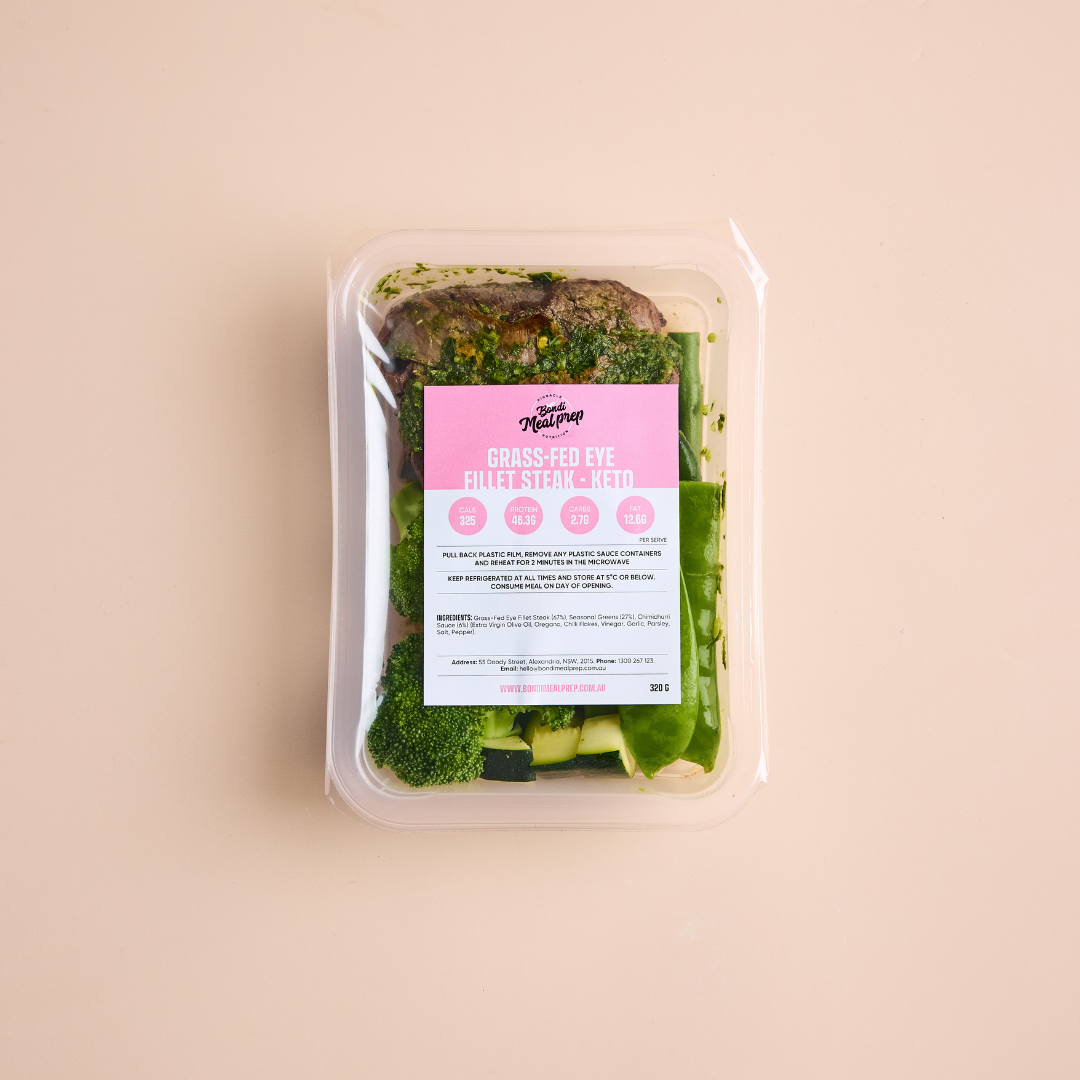
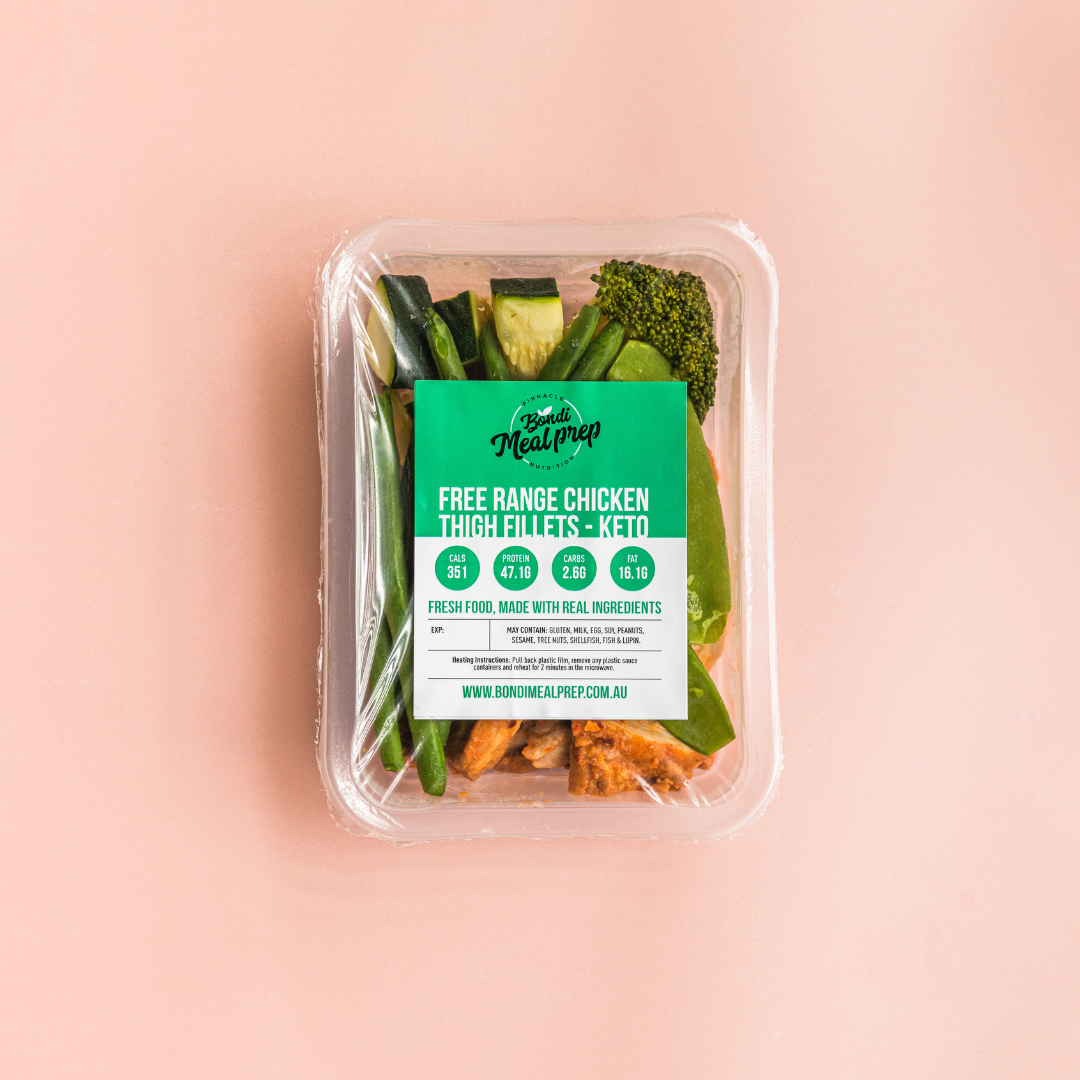
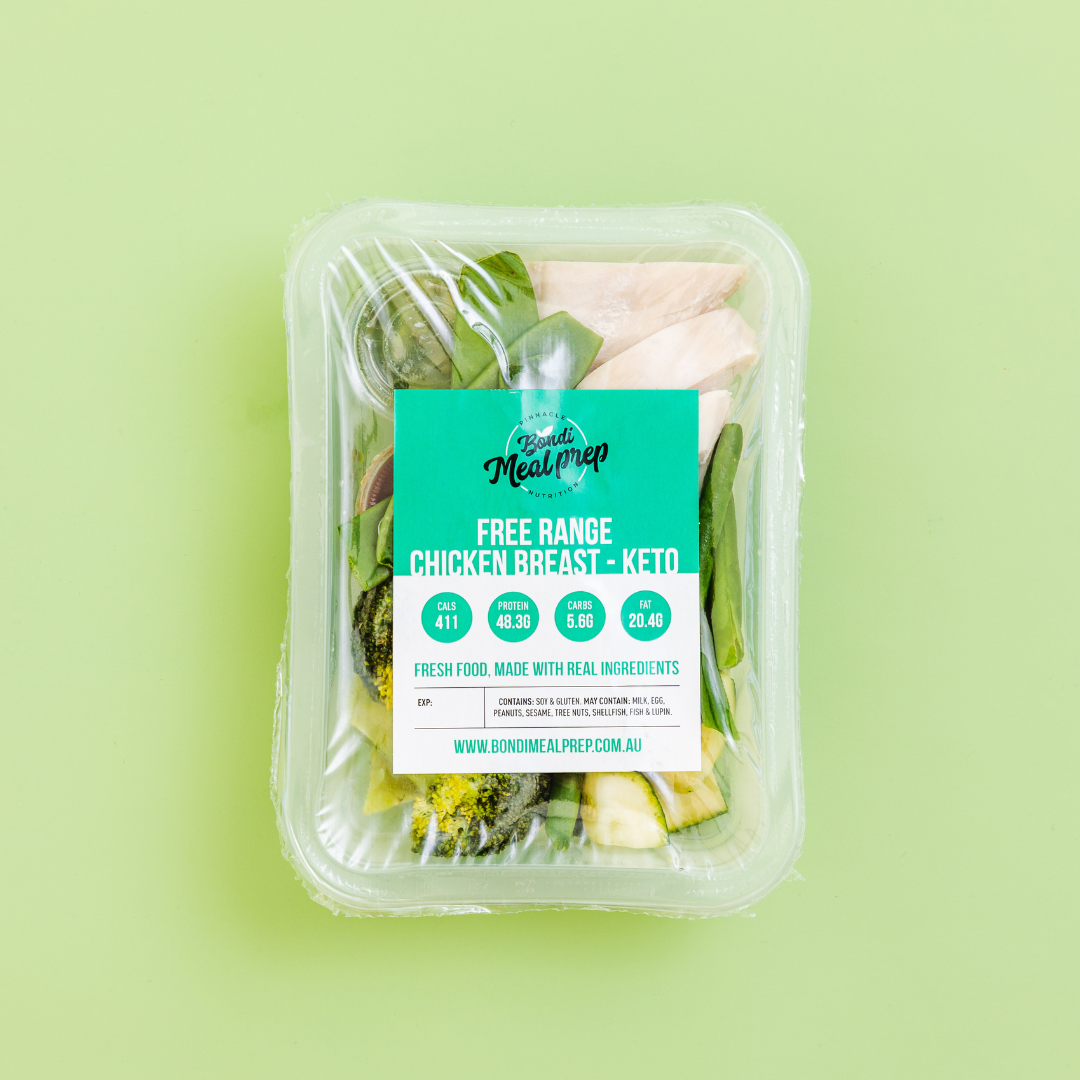
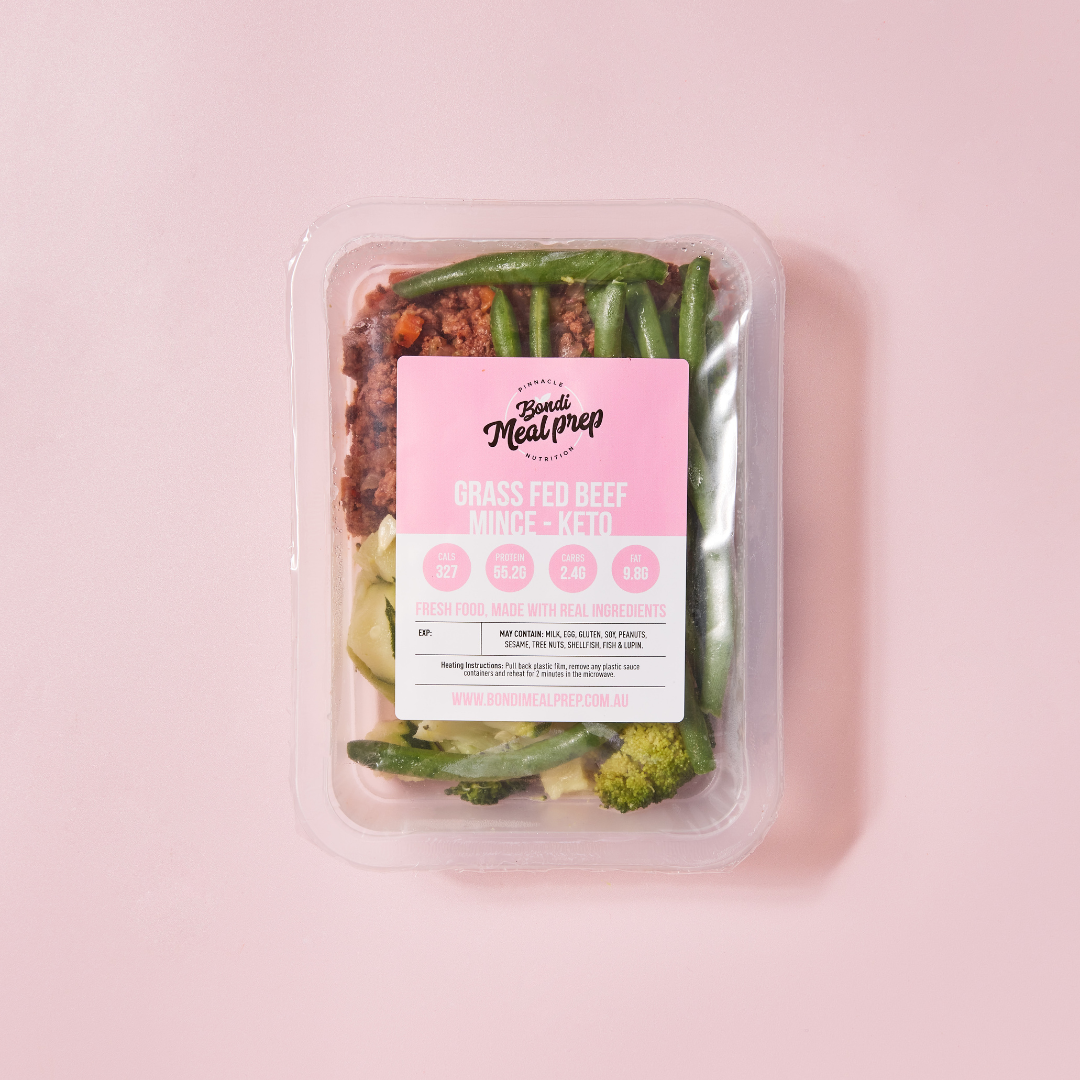
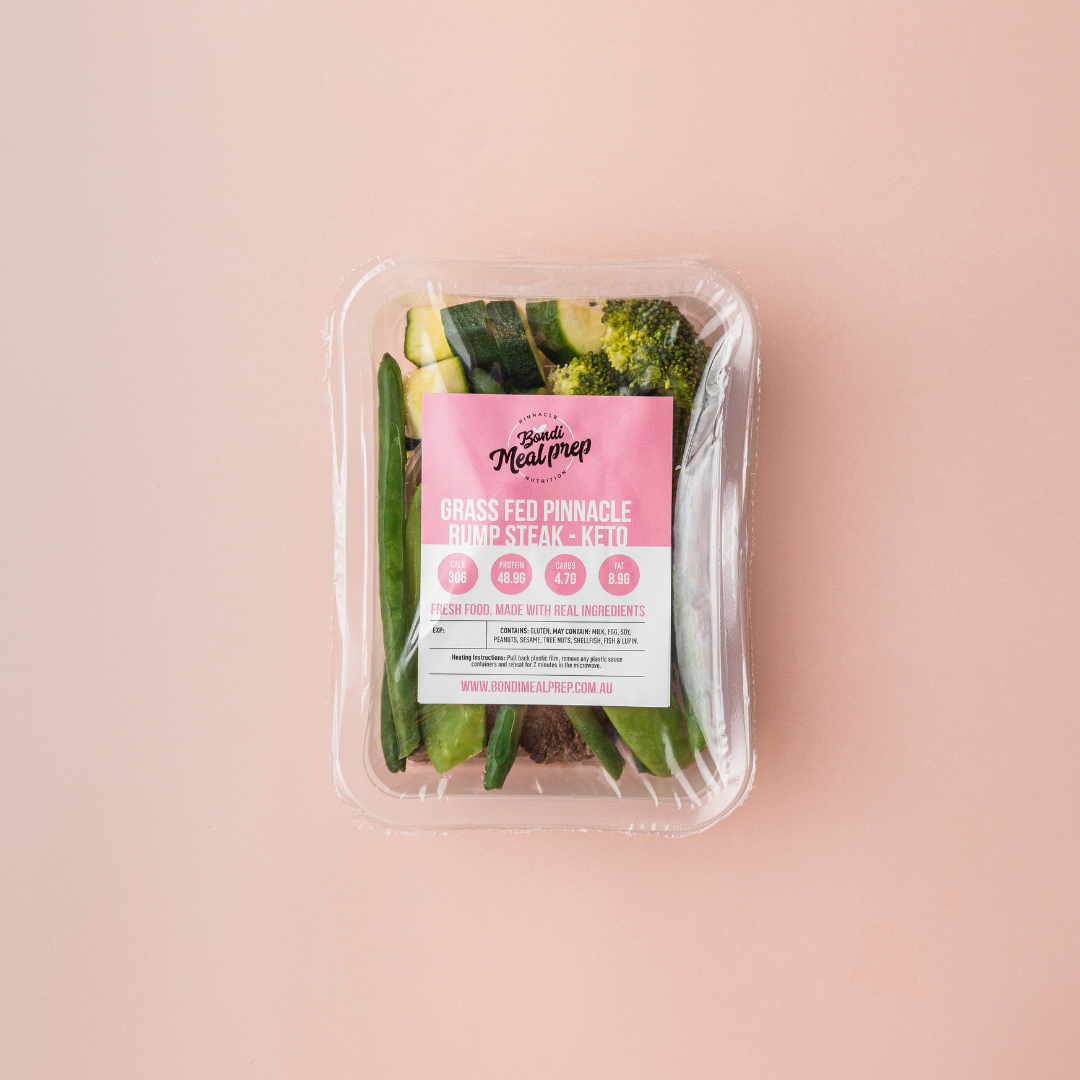
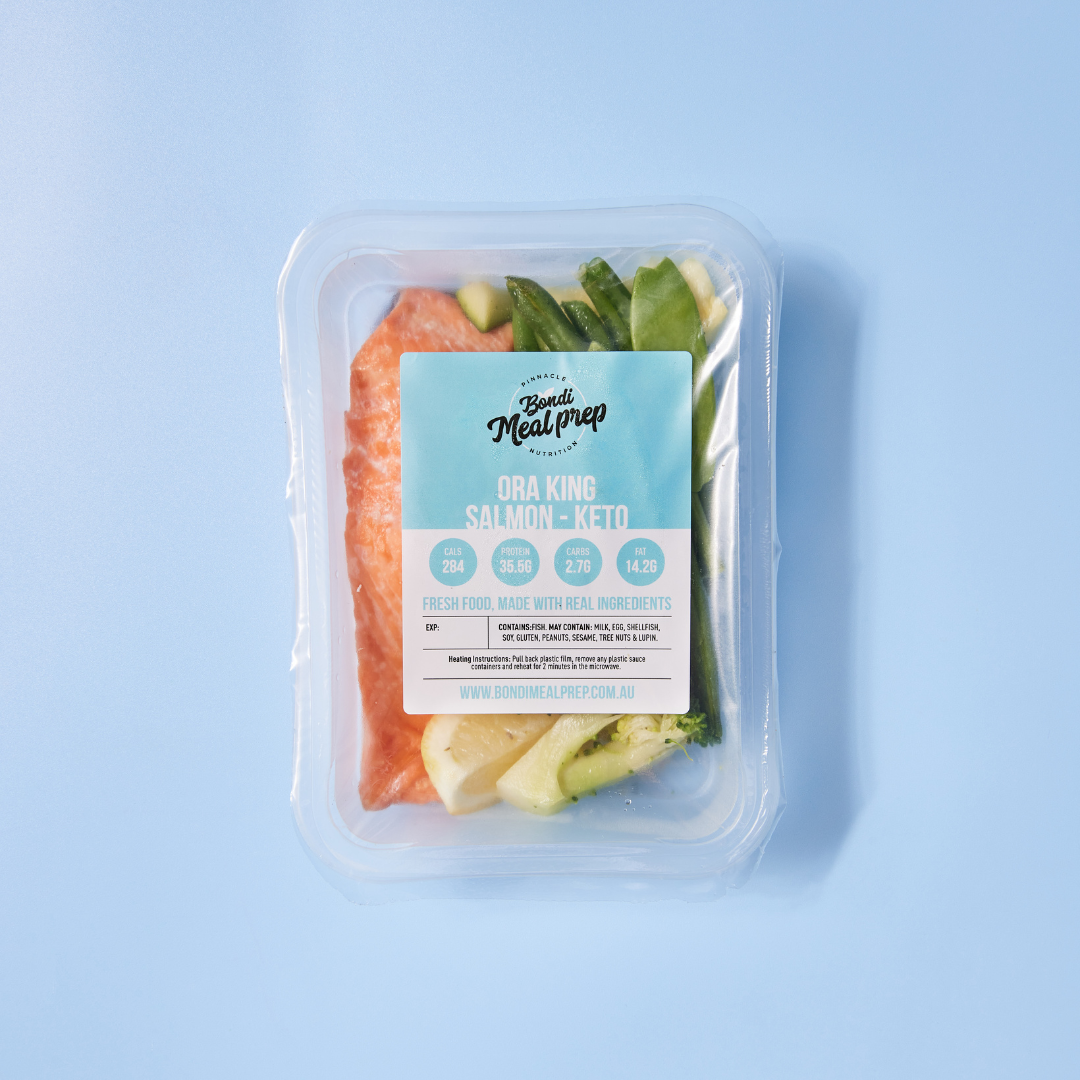
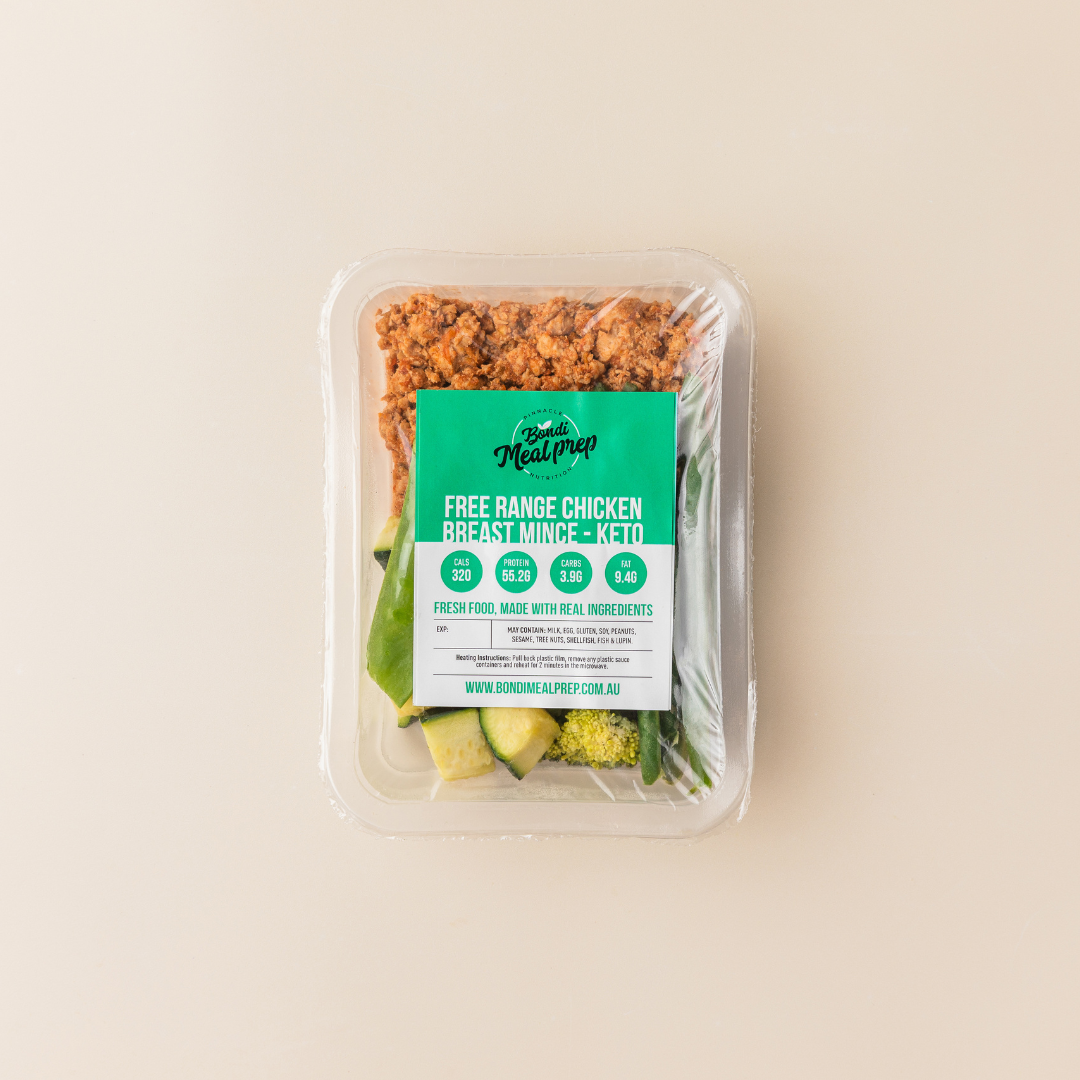
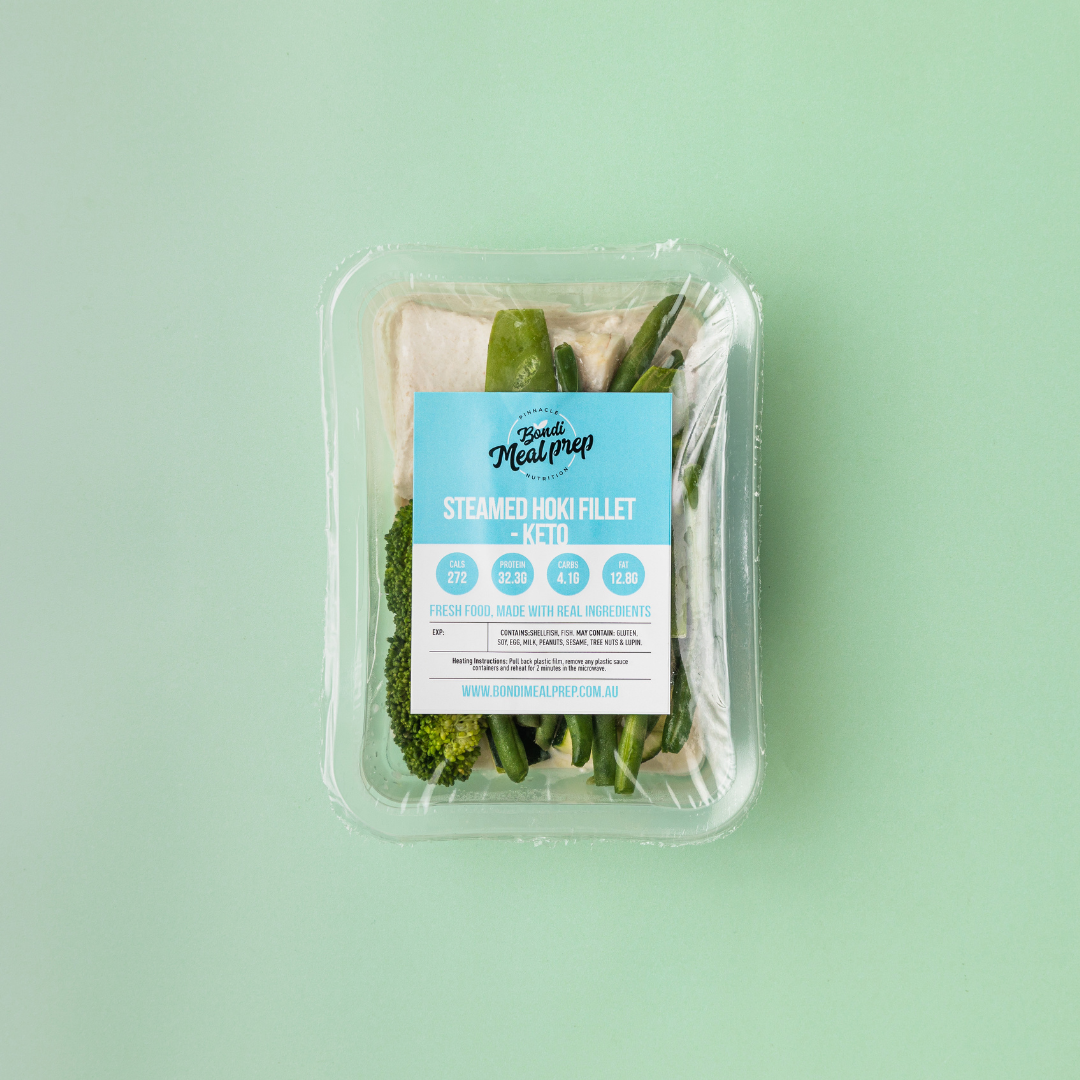
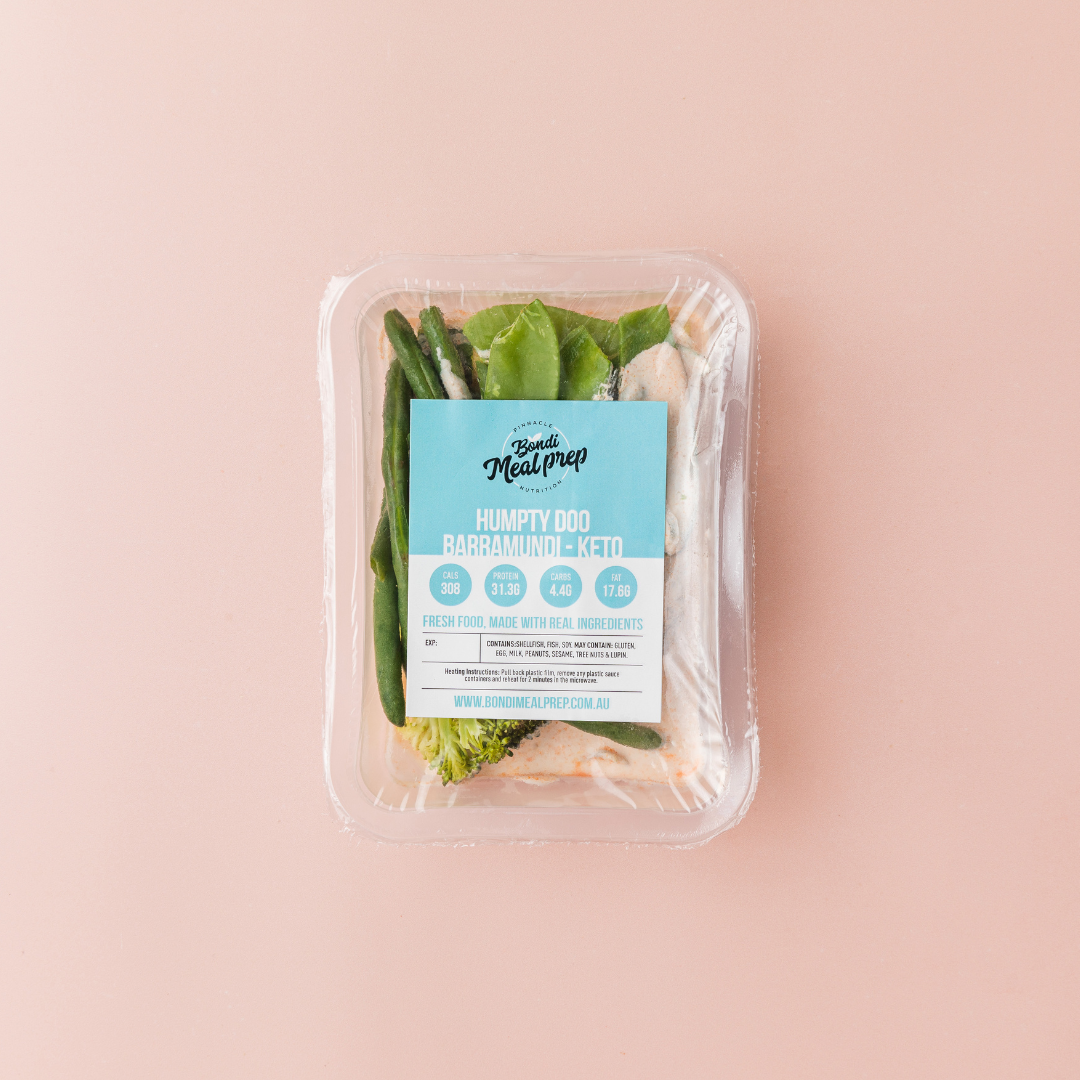
Bondi Meal Prep's keto meal range is freshly prepared by our chefs using grass-fed beef, free-range chicken, organic fish, and low-carb vegetables full of essential nutrients.
Whether you're a keto beginner still wrapping your head around net carbs, or a seasoned keto dieter who just needs a break from the kitchen, we have something clean, tasty and macro-balanced that's ready to heat and eat. Explore our full keto menu and discover just how easy and tasty it can be to perfect the pyramid!
Frequently Asked Questions
What is the keto food pyramid?
The keto food pyramid is a visual guide to the food groups and proportions that make up a healthy ketogenic diet. Unlike the traditional food pyramid, which places grains and carbs at the base, the keto pyramid puts healthy fats at the foundation, followed by moderate protein, then low-carb vegetables, with high-carb foods at the very top to be avoided. It's a practical framework for understanding what to eat and how much to stay in ketosis.
How many carbs can I eat on keto?
Most people on the keto diet aim for 20–50g of net carbs per day. Net carbs are calculated by subtracting fibre from total carbs, since fibre isn't digested and doesn't raise blood sugar. The lower your carb intake, the more reliably your body will stay in fat-burning mode. If you're new to keto, starting closer to at least 30g of net carbs per day is a safe approach while your body adjusts.
How much protein should I eat on the keto diet?
Protein should make up around 20–25% of your daily calories on keto. How much protein that translates to in grams depends on your body weight and goals, but a useful rule of thumb is roughly 1.2–1.7g of protein per kilogram of body weight per day. Too little and you risk losing muscle; too much and your body may convert the excess into glucose, which can disrupt ketosis.
Are starchy vegetables allowed on keto?
Starchy vegetables like potatoes, sweet potatoes, corn, and peas are generally too high in carbs for a standard keto diet. Even a small serving of these starchy veggies can use up your entire daily carb allowance. Stick to non-starchy vegetables like leafy greens, broccoli, cauliflower, and zucchini, which are low in net carbs and full of essential nutrients.
Can I eat dairy on the keto diet?
Yes, but with a couple of conditions. Full-fat dairy products like cheese, heavy cream, sour cream, and greek yogurt are great keto-friendly options. Avoid low-fat dairy, which typically contains added sugars to compensate for the missing flavour. Regular milk is also best avoided on keto due to its naturally higher carb content. Unsweetened almond milk is a better everyday alternative.