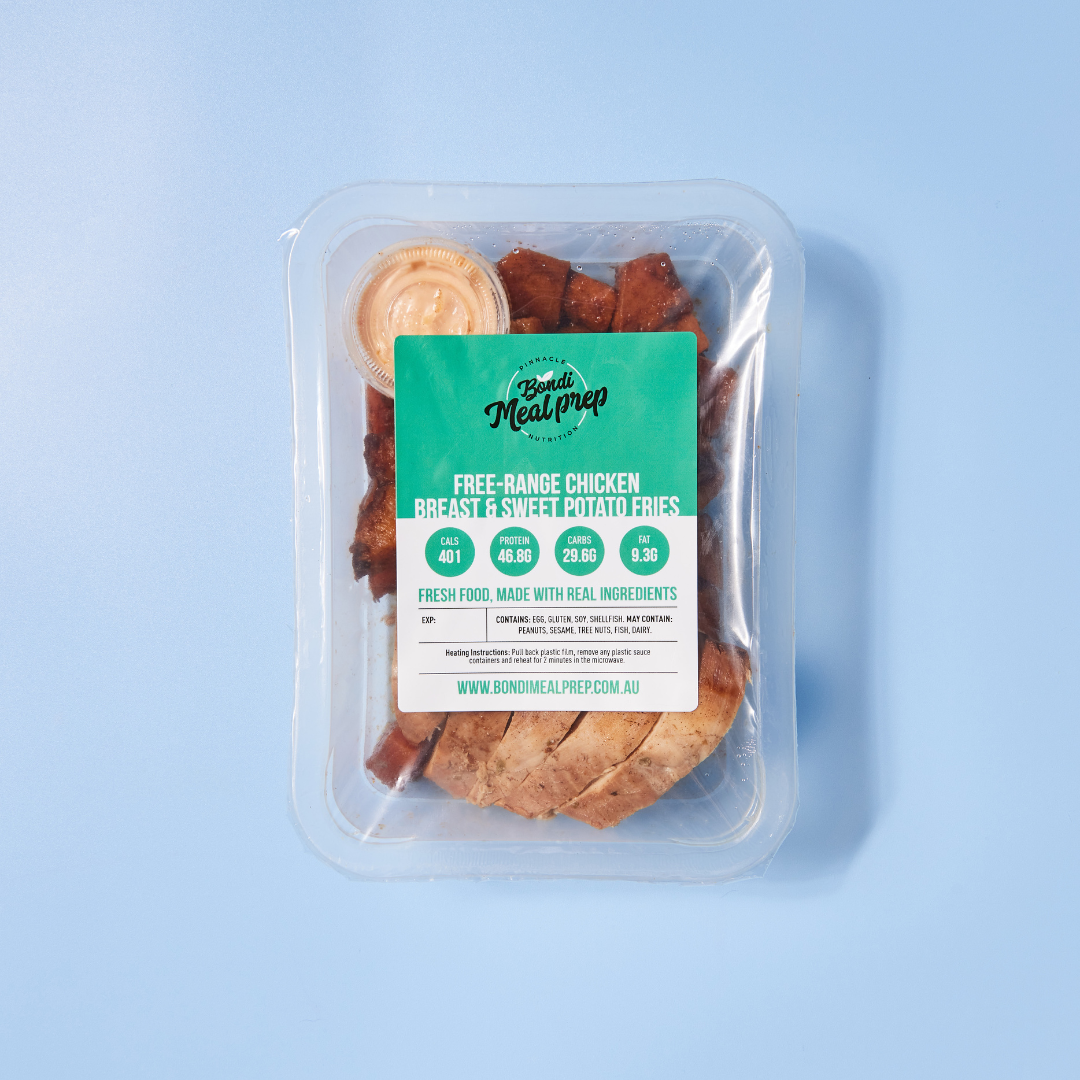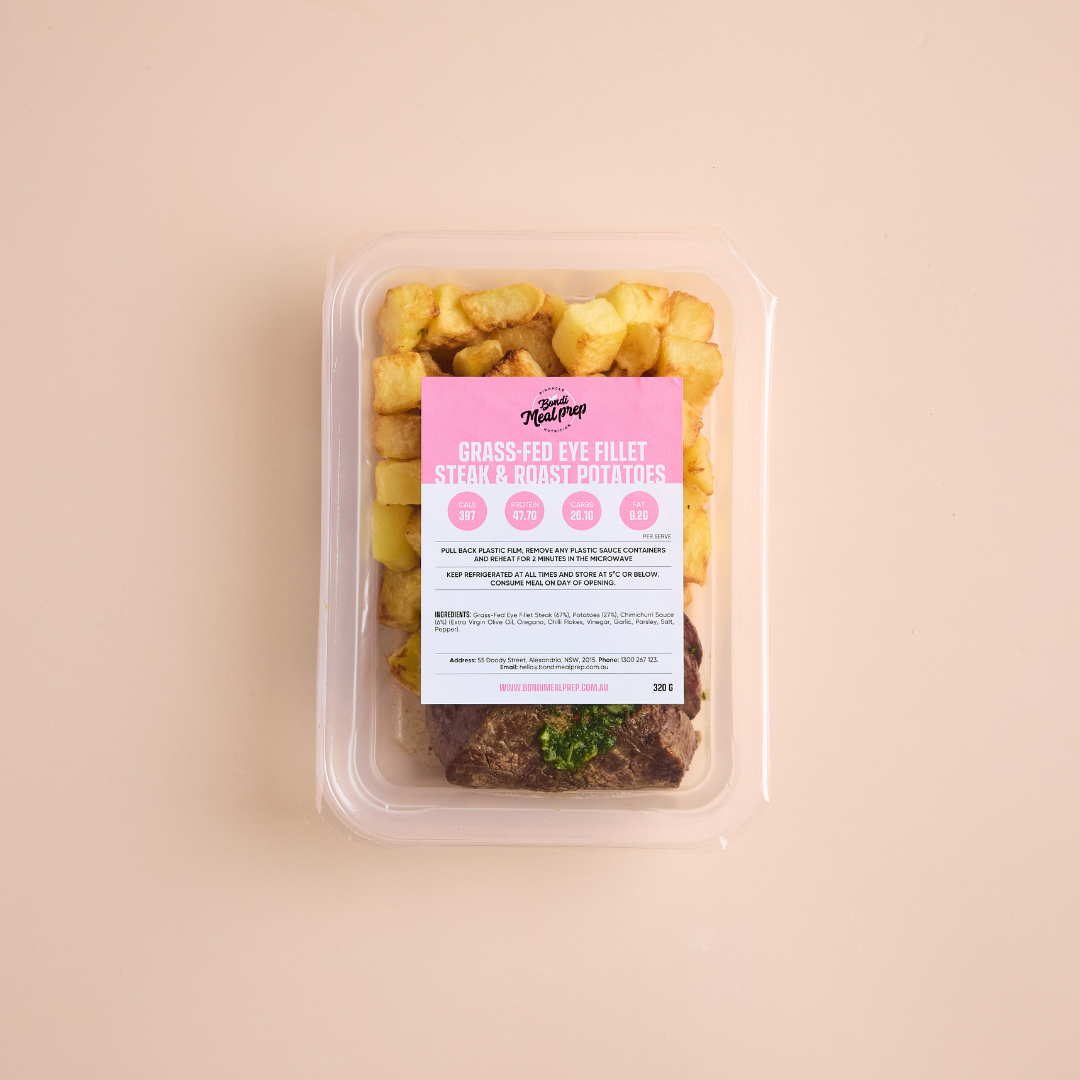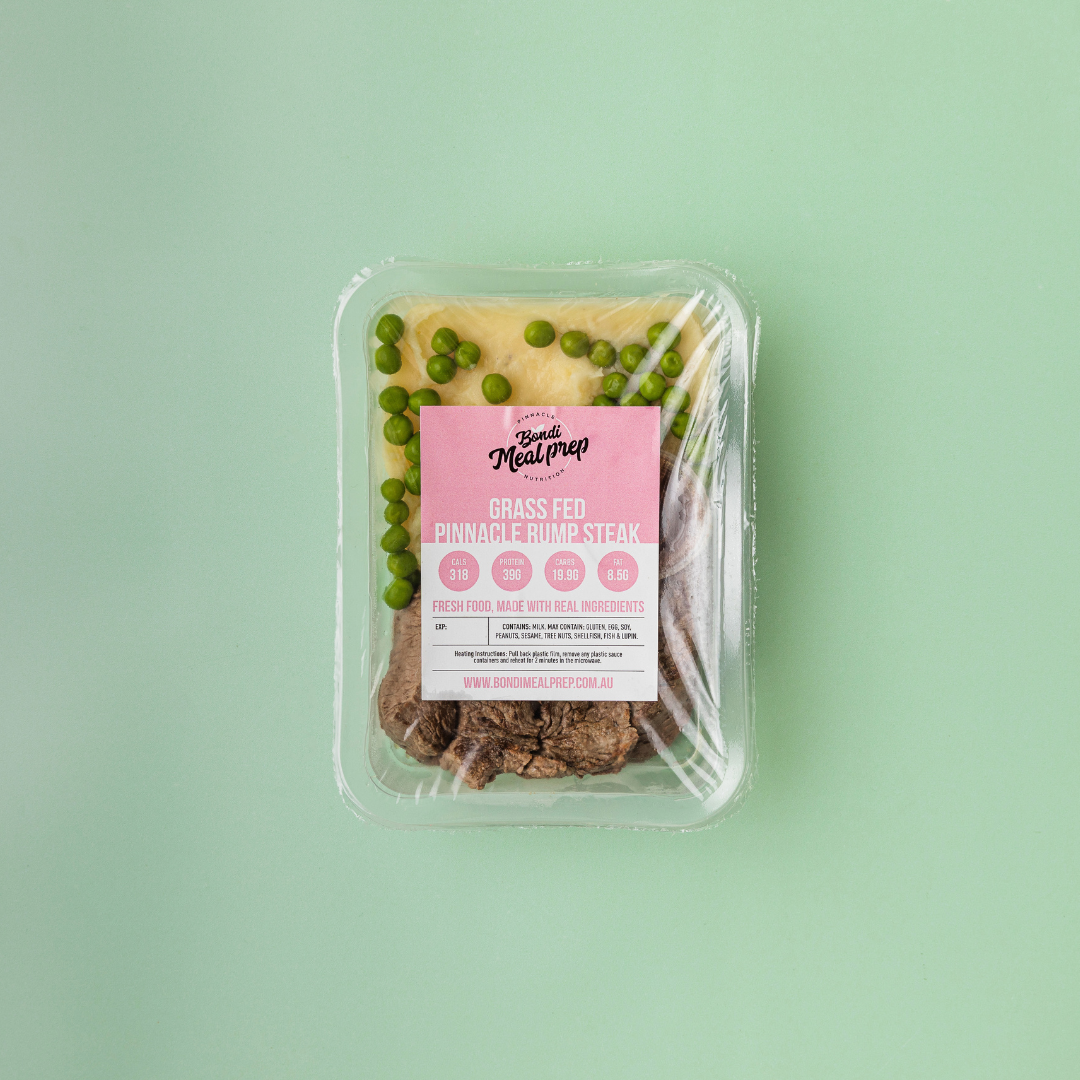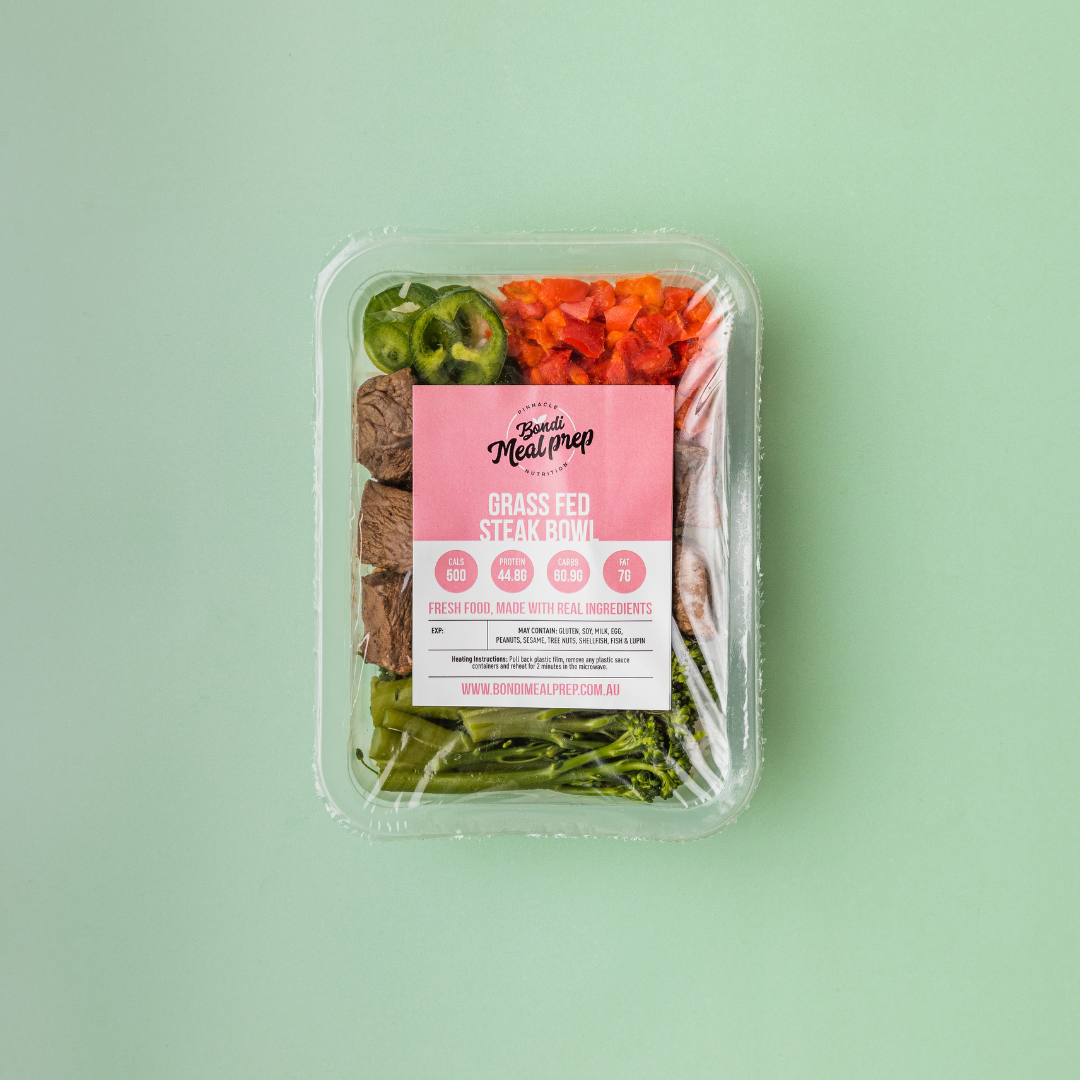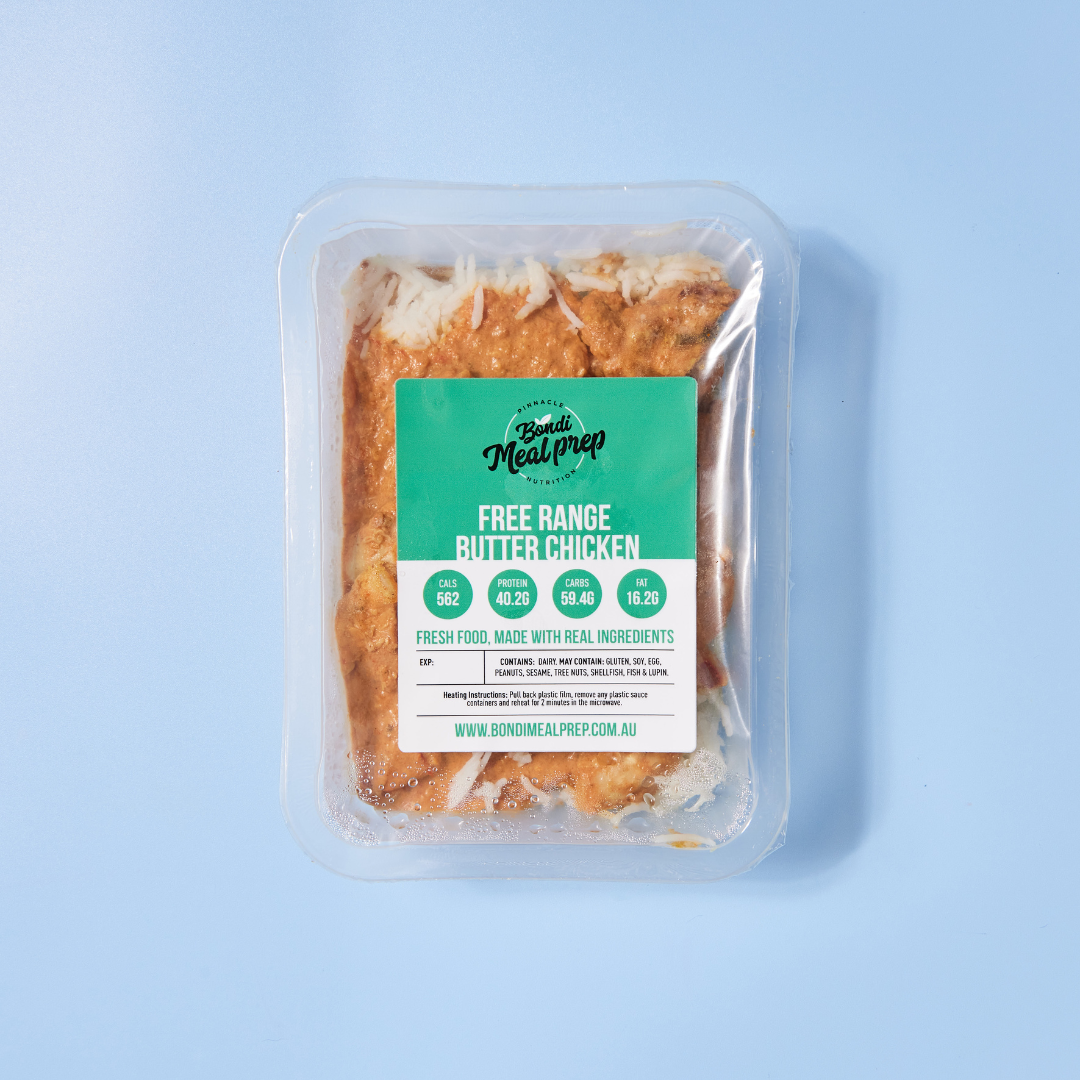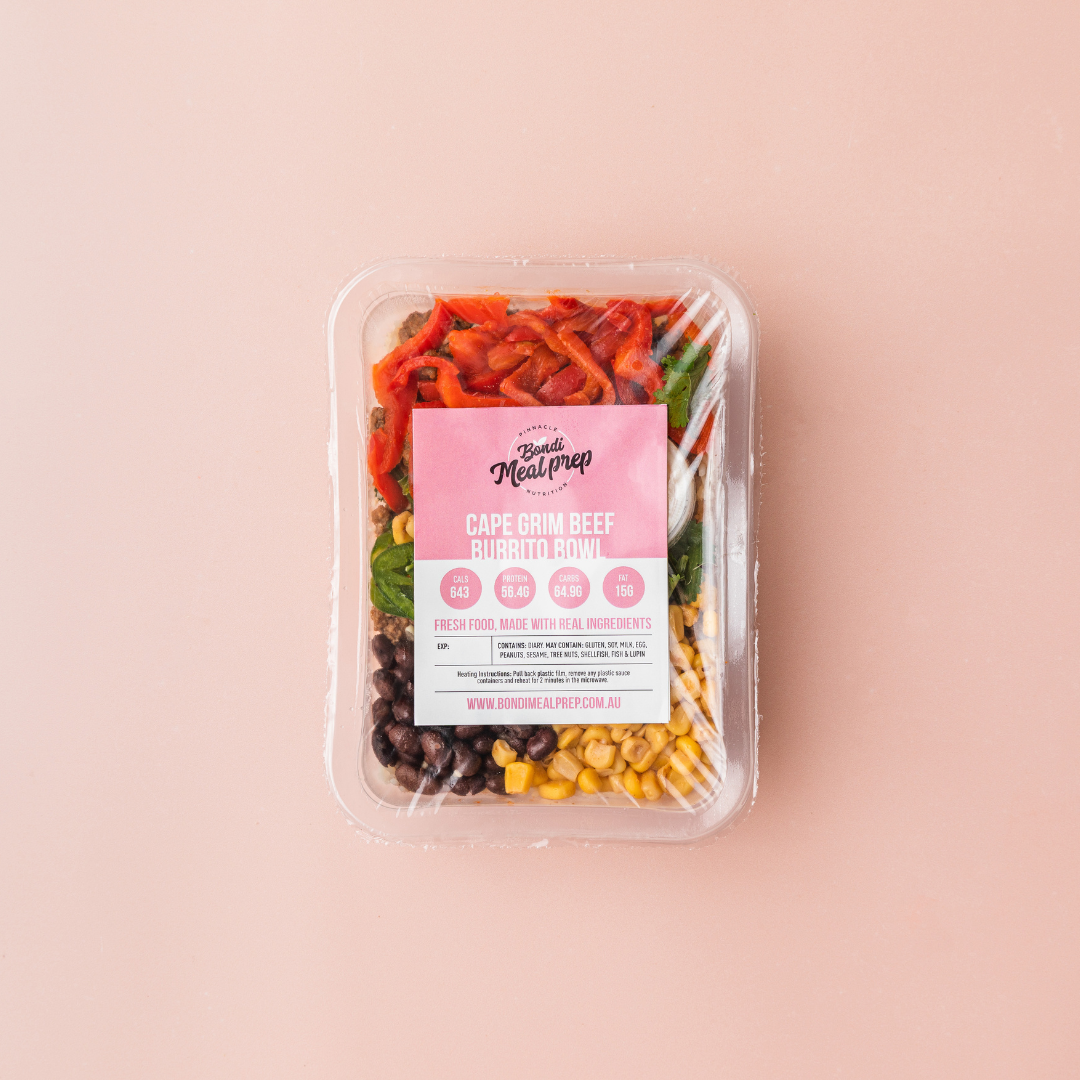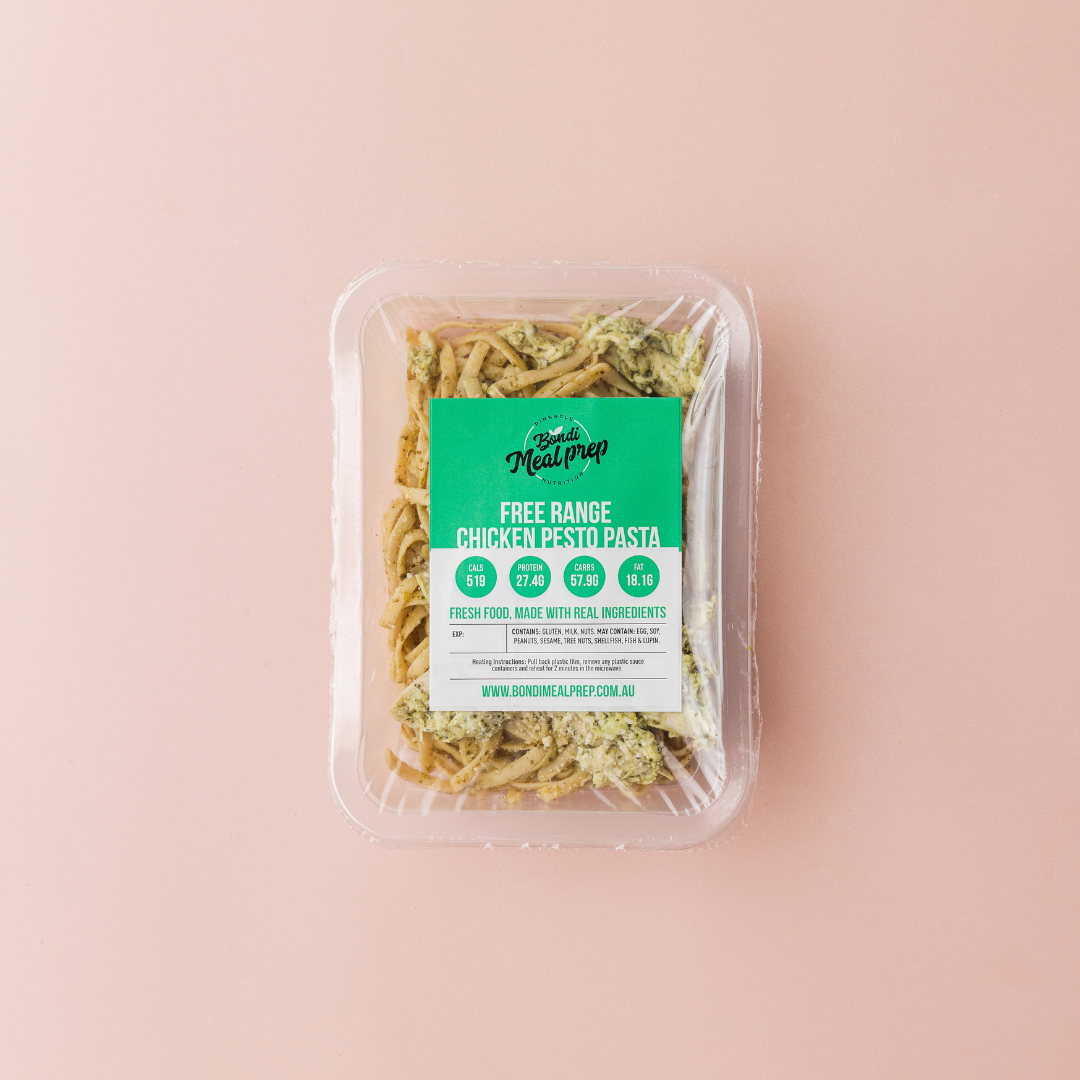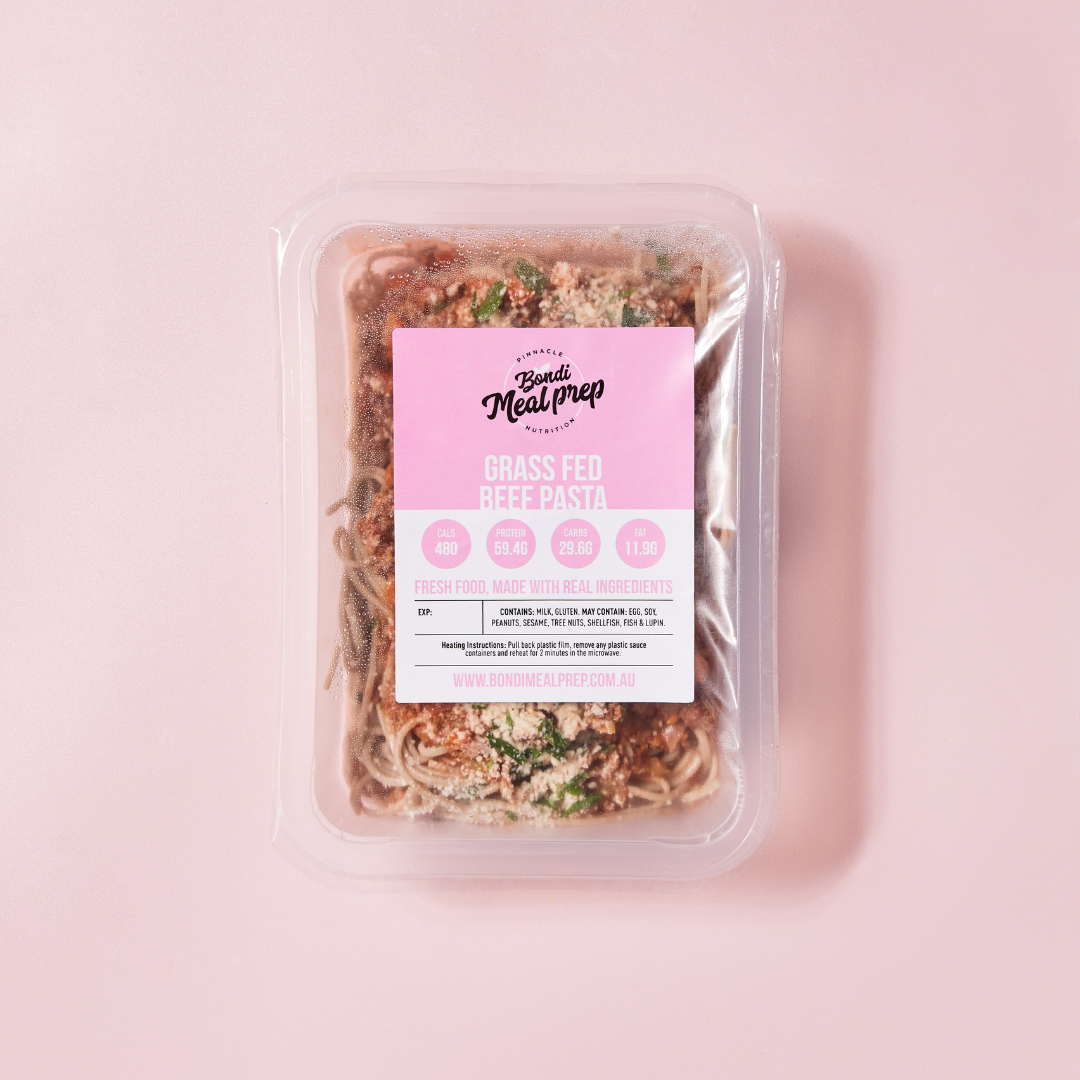

When you see a 7-day meal plan, it can feel like it was designed for someone else. Maybe it works well for a bodybuilder, a cardio fanatic, or someone focused on weight loss. But the truth is simple: no single meal plan works for everyone.
Instead, the best halal meal plan is one that adapts to you. That's because your energy needs, your routine, and your aims are different from anyone else’s. Whether your priority is reducing body fat, increasing strength, or keeping up with an active lifestyle, the foundation stays the same, but the details change.
This guide takes you through exactly how to make that happen. It gives you clear, practical nutrition frameworks for a range of lifestyles and health ambitions. It also shows how Bondi Meal Prep meals, which are made with halal-certified proteins, can make it easier to create a plan that is structured, halal-friendly, and 100% personalised.
Key Takeaways
Building an effective halal meal plan for fitness isn't about following someone else's diet—it's about creating a flexible framework that adapts to your specific goals, whether that's weight loss, maintaining an active lifestyle, or building muscle. The key is adjusting your protein, carbohydrate, and fat ratios while ensuring all ingredients meet halal standards.
- Halal nutrition is fully compatible with any fitness goal – all Bondi Meal Prep proteins are sourced from halal-certified suppliers, and meals can be structured around weight loss, active lifestyle maintenance, or muscle building by adjusting portion sizes and macronutrient ratios.
- Protein remains high across all goals (100-200g daily) to support muscle repair, appetite control, and recovery, while carbohydrates adjust most based on your energy needs (100-350g daily) and fats stay moderate (45-90g daily) for hormone function.
- For weight loss, create a calorie deficit by choosing lean halal proteins like chicken breast and fish, increasing vegetables and fibre for fullness, and maintaining high protein intake to preserve muscle mass while reducing overall calories.
- Active lifestyles require balanced energy throughout the day with moderate to high carbohydrates (180-280g) timed at regular intervals, steady protein intake (100-160g), and healthy fats to prevent energy crashes during long work days or training sessions.
- Muscle building demands a calorie surplus with the highest protein intake (160-200g daily), higher carbohydrates (250-350g) to support training performance, and frequent meals or larger portions to meet increased energy demands for growth and recovery.
- Use Bondi Meal Prep's macro calculator to determine your personalised daily calorie and macronutrient targets based on your height, weight, activity level, and goals, then filter meals on their website to match your specific requirements.
- Consistency comes from making good choices easy – build meals around protein and vegetables first, keep smart staples like rice and quinoa on hand, measure healthy fats carefully, stay hydrated, and have prepared halal meals ready for busy days when cooking isn't practical.
What Makes a Meal Halal?
A halal diet is about more than avoiding pork or alcohol-based products. It reflects how food is sourced, prepared, and consumed. In the context of meal planning, this means:
-
Halal-certified meats (chicken, beef, lamb) and fish from certified suppliers.
-
No pork, ham, or alcohol-based ingredients in any recipe.
-
Foods prepared in an environment free from cross-contamination of halal and non-halal produce.
-
Respecting personal values alongside health goals.
Halal eating is compatible with any nutritional strategy, from weight management to strength training. It simply sets clear boundaries on how ingredients are sourced and prepared.
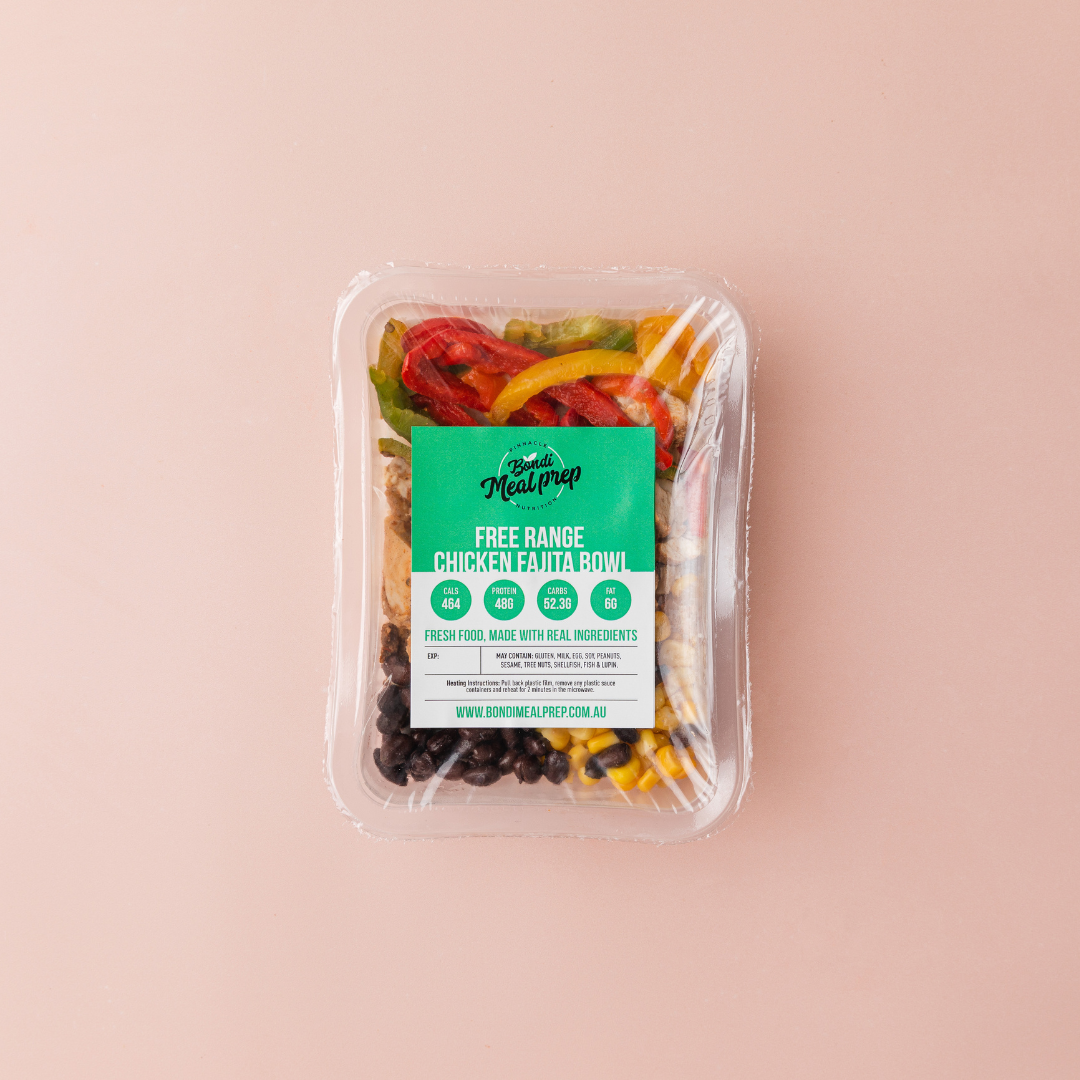
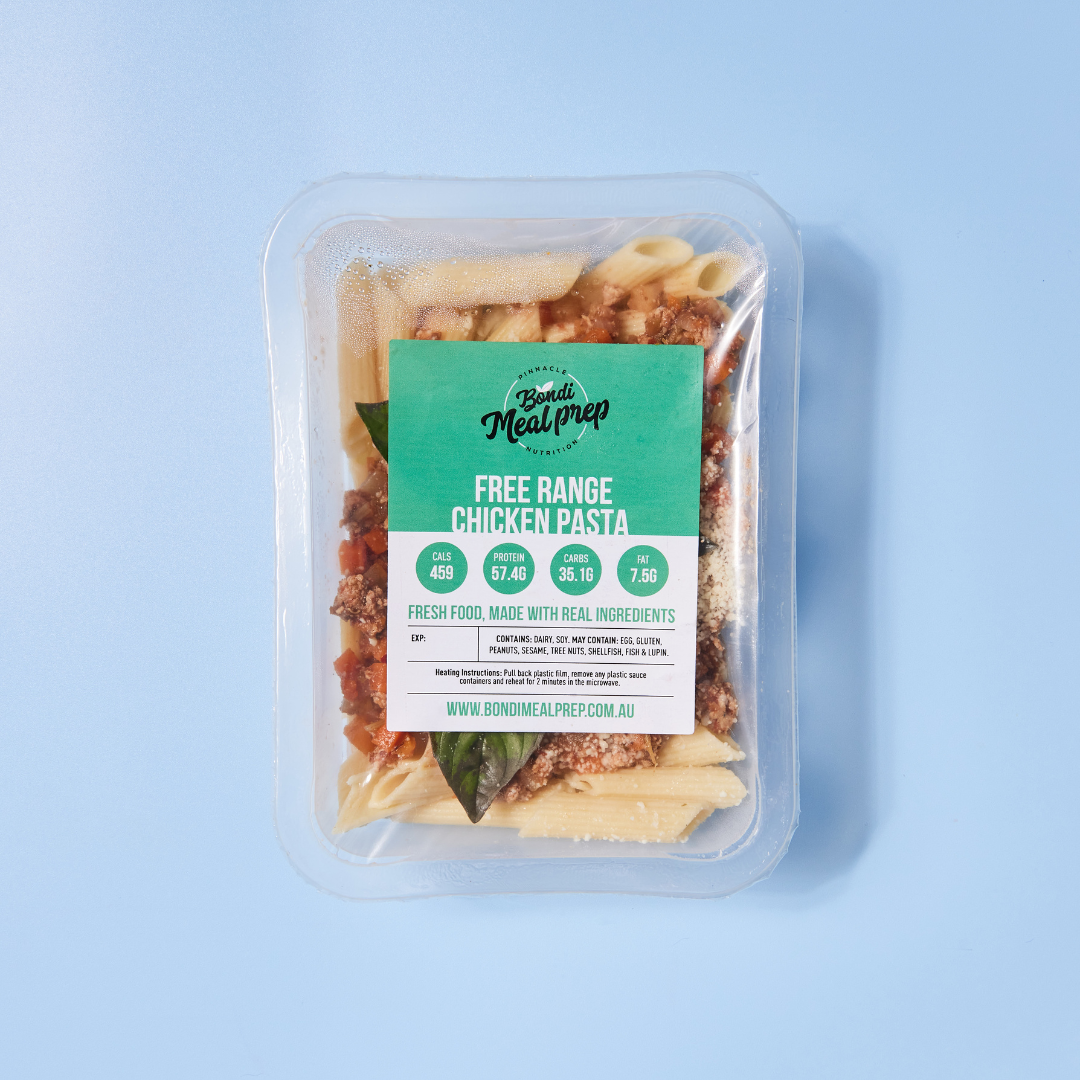
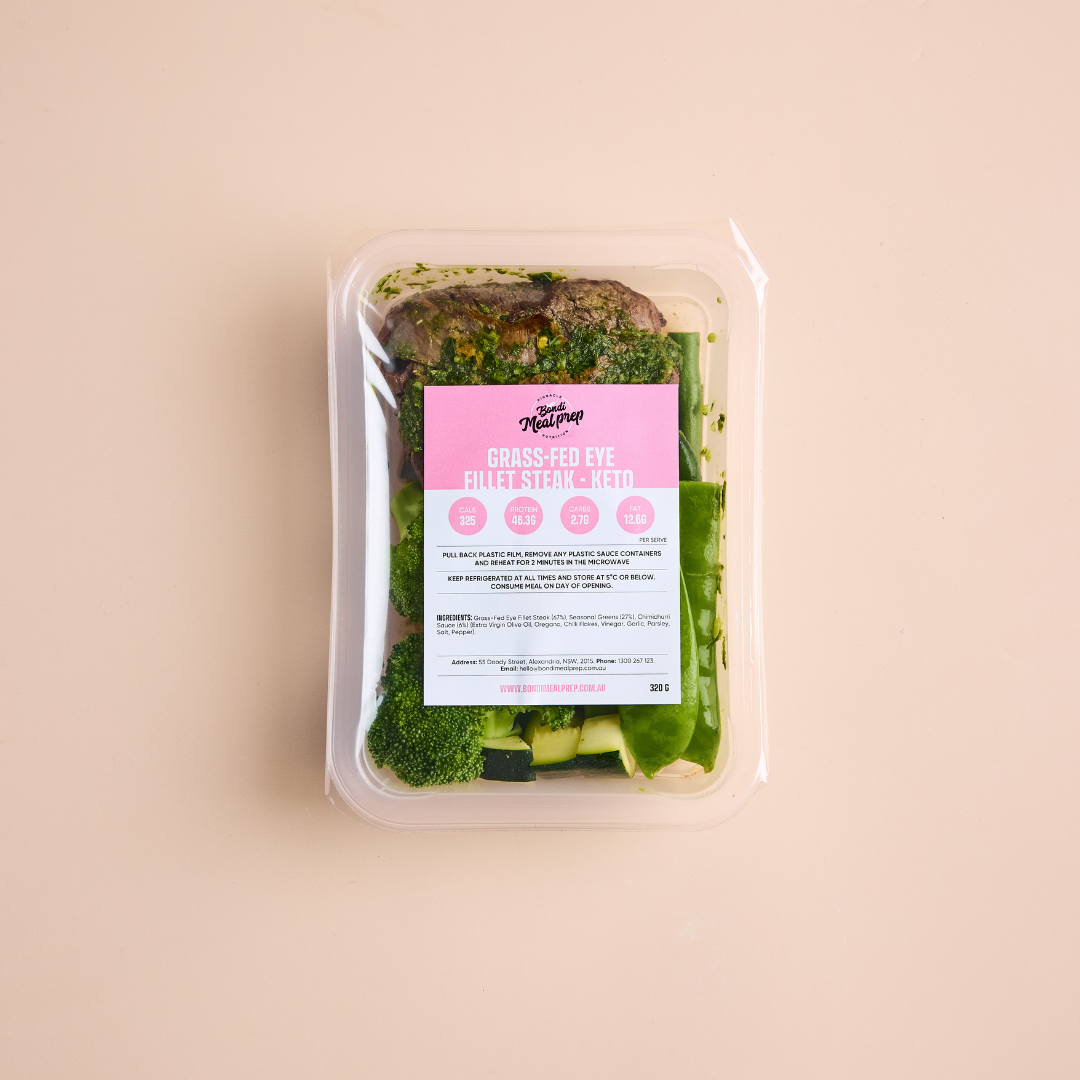
All Bondi Meal Prep proteins are sourced from halal-certified suppliers. While the meals are not certified as a whole, we’ll gladly provide documentation on request. Simply email us at hello@bondimealprep.com.au for more information.
Why a Structured Halal Meal Plan Helps
Without a clear plan, even the most disciplined eaters can struggle to maintain consistency. Skipping meals, eating whatever is closest, or relying on convenience foods can make it harder to reach your goals.
A structured halal meal plan helps by helping you align your daily macro intake with your goals. It also makes nutrient balance more predictable and measurable. Most importantly, it reduces stress around what to eat and when to eat it. At its core, a good meal plan does not restrict your life. It makes it easier.
Core Nutrition Principles Behind Any Plan
Before choosing a specific plan, it helps to understand the basic components of a balanced halal diet:
-
Protein supports muscle repair, satiety, and healthy body composition.
-
Carbohydrates provide energy for daily activities and training.
-
Fats support hormone health, nutrient absorption, and sustained energy.
-
Fibre aids digestion and helps maintain steady blood sugar levels.
-
Micronutrients from vegetables, fruit, grains, legumes, and meat support overall health.
A flexible halal meal plan is built around these core components, and then the ratios are adjusted based on your individual goals and lifestyle demands.
The Foundation: A 7-Day Halal Meal Plan Framework
This 7-day framework can be adapted based on portion size and macronutrient ratios. It offers a strong starting point for anybody seeking a wholesome, halal-friendly diet. It combines options that can easily be prepared at home with a few Bondi Meal Prep meals for added convenience.
|
Day |
Breakfast |
Lunch |
Dinner |
Snack (Optional) |
|
Monday |
Protein oats with cinnamon & berries |
Grilled tuna with herbed rice |
Free-range chicken thigh and greens |
Greek yoghurt with cashews |
|
Tuesday |
Scrambled eggs with tomato & feta |
Halal beef mince with quinoa |
Butter chicken with broccoli |
Hummus with veggie sticks |
|
Wednesday |
Smoothie with protein powder and banana |
Grilled chicken breast + sweet potato mash |
|
Roasted chickpeas |
|
Thursday |
Chia pudding with almonds |
Moroccan chicken bowl |
Halal beef stir-fry with brown rice |
Cottage cheese with berries |
|
Friday |
Avocado toast with eggs |
Free-range chicken breast wrap |
Teriyaki chicken with veggies |
Mixed nuts and seeds |
|
Saturday |
Omelette with spinach |
Halal lamb curry |
|
Dates with almond butter |
|
Sunday |
Yoghurt bowl with raspberries and seeds |
Chicken and lentil salad |
Spiced beef patties with side salad |
Protein shake |
This structure gives you a clear base, but it’s only the beginning. The way you adjust this plan will determine how well it supports your goals. Let’s take a closer look at some of the ways you can modify this plan so that it’s a tailor-made fit for your lifestyle.
Eating for Weight Loss
Experiencing weight loss on a halal diet comes down to creating a sustained energy deficit. Simply put, this involves burning more energy than you consume, without compromising your overall nutrition. For most people, this means:
-
Reducing total calories while maintaining sufficient protein intake.
-
Choosing lean halal proteins such as chicken breast, lean beef, or fish.
-
Increasing vegetables and high-fibre ingredients to support fullness.
-
Limiting added oils, sugars, and refined carbs.
When calories drop, protein becomes even more important. It preserves lean muscle mass, supports recovery, and helps you feel fuller and less deprived.
Sample Day for Weight Loss
-
Breakfast: Oats and high-protein yogurt with berries (high satiety, moderate carbs).
-
Lunch: Lemon chicken with herbed rice (controlled carbs, lean protein).
-
Dinner: Grilled lamb skewers with salad (lower calorie, nutrient-dense).
-
Snack: Greek yoghurt with pistachios (protein and healthy fats).
Why it works: This structure maintains steady energy without excessive calories, uses lean proteins to protect muscle, and prioritises volume from vegetables and fibre to prevent hunger.
Eating for an Active Lifestyle
For those working long days, training regularly, or managing a busy schedule, food is about fuel and recovery. The goal is to have a sustained source of energy throughout the day.
-
Carbohydrates become more important to support activity.
-
Protein intake stays steady to support recovery and muscle maintenance.
-
Healthy fats provide slower-burning energy and help stabilise energy levels.
-
Hydration is crucial for performance and concentration.
This approach is less about restriction and more about balance and energy management.
Sample Day for an Active Lifestyle
-
Breakfast: Scrambled eggs with tomato and feta (protein and fat for lasting energy).
-
Lunch: Chicken shawarma bowl with rice (balanced macros).
-
Dinner: Teriyaki chicken with sweet potato and veggies (moderate carbs, high protein).
-
Snack: Mixed nuts or a protein shake (sustained energy).
Why it works: Carbs are timed at even intervals throughout your day to give consistent energy. A high level of protein supports recovery, while fat provides 9 calories per gram, making it a concentrated energy source that can help you avoid crashes.
Eating for Muscle Building
To build muscle effectively, your body needs a calorie surplus and consistent strength training. Nutrition plays a crucial role in supporting growth and recovery.
-
High protein intake stimulates and repairs muscle tissue.
-
Moderate to higher carbohydrate intake supports training performance.
-
Healthy fats keep hormones balanced.
-
Frequent meals or larger portions help to meet energy demands.
In most cases, protein timing is less critical than total daily intake, but eating regularly can help you meet higher calorie goals.
Sample Day for Muscle Building
-
Breakfast: Omelette with spinach and avocado toast (extra calories and protein).
-
Lunch: Lamb kofta bowl with tahini dressing (protein and nutrient-dense fats).
-
Dinner: Grilled chicken thigh with rice and veggies (balanced macros).
-
Snack: Dates with almond butter or a shake (carbs and protein).
Why it works: Meals are structured to create a calorie surplus with controlled nutrient quality. Naturally, a high intake of protein is prioritised to support muscle repair and growth.
The Science Behind the Adjustments
At a glance, here is a comparison table outlining the main macro adjustments that each of these three approaches to meal planning involves:
|
Goal |
Protein |
Carbohydrates |
Fats |
Key Strategy |
|
Weight Loss |
High: 120-160g daily (to maintain muscle) |
Moderate to low: 100-180g daily |
Moderate: 45-70g daily |
To create calorie deficit while still feeling full |
|
Active Lifestyle |
Moderate to high: 100-160g daily |
Moderate to high: 180-280g daily |
Moderate: 50-80g daily |
To maintain balanced energy for consistent output |
|
Muscle Building |
High: 160-200g daily |
Higher: 250-350g |
Moderate: 60-90g daily |
Large intake of calories and protein for recovery and muscle growth |
This table shows us that:
-
Protein should stay high across all goals to support muscle repair, appetite control, and recovery.
-
Carbohydrates adjust most depending on energy needs.
-
Fats remain moderate to support hormone function and energy balance.
These numbers are based on average body weights of 60–90 kg and can be fine-tuned using your personal stats and activity level.
Following this basic framework of adjustments gives you control over your nutrition without the need for complicated tracking apps or rigid rules. If you make your meal planning simple, it’s much more likely that you’ll be able to stick to it long term.
Bondi Meal Prep’s Macro Calculator: Personalise Your Plan
While these meal plans are well-structured, your exact needs are unique. Your height, weight, activity level, and goals influence what and how much you should eat. That’s why Bondi Meal Prep’s macro calculator is a practical starting point for anybody seeking an added level of customisation.
-
It gives you a personalised daily calorie and macronutrient target based on your personal characteristics.
-
The filter on our meals page enables you to choose options that include specific amounts of calories, protein and carbs.
If your aim is weight loss, maintenance, or muscle growth, the calculator and filter options make it easier to plan your daily meals with these goals in mind.
Tips to Stay Consistent with Your Halal Meal Plan
Consistency is what turns a meal plan into tangible results. The aim is to make good choices easy and repeatable, even on busy days. These simple habits will keep you moving in the right direction without unnecessary complications:
-
Build meals around protein and vegetables first
Start with chicken, beef, lamb, fish, eggs, or legumes, then add colourful vegetables. This supports fullness, muscle repair, and steady energy, while also ensuring you get enough micronutrients for all-around health. -
Keep smart staples on hand
Stock up on rice, oats, quinoa, wholemeal wraps, and canned lentils or chickpeas. These make it easy to adjust carbohydrates up or down based on training and activity. -
Use healthy fats in measured amounts
Add olive oil, avocado, nuts, or tahini for flavour and satiety. A small serve goes a long way and helps keep calories in check. -
Hydrate throughout the day
Aim for steady water intake rather than big catch-up drinks at night. Proper hydration supports focus, training, and digestion throughout the day. -
Plan for imperfect days
If you miss a meal or eat off-plan, adjust the next one rather than writing off the entire day. Remember, one decision does not define your diet. -
Lean on prepared options when life gets busy
If you want to stick to your plan, convenience is key. Keep a few of Bondi Meal Prep’s delicious meals in the fridge so you always have a halal-friendly, balanced choice ready to heat and eat.
Small, repeatable actions create momentum. You should keep your plan simple, stick to it daily, and let the routine do the work.
Halal by Bondi Meal Prep: Real Food for Real Results
Good food should support your lifestyle, not complicate it. With Bondi Meal Prep, following a structured meal plan means more, not less. You enjoy more nutrients, more flavour, and more time back in your day.
All our meals are prepared fresh by chefs, nutritionist-approved, and adaptable to your unique lifestyle. Paired with our macro calculator, they give you the ability to personalise your nutrition without the stress of endless cooking or tracking.
Explore our Halal menu today and turn your goals into a personalised meal plan you’ll love to the last bite.