
Many people think successful cutting comes from eating as little as possible. In truth, it’s about eating strategically and creating a steady calorie deficit while staying properly nourished. Here’s what really matters when prepping lean, clean meals for your cut:
Key Takeaways
-
Prioritise protein: Around 45% of your calories should come from lean protein to maintain muscle mass.
-
Balance matters: Combine protein with 35% fats and 20% carbohydrates to support energy, recovery, and fullness.
-
Whole foods work best: Choose nutrient-dense foods such as chicken breast, fish, eggs, brown rice, sweet potatoes, olive oil, and plenty of vegetables.
-
Avoid basic mistakes: Cutting too aggressively, not sticking to your training schedule, or relying on processed diet foods can slow your progress.
-
Prep for success: Planning and portioning your meals in advance makes it easier to control your calorie intake.
-
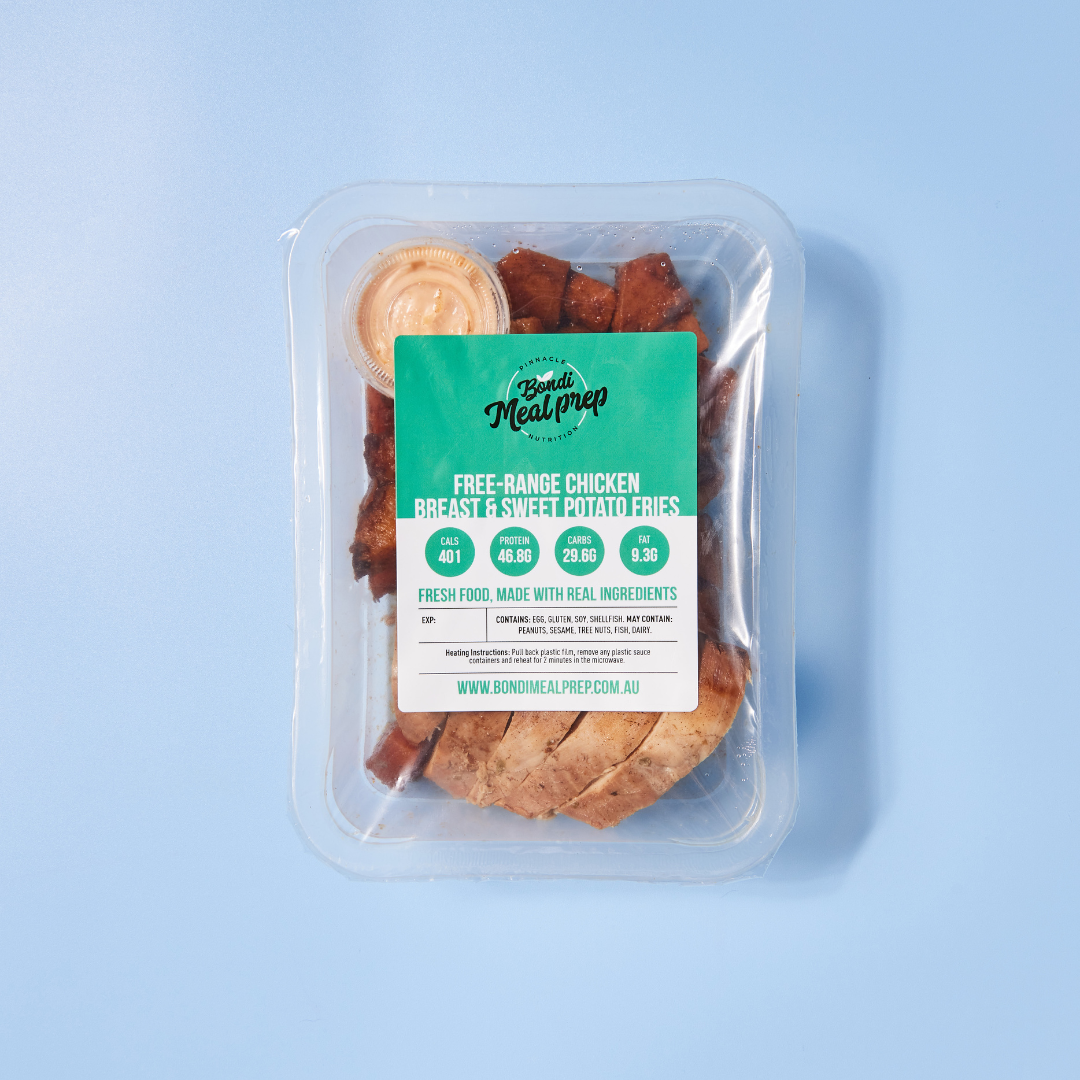
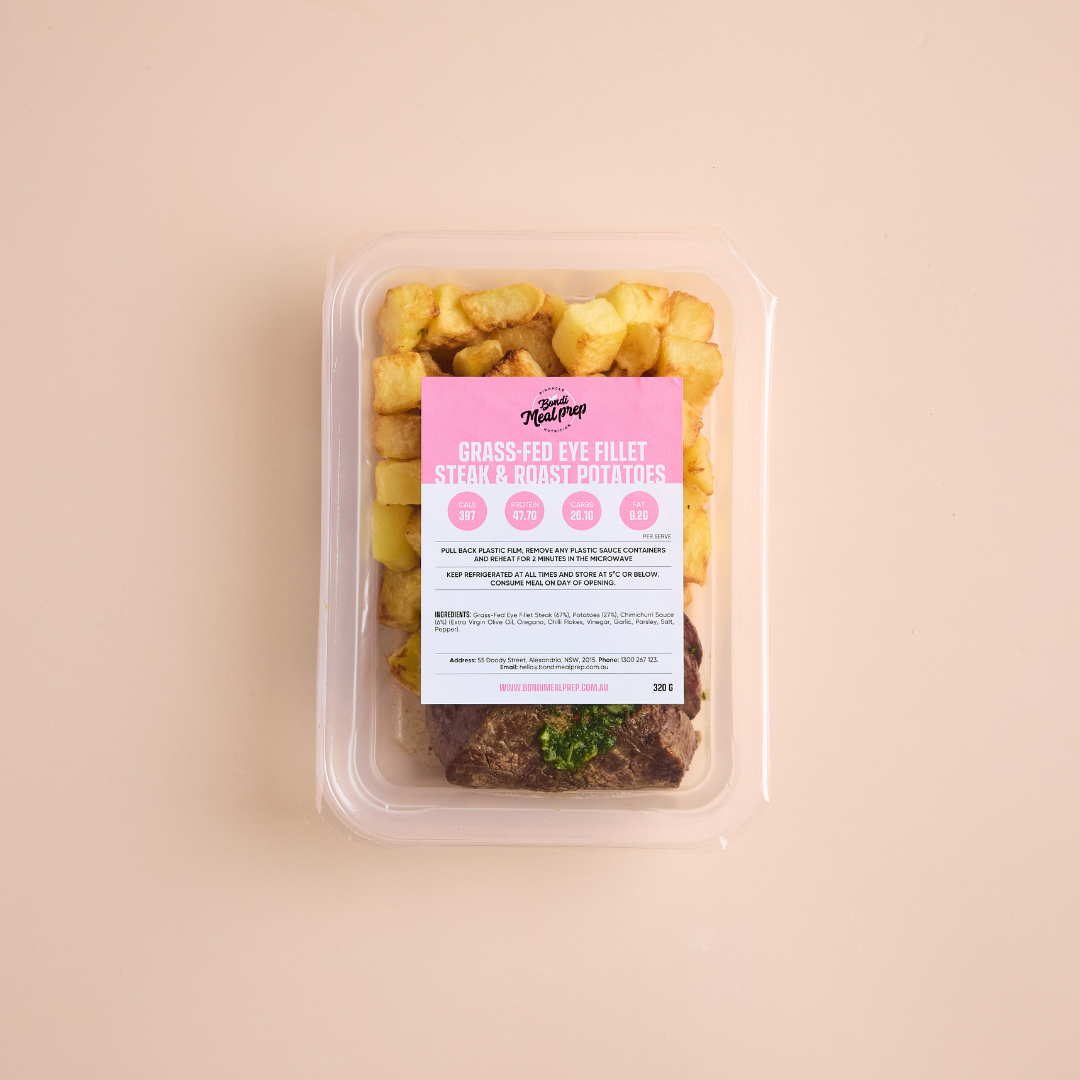
Bondi Meal Prep makes it easier: If you’re pushed for time, balanced readymeals rich in lean protein and micronutrients are the easiest way to stay nourished and in deficit.
Meals That Make the Cut
Cutting isn’t just about taking things away. To do it right, you often need to add. You need more lean protein, more natural fats, and a lot more structure in your diet. The goal isn’t simply to eat less, but to eat smarter.
Success with cutting comes from being highly strategic about your nutrition. First and foremost, you need a steady calorie deficit to burn body fat. Because you’re trying to maintain muscle at the same time, you need to eat more protein than you would ordinarily. Finally, you also need nutrient-dense meals that help you perform at your best in the gym, at work, and everywhere in between. If all this sounds like a lot to balance, it’s because it is. Luckily, Bondi Meal Prep’s nutrition experts are here to help.
In this guide, you’ll learn the science behind cutting nutrition, how to create a realistic, sustainable meal plan, and how Bondi Meal Prep’s meals can make staying consistent with your cut more achievable. Whether you’re preparing for competition or just aiming for a leaner, stronger body, this guide will help you to cut smart, eat well, and look and feel your best.
The Nutritional Science of a Cutting Diet
Before you plan your meals, it’s important to understand the basic science that makes a high-protein, low-carb diet work. Grasping how these principles apply can help you transform your calorie counting and everyday meal planning into lasting results.
Calorie Deficit
Bodybuilders often start with a bulking phase before cutting. This stage involves eating a high-calorie, protein-rich diet while lifting intensely to build muscle. The goal is to consume more calories than the body needs, creating what nutrition experts call a caloric surplus that supports muscle growth.
Once muscle has been built, it’s common to switch to a cutting diet that strips away body fat. Every effective cut begins with a calorie deficit. Simply put, this means eating fewer calories than your body burns.
To estimate a healthy deficit, start by using Bondi Meal Prep's free macro calculator to figure out approximately how many calories you need to maintain your current weight. Then reduce that number by around 10–20%. This range should support sustainable weight loss without leaving you feeling too tired or hungry.
It's wise to avoid cutting calories too aggressively. Severe restriction can slow your metabolism, increase fatigue, and even lead to muscle loss. Instead, a steady, moderate deficit gives your body a chance to adapt and tends to be more effective.
A calorie deficit for a cut works best when combined with regular resistance training. This is because strength training tells your body to retain lean muscle and use stored fat for energy.
Macro Breakdown: Protein, Carbohydrates & Fats
Protein, carbohydrates, and fats are the foundation of every cutting diet. The first step of planning a balanced diet is understanding the nutritional value of each macro and how much to ration them when preparing your meals.
Protein
Protein helps maintain muscle mass, supports recovery, and keeps you full for longer. Aim for about 1.6–2.2 grams per kilogram of body weight, or around 45% of your total calories. Good sources include chicken breast, turkey mince, red meat, egg whites, white fish, Greek yogurt, tofu, and whey protein.
Carbohydrates
Carbs are your main energy source, particularly when you train. Choose complex carbohydrates that digest slowly and keep blood sugar stable, such as brown rice, quinoa, sweet potatoes, and whole grains. These provide long-lasting energy and support recovery after workouts. You should aim for about 20% of your total calorie count.
Fats
Healthy fats play a vital role in hormone regulation, brain health, and fullness. Include moderate amounts of olive oil, avocado, almond butter, nuts, and seeds, keeping fat intake around 35% of total calories. Avoid processed oils or fatty meats that add unnecessary calories without quality nutrients.
Balancing your macronutrients ensures every meal supports your training and recovery. The right mix helps preserve muscle, promotes fat loss, and keeps your energy levels steady throughout the day.
What Makes a Great Cutting Meal?
A great cutting meal is balanced, satisfying, and easy to repeat. Each plate should include lean proteins, quality carbohydrates, healthy fats, and plenty of vegetables to keep you full.
Here’s how to build it:
-
Start with protein. Base every meal around a lean protein such as chicken breast, salmon, eggs, or tofu.
-
Add smart carbs. Use one cup of complex carbohydrates like brown rice, quinoa, or sweet potato. These carbs support performance without spiking your blood sugar.
-
Include healthy fats. A drizzle of olive oil or a tablespoon of almond butter adds flavour and supports hormone health.
-
Load up on vegetables. Non-starchy vegetables like green beans, spinach, and kale increase volume without adding many calories.
For example, grilled salmon with the skin on, one cup of brown rice, steamed kale, and a tablespoon of olive oil make a balanced and satisfying cutting meal.

Avoid the temptation to prepare meals that fall below your set calorie amount. The goal is to feel as full and energised as possible while still losing fat at a steady pace.
A cut cycle will normally last weeks, not days. The best cut meals are those that you can eat for a prolonged time period without feeling too deprived or physically depleted.
7-Day Sample Cutting Meal Plan
This example meal plan shows how you can combine structure, balance and a variety of flavours in your cutting phase. It's based on approximately 1,800-2,000 calories per day, but you can adjust portion sizes depending on your total calorie target and activity level.
|
Day |
Breakfast |
Lunch |
Dinner |
Snack |
|
Day 1 |
Greek yogurt with berries and 1 tbsp almond butter (≈ 350 cal) |
Grilled chicken breast with 1 cup brown rice and steamed greens (≈ 500 cal) |
Salmon fillet with sweet potato and asparagus (≈ 550 cal) |
Cottage cheese with pineapple (≈ 200 cal) |
|
Day 2 |
Egg omelette with spinach and one slice of whole wheat bread (≈ 300 cal) |
Turkey mince chilli with cauliflower rice (≈ 450 cal) |
Lean beef stir-fry with mixed vegetables (≈ 550 cal) |
Protein shake with whey protein powder and water (≈ 200 cal) |
|
Day 3 |
Overnight oats with Greek yogurt and blueberries (≈ 350 cal) |
Grilled fish with sweet potato wedges and salad (≈ 450 cal) |
Chicken breast with brown rice and broccoli (≈ 500 cal) |
Rice cakes with almond butter (≈ 200 cal) |
|
Day 4 |
Scrambled eggs with smoked salmon and avocado toast (≈ 400 cal) |
Black beans with lean ground beef and vegetables (≈ 500 cal) |
Tofu and vegetable bowl with 1 cup brown rice (≈ 500 cal) |
Greek yogurt with almonds (≈ 200 cal) |
|
Day 5 |
Protein shake with spinach and banana (≈ 300 cal) |
Salmon salad with olive oil vinaigrette and quinoa (≈ 500 cal) |
Turkey mince with sweet potato mash and green beans (≈ 550 cal) |
Cottage cheese with berries (≈ 200 cal) |
|
Day 6 |
Egg white muffins with mushrooms and spinach (≈ 300 cal) |
Chicken breast with brown rice and roasted vegetables (≈ 500 cal) |
Lean beef burger with sweet potato fries and salad (≈ 550 cal) |
Greek yogurt with 1 tbsp almond butter (≈ 200 cal) |
|
Day 7 |
Greek yogurt with nuts and berries (≈ 350 cal) |
Tofu stir-fry with brown rice and green vegetables (≈ 450 cal) |
Baked fish with sweet potato and steamed spinach (≈ 500 cal) |
Protein shake with apple (≈ 200 cal) |
If you’re after even more options to add to your weekly meal rotation, check out our 9 Simple but Delicious High-Protein, Low-Carb Recipes.
Whole Foods & Meal Prep Strategy
Meal prep is one of the most effective habits for staying consistent during a cutting phase. It turns good intentions into a clear plan. When your meals are portioned and ready to go, it becomes easier to make healthy choices and avoid last-minute temptations.
It's wise to set aside a few hours each week to cook simple staples such as grilled chicken breast, roasted sweet potatoes, or steamed brown rice. Portion them into containers and mix and match throughout the week for quick, balanced meals.
On training days, choose meals that include starchy vegetables or brown rice to give you energy. On rest days, opt for lighter meals with fewer carbs and extra greens to keep your calorie deficit and vitamin intake steady.
Planning your meals helps you stay within your calorie limits and makes healthy eating part of your routine, even on the most hectic days. It might seem like a mundane task at first, but meal prepping soon becomes second nature and the bedrock of a successful cut.
Make Your Cut Consistent with Bondi Meal Prep
Sticking to a cut is a huge commitment. It means training hard, recovering well, and staying mindful of what you eat. Spending all your evenings weighing ingredients and worrying about portion sizes doesn’t make the process any easier.
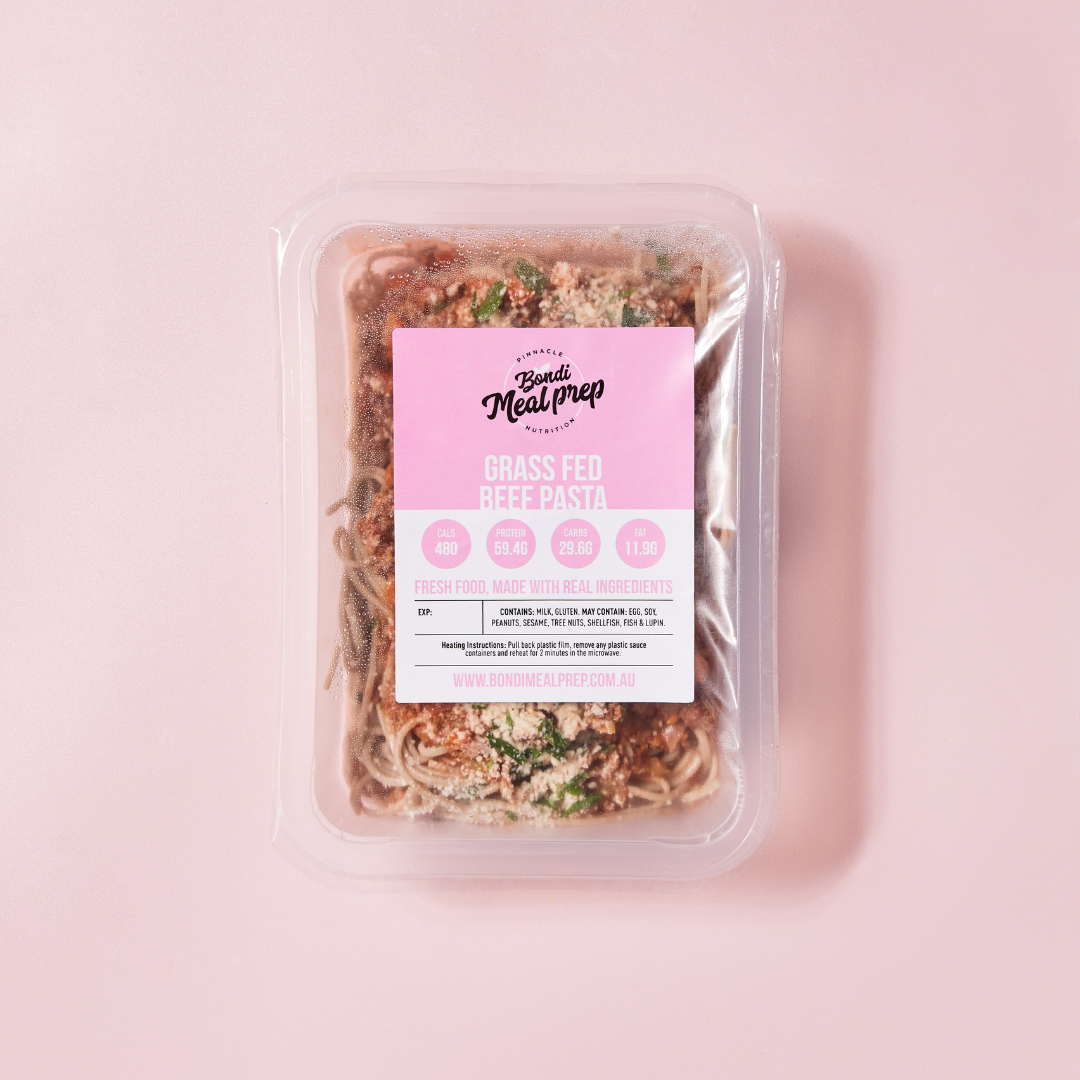
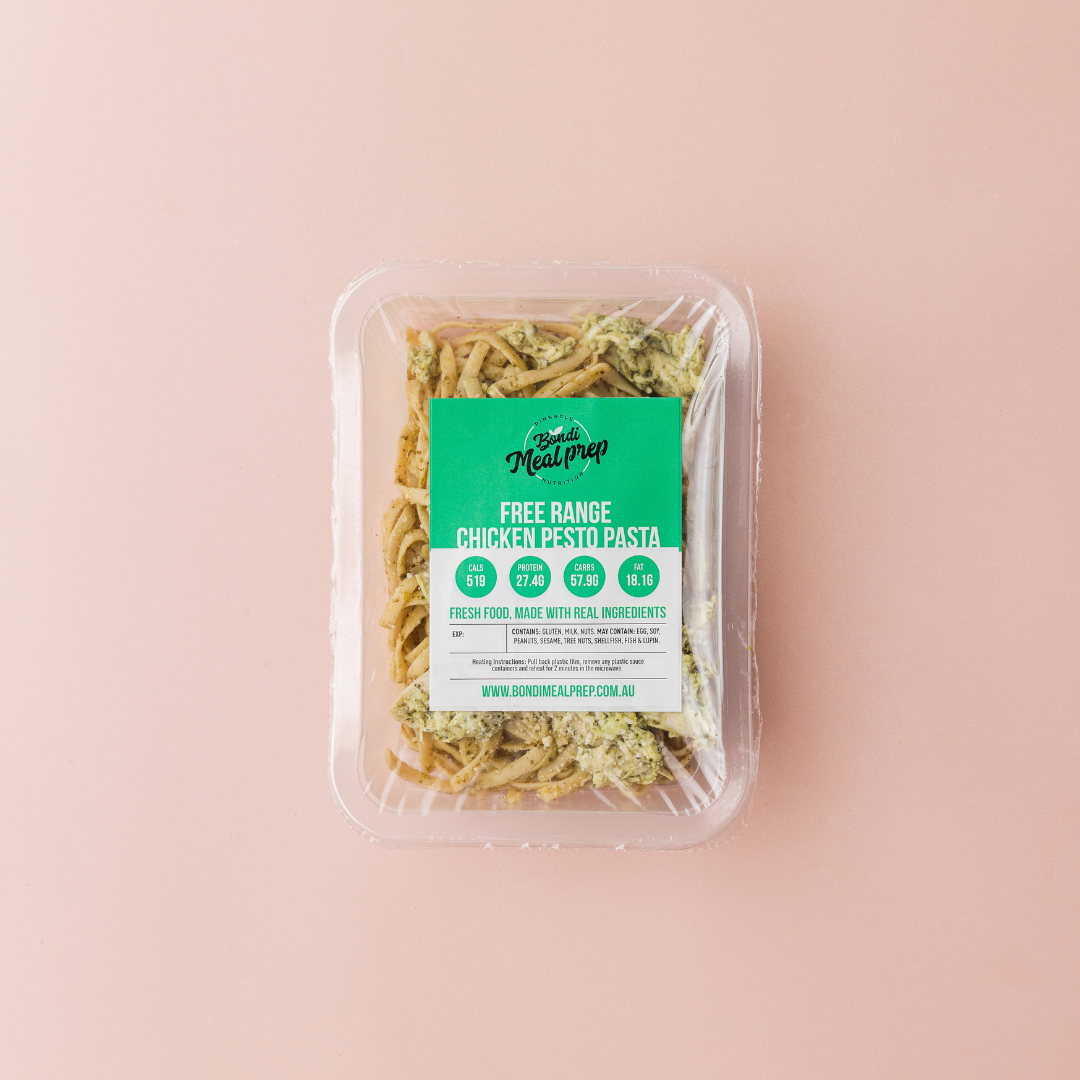
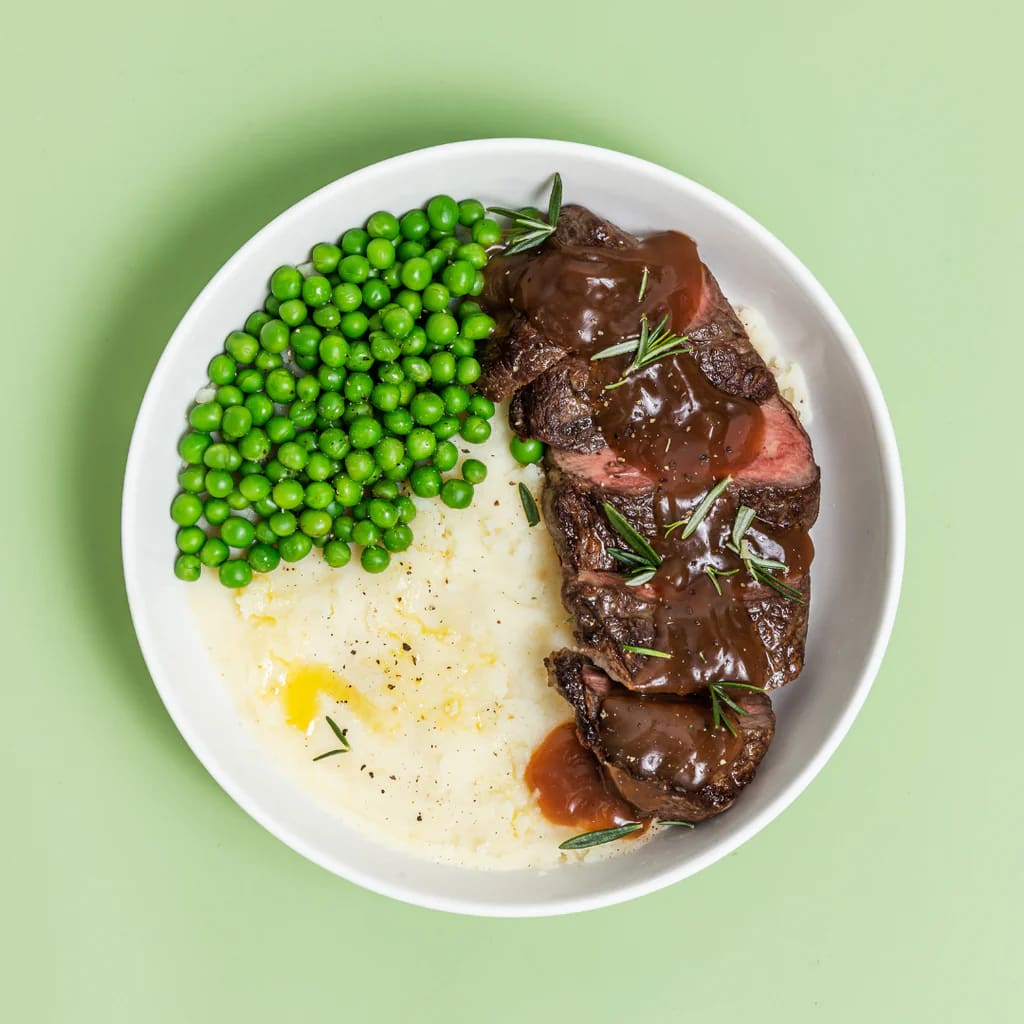
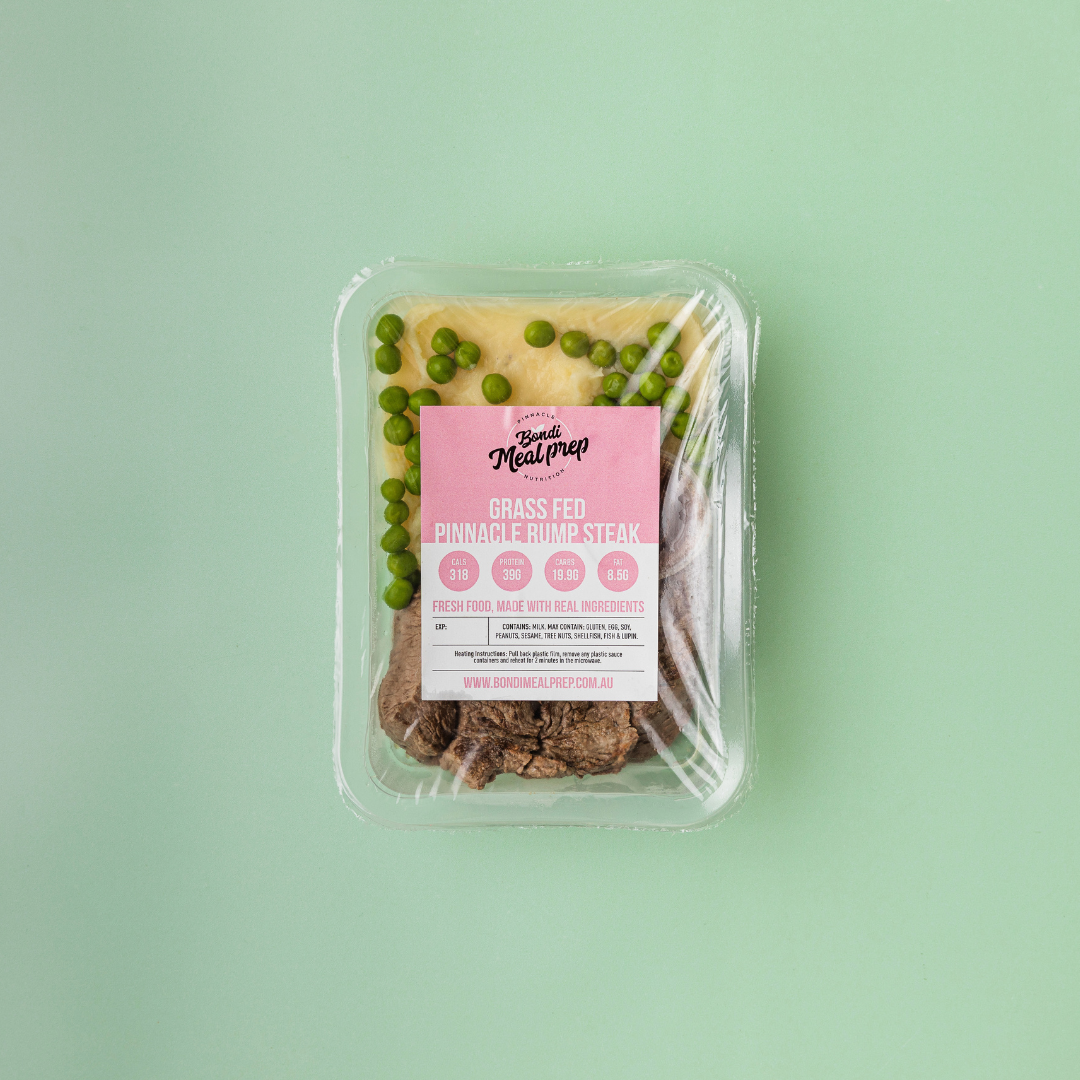
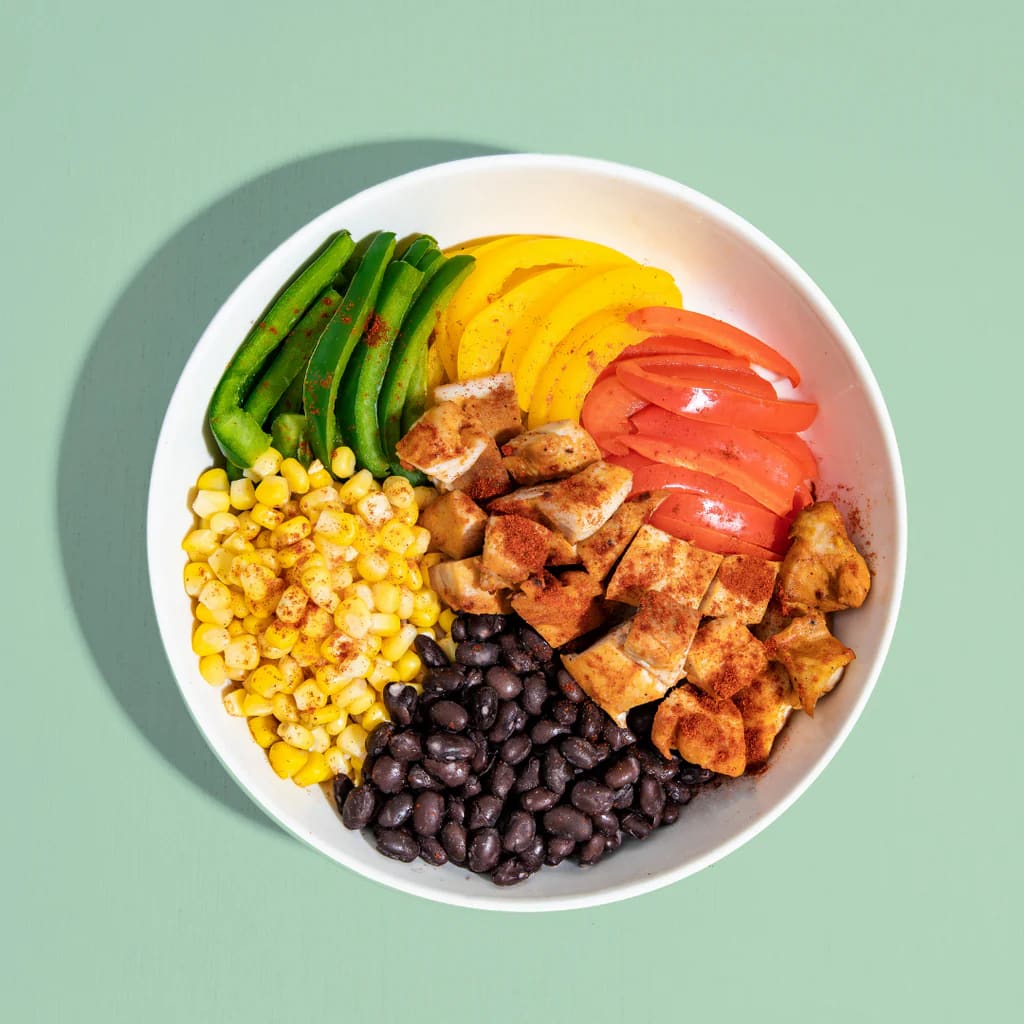
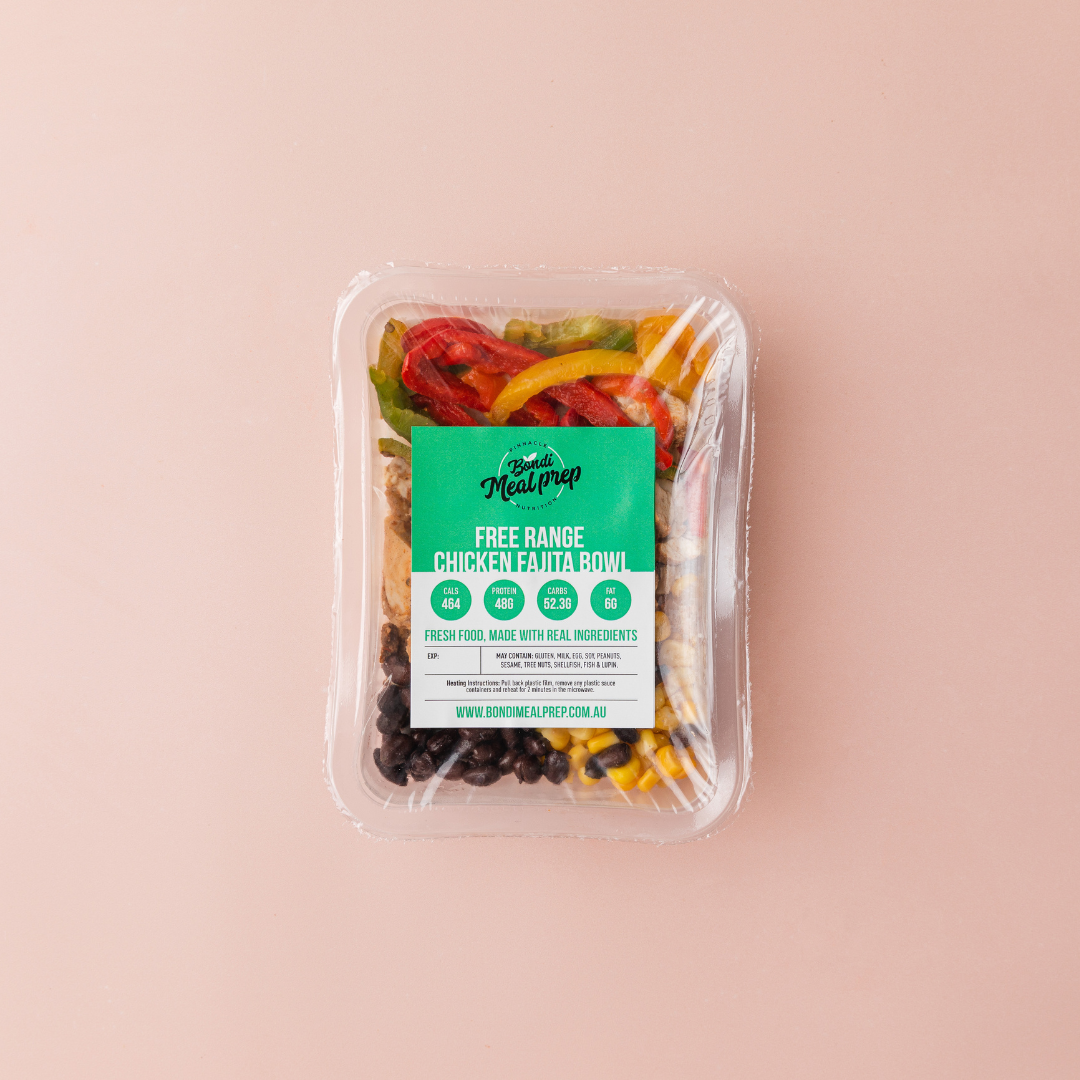
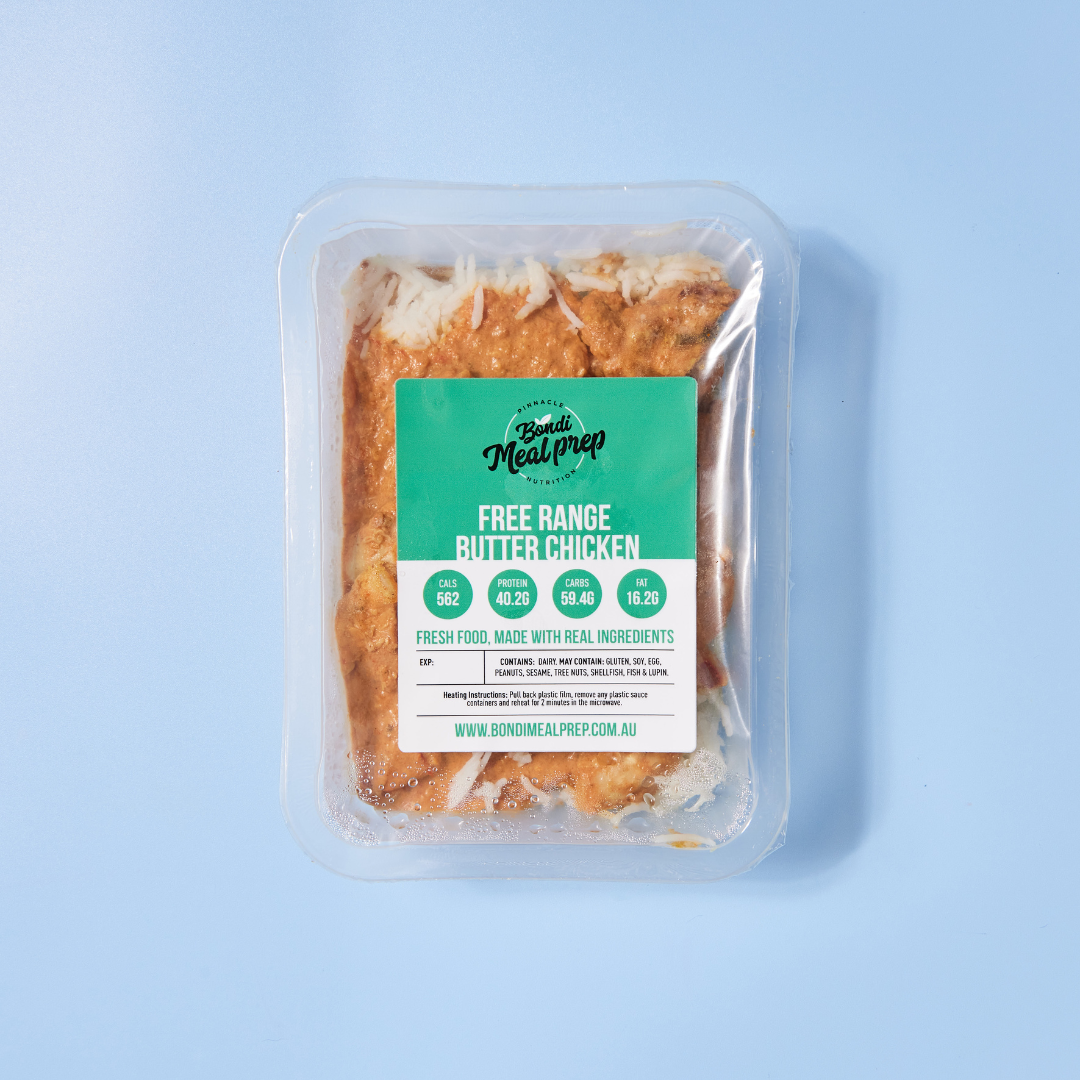
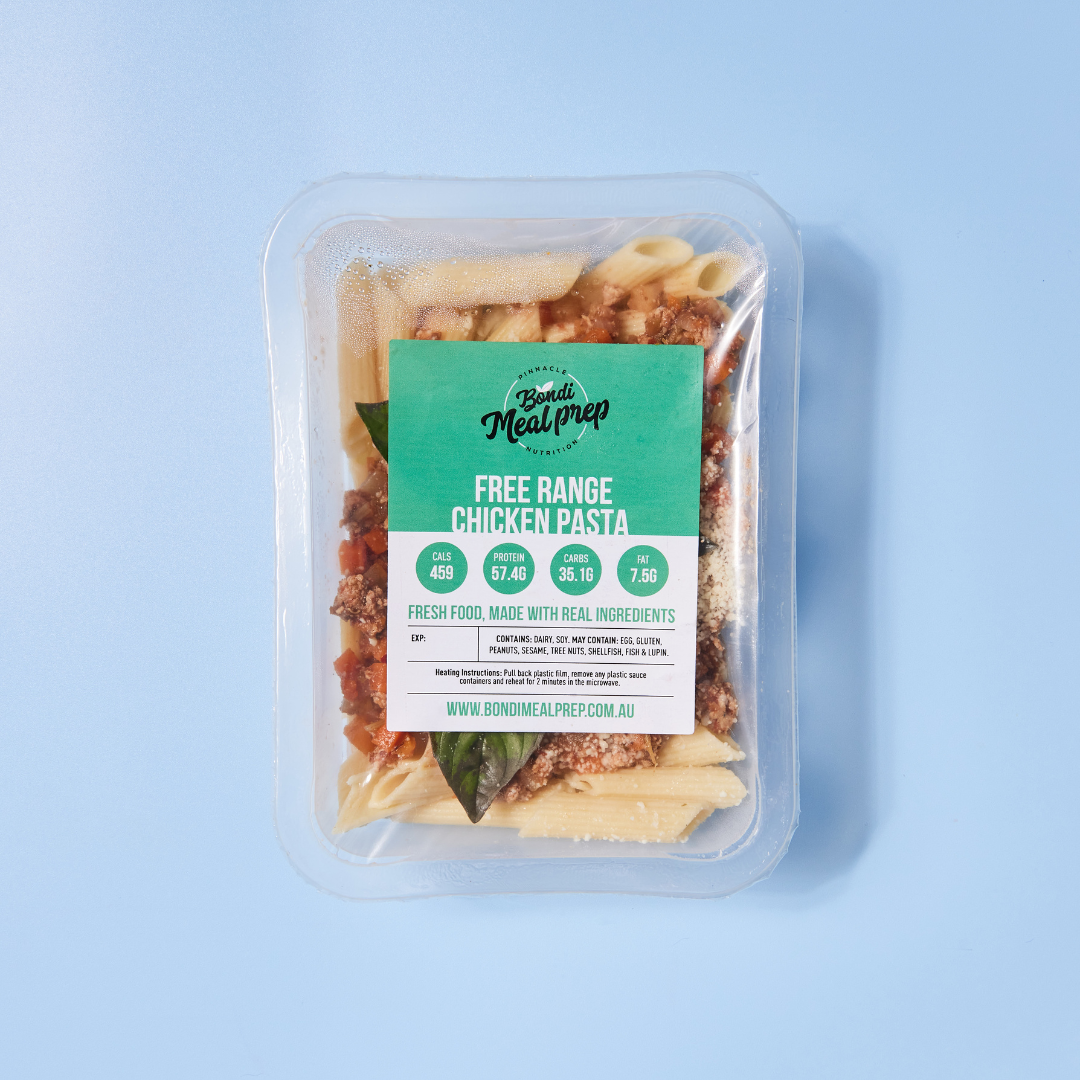
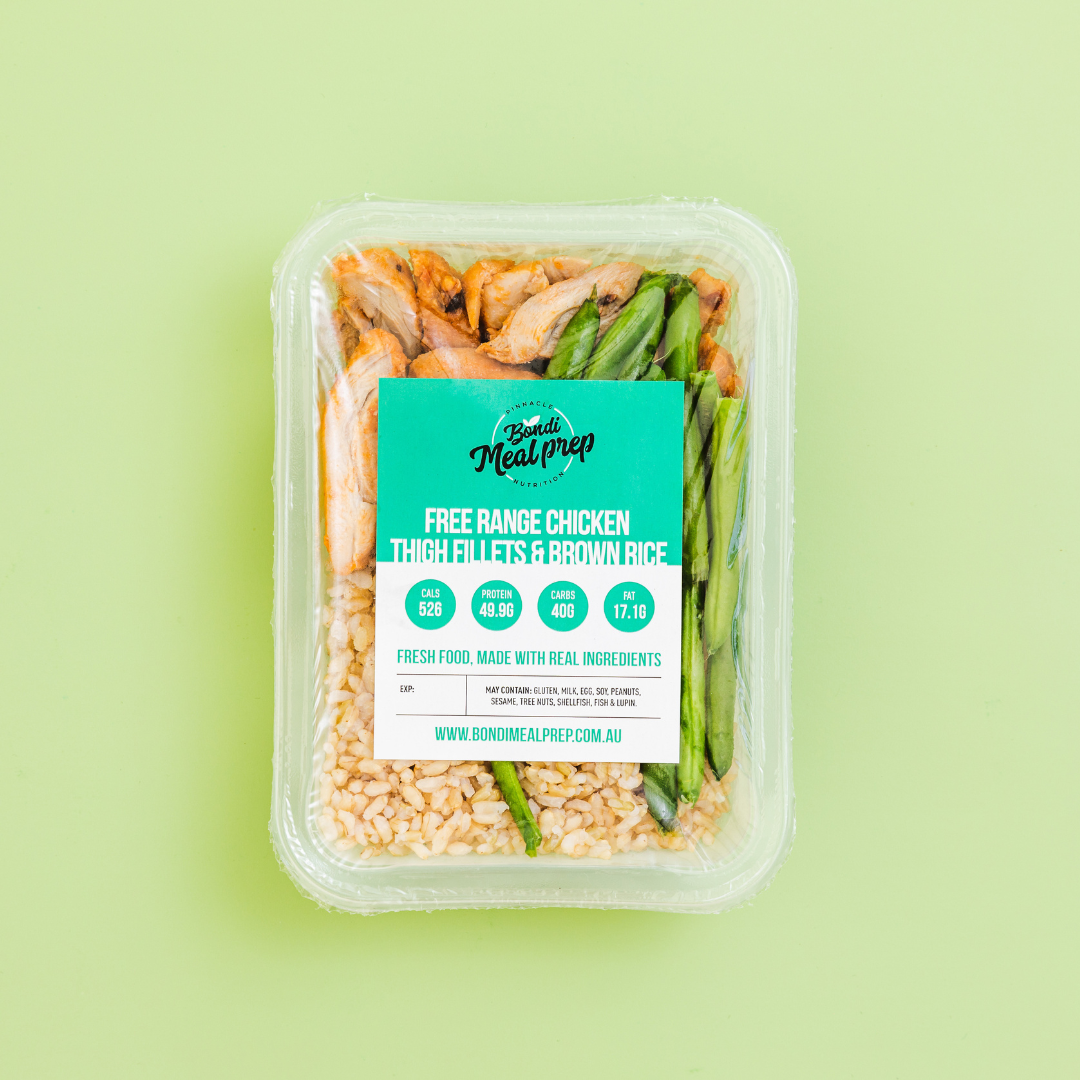
Sometimes, you just want convenience. That’s why Bondi Meal Prep’s High-Protein meals are delivered fresh to your door. Each one combines lean protein, complex carbohydrates, and healthy fats in precise amounts to promote fat loss while maintaining muscle mass.
When your food is delicious, perfectly balanced, and already prepped, you have more time and energy for training, recovery, and everything else in life that keeps you feeling your best.
FAQs
1. How many calories should I eat when cutting?
When you’re in a cutting phase, you should eat fewer calories than your body burns each day. A good starting point is to reduce your daily calorie intake by around 10–20%. This helps you lose weight gradually without sacrificing energy or muscle. Track your progress and adjust as needed if your fat loss slows down or you feel overly fatigued.
2. Can I still eat carbohydrates while losing weight?
Yes, you can and should still eat carbohydrates while cutting. Carbs provide the energy you need for effective training sessions and help you recover between workouts. Choose complex carbohydrates like brown rice, sweet potatoes, oats, and whole grains instead of refined carbs. These slower-digesting carbs help maintain stable energy and support steady fat loss.
3. What is the best meal timing for fat loss?
There is no single best meal timing for fat loss, but consistency is important. Spread your meals evenly across the day to control hunger and keep energy levels stable. Many people prefer to eat protein and carbohydrates around their workouts to support performance and recovery. Ultimately, focus on total daily calorie and protein intake rather than strict meal timing rules.
4. How long should a cutting phase last?
A cutting phase usually lasts between 4 and 12 weeks, depending on how much body fat you want to lose and how big your calorie deficit is. Shorter cuts are ideal if you only have a small amount of weight to lose, while longer phases suit those aiming for more significant body transformations. Always plan to return to a maintenance or bulking phase to support recovery and maintain lean muscle mass.
5. Can I include cheat meals while cutting?
Yes, it is possible to include occasional cheat meals while cutting, as long as they fit into your overall calorie goals. A single indulgent meal once a week can help satisfy cravings and make your plan more sustainable. However, return to your normal meals right after and try to keep your average weekly calories in a deficit.
7. What should I do if my weight loss stalls?
If your weight loss slows down or stops, start by reviewing your calorie intake and food tracking. You may need to reduce your portion sizes slightly or add a bit more physical activity. Increasing protein intake and decreasing your carbohydrate portions can also help break a plateau. Stay patient. Small, consistent changes often restart progress without the need for extreme restriction.
8. Do I need dietary supplements while cutting?
You don’t need dietary supplements to lose body fat, but they can make your cutting diet easier to manage. Whey protein powder can help you reach your daily protein goals, and a multivitamin or omega-3 supplement can fill small nutritional gaps. Always focus on a healthy diet of whole foods first, and use supplements only to support your overall nutrition.