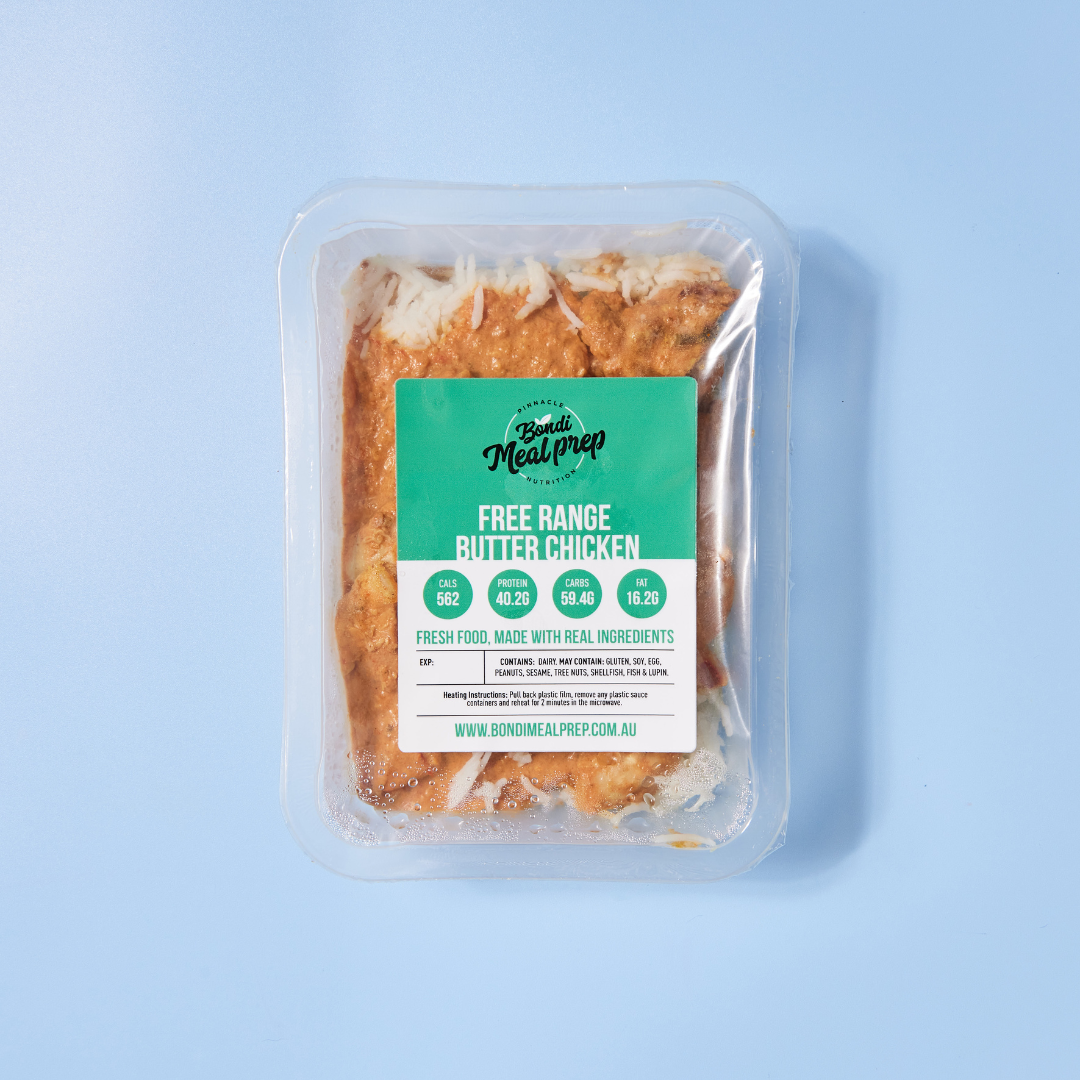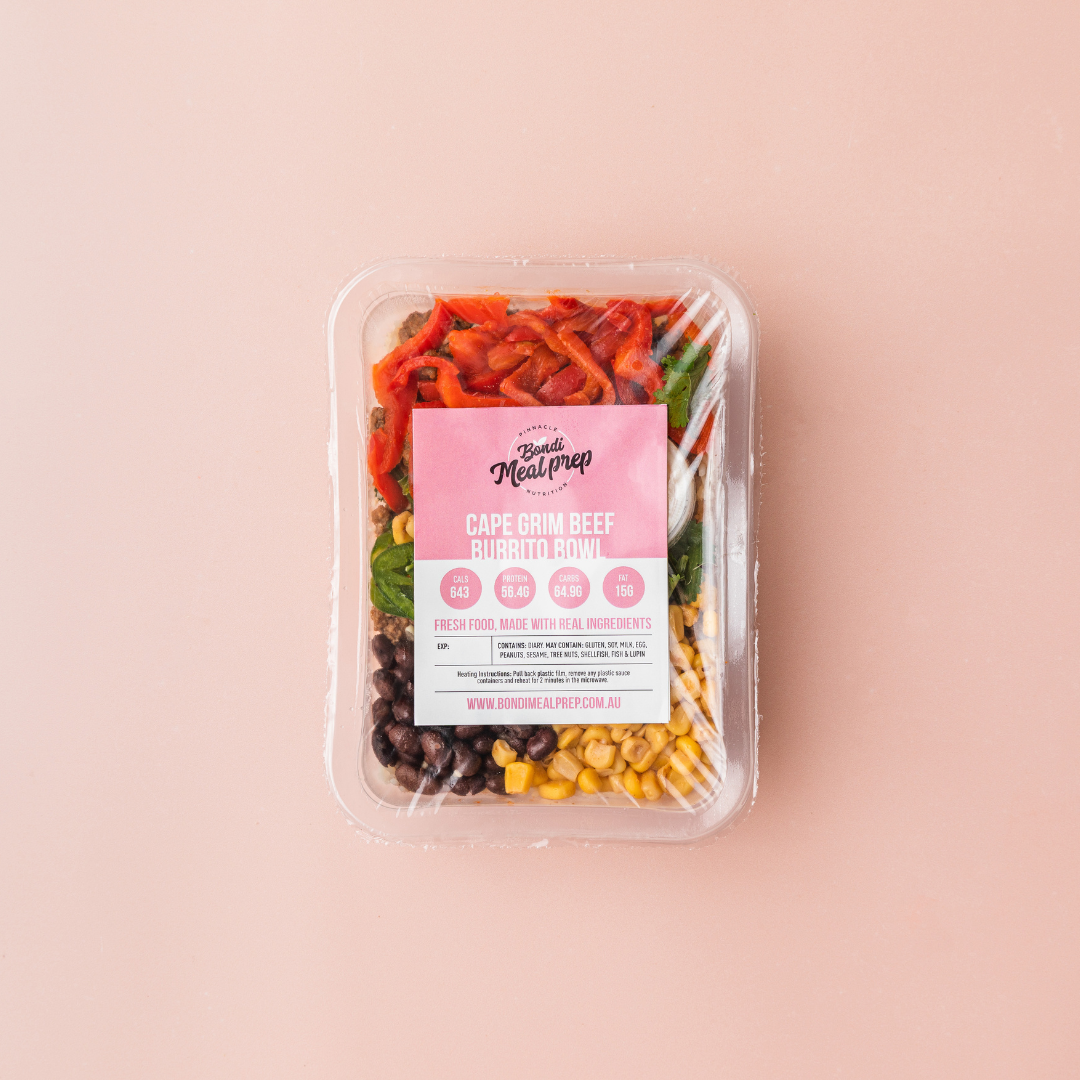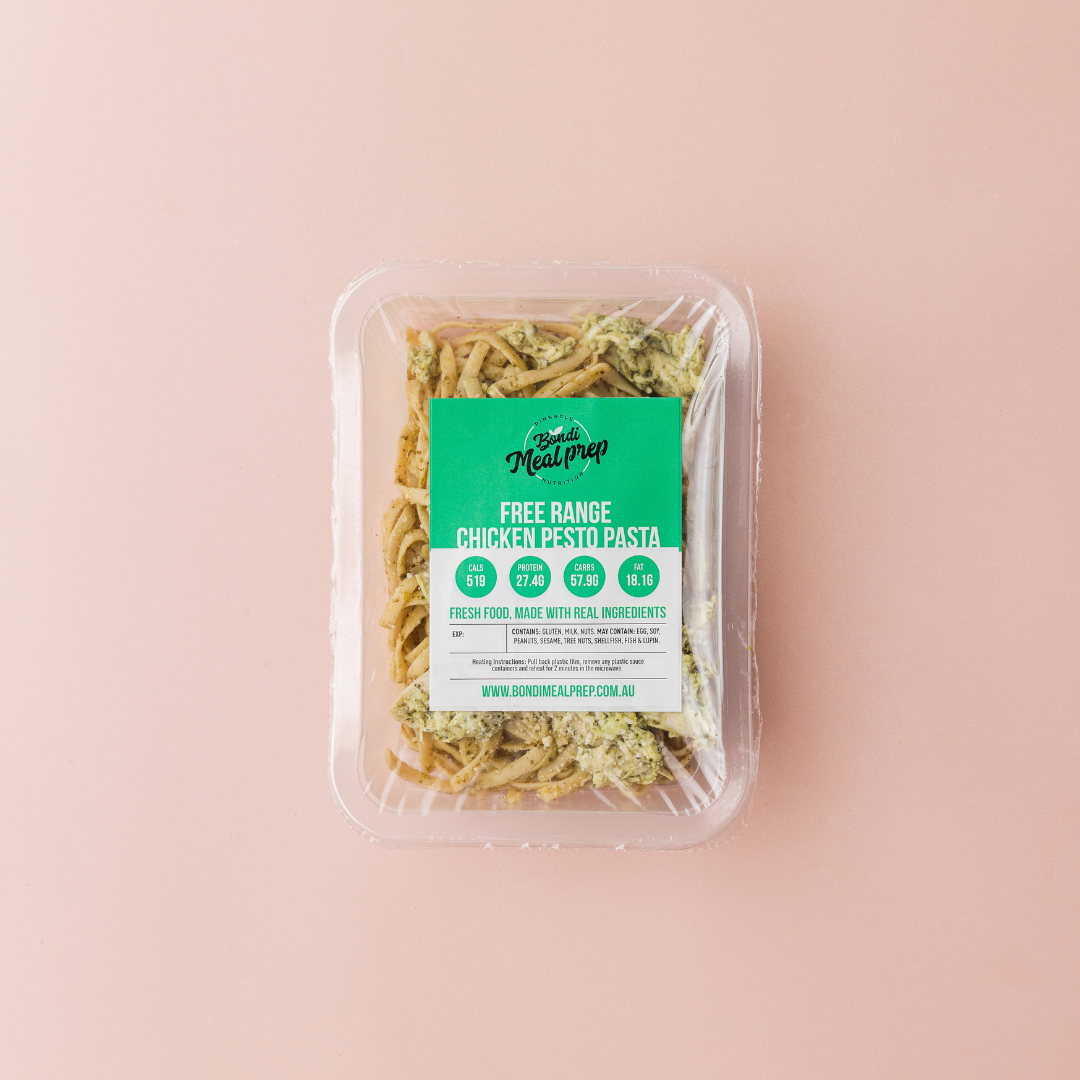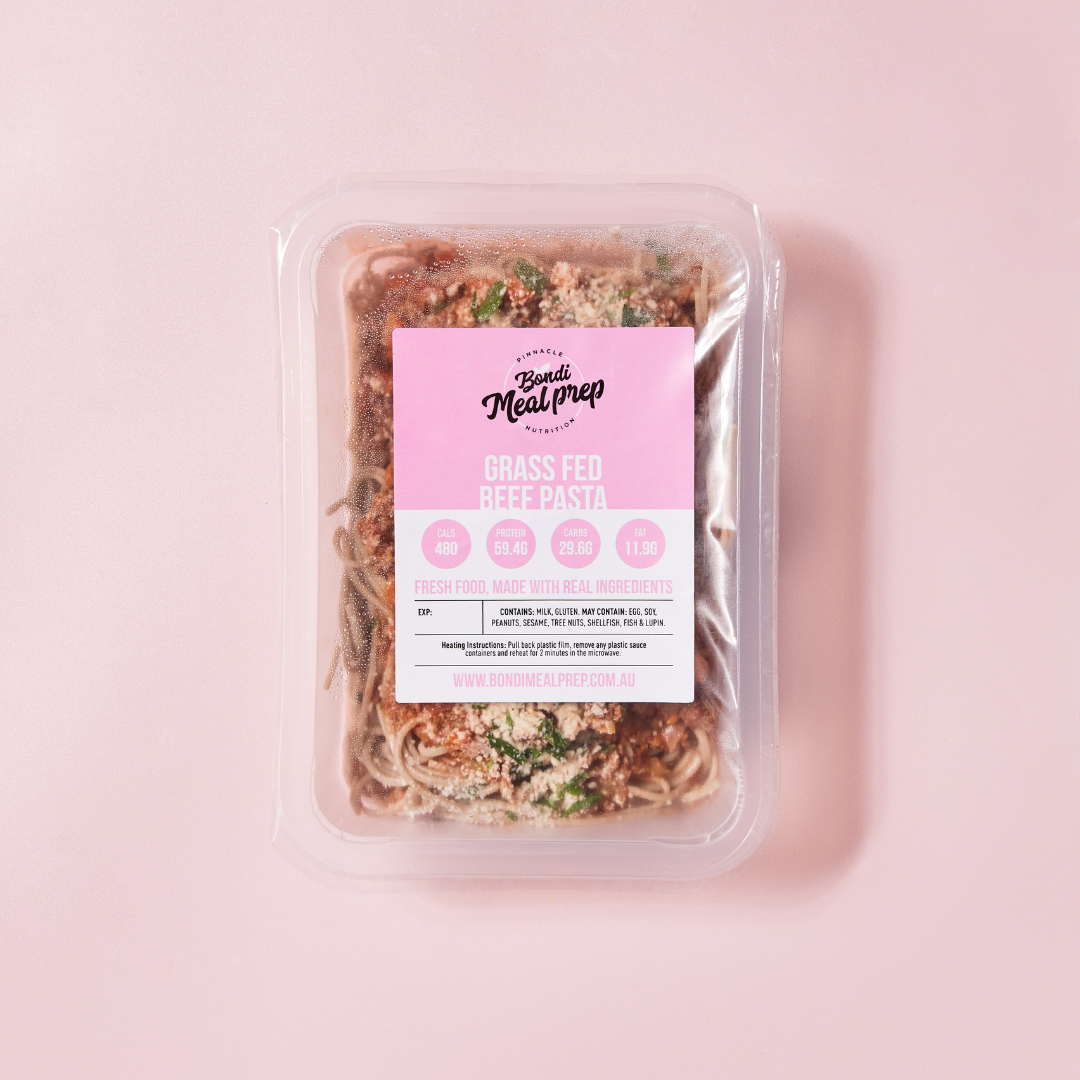

People struggle to find time for meal prep for very different reasons, which is why generic advice so often fails. This guide breaks down the most common lifestyle scenarios that make healthy eating a challenge and offers practical, situation-specific tips to help you find a solution tailored to your lifestyle.
Key Takeaways
-
Understanding your own situation is the first step to finding a meal prep solution that works long-term.
-
Busy professionals need simplicity and flexibility above all else. A three-ingredient meal framework and fridge stocked with quick-prep options can be a huge help.
-
For dedicated trainers, post-workout meals are critical. Preparing these in advance is one of the highest-impact changes you can make to your recovery and results.
-
For those new to healthy eating, overwhelm is a bigger threat than motivation. Master five meals and build from your repertoire there.
-
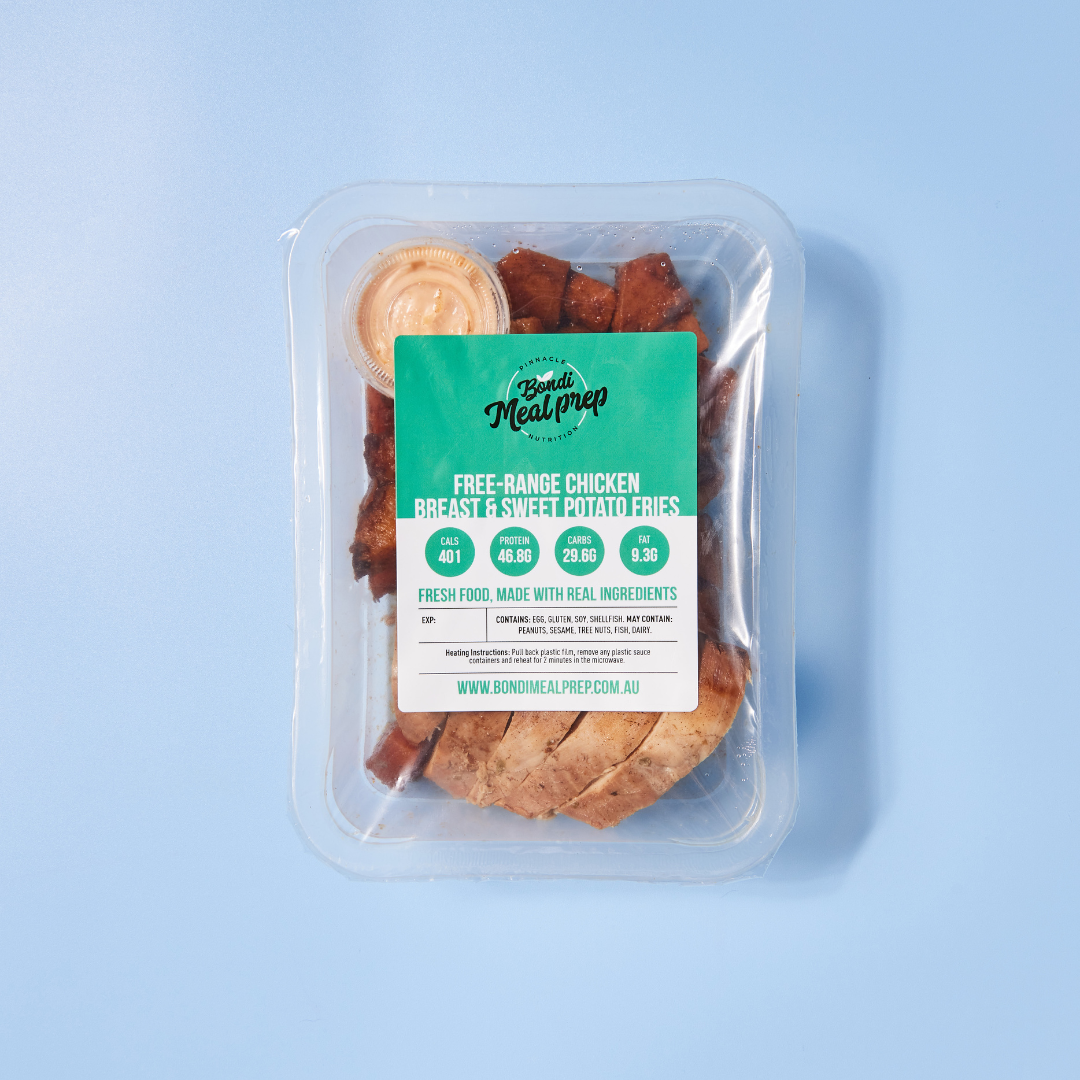
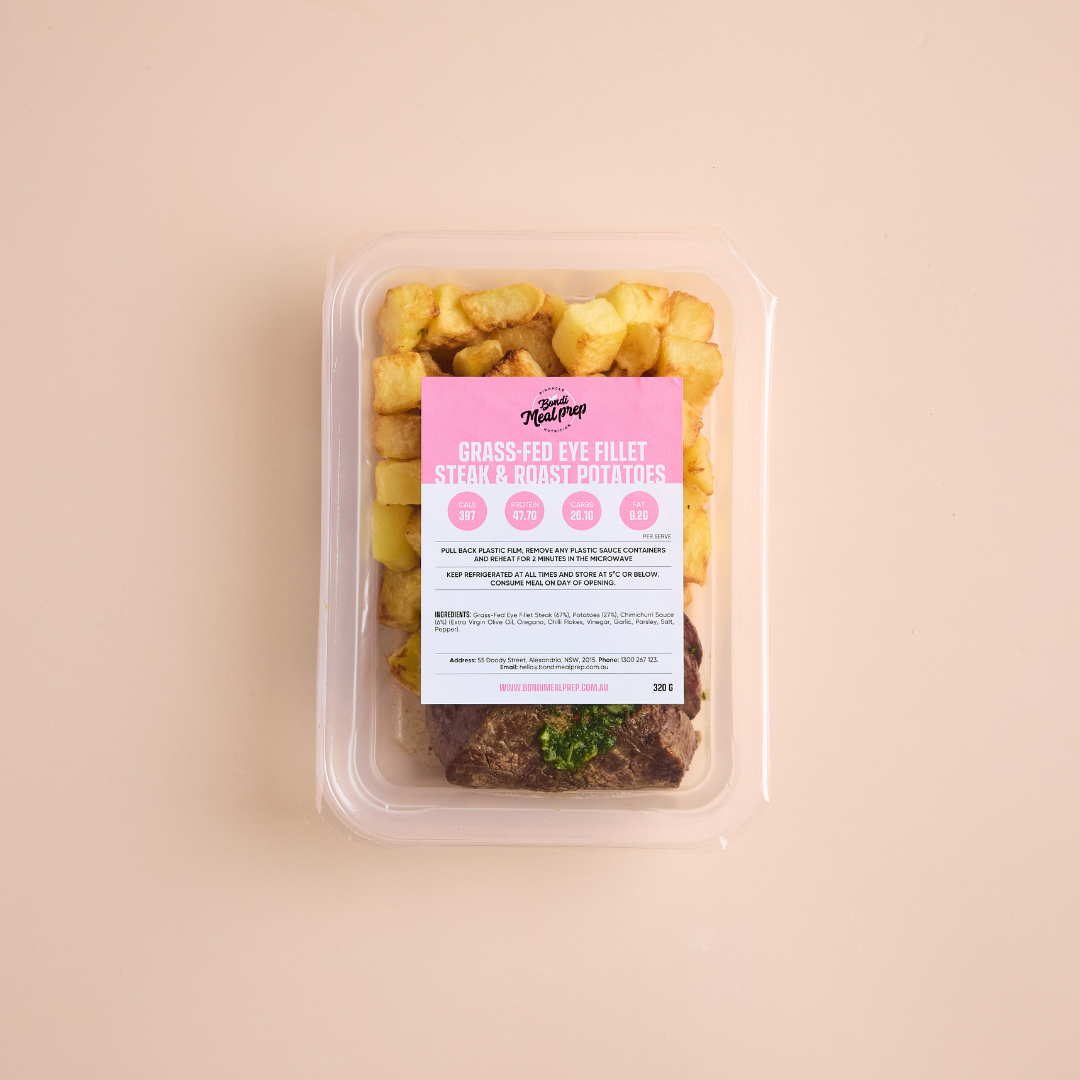
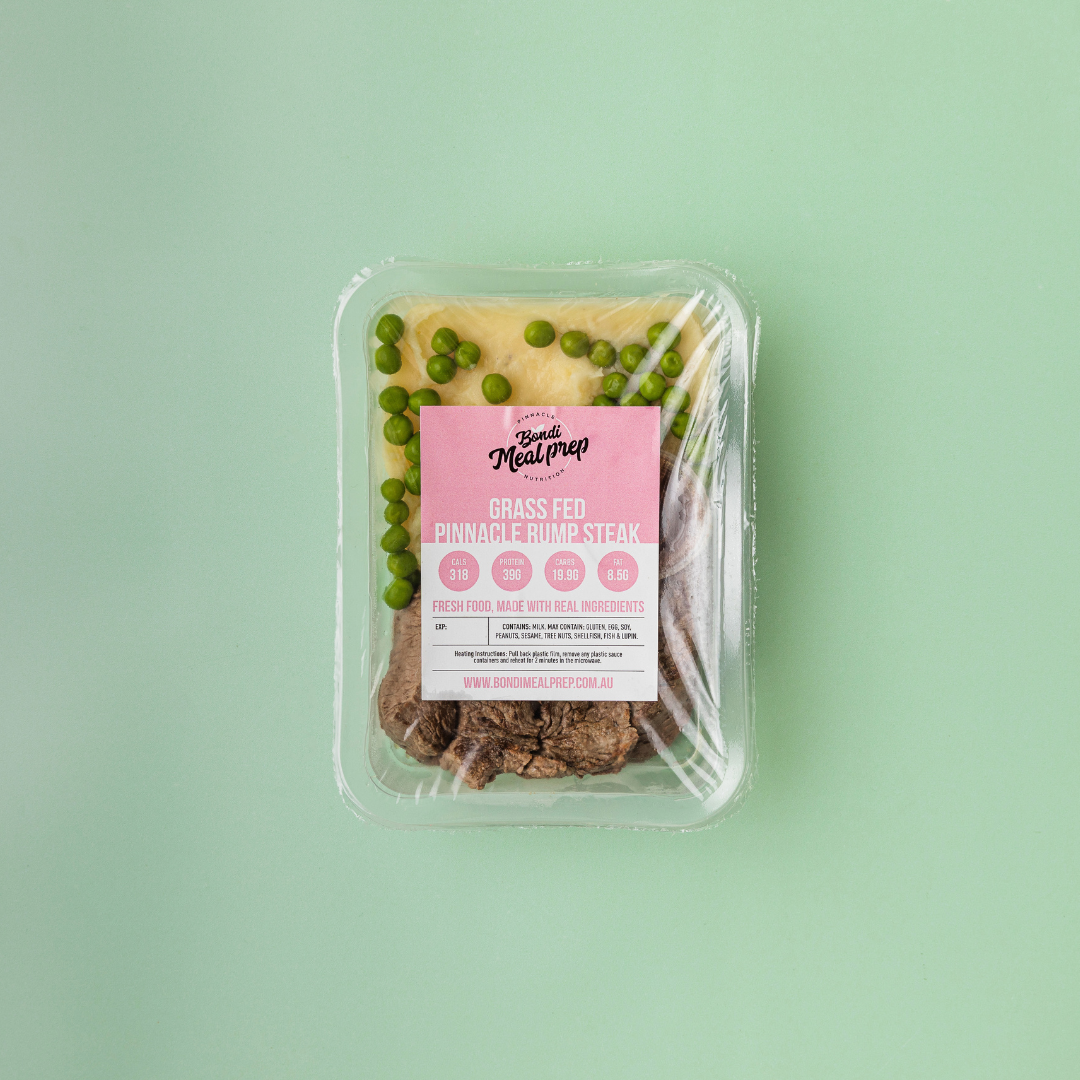
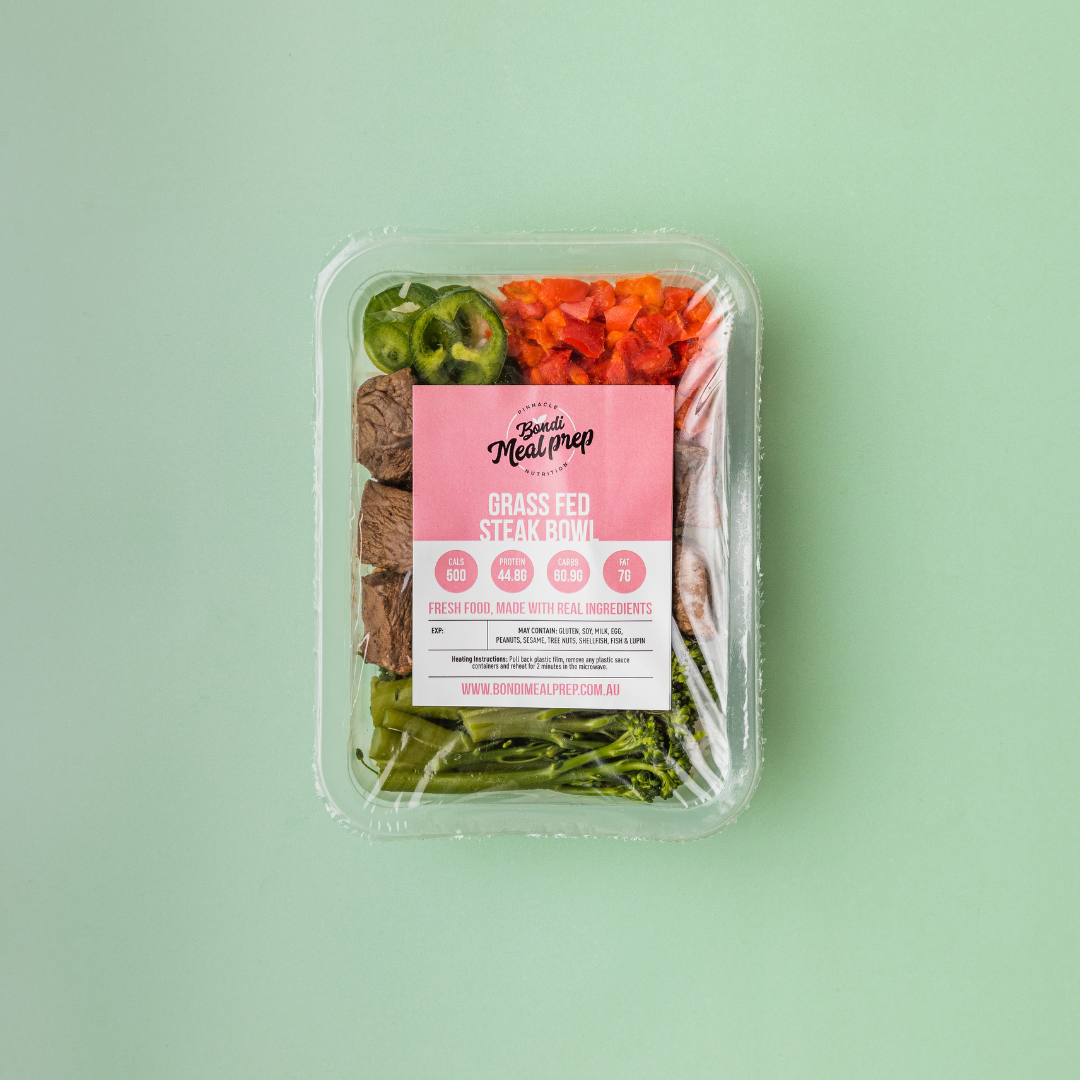
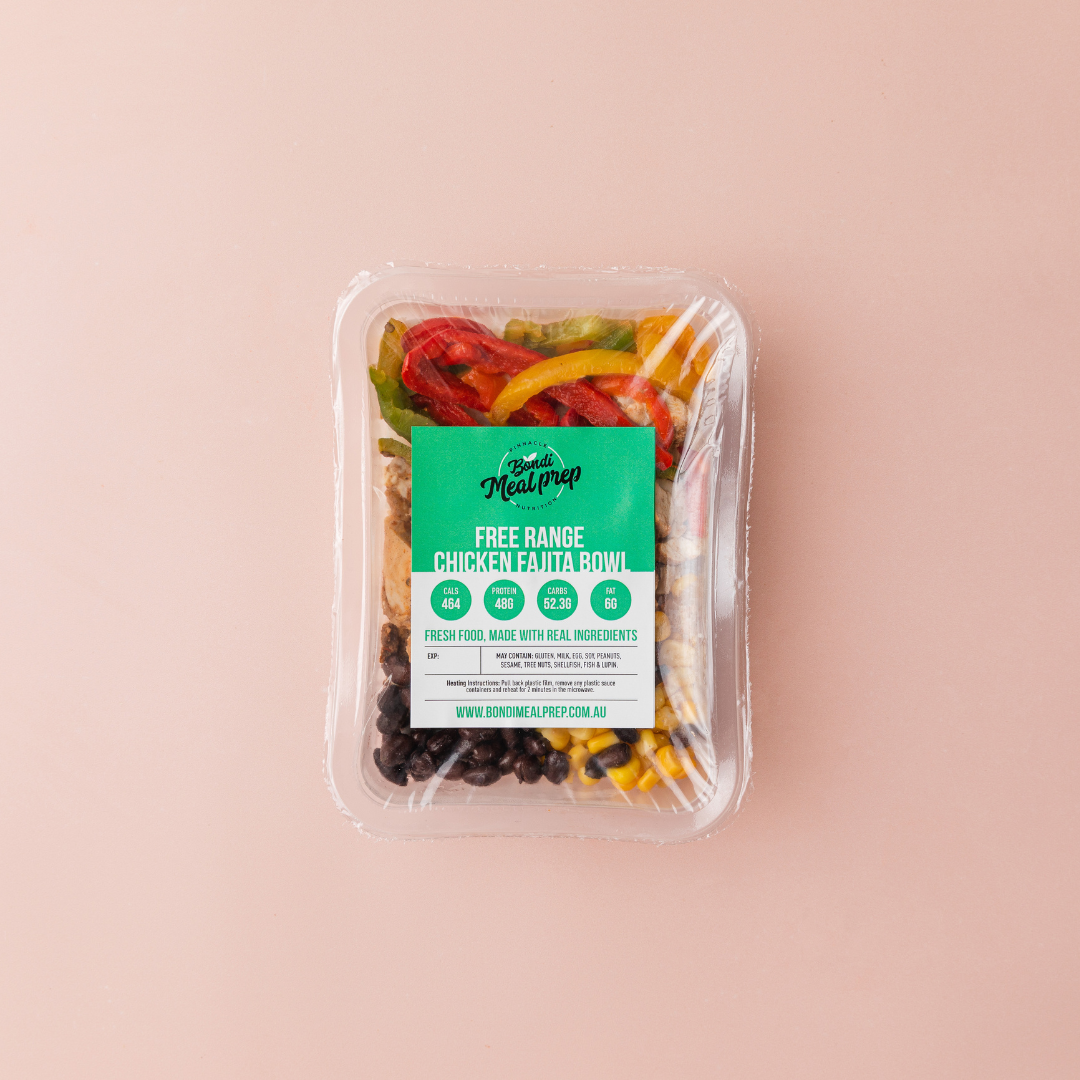
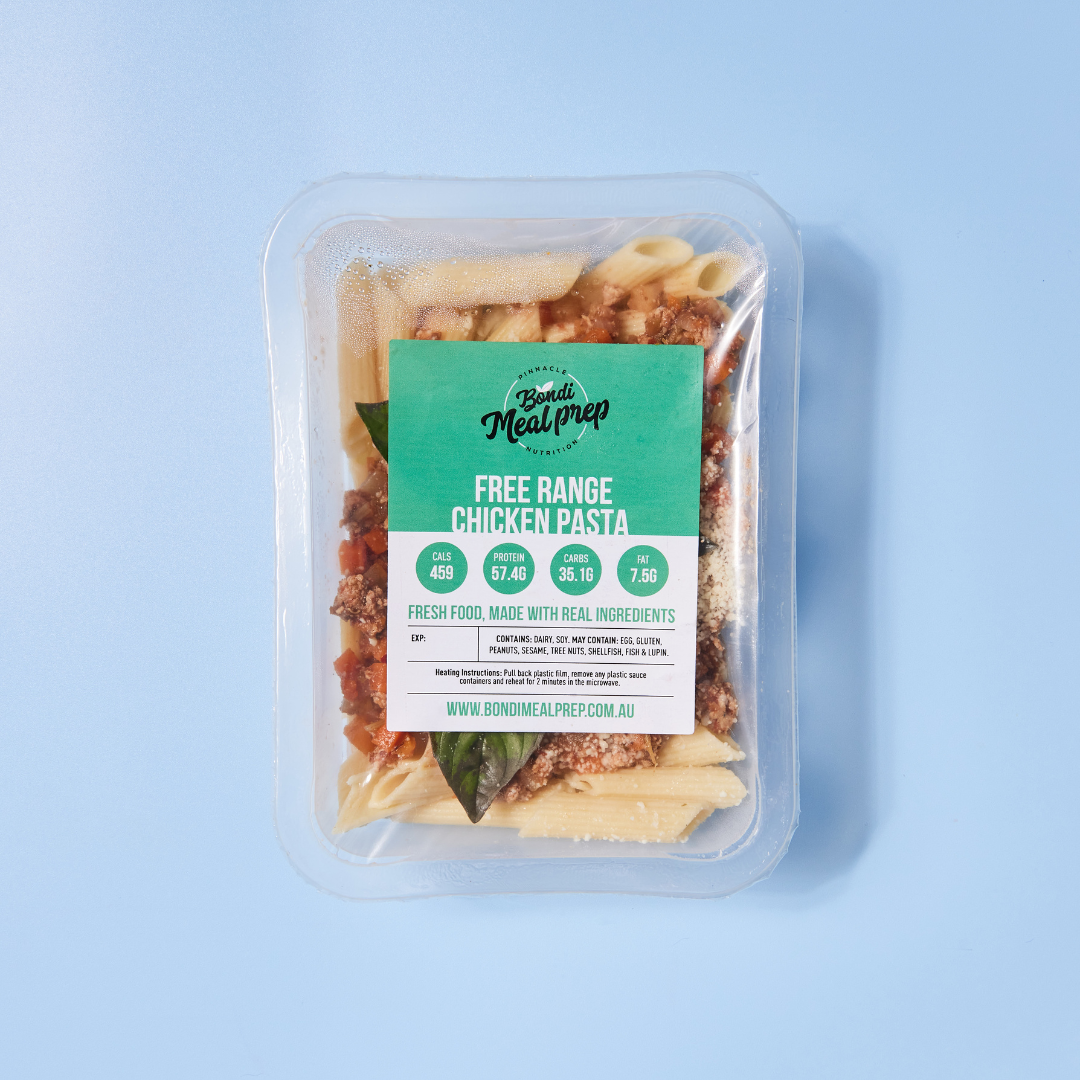
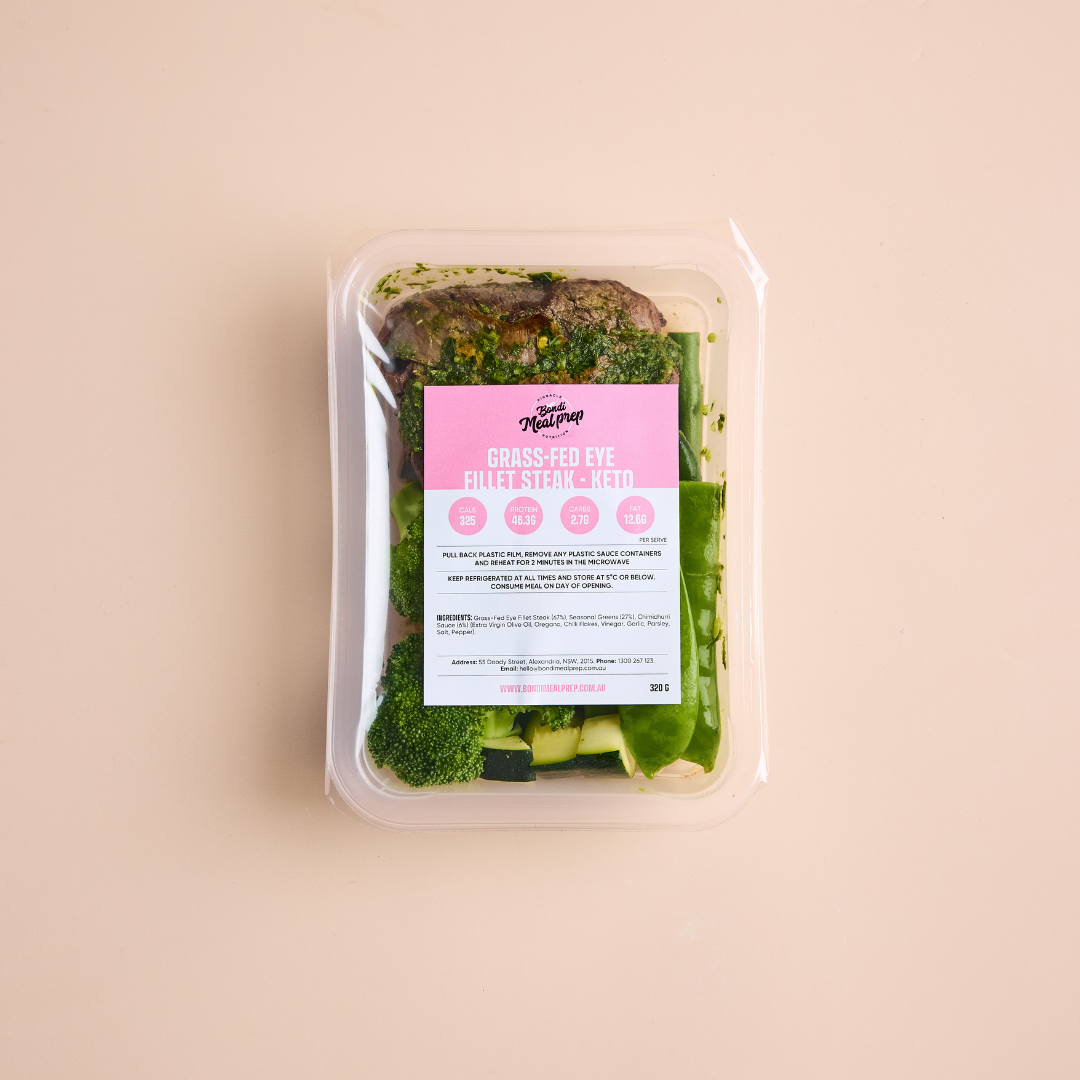
When your time and energy run out before the day does, make life easier by having Bondi Meal Prep’s delicious macro-balanced meals on standby in the fridge.
Meal Prep Sundays Don’t Always Work
Life has more demands than it has hours. Something always gets less of our time than it deserves. For most busy people, healthy eating is usually the first priority to slip.
Between work, family and training commitments, finding the time to meal prep can seem almost impossible. This normally leads to ordering takeaway, snacking on whatever’s nearby, or missing meals entirely and vowing to do better tomorrow. It’s not that you’re bad at looking after yourself. You’re just busy looking after everything else.
The internet is packed with blogs offering practical, time-saving tips that promise to rescue you from meal prep misery. However, the answer always seems to be the same: batch cook a full week of meals on Sunday. This is great advice in theory, but not necessarily a solution that helps you overcome the hurdles specific to your situation.
Below, we’ve outlined common lifestyle scenarios that make healthy eating challenging. Then, we’ve created a list of tips and tricks to help turn that predicament around. Plus, you’ll get expert advice from Bondi Meal Prep founder and former Jr Mr World Aled Barry, setting you up for meal prep success!
The Time-Poor Professional
Who You Are
Monday to Friday, you’re constantly competing with a packed calendar. You're up early, commuting, or opening your laptop in your home office as soon as you get out of bed. The day disappears in a blur of deadlines and back-to-back meetings.
You could be a project manager working across multiple time zones, a nurse who finishes 10-hour shifts in the middle of the night, or a tradie who's on the tools from sunrise.
You're running on fumes by the time you get home, and the last thing you want to do is spend an hour cooking. Even buying ingredients from the supermarket is a big ask, let alone turning them into a healthy meal.
Pain Points
-
You want to eat well, but the time and energy required to do it consistently don’t always exist.
-
Healthy eating feels like a full-time job on top of the full-time job you already have.
-
You're tired of starting the week with good intentions and finishing it with bad habits.
-
Your fitness goals are slipping because training without proper nutrition only gets you so far.
-
You're spending money on groceries that go to waste because you don’t have the time to use them.
-
The mental load of planning meals, writing shopping lists, and figuring out macros is exhausting before you've even stepped into the kitchen.
Triggers
-
A long day that runs even longer, killing any motivation to cook when you finally get home.
-
Opening the fridge and finding hardly any ingredients because you didn’t have the time to do a proper shop.
-
Realising at lunchtime that you've got nothing planned for dinner and no time to do anything about it.
-
The ease with which you can order Uber Eats on busy days, even though the food that shows up falls short of your nutritional goals.
Practical Tips & Tricks
If you’re a busy professional, it’s best to avoid an overly complicated meal plan that you often won’t have the time to execute. Instead, you need a simple meal prep system that’s flexible enough to adjust to your schedule.
The following tips are designed to reduce the time, effort, and mental load of eating well, so even on your most hectic days, you still have the energy to whip up a nutritious meal.
-
Keep meals to three ingredients: If you’re eating keto, for example, you could reduce your meals to a protein, a fat, and a vegetable. Grilled salmon, avocado, and a bag of pre-washed spinach make a complete meal that takes eight minutes to cook. A simple framework like this removes the need for recipes and makes good decisions easier when time is short.
-
Use your freezer strategically: Batch cook on a Sunday when time allows, but freeze half immediately. This prevents meal fatigue from eating dishes on repeat and ensures there’s always an option available for the weeks when you didn’t find time to prep on the Sunday before.
-
Stock a fast meal shelf in your fridge. Keep hard-boiled eggs, pre-cut vegetables, cheese, and pre-cooked proteins that just need reheating. This reduces the time and effort required to eat well when you are tired, hungry and most susceptible to bad habits.
-
Front-load your nutrition earlier in the day. If dinner is often the meal that falls apart, make breakfast and lunch count. A high-protein breakfast stabilises energy and appetite, and reduces the impact when the evening doesn't go to plan.
Aled’s Advice: “On busy days when I know it’s going to be a struggle to eat healthily, I’ll make a smoothie for breakfast. I put in coconut water, whey protein, almond butter, a few types of berries, spinach, flaxseed and chia seeds. Before I’ve even left the house, I’ve already had two-thirds of my micronutrients for the day. I normally blend extra and put it in a bottle. If I don’t find the time to stop and eat a proper lunch, I’ve got a backup in my bag.”
The Takeaway Spender
Who You Are
You've done the maths, but you have managed to erase the habit. Four Uber Eats orders a week at $30 a meal is over $400 a month. That's a car payment. That's two gym memberships. And what are you getting for it? Meals that are often overpriced, nutritionally average, and arrive 45 minutes later than promised without everything you ordered.
You're not always a bad decision-maker. You're just tired, hungry, and delivery is a few taps away. However, convenience always comes at a cost, and your health and your bank account are paying the price.
Pain Points
-
You know the takeaway habit is costing you, financially and nutritionally, but breaking the habit is easier said than done.
-
The "healthy" options on delivery apps are always the most expensive and the least filling.
-
You buy groceries every week with good intentions and order takeaway before you get around to using them.
-
You want to eat well, but after a long day, cooking feels like an effort and ordering takeaway feels like relief.
Triggers
-
Getting home tired and hungry with nothing ready to eat and no energy to fix that problem.
-
Opening the fridge and seeing ingredients that would take 30 minutes to turn into something plate-worthy.
-
The sheer ease of opening an app, tapping a few buttons, and having food arrive at your door.
Practical Tips and Tricks
The only way to beat your takeaway habit is to have an easy alternative in place when hunger and exhaustion hit at the same time. These simple tips are designed to make the healthy, home-cooked option just as convenient as the easy one.
-
Do a one-month takeaway audit: Add up what you spent last month (most people significantly underestimate the total). Seeing the ongoing cost has a way of sharpening your decision-making next time you’re tempted to order a takeaway.
-
Create a lazy but healthy recipe list: Come up with five meals you can make in under 15 minutes. Scrambled eggs with smoked salmon. A steak with frozen vegetables. A tuna salad with olive oil and avocado. When the list already exists, you don't need to decide. You just pick one and start cooking.
-
Change your environment: Rather than relying on willpower alone, keep your kitchen stocked with proteins and vegetables that require minimal preparation. When the healthy option is almost as fast as using an app, you’re far more likely to take it.
-
Compare your options: Ready-made meals from a service like Bondi Meal Prep are available for half the price of a single takeaway order. They offer the same level of convenience and superior nutritional value, making the choice a no-brainer.
The Dedicated Trainer
Who You Are
You're already up and exercising before most people have hit snooze for the first time. Training sessions before work, sessions after work, weekends on the track, in the pool, or on the bike. You know your macros, you understand the importance of performance nutrition, and you care deeply about ingredient quality.
The problem is that after a full day of work and two training sessions, cooking a full meal is a serious struggle. Your schedule leaves almost no room for the thing that makes all that training actually pay off. Some nights you eat whatever's fastest, and deep down you know your recovery is suffering for it.
Pain Points
-
You're putting in elite effort in training but not matching it in the kitchen.
-
Your post-workout nutrition is inconsistent, and recovery is suffering as a result.
-
You care about ingredient quality and won't eat just anything, which makes shopping and prepping extra time-consuming.
-
Most convenient food options aren't designed for someone training at your level, which makes fast and nutritious a very hard combination to find.
Triggers
-
Getting home after a double session, exhausted and starving, with nothing ready to eat.
-
Knowing exactly what your body needs post-workout and having none of it available
-
Spending time sourcing and cooking quality proteins on the weekend and resenting every minute of it because you'd rather be training or resting.
-
Watching your performance plateau and suspecting that inconsistent fuelling is at least partly responsible.
Practical Tips and Tricks
The serious athlete already understands the importance of nutrition. The challenge is making it as structured and consistent as the training program itself. These tips are aimed at supporting your recovery and closing the gap between the effort you put in and the results you get out.
-
Treat nutrition as part of your training program: Schedule meal prep the same way you schedule sessions. Even 45 minutes on a Sunday to pre-cook proteins and portion out meals makes a significant difference across the week. As an athlete, you’re probably disciplined by nature. If it's in the calendar, it's likely to happen.
-
Prioritise your post-workout meal: This is the meal that makes the biggest impact on your recovery. Prepare it in advance so it’s ready the moment you need it. Whenever you find time to meal prep, focus on these meals. It’s okay if your other meals slip in standard here and there, but your post-workout nutrition needs to be on point.
-
Cook quality proteins in bulk: Grass-fed beef mince, chicken thighs, and eggs are all nutrient-dense, fast to prepare, and easy to scale up. Cooking a large batch once removes the daily decision of what to eat and ensures you have quality food even on your most demanding days.
-
Keep complexity low and quality high: You already have a packed training schedule, so avoid elaborate, time-intensive recipes. Reliable, nutrient-dense meals that can be prepared quickly should be your goal. A simple meal eaten consistently will always outperform a perfect meal that only happens once or twice a week.
Aled's Advice: "Athletes normally need to eat straight after training, even though all they really want to do is collapse on the couch. When I was bodybuilding, the food was just as important as the lifting. I couldn’t afford to cut any corners. If you can, avoid placing yourself in a situation where you have to cook after the gym when you’re physically exhausted. If you can’t prep in advance, have a ready meal waiting in the fridge. That way, your recovery is guaranteed."
The Recent Health Eating Convert
Who You Are
Recently, something changed. Maybe it was a health check that gave you a gentle nudge, a milestone birthday that made you take stock, or a quiet moment of reflection that made you decide it was time to start taking better care of yourself. Whatever your reason, you've committed to improving the way you eat.
Now, you’re trying to match your motivation with knowledge. You're reading labels at the supermarket for the first time, trying to figure out what 20 grams of net carbs equate to in meals, and working with a kitchen that isn't set up for the way you want to eat yet. In short, the intention is there, but the execution is still finding its feet.
Pain Points
-
The learning curve of a new diet is steeper than you expected, and it's hard to get into a rhythm while you're still mastering the basics.
-
You’re not used to being a disciplined eater, and it’s tempting to slip back into bad habits.
-
Uncertainty about whether you're eating the right things makes it difficult to trust the process and stay the course.
-
Every trip to the supermarket takes twice as long because you don’t know your go-to foods and which are off limits.
Triggers
-
The physical adjustment to a new way of eating leaves you craving the junk foods that used to be your staples.
-
Eating something you later discover wasn't right for your goals and feeling like you're back to square one.
-
Running out of the right ingredients mid-week because shopping for a new diet is still a work in progress.
-
Seeing slow early results and wondering whether you're doing it correctly.
Practical Tips and Tricks
People tend to think that the biggest problem for somebody new to healthy eating is motivation, when it's actually overwhelm. The tips below are designed to simplify the early weeks, helping you to establish confidence and turn good intentions into habits that stand the test of time.
-
Master five meals before trying anything else: Pick five simple, balanced meals you enjoy and learn to make them well. Sticking to a small repertoire is more sensible than going after a variety you can't sustain. Once those five meals are second nature, add more into the mix.
-
Set your kitchen up for success: Clear out the foods that don't serve your new goals and replace them with the staples you need. When the wrong options aren't within easy reach, you’re far less likely to eat them. If your only snack options are healthy, you can’t go wrong! Setting up your environment is the secret to success.
-
Use a macro calculator or tracking app for the first few weeks: You won’t have to do this forever, just long enough to get to grips with your new way of eating. Most people are surprised by how quickly the numbers start to make intuitive sense once they’re broken down clearly and simply. Bond Meal Prep’s free macro calculator can help you plan nutritious meals that suit your new goals.
-
Find your people: Whether it's an online community, a friend eating the same way, or a brand whose content resonates, having a support network makes the early phases of a diet easier. Nobody new to healthy eating figures it out in isolation, and there’s nothing wrong with leaning on others for advice and support.
A Last Word from Aled
"Every person in this guide has a different reason for struggling to eat well. The professional who gets home at 8 pm to find an empty fridge. The trainer who works hard in every session and then eats whatever's fastest because they don’t have the energy to cook something more nutritious. It’s normally the same underlying problem. Something about life always seems to get in the way of a healthy meal.
I've been an athlete, a business owner, and a dad. I know what it feels like to have a schedule so packed that it makes healthy eating seem impossible. Bondi Meal Prep was set up for people who take their health seriously but don't always have the time to act like it.
Every meal is freshly prepared using fresh, organic proteins, paired with seasonal vegetables. Meals stay fresh for seven days, so there's always a healthy option on your busiest days. Think of it as your backup plan that's good enough to be your first plan."
Explore the full Bondi Meal Prep menu and find the meals that work for your lifestyle, goals and taste.
About Aled Barry
Aled Barry is a former Junior Mr World, the co-founder of Bondi Meal Prep with wife, Kimmi, and someone who has eaten more post-workout meals than he can count. He established Bondi Meal Prep because he lived the problem it solves: training hard, living a full life, and never having the right food ready at the right time. Everything on the menu is the kind of dish that Aled wishes he had at the peak of his training days!