
One of the most common issues people face when starting keto is that things get a little, well, backed up. When you're trying to make progress with a new diet, "keto constipation" can be a blocker. Literally.
It's not the most glamorous topic, but fibre is a must for maintaining your digestive system and a healthy gut. On keto, it's easy to fall short of your fibre intake without even realising it. Luckily, good digestive health is completely achievable, as long as you know which high-fibre, low-carb foods to fill your plate with.
Here's everything you need to know about high-fibre eating to keep your gut happy and your body in that oh-so glorious state of ketosis!
Key Takeaways
- Cutting carbs can accidentally reduce your dietary fibre intake, leading to the dreaded "keto constipation".
- Adults should consume 25–30g of fibre per day to keep a healthy gut and maintain regular digestion.
- Avocados, chia seeds, broccoli, and flaxseed are some of the best high-fibre, low-carb foods available to keto eaters.
- Staying hydrated is just as important as eating fibre, because a lack of fluids can worsen constipation.
- If food alone isn't keeping you regular, a psyllium husk supplement can help bridge the gap without affecting ketosis.
- It helps to have fresh keto meals ready to go for busy days, ensuring you always get your keto nutrients and that all-important fibre intake.
What is the Keto Diet?
The keto diet, short for ketogenic diet, is a high-fat, moderate-protein, low-carb approach to eating that switches your body's fuel source from glucose to fat.
By keeping your daily carbohydrate intake under 20–50g, your body enters a metabolic state called ketosis. Simply put, this means you burn fat for energy instead of sugar. The fat comes from the food you eat and the reserves stored in your body.
The result of being in ketosis is steadier energy levels, reduced hunger, better mental clarity, and, for many people, significant weight loss.
Over the past few years, this range of benefits has transformed keto from a niche eating trend into one of the world's most popular diets.
The Relationship Between Keto & Fibre
If your body was an engine, fibre would be the lubricant. It keeps your digestive system moving, feeds the good bacteria in your gut, and helps you feel fuller for longer. It's one of life's nutritional non-negotiables, keto or not.
The Health Benefits of Fibre
Fibre does a lot more than just keep you regular (although that's definitely a huge perk!). Getting enough fibre every day supports your overall physical health in some pretty meaningful ways:
✔️ Gut health: Fibre feeds the "good bacteria" in your gut microbiome, which plays a role in everything from strong immunity to a stable mood.
✔️ Blood sugar control: Soluble fibre slows the absorption of sugar into your bloodstream, helping to keep energy levels steady.
✔️ Heart health: Medical research shows that a high-fibre diet is linked to lower cholesterol levels and reduced risk of heart disease.
✔️ Weight management: Fibre adds bulk to meals and slows digestion, meaning you stay fuller for longer and are less likely to overeat.
✔️ Reduced inflammation: A healthy, fibre-fed gut is also associated with lower levels of inflammation throughout the body.
As you can tell from this list of health benefits, fibre is your body's best friend. The tricky part is that many fibre-rich foods (wholegrains, legumes, and certain fruits) are also high in carbs. When you cut the carbs, you can accidentally cut a big chunk of your fibre along with them.
The result of a reduced fibre intake is what the keto community lovingly calls keto constipation. This involves harder stools, a bloated gut, and general discomfort that makes the first few weeks of keto a little harder than they need to be.
The way to avoid these symptoms is to hit your target amount of fibre, which for most adults is around 25–30g per day. Here's how to hit that range without blowing your carb budget.
10 High-Fibre & Keto-Friendly Foods
If you're searching for simple ways to keep your digestive system ticking over without kicking your body out of ketosis, these ten foods are all low in net carbs, high in fibre, and easy to work into your everyday keto meals.
🫐 Raspberries
Berries often get struck off the grocery list on keto, but raspberries are one of the best low-carb fruits you can eat. Their fibre content offsets a lot of their natural sugar, meaning they won't raise and lower your blood sugar the way other fruits do. Toss a half cup of fresh or frozen berries on your full-fat Greek yogurt for a big hit of fibre that hardly puts a dent in your carb count.
Per 100g: 6.5g fibre | 12g total carbs | 5.5g net carbs
🥑 Avocado
Avocados are a fan-favourite among keto eaters and for good reason. While slightly higher in carbs than some of the other vegetables and fruits on this list, a medium avocado still delivers around 9g of fibre with almost no sugar. Add it to your smoothie, smear it on a seed cracker for a dreamy, creamy texture, or slice it alongside eggs. However you have it, an avocado will work wonders when it lands in your digestive system.
Per medium avocado: 9g fibre | 17g total carbs | 3g net carbs
🌿 Asparagus
This is a brilliant side dish that's high in fibre and has fewer carbs than most other veggies. Roast it with olive oil and a pinch of sea salt for a nutritious green that's filled with flavour. It also supports gut health and provides folate, vitamin C, and vitamin K as a bonus.
Per 100g: 2.1g fibre | 3.7g total carbs | 1.6g net carbs
🥦 Broccoli
Broccoli is one of the most reliable vegetables in the keto kitchen. It's filling, versatile, and a miracle worker for your gut microbiome. Steam it, roast it, or turn it into a creamy broccoli soup. For essential vitamins and fibre, it all counts.
Per 100g: 2.6g fibre | 7g total carbs | 4.4g net carbs
🌱 Brussels Sprouts
You might need to bear with us on this one. Properly cooked Brussels sprouts, roasted with butter and a little parmesan or pan-fried until crispy, are absolutely delicious. Plus, a single cup of these little green machines delivers around 4g of fibre, making them one of the best low-carb vegetables for gut health. If you wrote Brussels sprouts off years ago, maybe give them another chance.
Per cup (88g): 3.3g fibre | 8g total carbs | 4.7g net carbs
🌰 Pistachios
Compared to other nuts, pistachios are among the highest in fibre. Believe it or not, about 10% of their weight comes from insoluble fibre, which is exactly what keeps things moving in the digestive department. Portion them out (a small handful is plenty) and keep them in your bag for whenever you need a pick-me-up. Alternatively, chuck them onto your keto salads for a little added crunch.
Per 28g serving: 3g fibre | 8g total carbs | 5g net carbs
🌾 Flaxseed
Flaxseed is one of the best-kept secrets in the keto community. It contains virtually no digestible carbohydrate but packs around 1.9g of fibre per tablespoon. Stir it into yogurt, sprinkle it over salads, or mix it into keto baking. It's easy to add, barely changes the flavour, and can deliver huge digestive benefits.
Per tablespoon (10g): 1.9g fibre | 3g total carbs | 0g net carbs
🫙 Chia Seeds
Mini but mighty, these seeds are the superhero of high-fibre eating. 28g of chia seeds delivers close to 10g of fibre, which is seriously impressive. Mix them into one cup of almond milk overnight for a chia pudding, or add a spoonful to a smoothie. They swell up and keep you full for hours, making them an underrated addition to any keto pantry.
Per 28g serving: 9.75g fibre | 12g total carbs | 2g net carbs
🌾 Wheat Bran
While you do need to watch portions, wheat bran can be a useful way to top up your fibre intake. It's often added to keto-friendly bread recipes and low-carb baked goods. Just check labels if you're buying packaged products, as the carb and fibre content can vary quite a bit between brands.
Per 2-tablespoon serving (14g): 3g fibre | 5g total carbs | 2g net carbs
💊 Fibre Supplements
Sometimes, even with careful meal planning, it's hard to hit your fibre targets through food alone. This is especially true in the early weeks of keto when you're still finding your rhythm with new combinations of foods. That's when a quality fibre supplement can help you bypass any teething problems while your digestive system adjusts.
Psyllium husk is a popular keto-friendly option that dissolves easily in water and supports gut regularity without any carbs. It's also used in keto baking as a binding agent, which is a practical bonus if you like to get creative in the kitchen.
Per tablespoon of psyllium husk (9g): 5g fibre | 6g total carbs | 1g net carb
If you're short of ideas on how to combine these ingredients, you can check out our quick keto recipes for easy meals that will add a little freshness and flavour to your rotation.
Signs You're Not Getting Enough Fibre
Your body's very effective at sending signals when something's off in the nutrition department. Keep an eye out for these clues that your gut needs some extra support and an added dose of fibre:
- Constipation or infrequent bowel movements are the most obvious signs that your fibre intake is too low.
- Bloating and discomfort are especially common in the first two weeks of keto and can be exacerbated by a lack of fibre.
- Feeling hungry soon after meals can mean you're not eating enough fibre, since fibre slows down your digestion system and makes you feel full for longer.
- Energy slumps sometimes signal that you're not consuming enough fibre, since it plays a crucial role in regulating your blood sugar levels.
If any of these sound familiar, try adding two or three of the foods from the list above into your daily meals and see if your symptoms start to ease after a week. If you want to be even more proactive, follow the tips below.
Quick Tips to Increase Your Fibre on Keto
You don't need to overhaul your entire diet to hit your fibre targets. A few simple swaps and additions can make a big difference to how you feel day-to-day.
- Start your day with chia or flax by stirring them into yogurt, smoothies, or keto porridge.
- Eat your greens at every meal. Leafy greens like spinach and kale are low in carbs but surprisingly rich in fibre.
- Add avocado wherever you can, in salads, on the side, in sauces. It's one of the easiest fibre wins on keto.
- Snack on nuts instead of processed keto bars. Most packaged snacks are low in fibre, even when they're keto-friendly.
- Stay hydrated. Fibre works best when you're drinking enough water. If you're not, it can actually make constipation worse.
If these tips aren't enough, you can also top up your fibre intake with psyllium husk every morning to fire up your digestive system.
If you've followed all these dietary tips and you're still experiencing issues with your gut health, it's always sensible to talk to a GP or your healthcare provider.
Trust Your Gut & Stay Strong!
The first week or two of keto can be a little disruptive to your digestive system as your body adjusts. That's completely normal. With the right foods in your corner, and enough water and electrolytes, things usually settle down. Don't let a bit of temporary discomfort put you off your keto ambitions.
If you feel like you need to tweak your diet, feel free to add fibre-rich foods into your daily rotation to support your gut health. Use your instincts and be adaptable with what you eat and don't eat. Always trust your gut!
Once your body adapts, most people find that keto improves their digestion and reduces the bloating that comes with eating a lot of carbs and processed food. A little short-term discomfort normally leads to some significant long-term gains, so stay strong.
What's Cooking in Bondi Meal Prep's Keto Kitchen?
If you've been reading Bondi Meal Prep's keto guides, you'll already know that the diet itself isn't complicated. It's the shopping, the label-reading, the meal planning, and the cooking that are the biggest hurdles. Even if you've got enough resolve to eat keto, you may not always have enough time.
On the days when work runs late, the kids need picking up, and you've got nothing ready to go in the fridge, the easiest option suddenly isn't the keto one. That's the problem our fresh, pre-prepared meals are designed to fix.
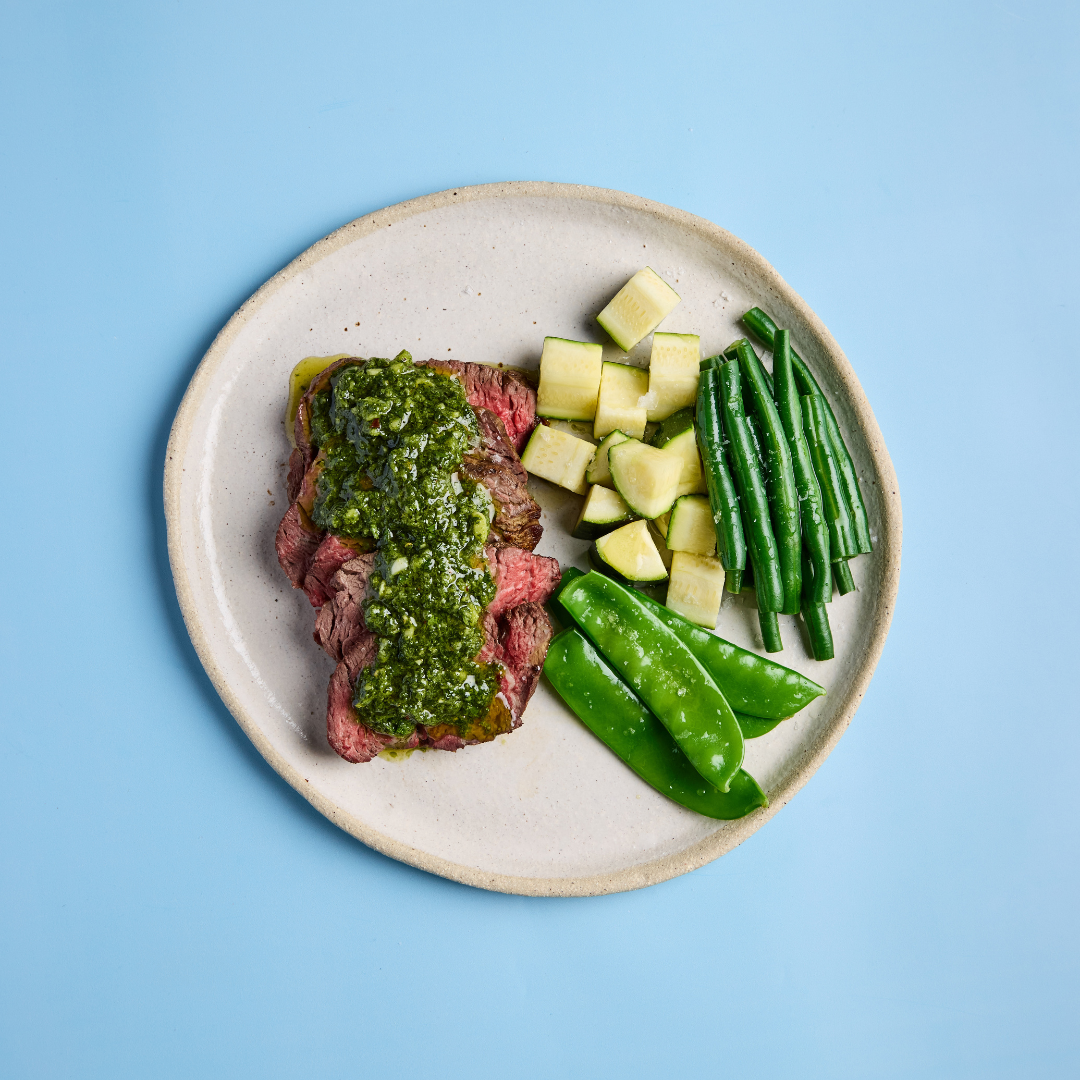
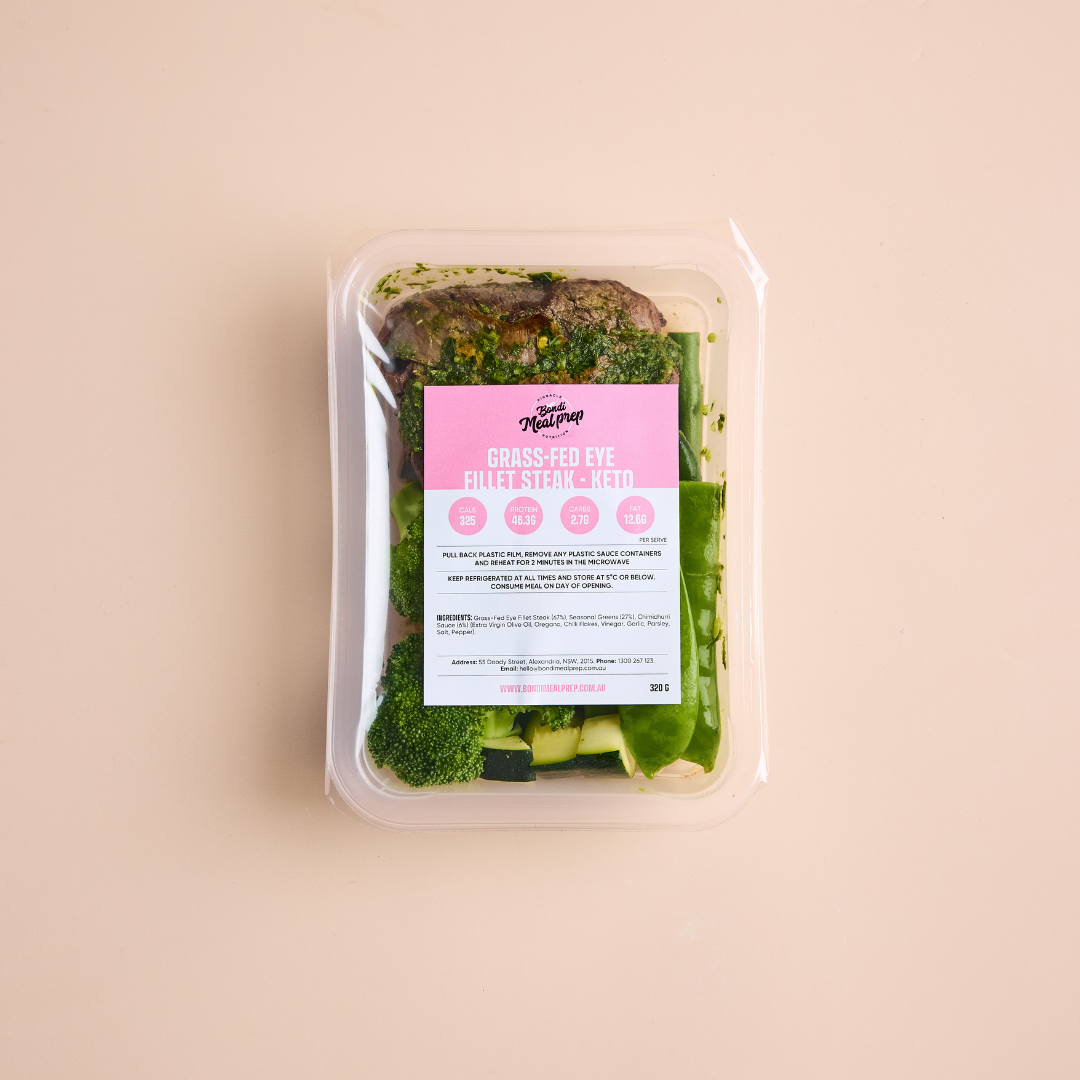
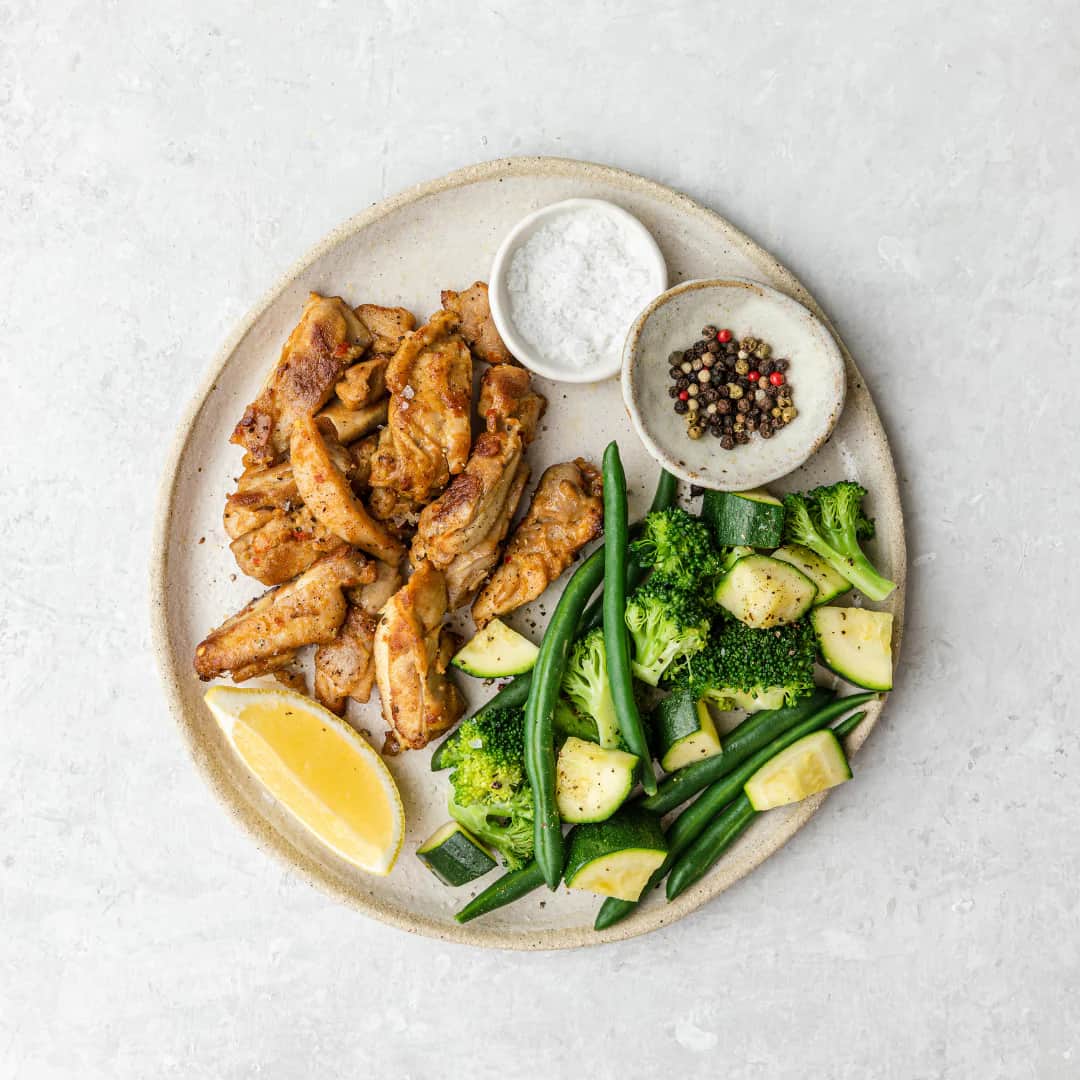
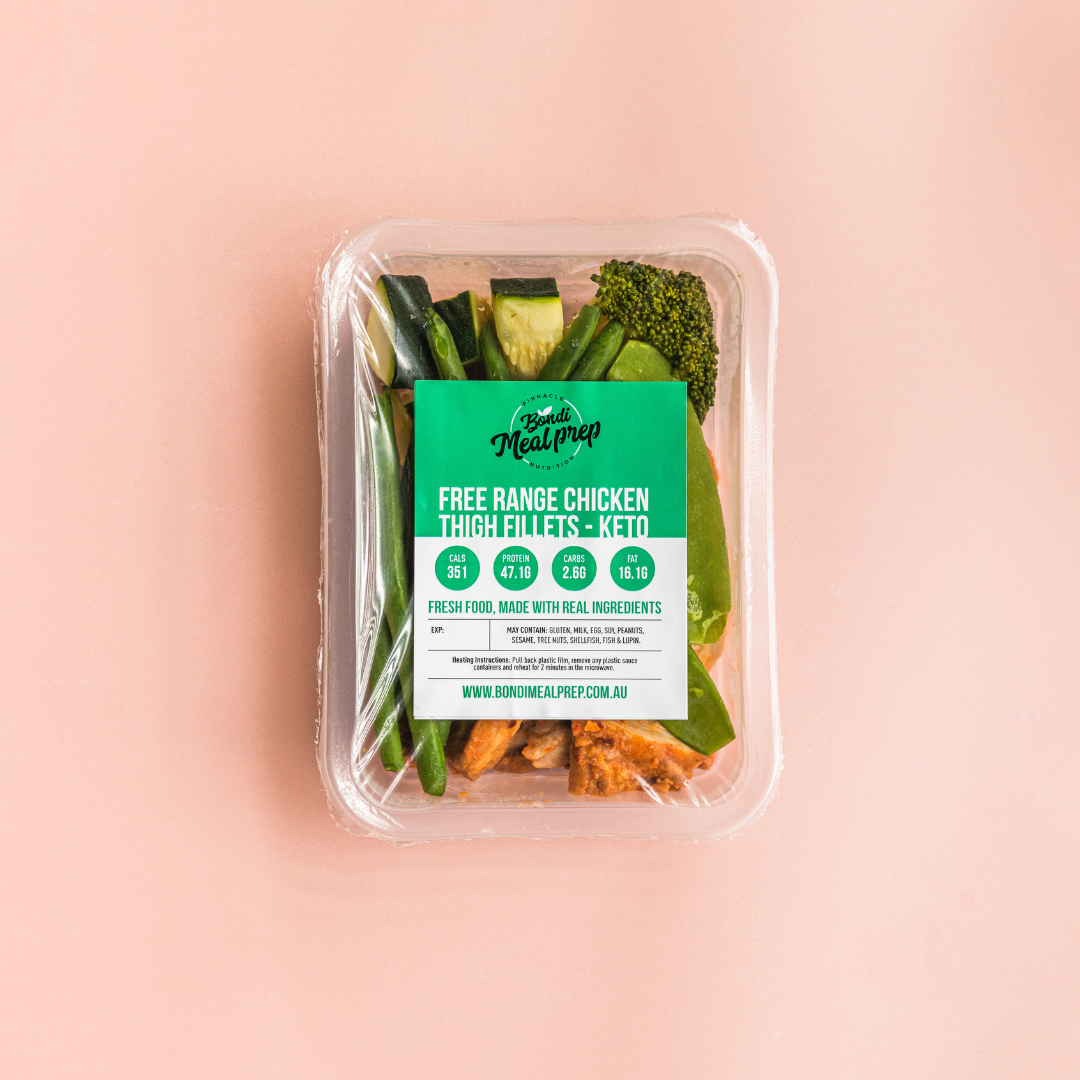
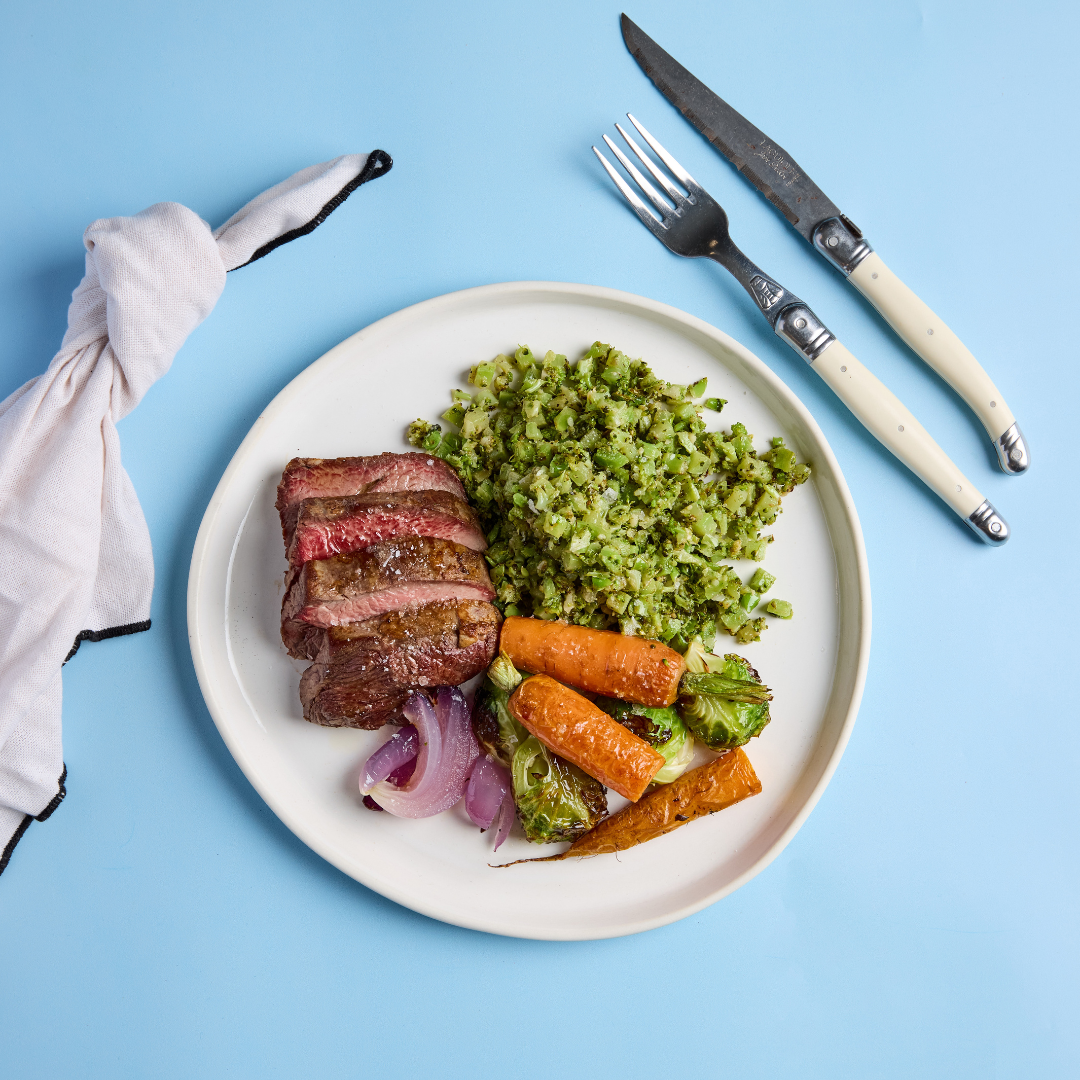
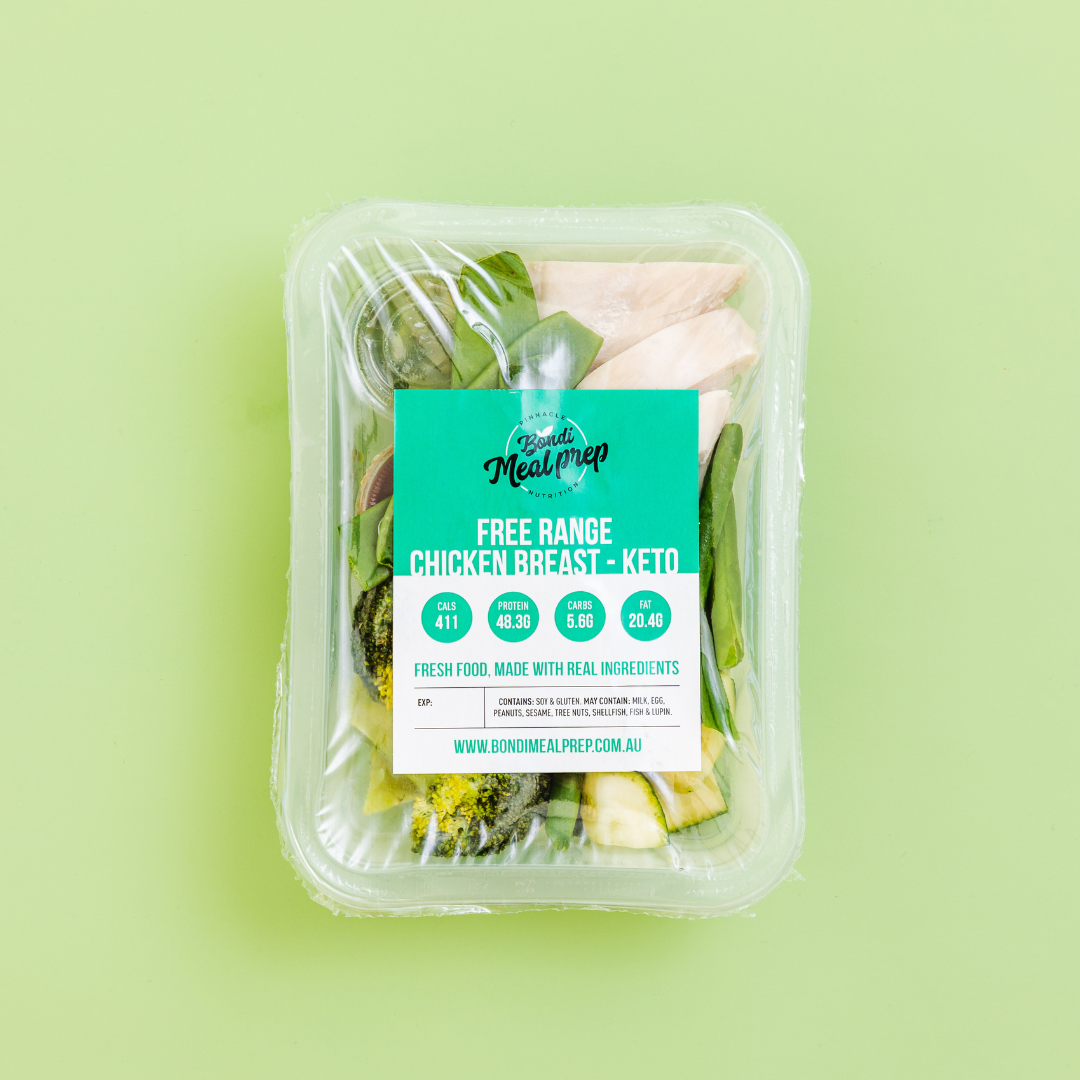
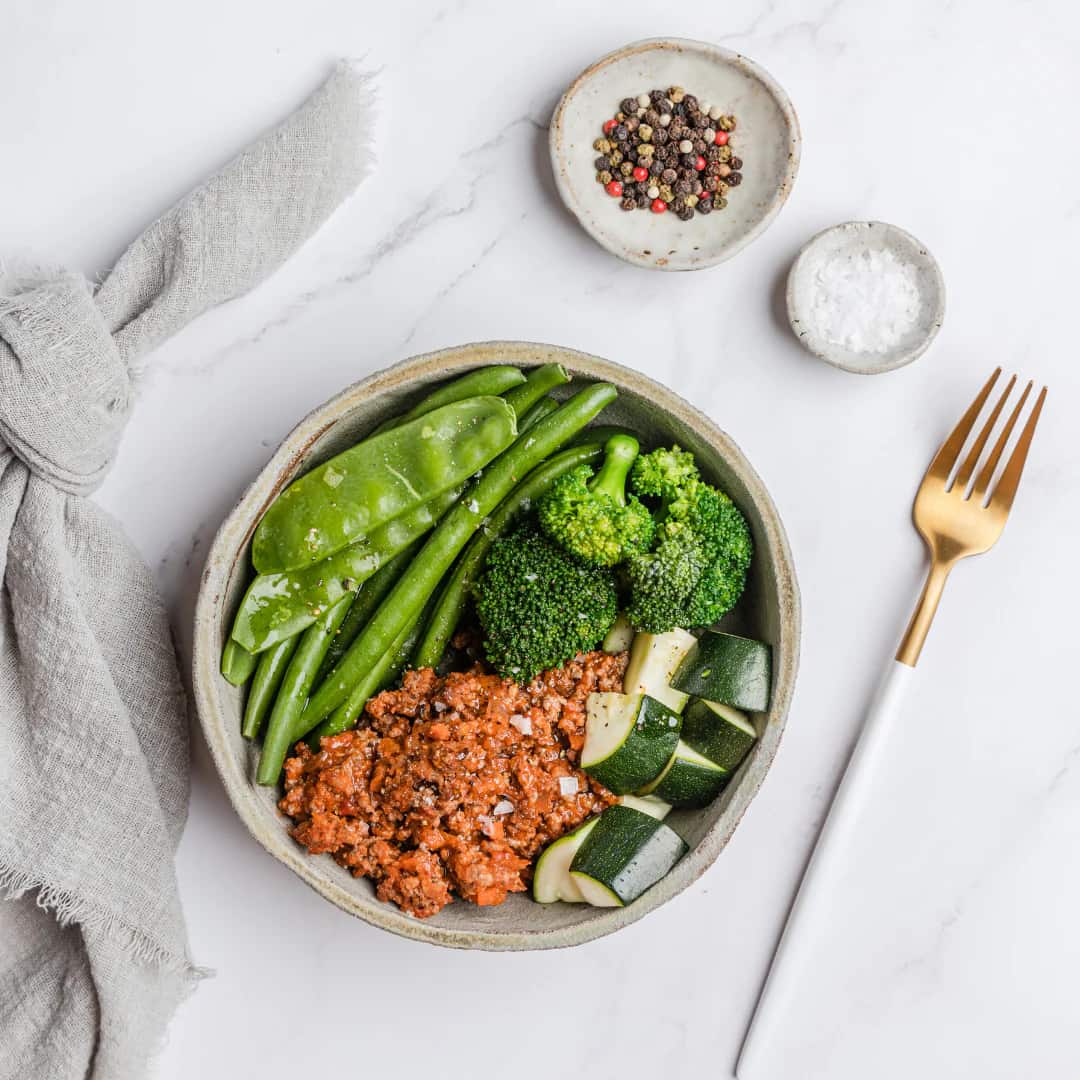
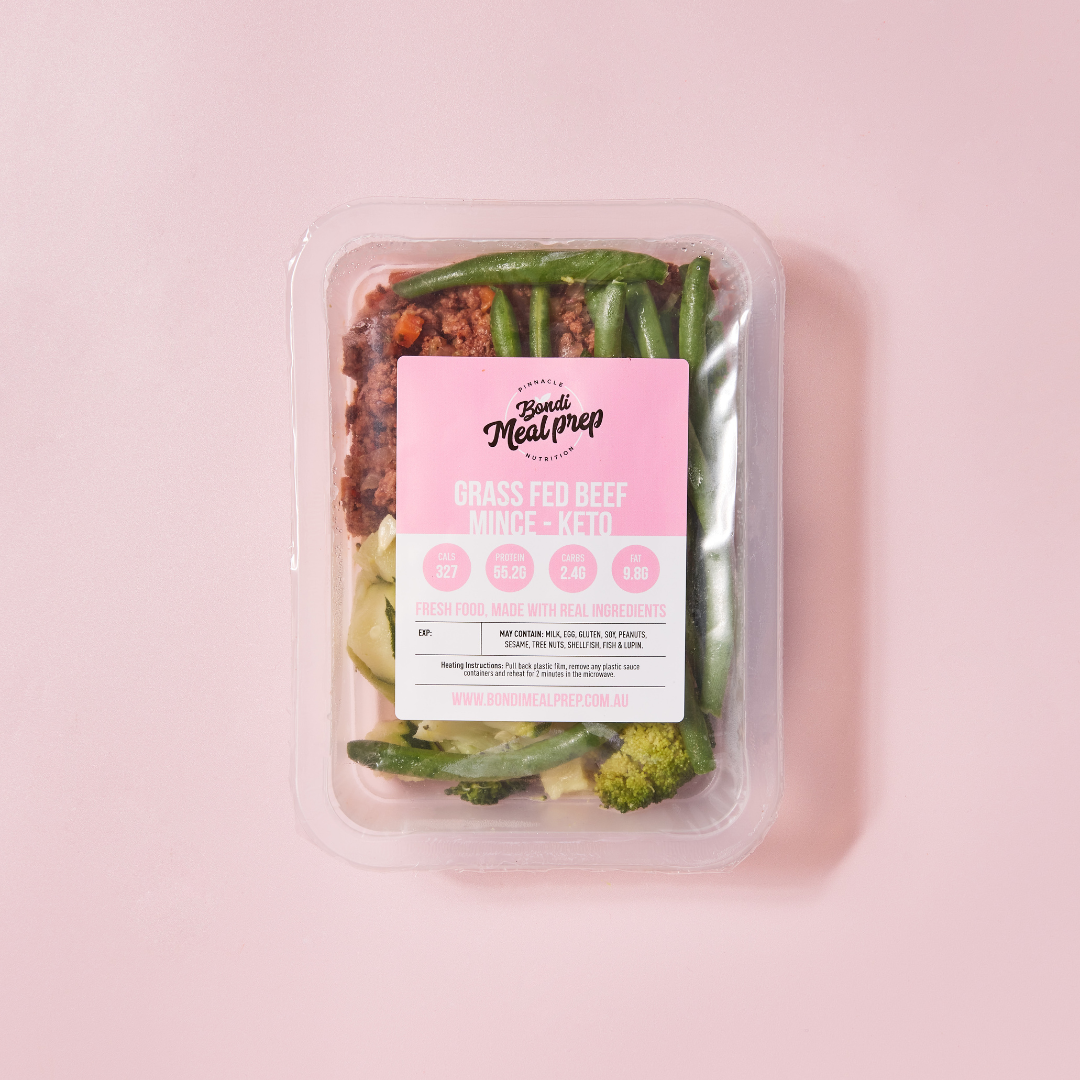
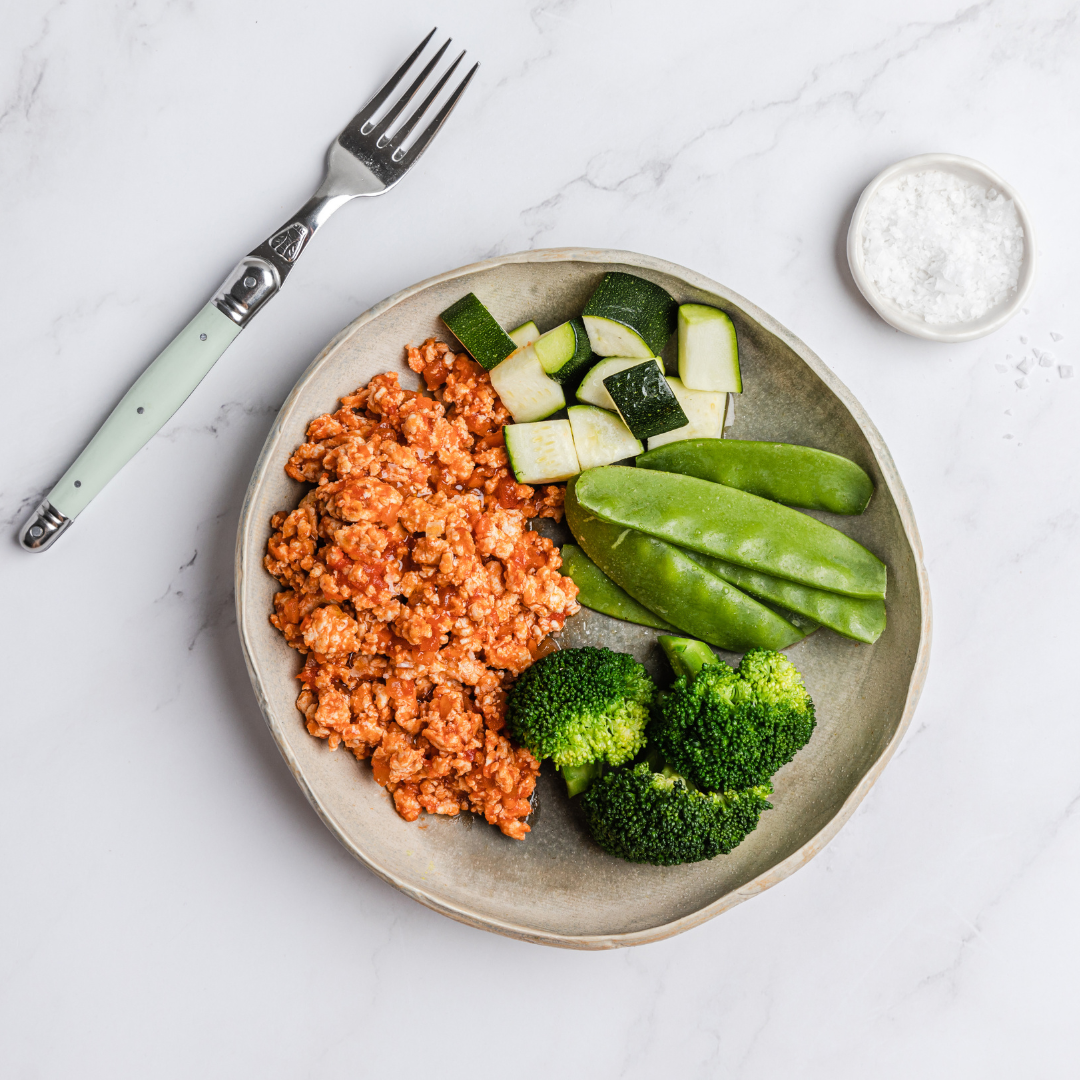
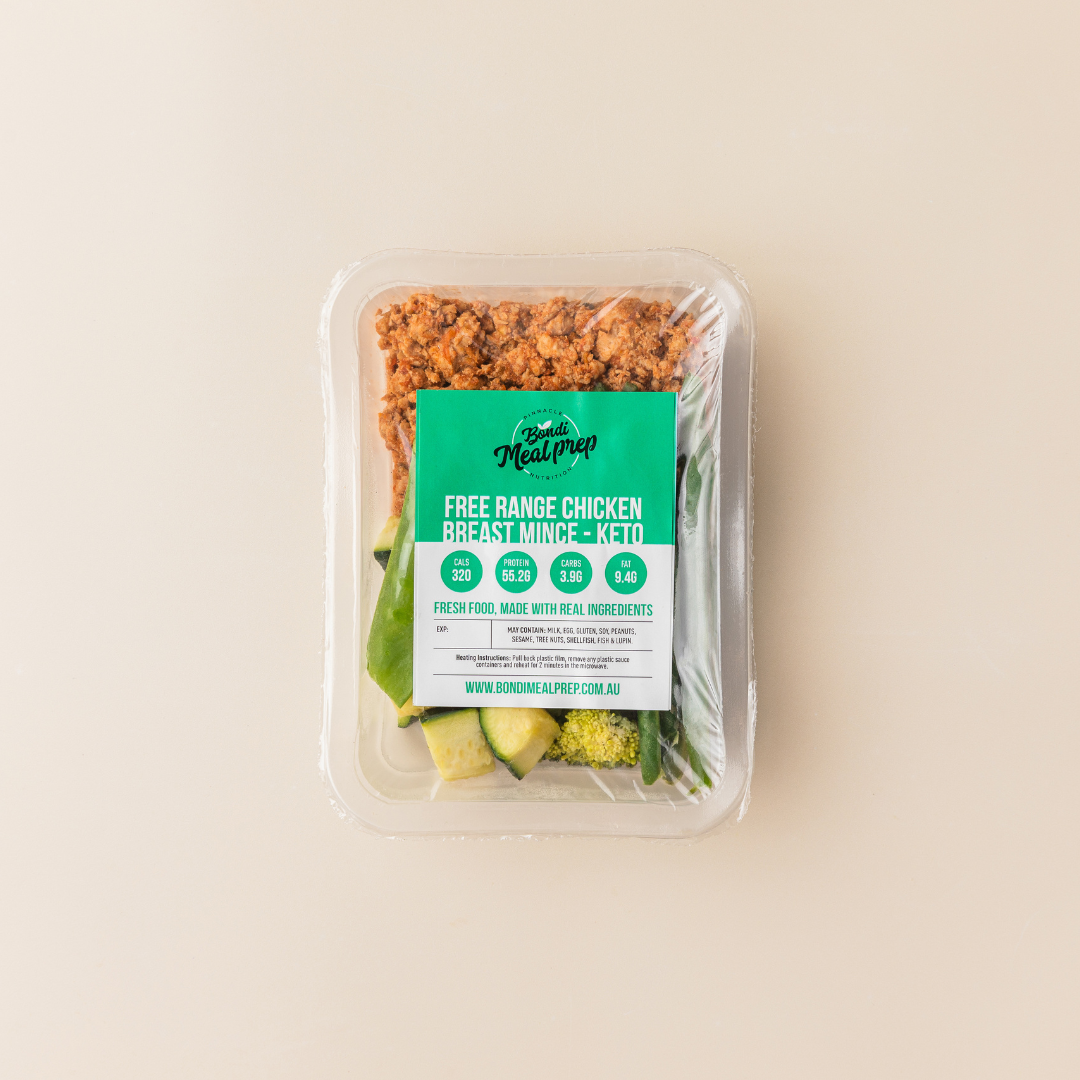
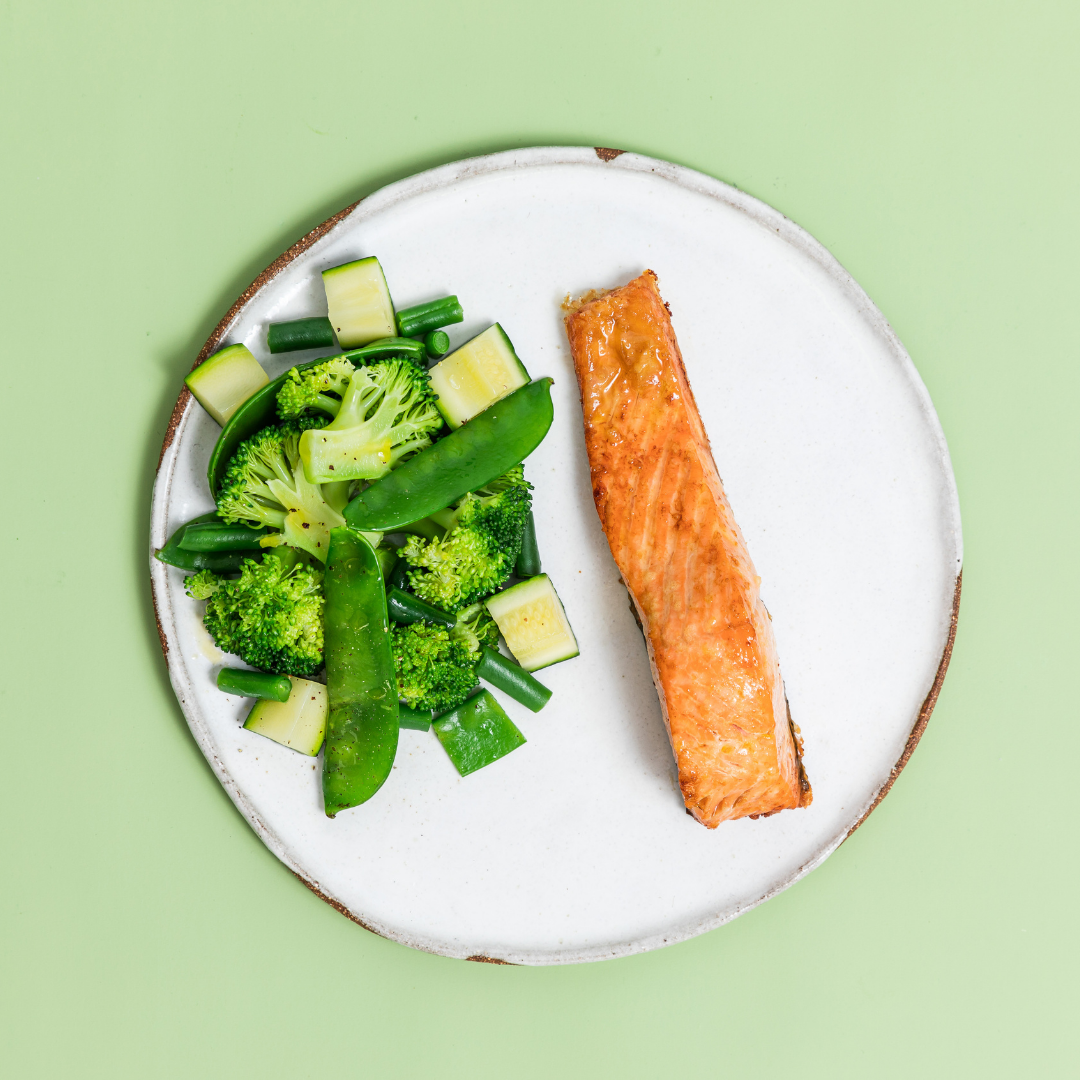
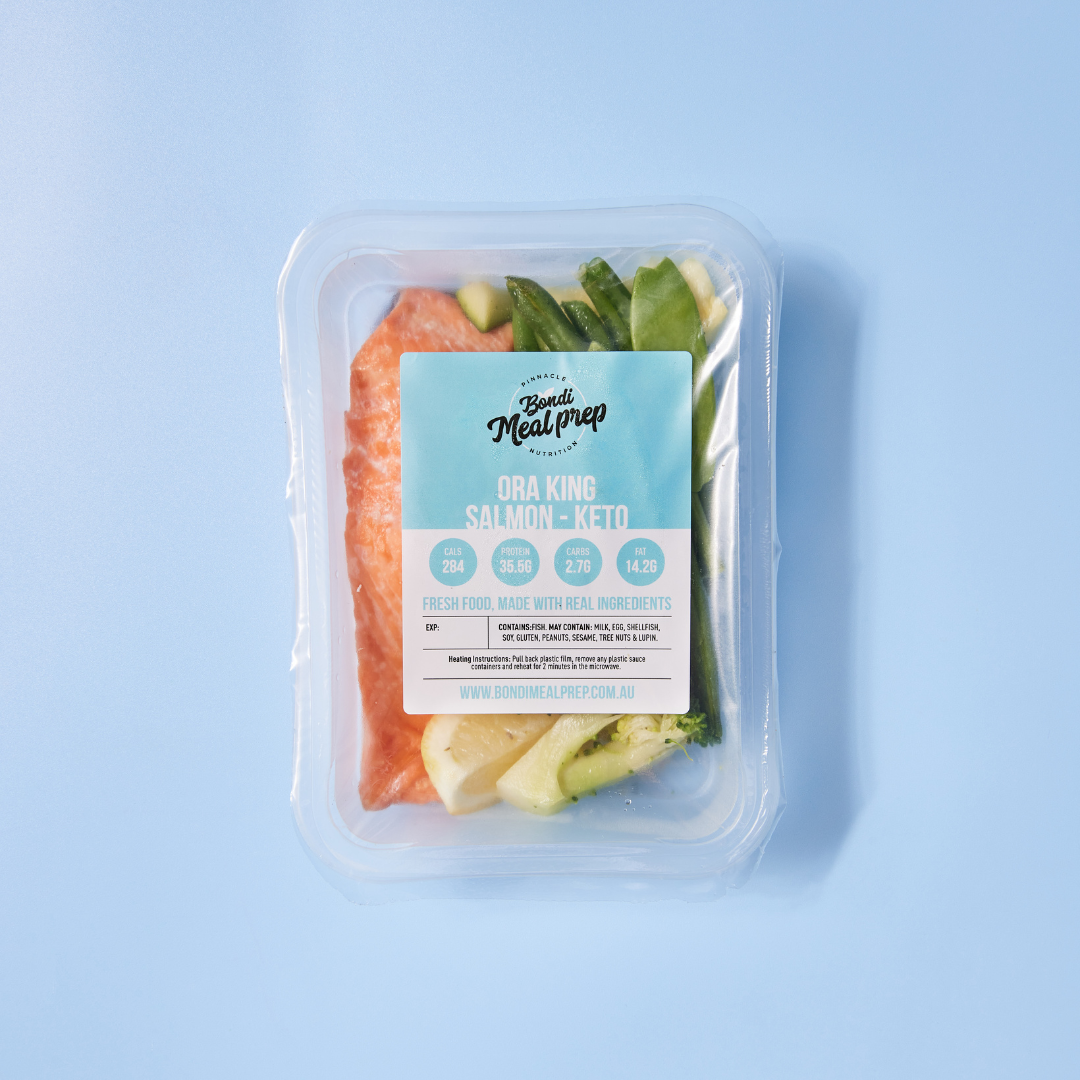
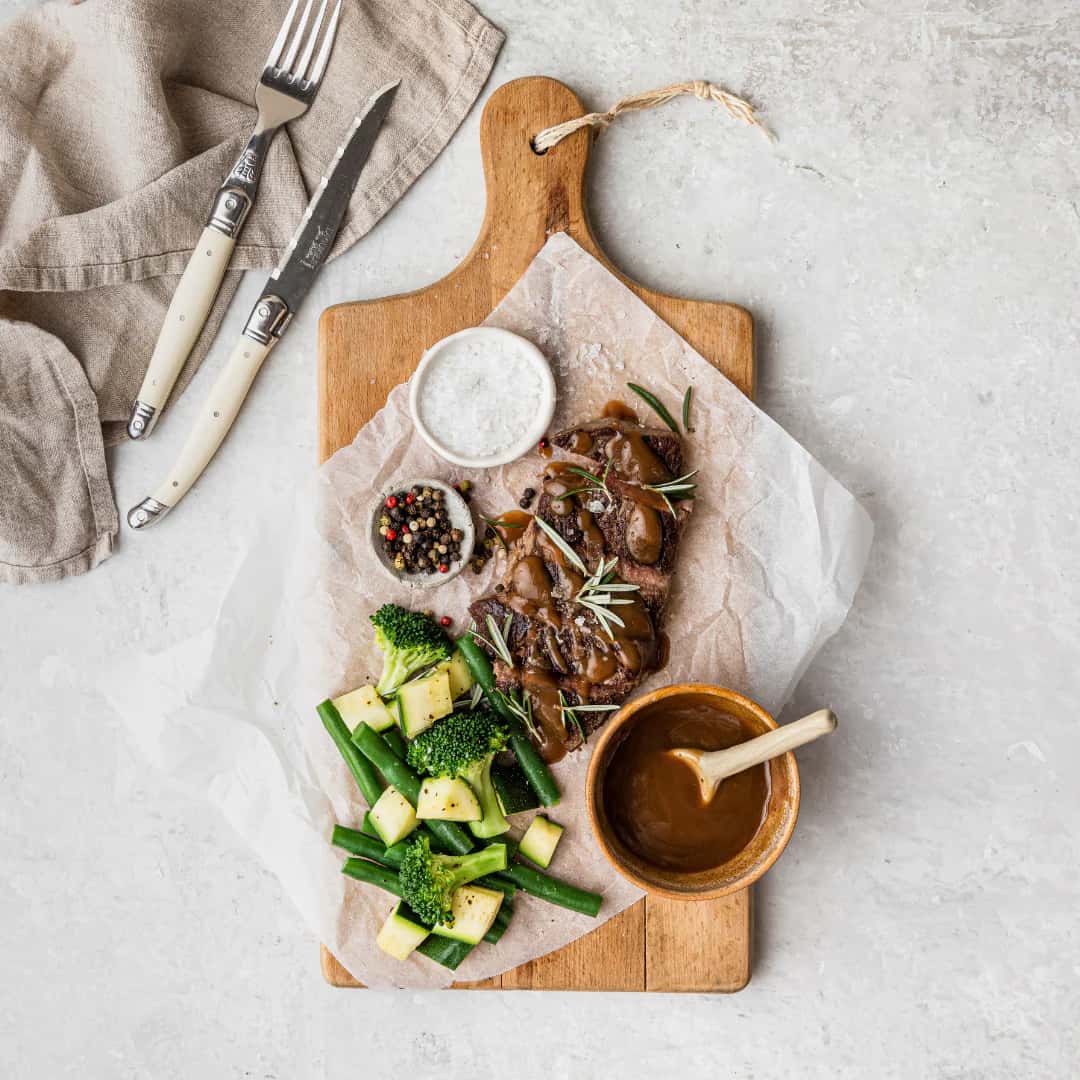
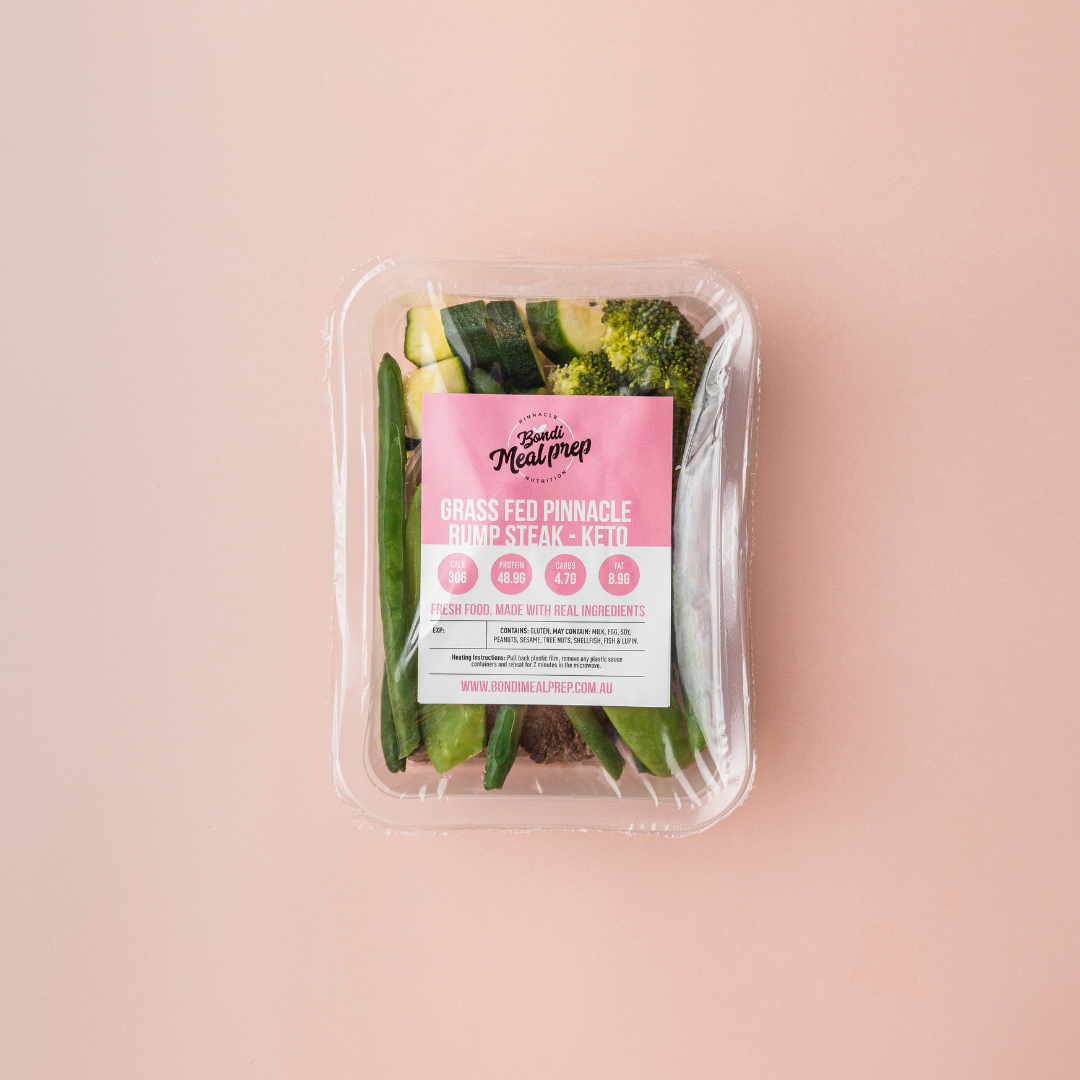
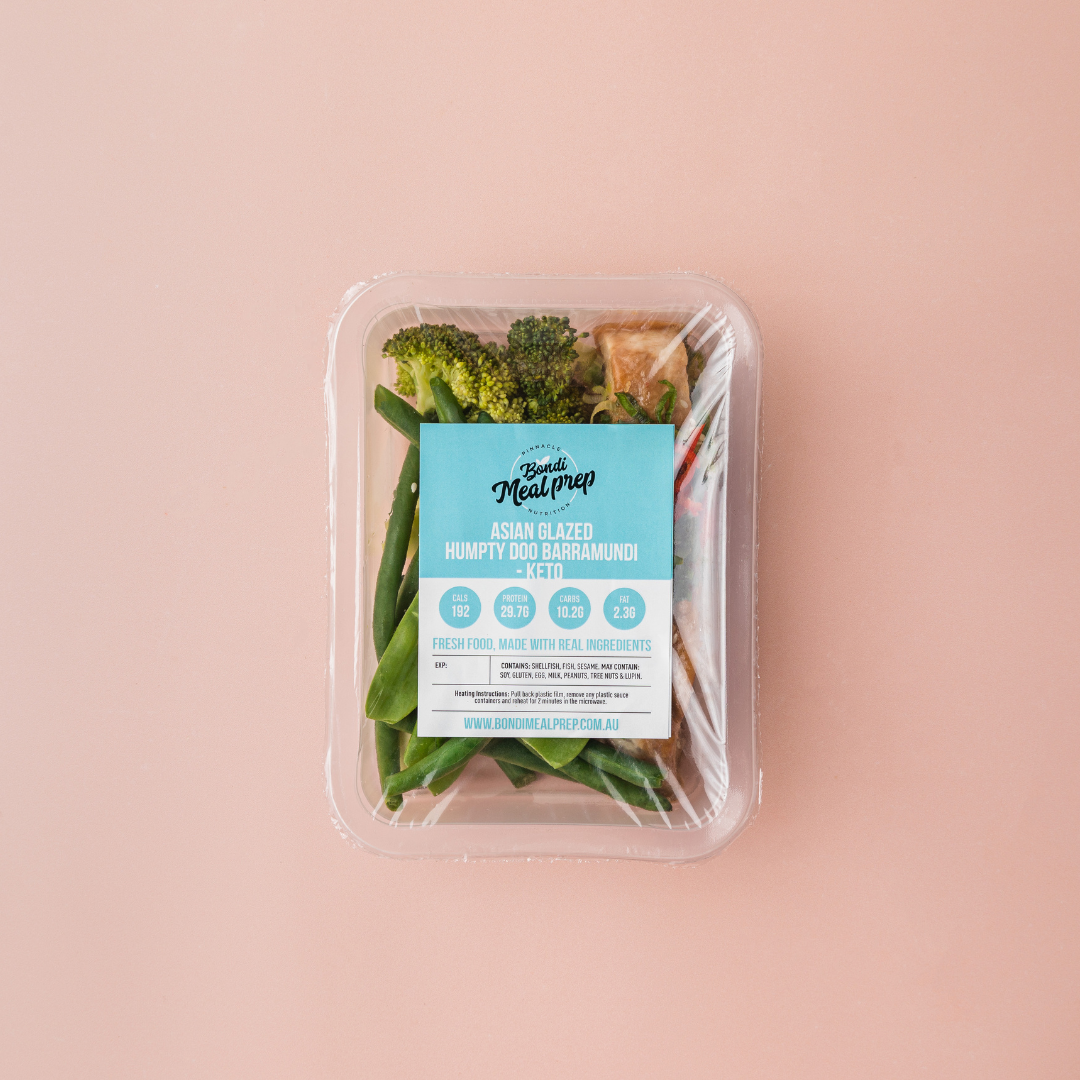
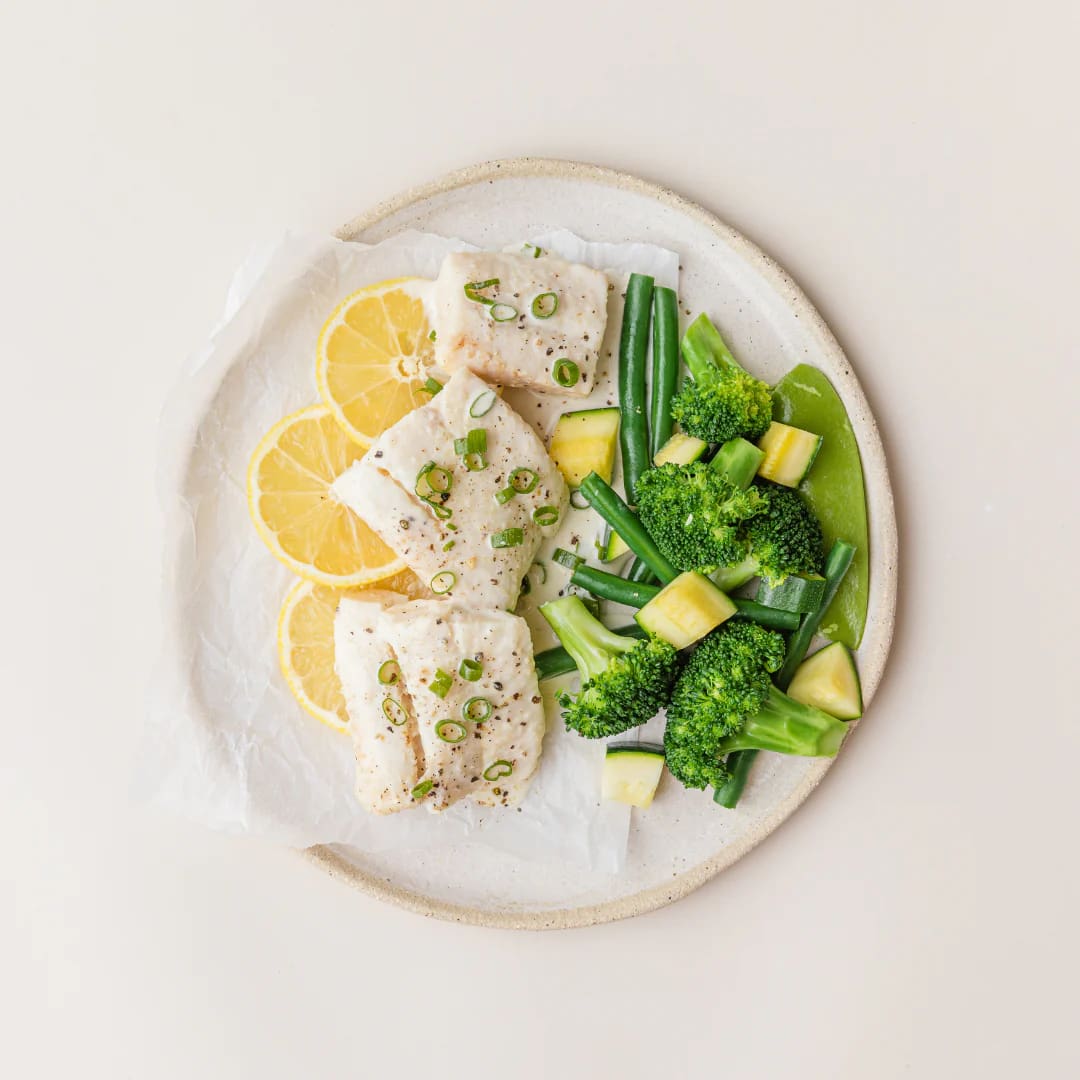
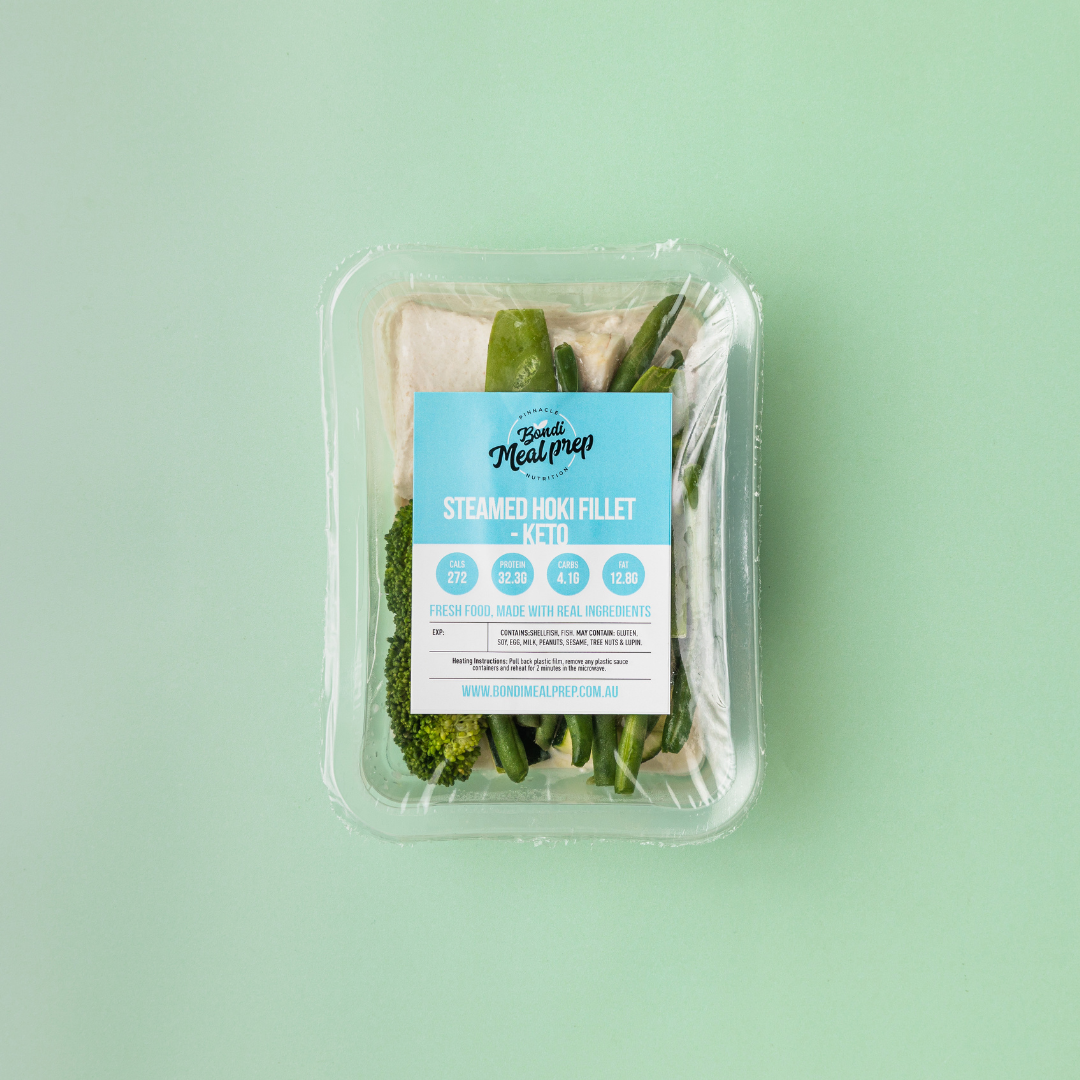
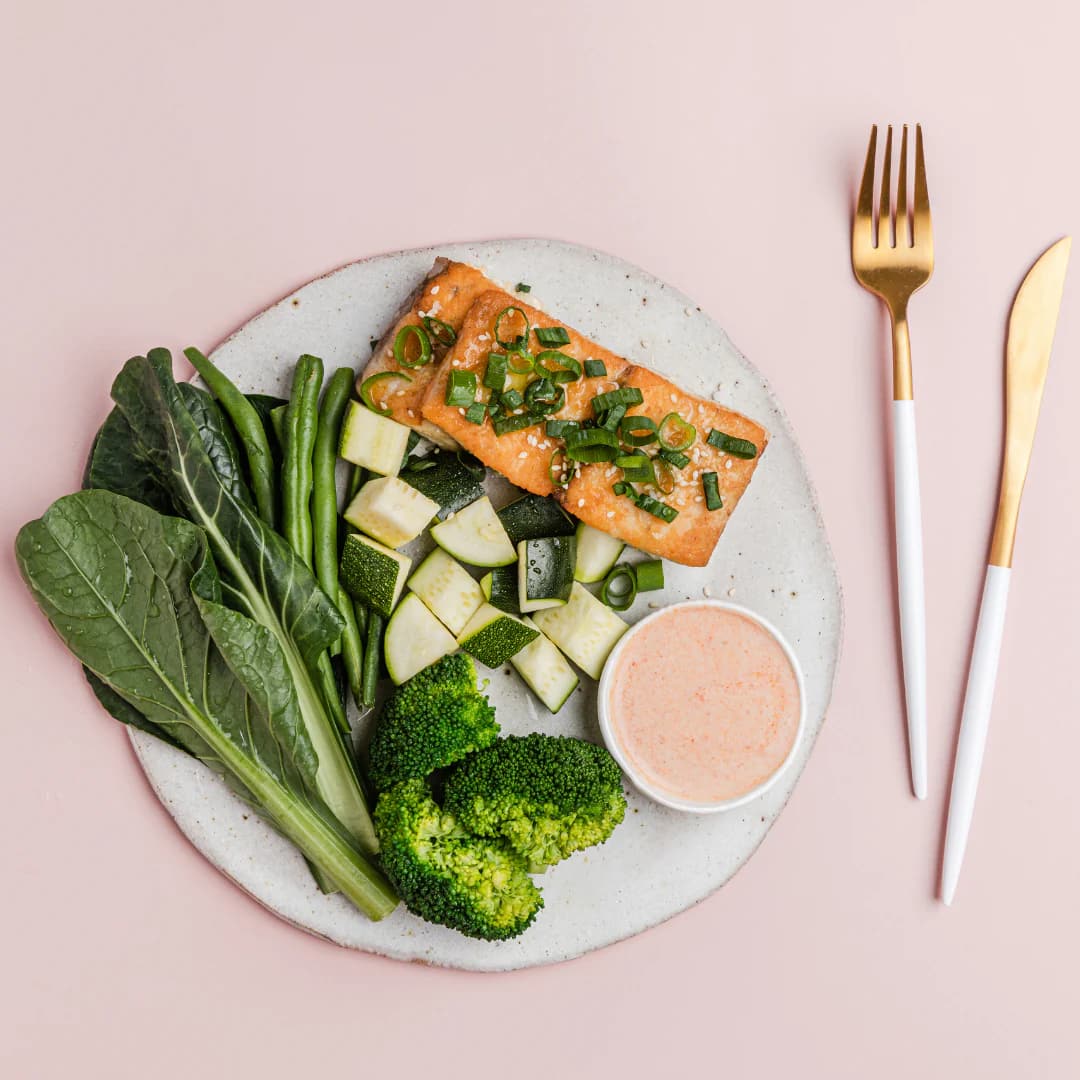
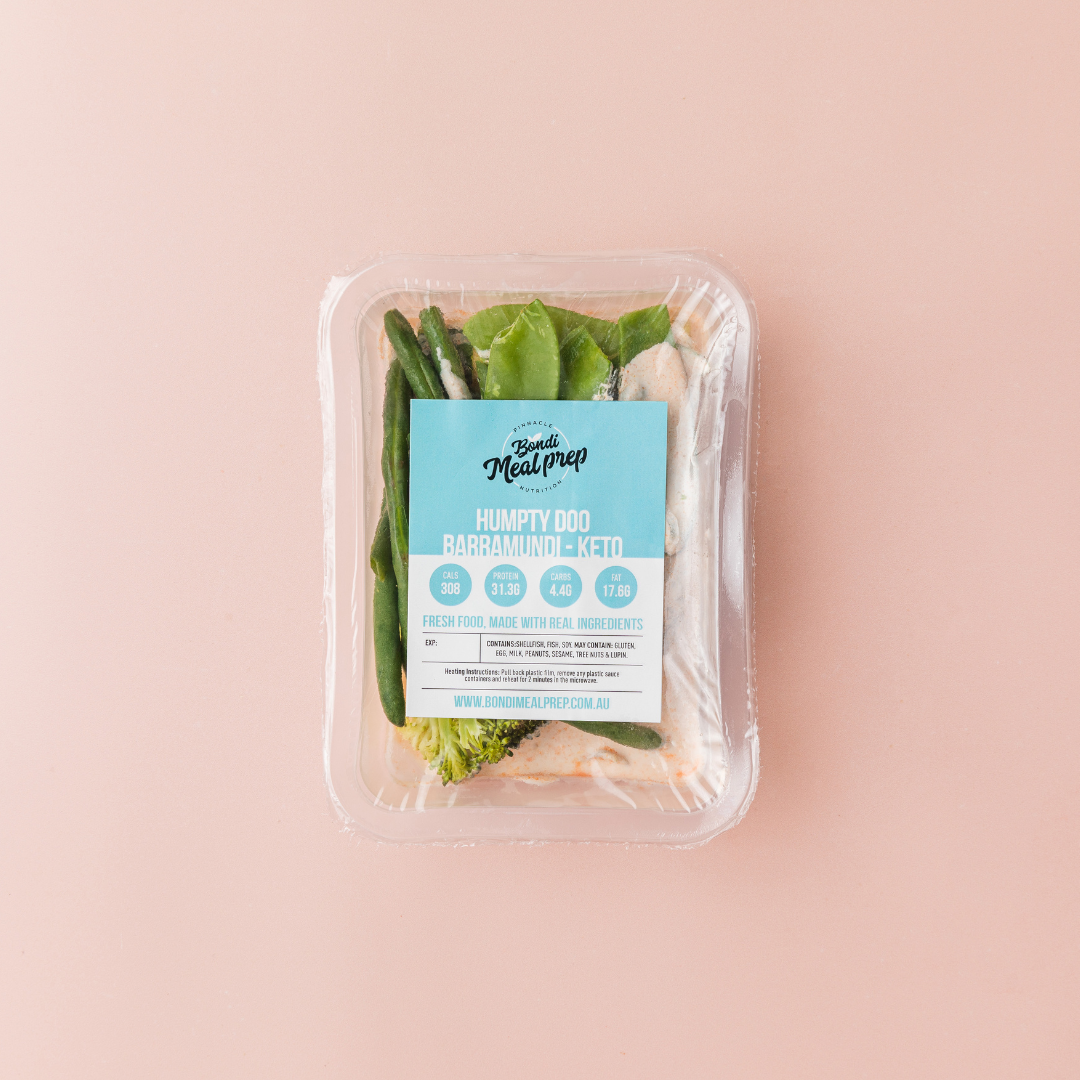
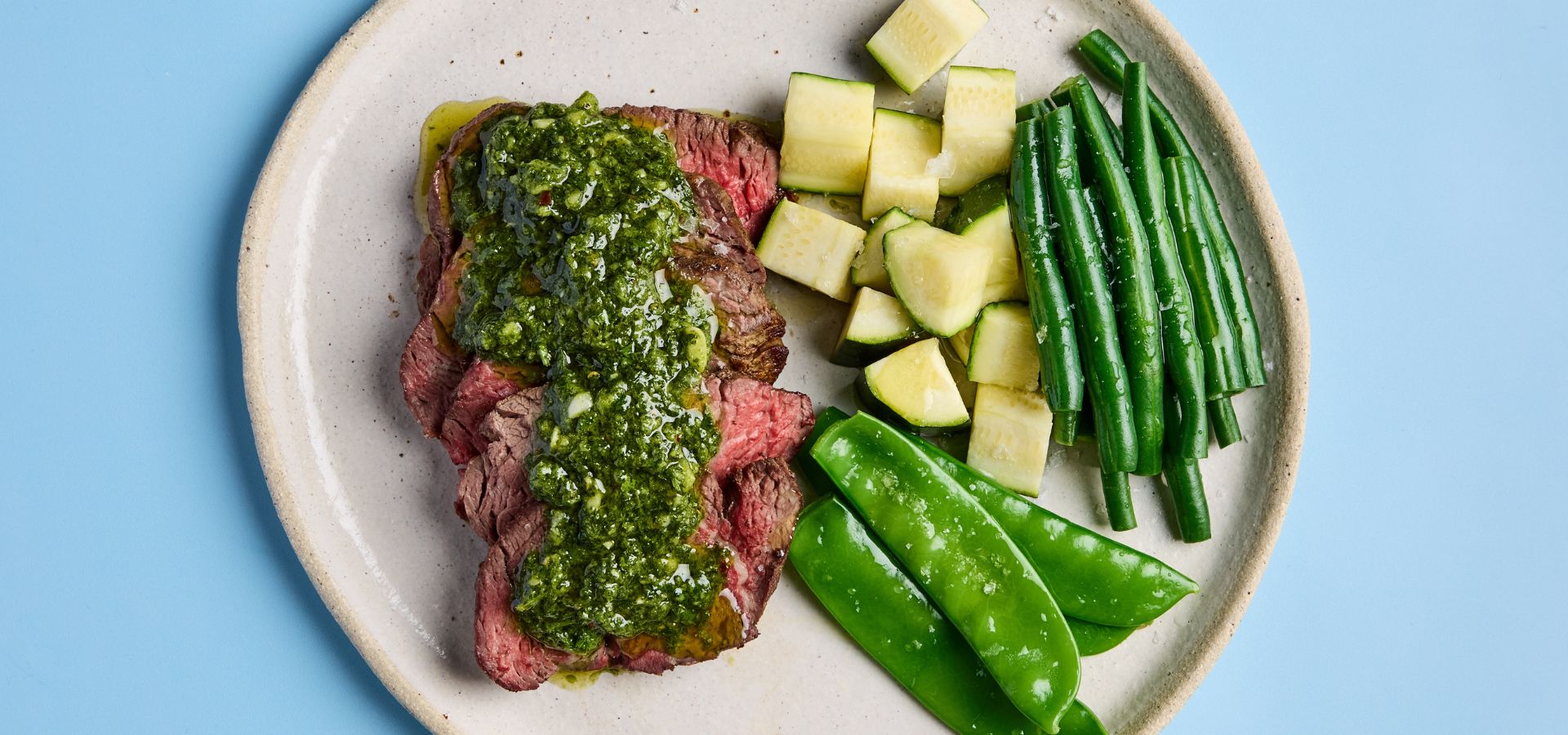
Bondi Meal Prep's keto meal range is made fresh with grass-fed beef, free-range chicken, and organic fish, paired with low-carb vegetables packed with fibre. Every meal is macro-balanced and ready in minutes. Think of it less like a meal delivery service and more like having a nutritionist, a personal chef, and a very organised Sunday all rolled into one.
Our meals stay fresh for 7 days in the fridge, so you've always got a tasty keto option waiting for you, even on your most chaotic days. Explore our mouth-watering keto menu and see what's cooking in our kitchen right now!
Frequently Asked Questions
What is the ideal fibre intake on keto?
Most adults should aim for 25–30g of dietary fibre per day. On keto, hitting that target takes a bit more planning since many fibre-rich foods are also high in carbs. The good news is that with the right mix of low-carb vegetables, seeds, nuts, and fibre supplements like psyllium husk, reaching your daily intake is completely achievable without affecting ketosis.
What is the difference between soluble and insoluble fibre?
Both play an important role in digestive health. Soluble fibre dissolves in water and helps slow digestion, stabilise blood sugar, and lower cholesterol. Insoluble fibre adds bulk to your stool and keeps things moving through the digestive tract. Most high-fibre foods combine both types.
What are the easiest high-fibre foods to add to a keto diet?
Avocado, chia seeds, flaxseed, and leafy greens are often the easiest wins. They're low in net carbs, high in fibre, and simple to work into everyday meals without needing complicated recipes. If you're still struggling to hit your fibre goals through food alone, psyllium husk is a convenient supplement that adds a significant amount of fibre without any carbs.
Can low fibre intake affect my keto results?
Poor digestive health can affect energy levels, mood, and how you feel day-to-day, all of which influence how likely you are to stick to any diet, not just keto. Getting enough fibre keeps your gut functioning well, helps you feel fuller for longer, and supports the kind of consistent, healthy eating that delivers lasting results on keto.
Why does eating fewer carbs lead to constipation?
When you significantly reduce your carbohydrate intake, you naturally eat fewer of the whole grains, legumes, and starchy foods that contribute to your daily fibre intake. Without consciously replacing that fibre with low-carb alternatives, many people find their digestive system slows down in the first few weeks. Staying hydrated and adding fibre-rich foods like broccoli, chia seeds, and ground flaxseed to your meals is the most effective way to stay regular when adjusting to a low-carb lifestyle.