

No Added Gluten Prepared Meal Delivery
Fuel your body with Bondi Meal Prep’s healthy, no added gluten meals. Packed with nutrients to support energy, digestion, and overall well-being.

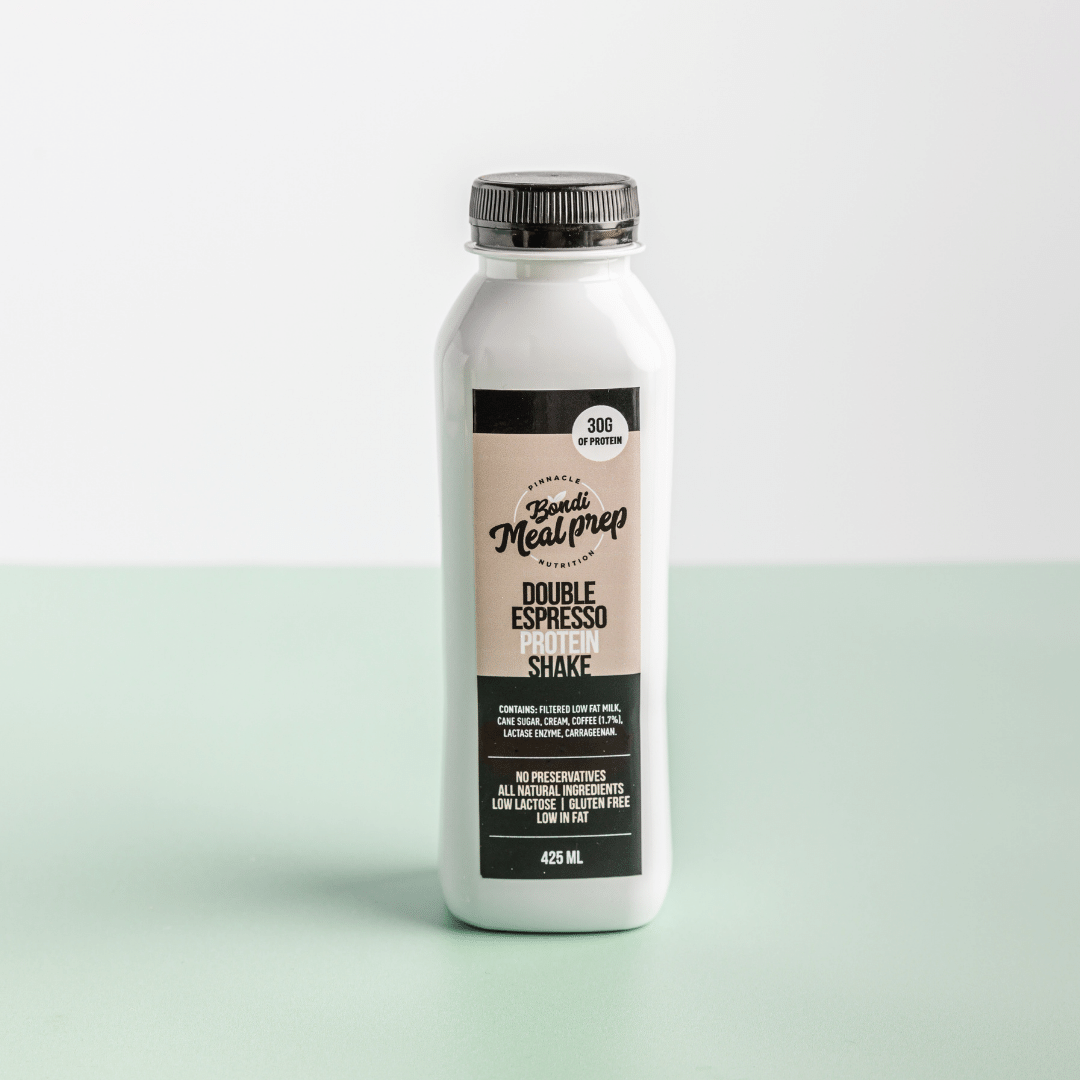
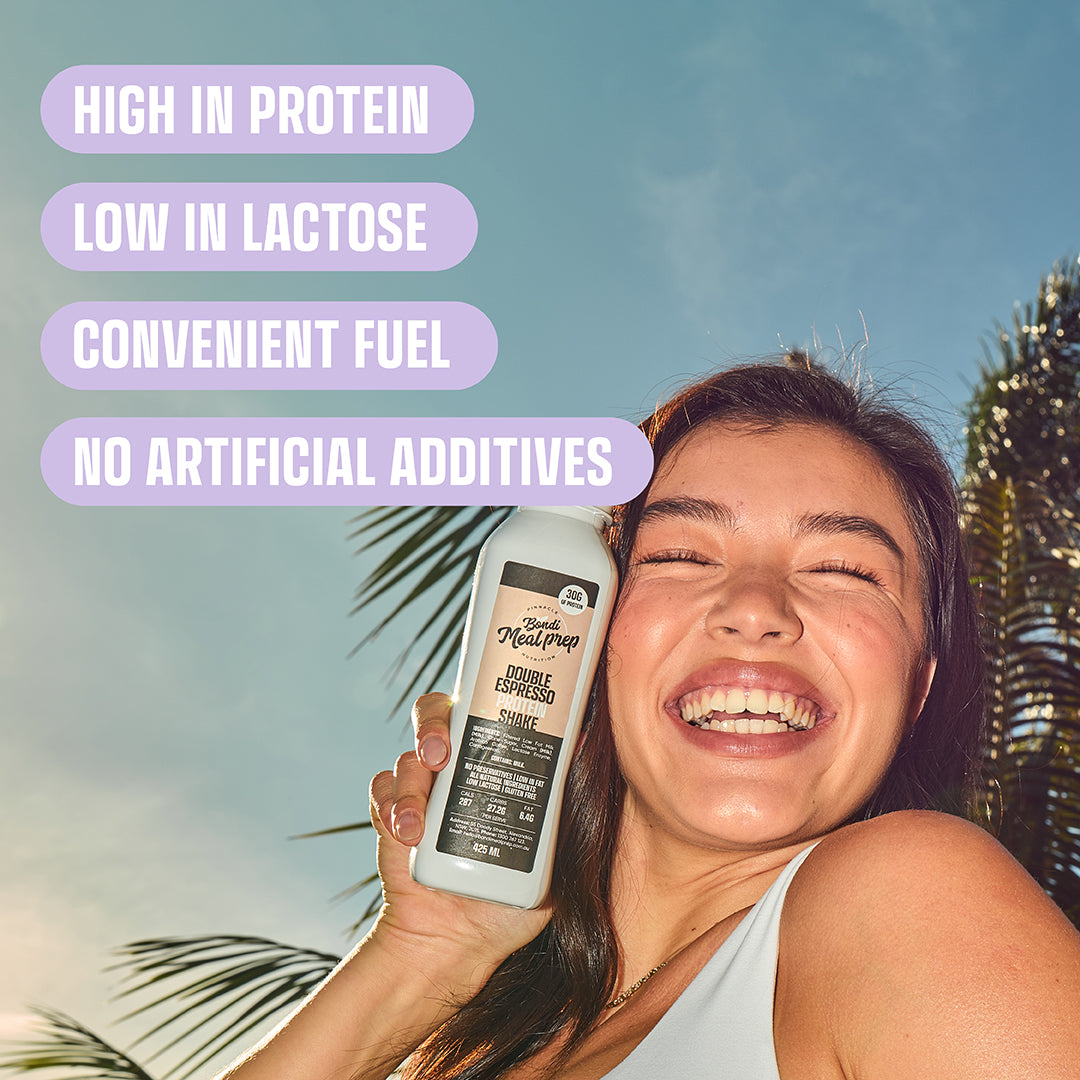
Double Espresso Protein Shake
Protein smoothie made from grass-fed milk that is high in protein and low in fat.
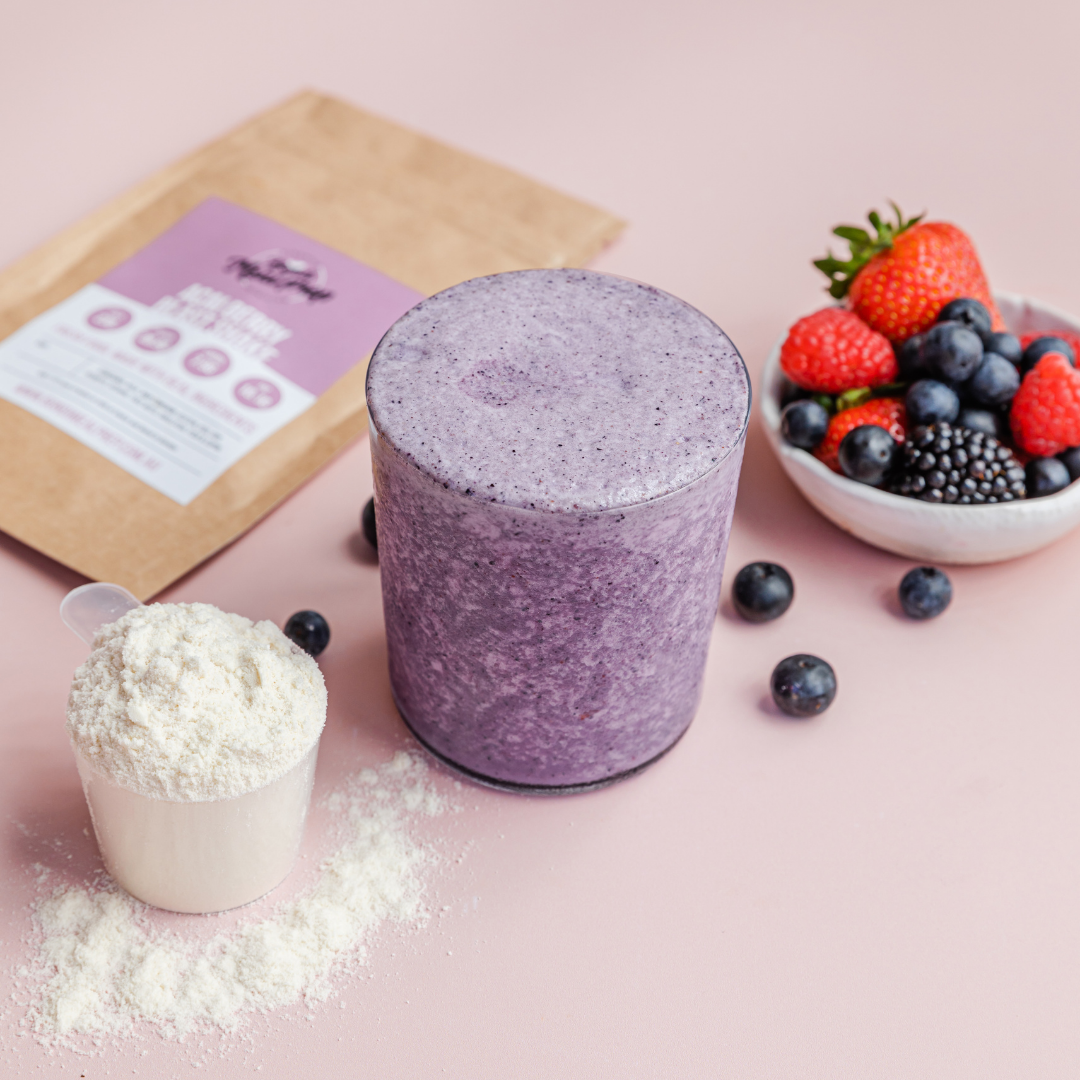
Acai Berry Blast Shake
Antioxidant packed shake made with organic acai, protein powder, LSA, blueberries & strawberries.

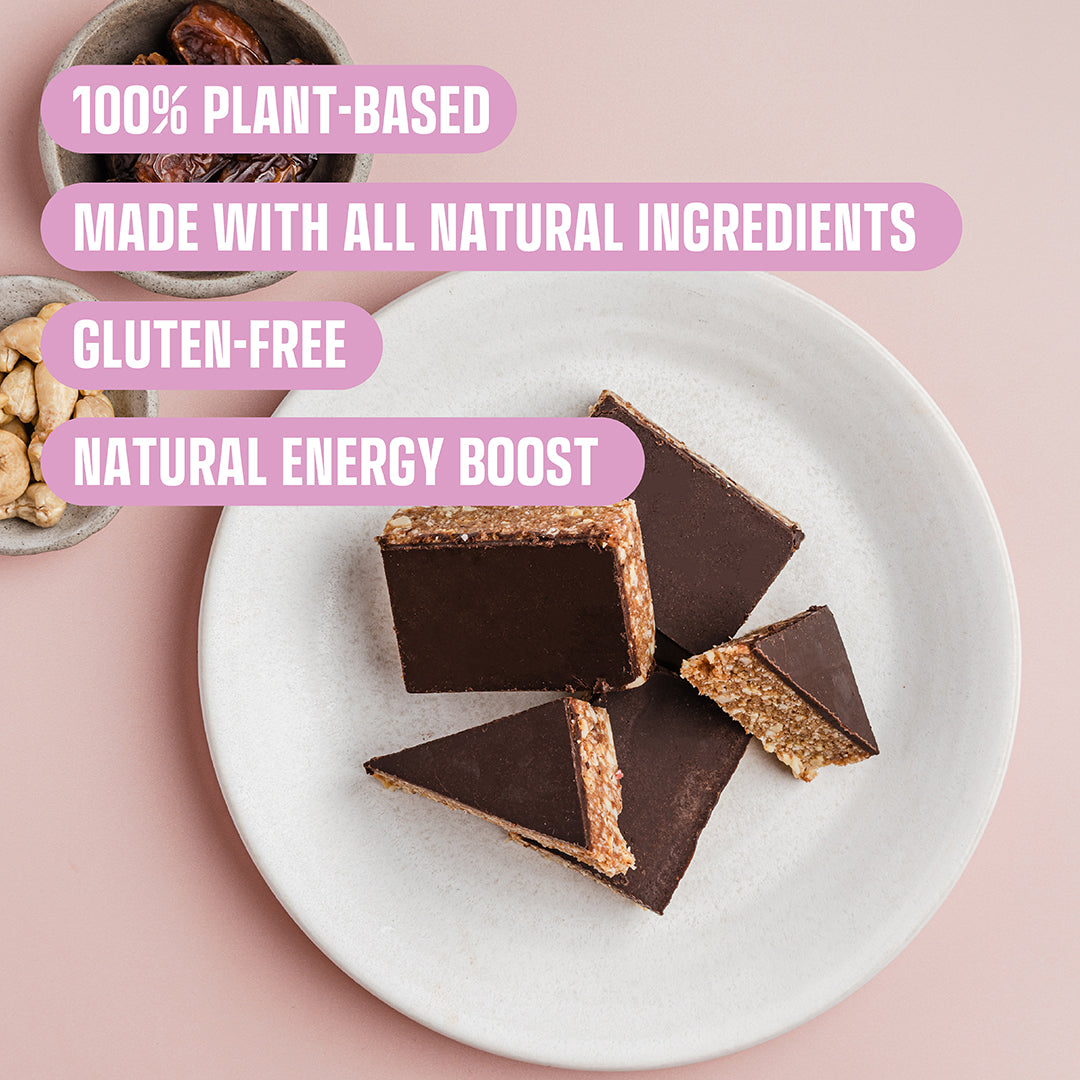
Vegan Salted Caramel Slice
Vegan Salted Caramel Slice that is raw, butter-free, flour-free and made entirely with 100% natural ingredients. NB: $15 is the price for 3 slices.

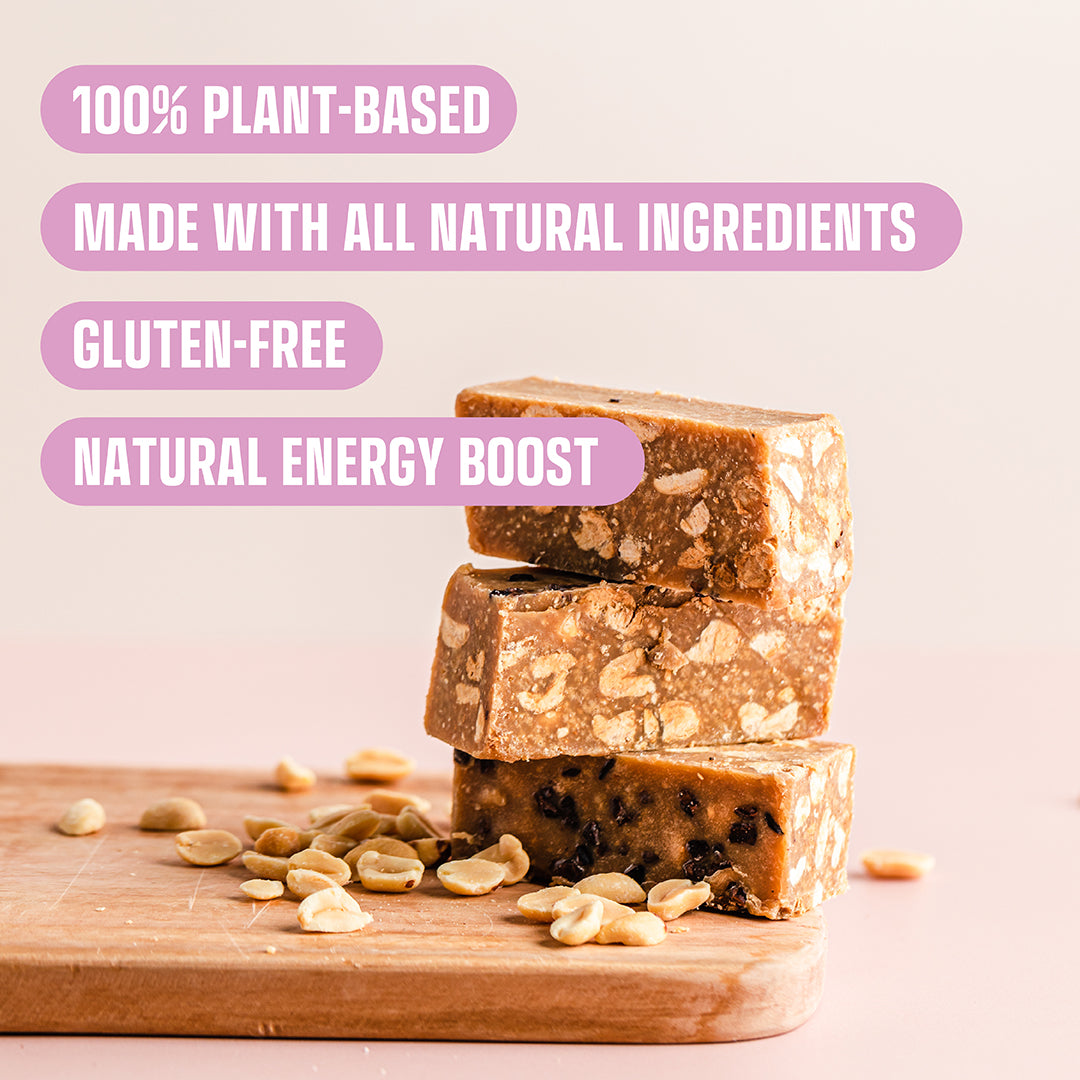
Vegan Peanut Butter Fudge Slice
Vegan peanut butter fudge slice that is butter-free, flour-free, and made with 100% natural ingredients. NB: $15 is the price for 3 slices.
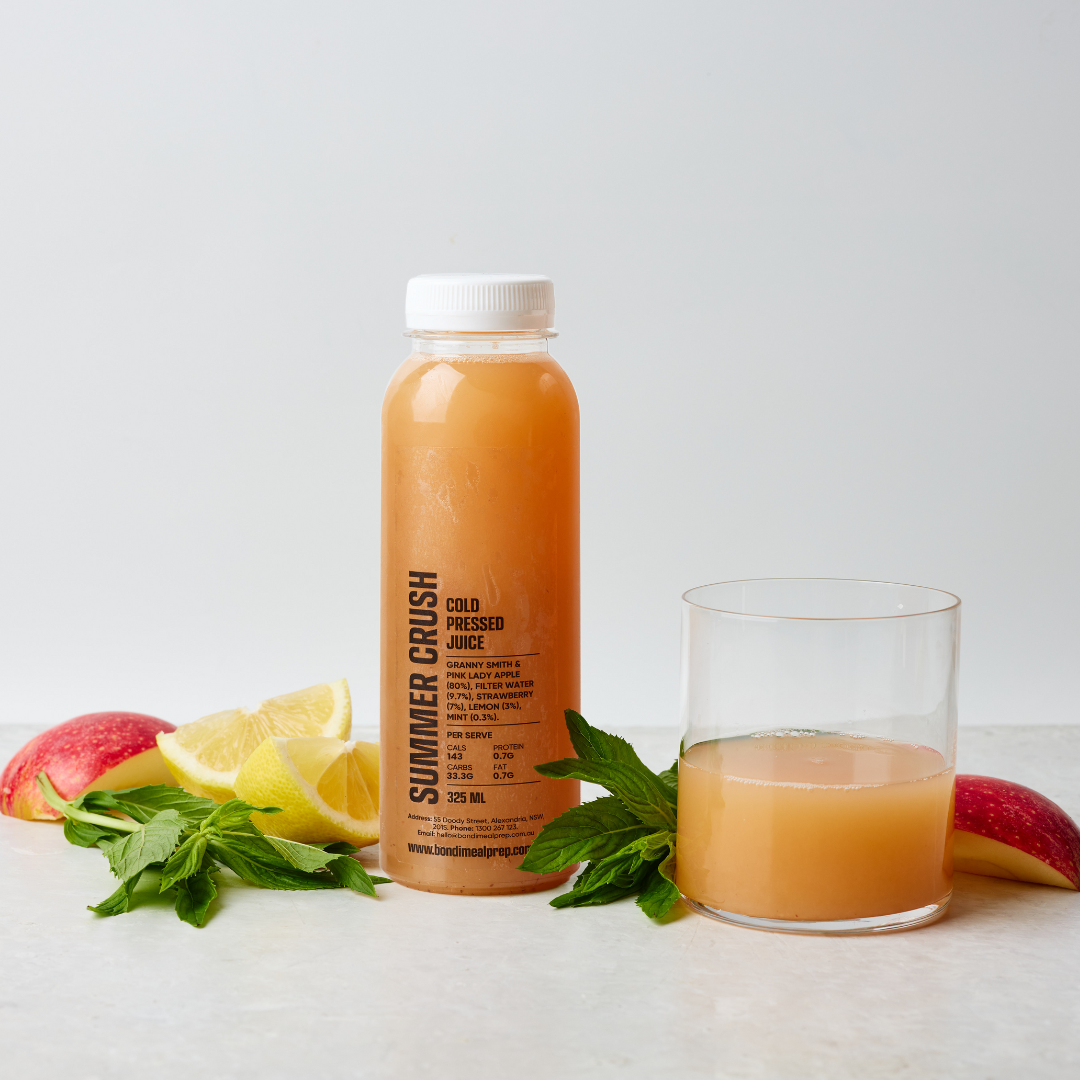
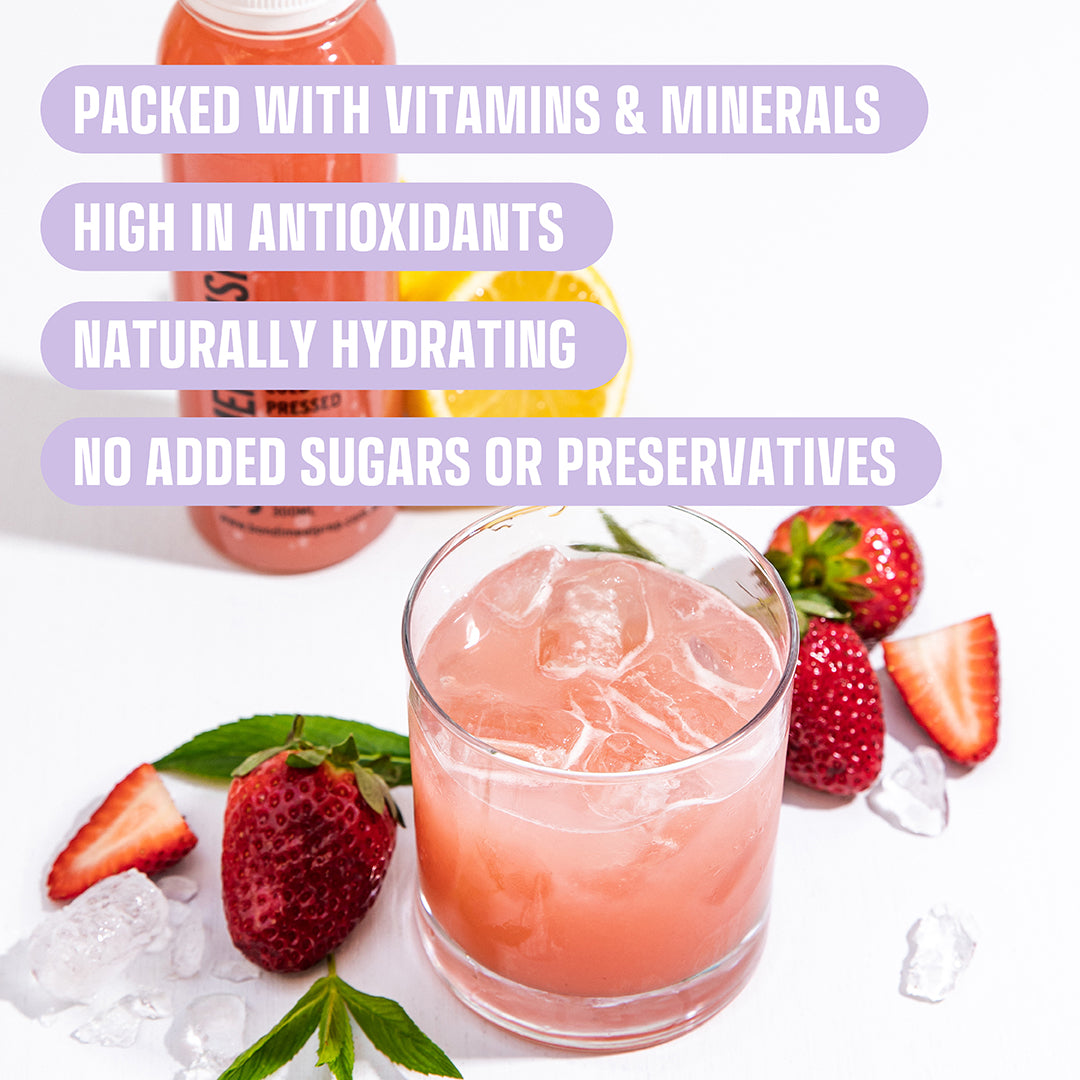
Summer Crush Cold Pressed Juice
Cold pressed juice made with Australian grown apples, strawberries, mint and lemon.

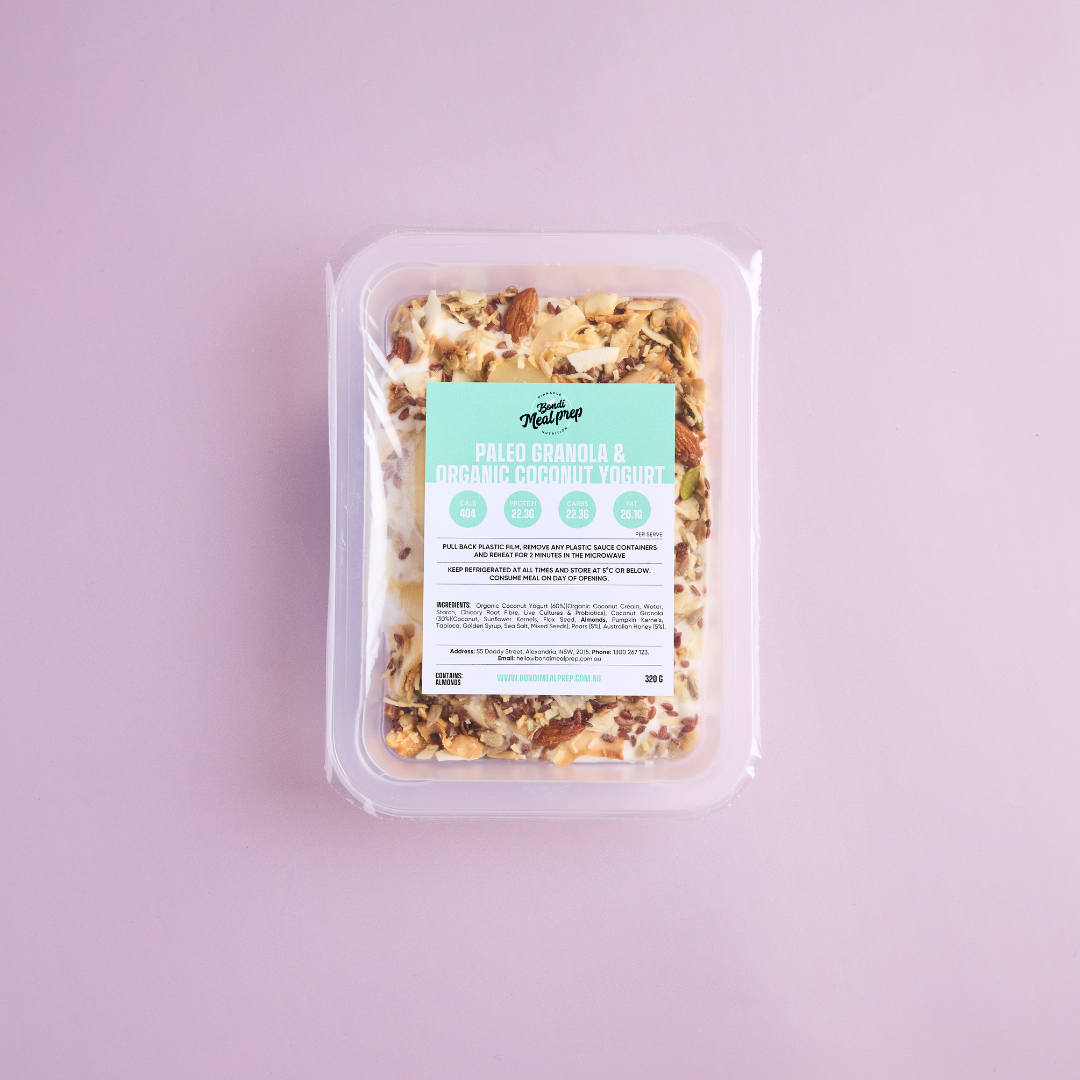
Paleo Granola & Organic Coconut Yoghurt
House-made paleo granola with probiotic-rich organic coconut yoghurt.
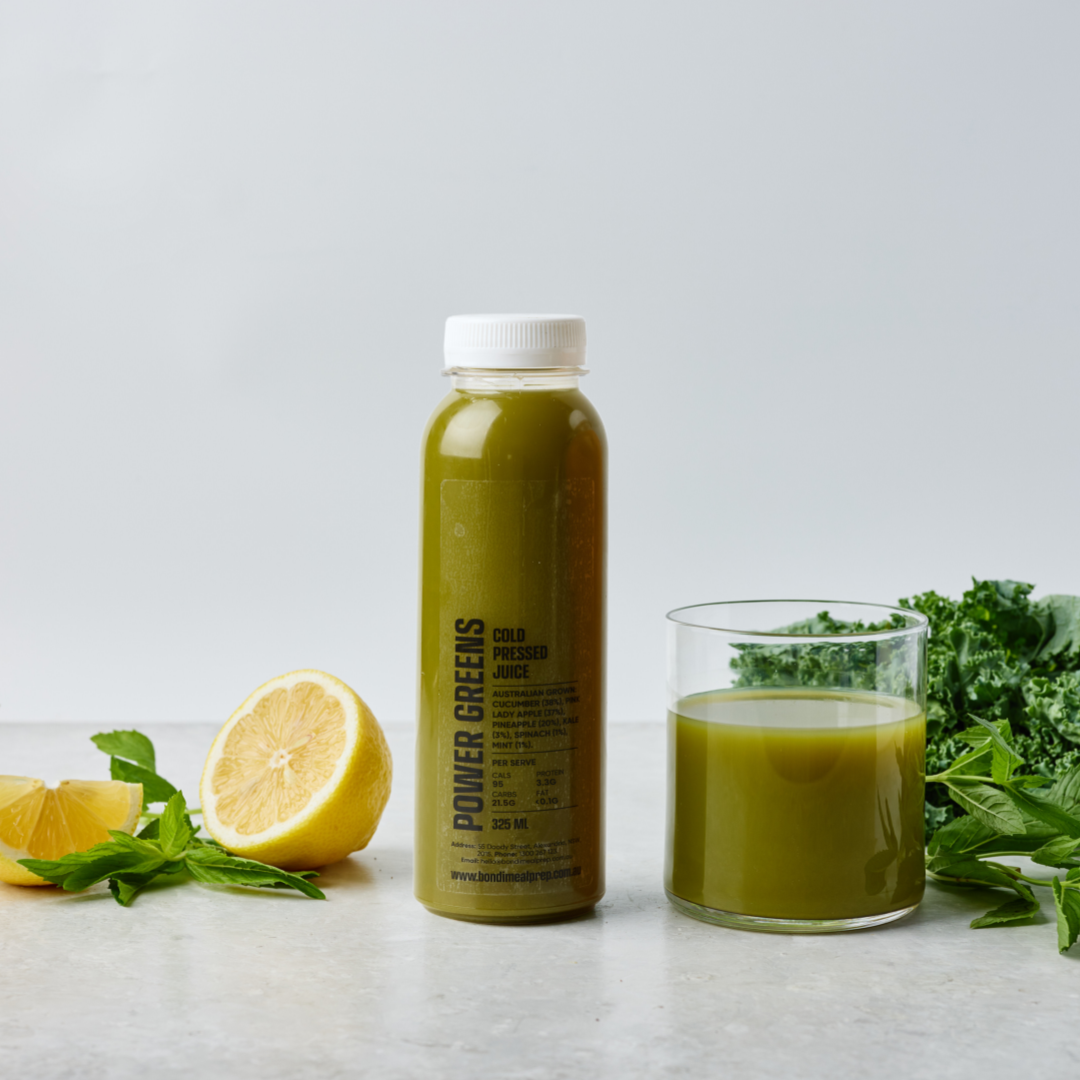
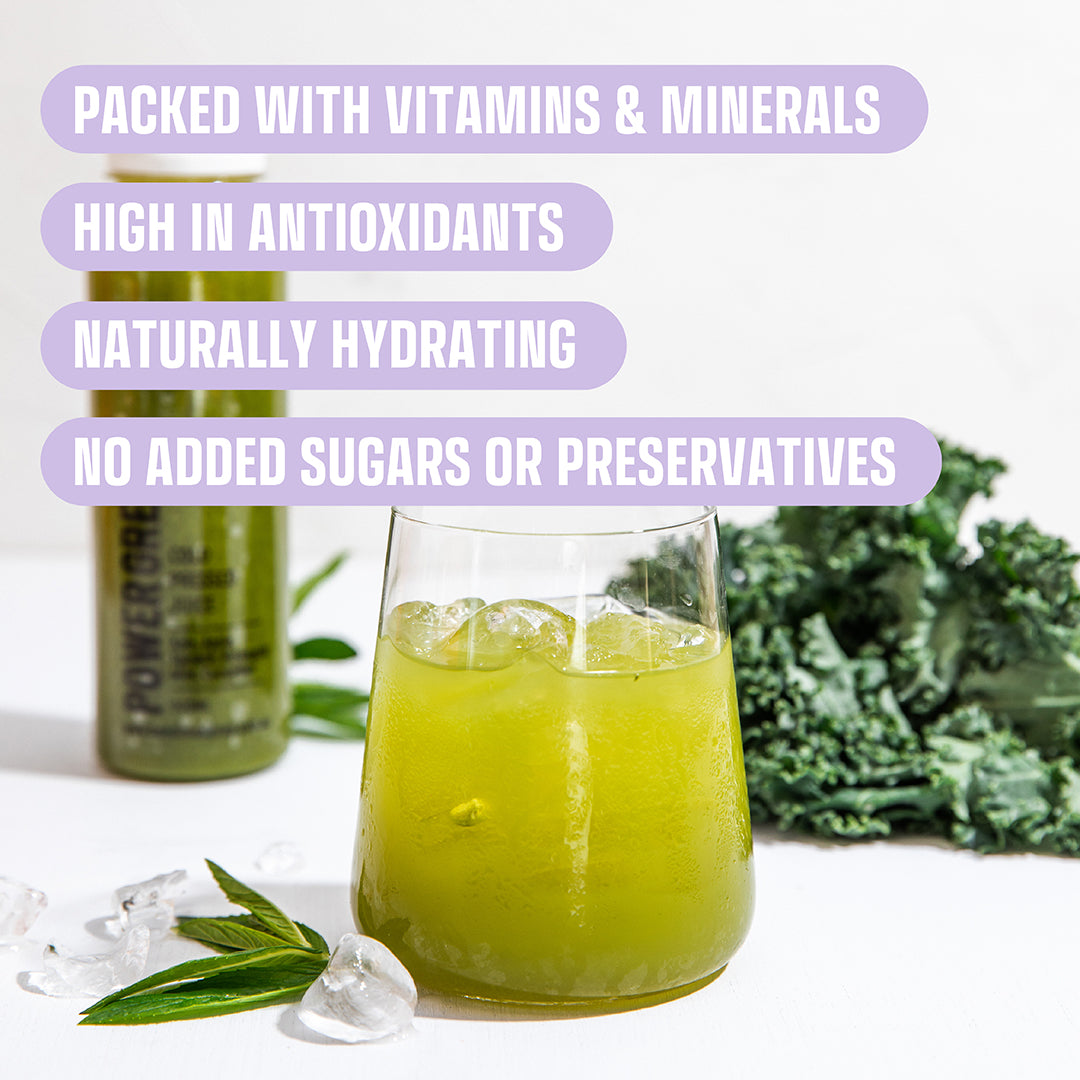
Power Greens Cold Pressed Juice
Cold pressed juice made with Australian grown cucumber, apple, pineapple kale and spinach.
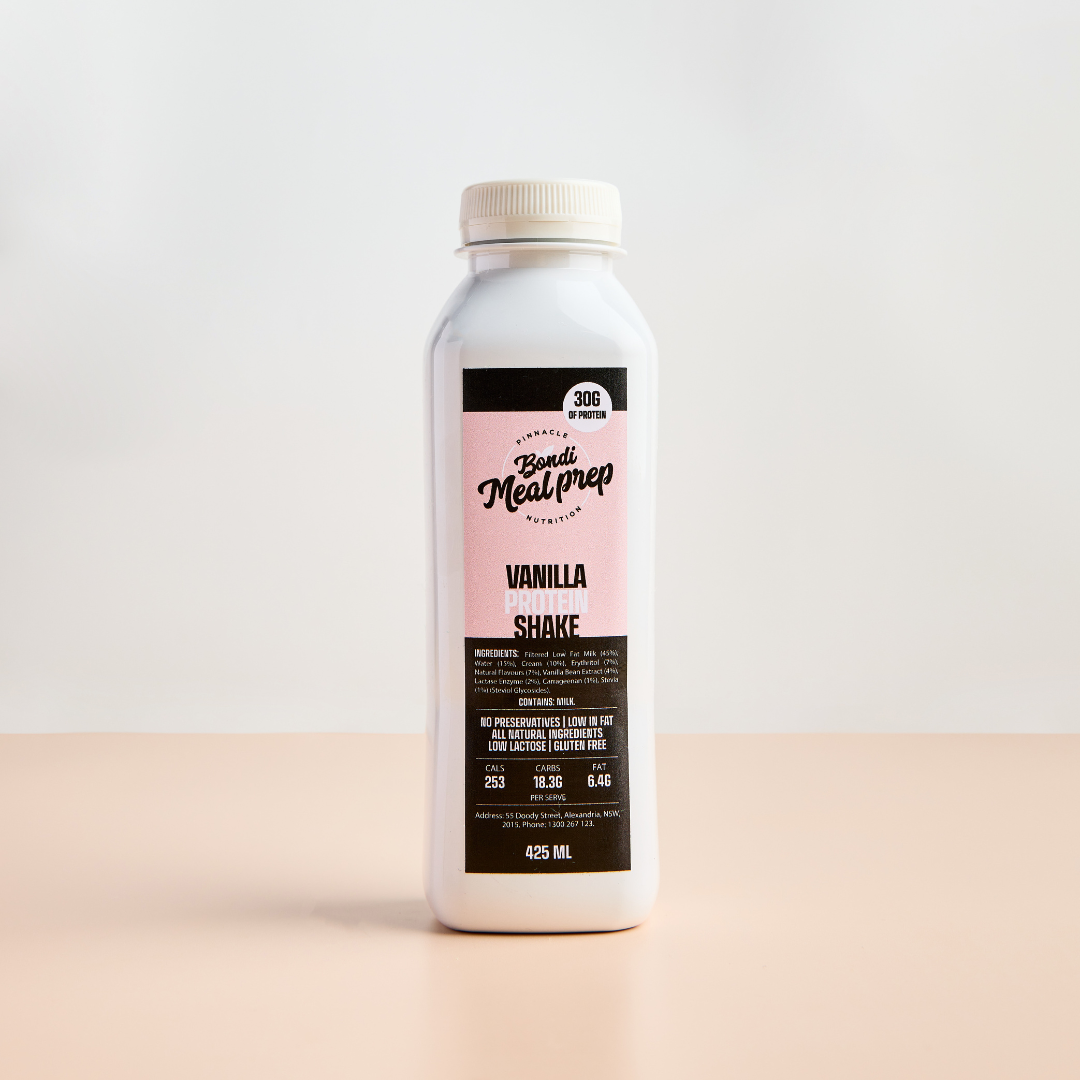
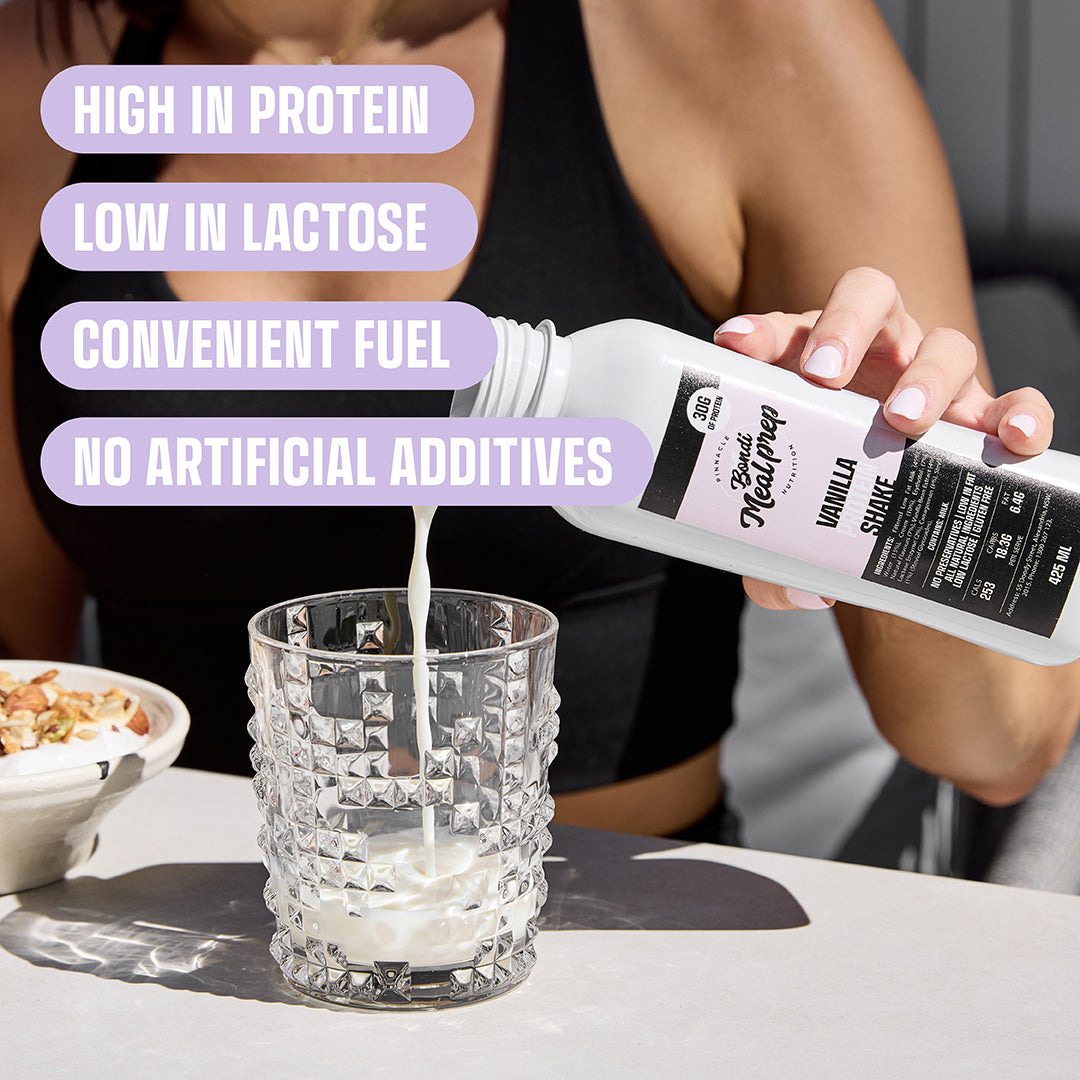
Vanilla Protein Shake
Protein smoothie made from grass-fed milk that is high in protein and low in fat.

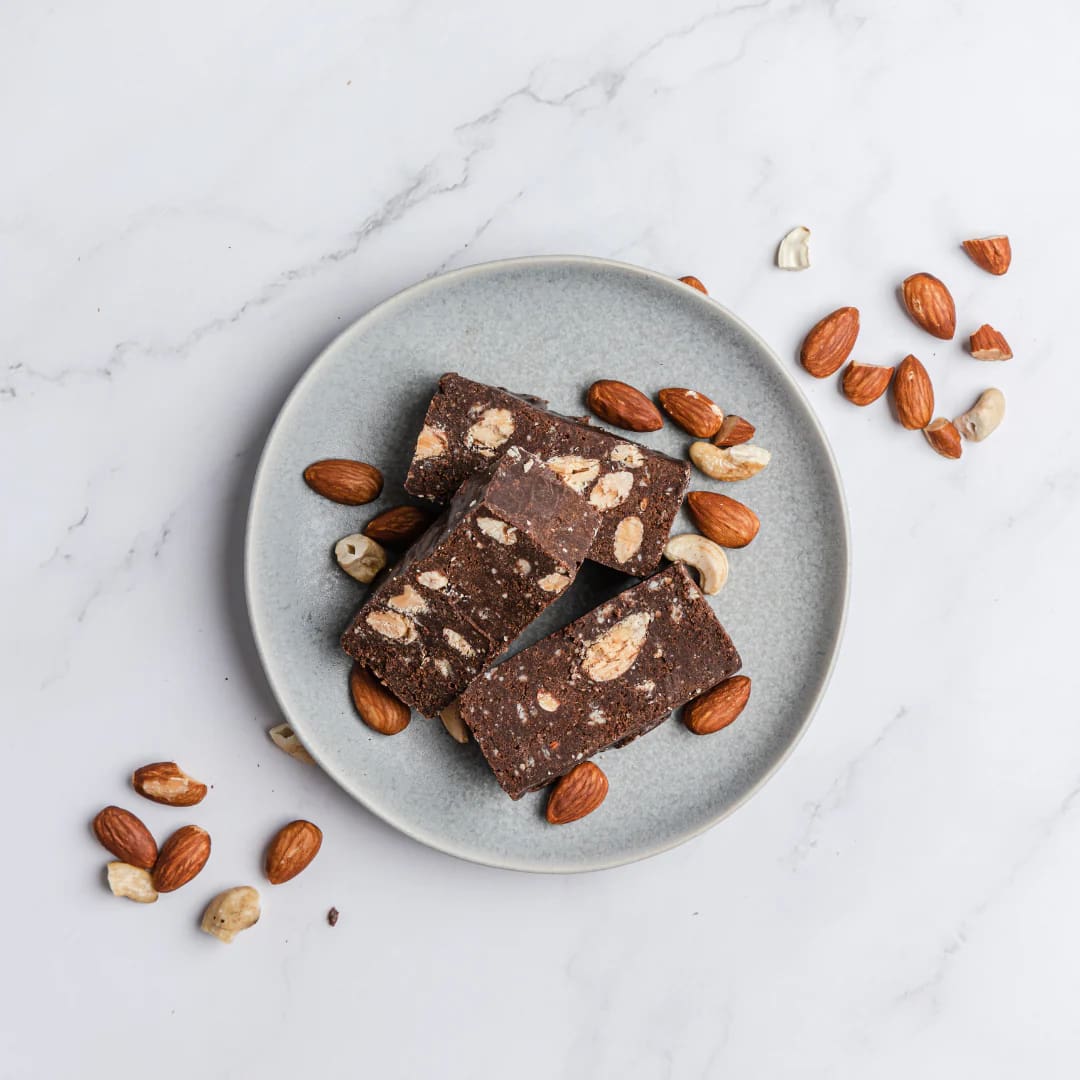
Vegan Choc Almond Fudge Slice
Vegan Choc-Almond Fudge Slice that is butter-free, flour-free, and made with 100% natural goodness. NB: $15 is the price for 3 slices.

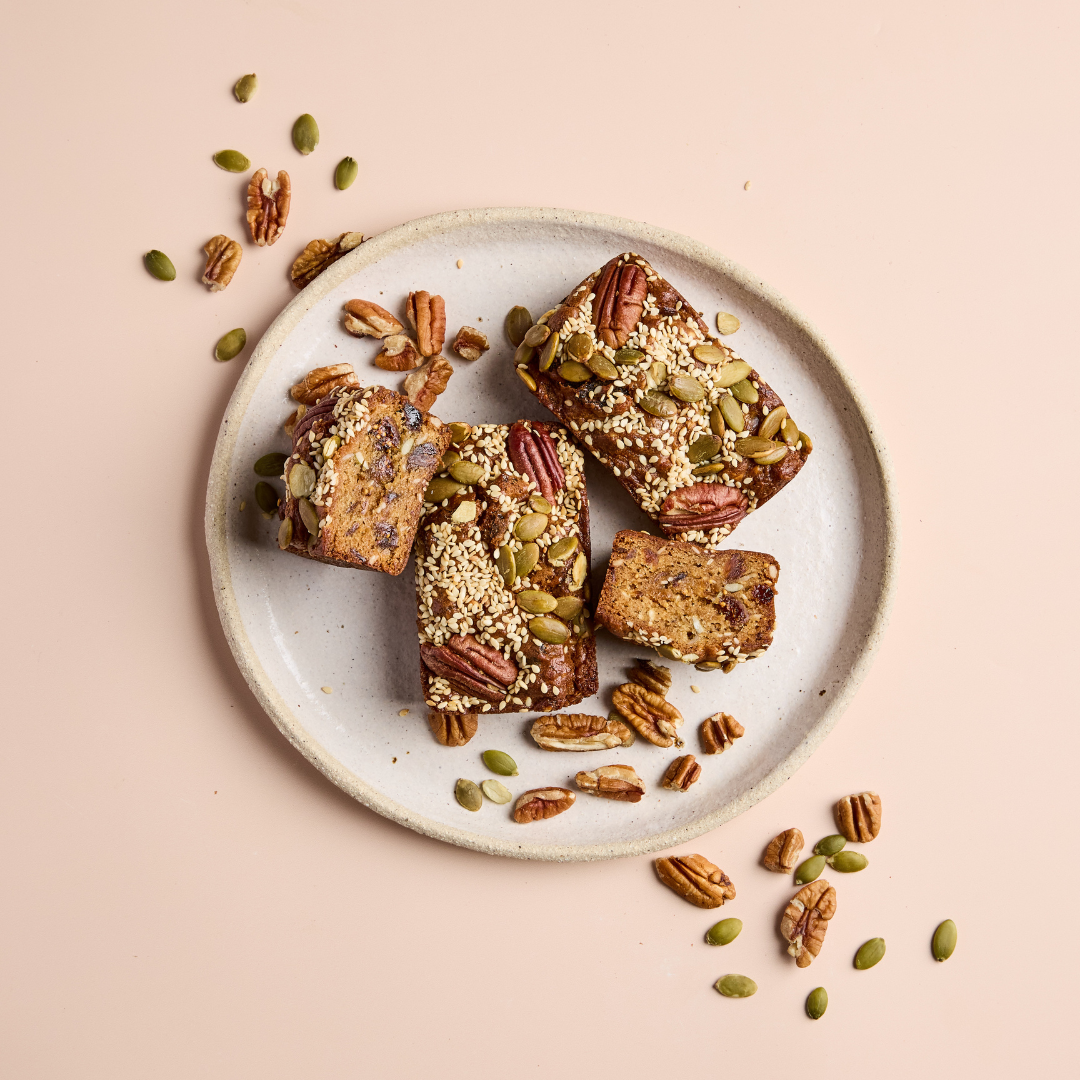
Fig & Grain Bar
Hearty snack that's made with wholesome, nutrient-rich grains and luscious figs. NB: $15 is the price for 3 bars.
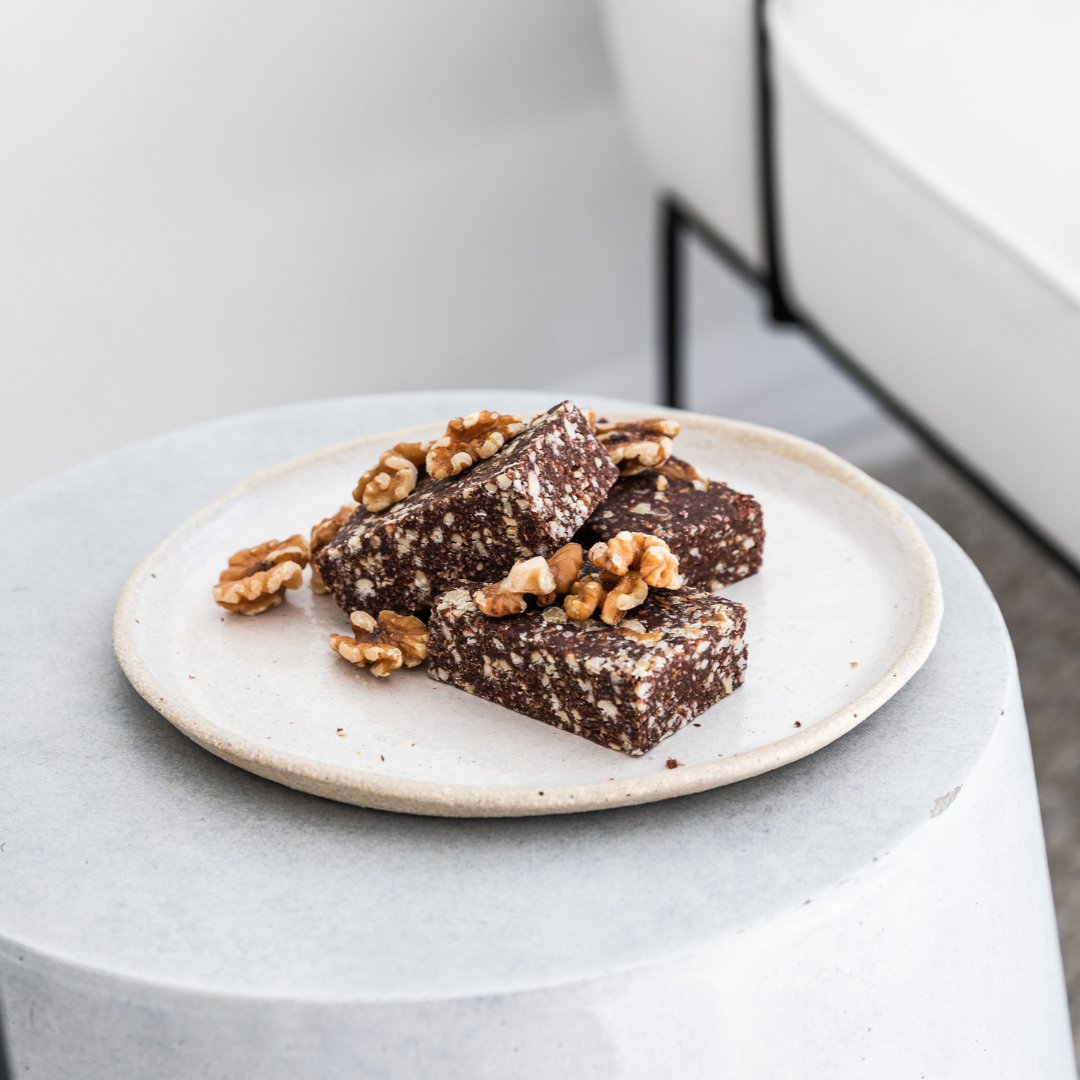
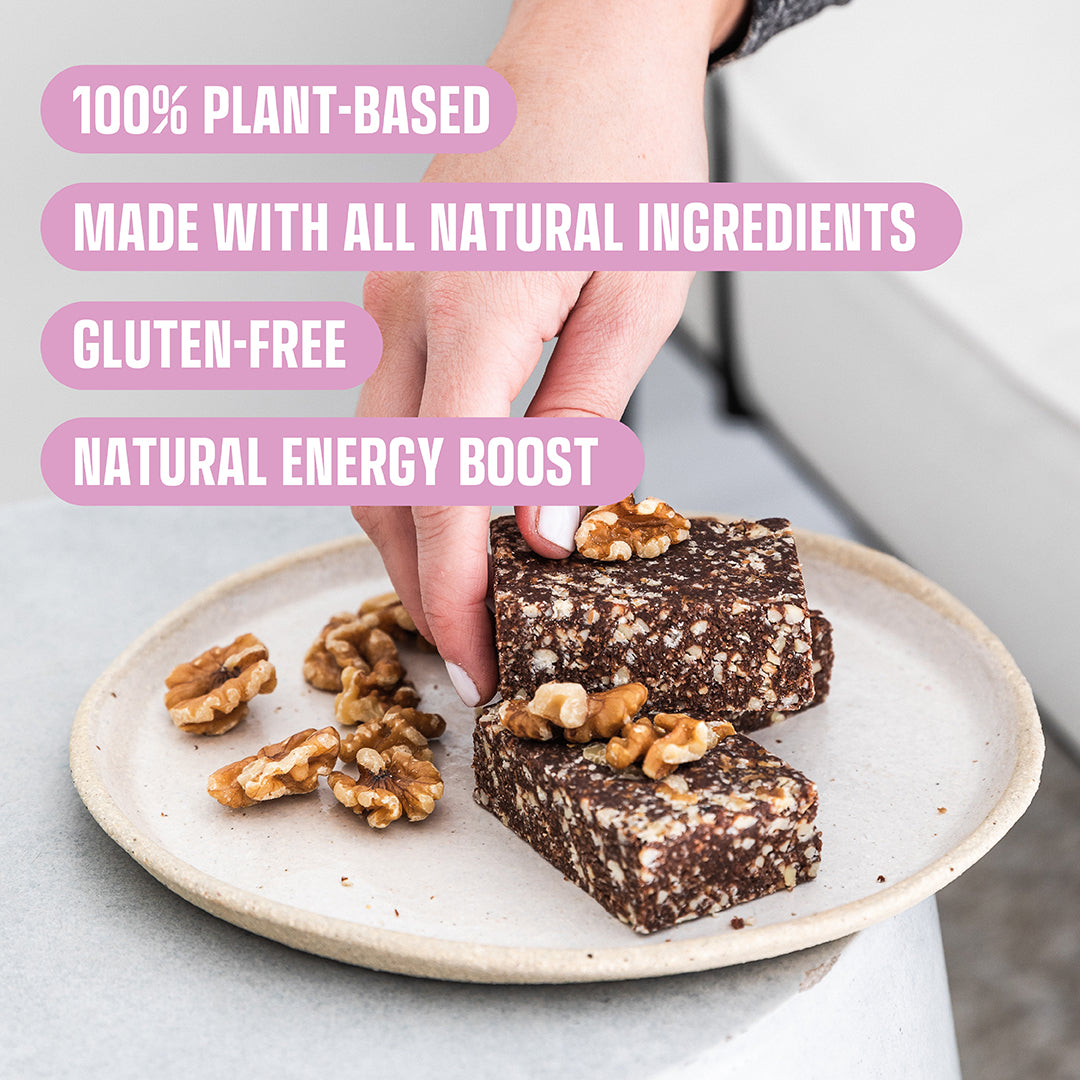
Vegan Choc Walnut Brownie
Vegan Choc Walnut Brownie that is butter-free, flour-free, and made with 100% natural ingredients. NB: $15 is the price for 3 slices.
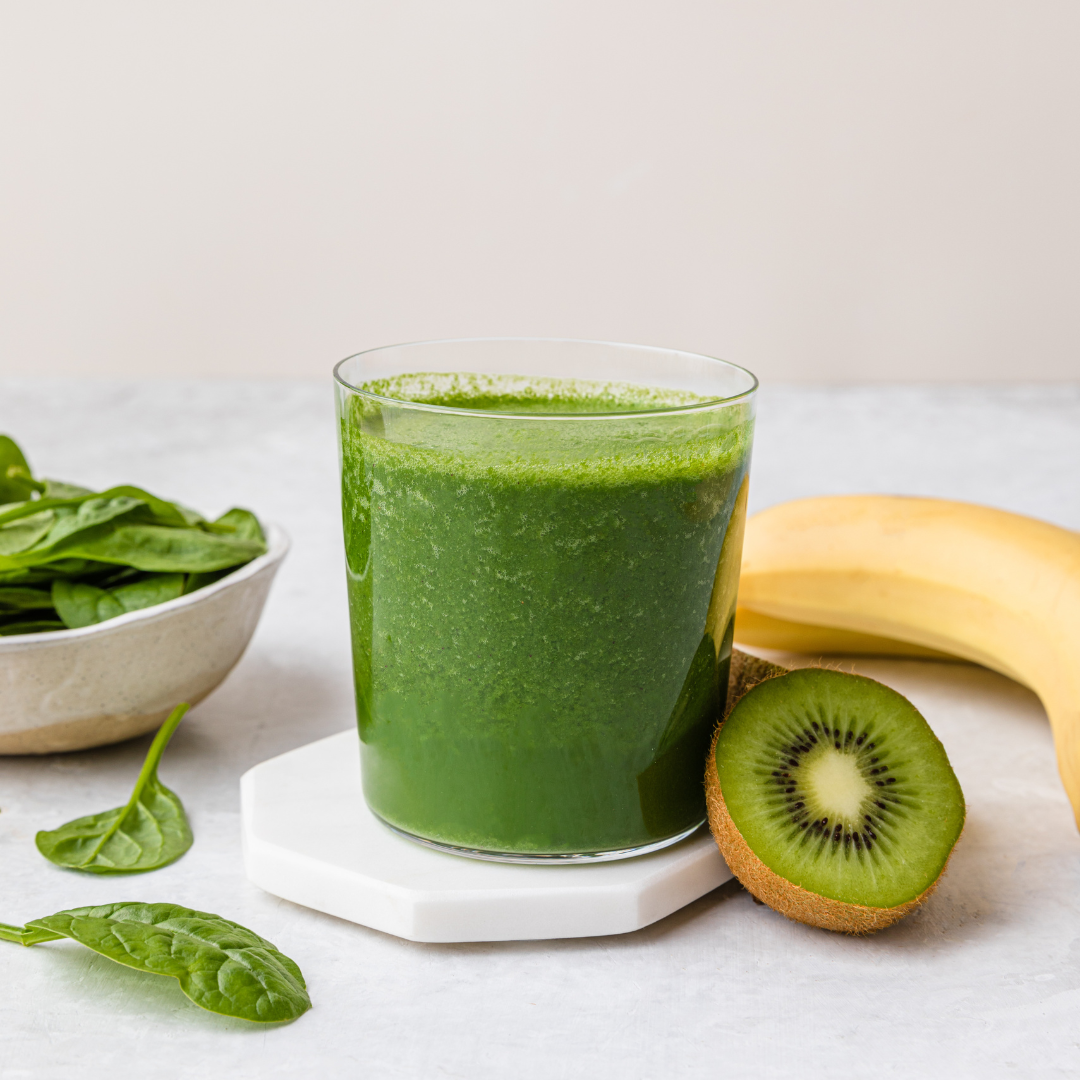
Mean Green Shake
Refreshing alkalising green shake with certified organic spirulina, fresh baby spinach, organic kale, banana & kiwi.
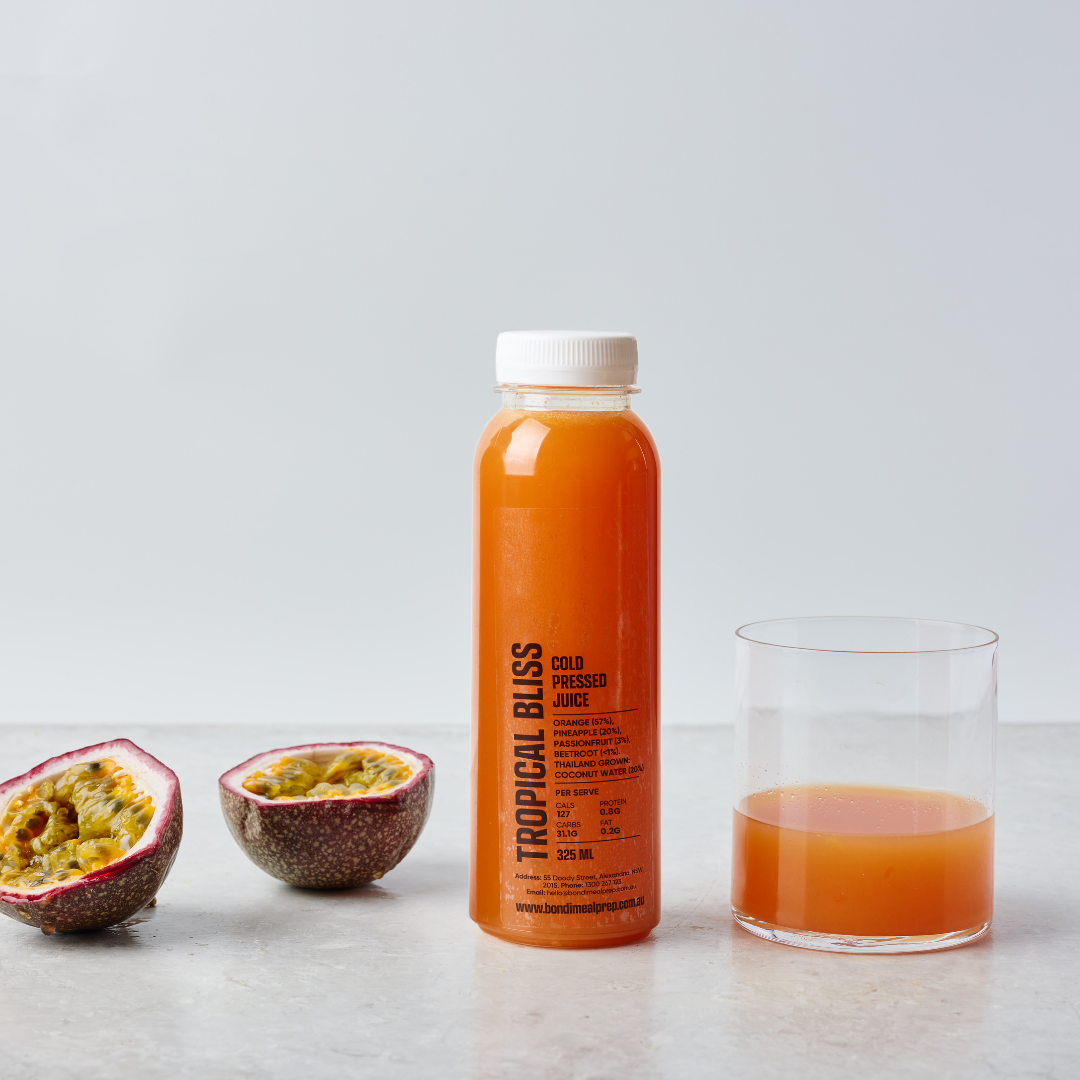
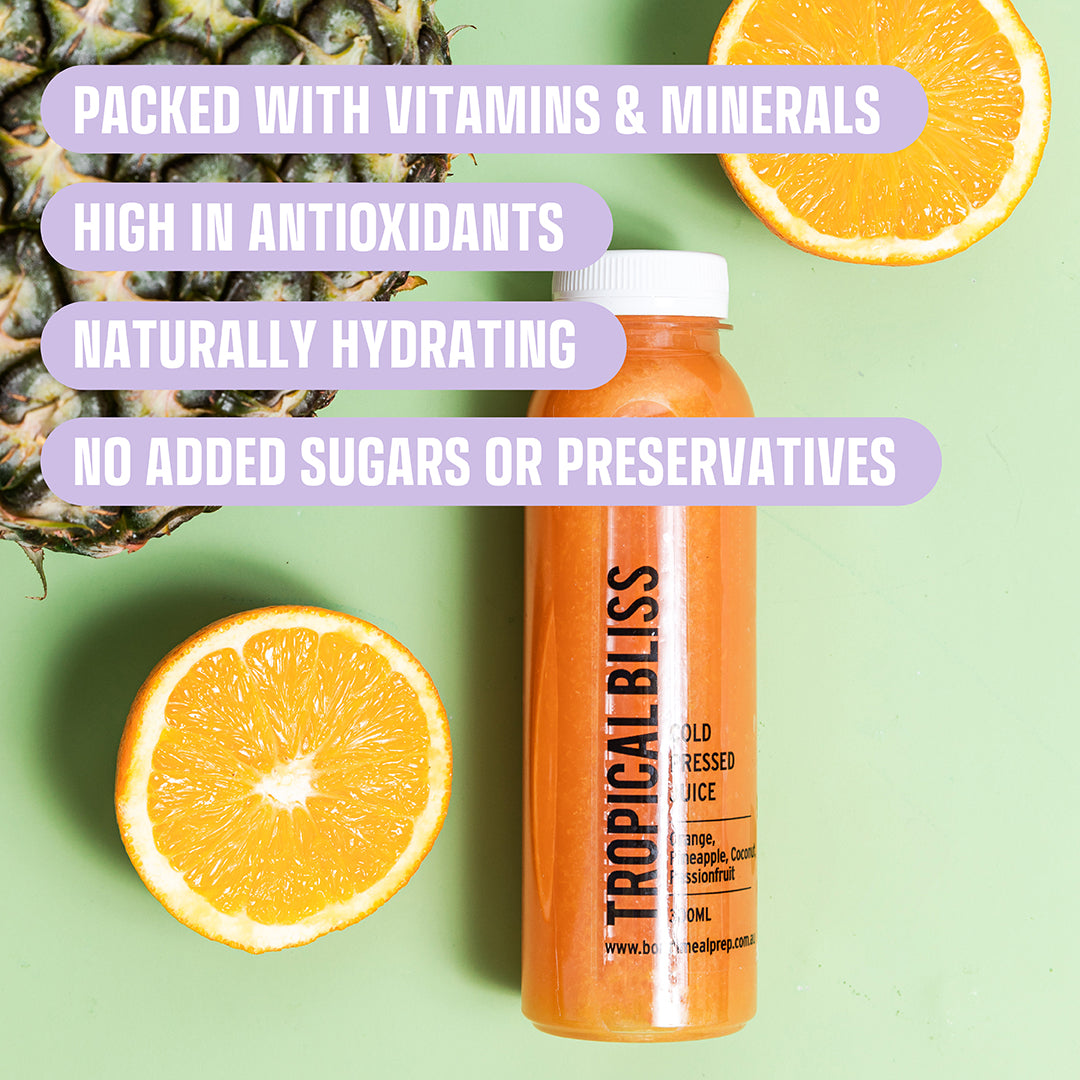
Tropical Bliss Cold Pressed Juice
Cold pressed juice made with Australian grown oranges, pineapple, passionfruit and beetroot.


Choc Hazelnut Protein Health Balls
All-natural protein ball, free from gluten, dairy, soy, and added sugars. NB: $12 is the price for 3 protein balls.

Coconut Lemon Protein Health Balls
All-natural protein ball, free from gluten, dairy, soy, and added sugars. NB: $12 is the price for 3 protein balls.

Peanut Butter Protein Health Balls
All-natural protein ball, free from gluten, dairy, soy, and added sugars. NB: $12 is the price for 3 protein balls.

Choc Peanut Protein Health Balls
All-natural protein ball, free from gluten, dairy, soy, and added sugars. NB: $12 is the price for 3 protein balls.

Strawberry Protein Shake
Protein smoothie made from grass-fed milk that is high in protein and low in fat.
Resource Library

No Added Gluten vs Gluten-Free: What's the Difference?
Two labels, one aisle, and a whole heap of confusion. "No added gluten" and "gluten free" seem to indicate something similar. But under Australian food law, they're two entirely different claims with two very different safety profiles. Many people ignore the precise wording and grab whatever says "free" somewhere on the packaging, which could be a big mistake. If you're avoiding gluten for coeliac disease, a gluten sensitivity, or your own lifestyle reasons, understanding what distinguishes these claims is more than pedantic label-reading. It changes what's safe to eat, what's safe to cook with, and how carefully you need to plan your meal prep. It's a five-second read that could save you and your tummy a very uncomfortable few days. Let's clarify the difference once and for good! The Short Answer "Gluten free" is a strictly regulated claim in Australia that requires no detectable gluten in the finished product, verified by lab testing. "No added gluten" means no gluten-containing ingredients were deliberately added to the recipe. However, no added gluten guarantees nothing about the kitchen environment, so trace gluten from cross-contamination is still possible. For coeliac disease, only certified gluten-free foods offer complete safety, and everything else should be approached with caution. What Does "Gluten Free" Mean In Australia? Under the Food Standards Code, "gluten free" is a legal claim with a very high bar to clear. To use the words "gluten free" on a label, a product must: Contain no detectable gluten, tested using Sandwich ELISA methods with a limit of detection of roughly 3 to 5ppm Contain no oats or oat products at all, regardless of whether they're pure or certified Contain no gluten-containing cereals that have been malted, or ingredients derived from them Australia's standard is one of the strictest in the world. Countries like the US and UK allow a "gluten free" claim up to 20ppm of gluten. Here, it has to be undetectable. A "gluten free" claim also can't be paired with a cross-contamination disclaimer like "may contain traces of gluten," so if a product carries the claim, Australian food law expects it to be scientifically proven without any caveats. There's also a middle category most people have never heard of. "Low gluten" is a separate, legally defined claim for products containing no more than 200ppm of gluten. It's an official category under the Food Standards Code, but it’s explicitly not suitable for coeliac disease. This one is definitely for anybody avoiding or reducing gluten for lifestyle reasons. What Does "No Added Gluten" Mean? "No added gluten" is an altogether different claim. It means the food producer hasn't deliberately added any gluten-containing ingredients, such as wheat, rye, barley or malt, to the recipe. What it doesn't mean is that the product has been tested, or that it was made somewhere that doesn’t handle gluten. Plenty of great, honest food falls into this category. A shared commercial kitchen that also prepares dishes containing gluten simply can't back a "no detectable gluten" claim, even if every single ingredient on the label is naturally gluten-free. "No added gluten" is the best way to describe that situation, rather than stretching a "gluten free" claim that the food producer simply can't stand behind. Gluten Free vs No Added Gluten vs Low Gluten For easy reference, here’s how these three claims compare. Gluten-Free No Added Gluten Low Gluten What it claims No detectable gluten in the finished product No gluten-containing ingredients added to the recipe No more than 200ppm of gluten Verified by Lab testing (Sandwich ELISA) Recipe and ingredient review, not testing Lab testing Kitchen environment Must have no cross-contamination risk to carry the claim May be a shared kitchen Varies Suitable for coeliac disease Generally yes, especially with Coeliac Australia endorsement Ask the provider directly about their kitchen setup Explicitly not suitable Suitable for gluten sensitivity or lifestyle avoidance Yes Usually yes Usually yes The Cross-Contamination Issue Cross-contamination (sometimes called cross-contact) happens when gluten-free food picks up traces of gluten from shared equipment, surfaces or storage. It can happen at almost any stage: Ingredients stored together in the same fridge or cool-room A shared chopping board, colander or oven The same oil used to fry a battered dish A packaging process performed on a shared line Here's a cross-contamination labelling quirk you should definitely wrap your brain around. Precautionary statements like "may contain traces of gluten" are entirely voluntary in Australia. According to Food Standards Australia New Zealand, these statements aren't regulated by the Food Standards Code, so their absence doesn't guarantee a product is free of trace gluten. What is mandatory is the detail of the ingredient list, whereby wheat must always be declared, and barley, oats and rye must be declared if they contain gluten. For someone with coeliac disease, even very small amounts of gluten can trigger an immune response, according to Coeliac Australia. That's why "no added gluten" isn't normally considered safe for coeliac disease, while a lab-tested "gluten free" claim, especially one carrying Coeliac Australia's endorsement, that removes the trace risk is. How to Read Labels & Menus If you're shopping for packaged products or scanning a restaurant’s gluten-free menu, a few label-reading habits go a long way. Check the ingredient list very carefully. Gluten’s a sneaky little sucker and hides in some surprising places: Sauces, stock and gravy Processed meats and cheeses Malt vinegar Vegemite (yes, that beloved black Aussie spread contains barley and is off limits, but a gluten-free version is available) Be wary of unregulated marketing terms. "Gluten friendly" has no legal definition under Australian food law, so view it as fluffy marketing language rather than a guarantee. The same goes for partial claims like "99% gluten free," which isn't a recognised claim at all. There are a few other checks worth adding into your habits: Dried fruit is sometimes dusted with flour to stop it clumping, so take a peek at the back of the pack Health food stores are a great source of certified products, but "natural" or "wholefood" branding on packaging doesn't automatically mean gluten-free Restaurants that list "gluten-free menu items" are a good starting point, but it's always worth asking how they handle shared fryers, grills and prep surfaces before you order. When you order a gluten-free dish, most restaurants will ask if you’re a coeliac so they know to avoid cross-contamination during preparation The Science Separating Coeliac Disease From Gluten Sensitivity Coeliac disease is an autoimmune condition where eating gluten damages the small intestine, and even trace amounts can do damage that takes months to heal. For a diagnosed coeliac, a properly tested "gluten-free" claim, ideally backed by Coeliac Australia endorsement, is the standard to look for. "No added gluten" products need more scrutiny, and a direct question to the food producer about how they mitigate cross-contamination is essential. Non-coeliac gluten sensitivity tends to be less severe. Many people manage symptoms perfectly well on "no added gluten" foods, since the trace risk that's such a concern for coeliac disease is normally less significant. The same goes for people avoiding gluten by preference, for digestive comfort or as part of a broader eating style, who can normally stomach a little gluten here and there. This isn't medical advice, so if you're not sure which category applies to you, you should consult your GP or look through Coeliac Australia's resources. How Gluten Affects Your Meal Prep The label you're shopping for should also change how you prep. If you're coeliac, meal prepping means: Sourcing certified "gluten-free" ingredients wherever possible Being strict about cross-contact in your own kitchen (a separate toaster, a dedicated chopping board, and even a "gluten-free first" cooking order can all help) Reading every label on sauces, stocks and spice blends, rather than assuming a naturally gluten-free ingredient remained that way through processing Keeping pantry staples clearly separated if a family member in the house still eats gluten, since cross-contamination is easy with mixed storage If you're managing a sensitivity or avoiding gluten by choice, "no added gluten" products give you a lot more flexibility: You're generally swapping gluten-containing grains out of recipes for naturally gluten-free ones like rice, quinoa and buckwheat, rather than restricting yourself to certified, tested products for every last ingredient Batch cooking is simpler in this category, since a clean shared kitchen or a well-labelled pantry is usually a good enough standard of risk management Of course, one of the biggest meal prep challenges is knowing what to prep in the first place. If you’re short on inspiration, you can dig into our delicious 28 Gluten-Free Lunch Ideas. Taste What’s Cooking in Our Kitchen! Good, honest food starts with transparency about how it was produced. Bondi Meal Prep meals are labelled "no added gluten," not "gluten free", following the exact framework outlined above. Our kitchen also prepares dishes containing gluten, so we can't back the tested, no-detectable-gluten claim, and we're not going to pretend otherwise. If you're a diagnosed coeliac, read our full allergen disclaimer and check with your GP or Coeliac Australia before placing an order. For everyone managing a sensitivity or choosing to avoid gluten, Bondi Meal Prep's No Added Gluten Meals are nutritionist-designed for your specific needs. There’s a wide range of options to choose from, all packed with flavour and nutrients your taste buds and body will love. The Free Range Chicken Fajita Bowl and Grass-Fed Beef Burrito Bowl are built on basmati rice, black beans, corn and capsicum, rather than gluten-containing grains. The Humpty Doo Barramundi & Organic Black Rice swaps in organic black rice and seasonal greens, and the Grass-Fed Steak Bowl pairs broccolini and capsicum with a hefty 40.3g of protein per serve. No cooking, no label detective work on a Tuesday night, and no gluten-containing ingredients anywhere on the recipe. Just chef-crafted meals delivered fresh to your door, ready in two minutes. Explore the No Added Gluten Meals range and discover what's cooking in our kitchen this week! Frequently Asked Questions Is "no added gluten" the same as "gluten free"? "No added gluten" and "gluten free" are not the same claim. "Gluten free" is a tested, legally regulated claim requiring no detectable gluten in the finished product, while "no added gluten" means no gluten-containing ingredients were deliberately used, but it doesn't guarantee the product is free of trace gluten from a shared kitchen. Is "no added gluten" safe for coeliac disease? "No added gluten" is not a reliably safe claim for coeliac disease. Coeliac disease requires strict avoidance of even very small amounts of gluten, so a strictly tested "gluten free" claim, ideally with Coeliac Australia endorsement, is the safer standard. "No added gluten" products should be checked directly with the provider before a diagnosed coeliac orders them. What foods are naturally gluten free? Naturally gluten-free foods include rice, corn, quinoa, buckwheat, most fruits and vegetables, legumes, eggs, fish, meat and dairy, all in their unprocessed form. The risk usually comes in afterwards, through processing, shared equipment, or added ingredients like sauces and stock that sneak gluten into an otherwise safe ingredient list. Why can't oats be labelled gluten-free in Australia? Oats can't be labelled gluten-free in Australia because the Food Standards Code's definition of gluten-containing grains includes oats, so even certified pure oats fall outside the claim. This is stricter than some other countries, which allow certified gluten-free oats. What does "may contain traces of gluten" mean? "May contain traces of gluten" is a voluntary warning, not a government-regulated claim. Food businesses use it to flag a cross-contamination risk during manufacturing, but the Food Standards Code doesn't require it, so its presence or absence isn't a reliable safety guarantee on its own. Is "gluten friendly" a legitimate certification? "Gluten friendly" is not a legitimate certification. It's a marketing term with no legal definition under Australian food law, unlike "gluten free" and "low gluten," which are both strictly defined. Treat it as a general indication rather than a guarantee.
Read more
Train Hard, Make Eating easy: High Protein Gluten-Free Meals
You don't have to be chasing a bodybuilding trophy to find yourself wondering if you're eating enough protein. It doesn’t matter whether you're lifting five times a week, training for a fun run, or just trying to recover more effectively from your weekly gym sessions, hitting your daily protein targets can be almost as demanding as your training schedule. If you’re combining a high-protein and gluten-free diet, that doubles the complexity of mealtimes. Luckily, there are plenty of protein-packed gluten-free foods that will fuel your health and fitness goals. This guide explains how much protein you need for your kind of training, which gluten-free products (bread, we're looking at you!) can let your protein intake down, and the best naturally gluten-free protein sources you can eat to turbo-charge your training and recovery. Key Takeaways Your protein needs scale with your body weight and how much you train. Sedentary adults need roughly 0.8 to 1.0g per kilogram of body weight, while regular exercisers and athletes need more, ranging from 1.0 to 2.0g per kilogram of body weight. Meat, fish, eggs, dairy, legumes, tofu, quinoa and nuts are all naturally gluten-free and naturally high in protein. You should focus on "Complete" proteins, containing all nine essential amino acids, such as meat, fish, eggs and soy. Quinoa is a popular replacement for gluten-containing grains and offers all nine. Many gluten-free foods contain less protein than their gluten-containing alternatives. Gluten-free bread, in particular, is often noticeably lower in protein than a standard wheat loaf. If managing meal prep and a busy training schedule becomes too much of a workout, Bondi Meal Prep's No-Added-Gluten Range is macro-balanced, packed with lean proteins, and delivered fresh to your door every week. The Combined Benefits of Gluten-Free & High-Protein Eating For some people, eating gluten-free isn't optional. Coeliac disease and diagnosed gluten intolerance make it a medical need rather than a lifestyle choice. For plenty of others, it's a preference, whether that's for digestive comfort, cutting back on refined carbs, or just feeling a little better each day. Whichever of these scenarios applies to you, pairing your gluten-free meals with enough protein makes a significant difference to your fitness goals and all-round health. Healthy Food Guide points out that a gluten-free diet, especially one leaning heavily on packaged substitutes, can be lower in fibre and other important nutrients. Adding more protein-rich ingredients to your plate means you’re reducing your intake of the refined starches many gluten-free substitutes are notorious for, while also giving you the full spectrum of nutrients whole foods have to offer. When your diet is carefully balanced, the upside of combining high protein with gluten-free eating includes: More staying power between meals, since protein keeps you fuller for longer than a starch-heavy gluten-free swap on its own. Better support for muscle recovery and maintenance, whether you're training five days a week or simply staying active. Steadier energy throughout the day and training sessions, rather than the spikes and crashes of a carb-heavy diet. A more well-rounded diet overall, not just one that avoids gluten. If you're managing coeliac disease specifically, it's worth a chat with your GP or a dietitian about your individual needs, particularly in the months after diagnosis. For everyone else, you can start by planning meals around lean proteins and whole ingredients, rather than relying too heavily on gluten-free carb substitutes. How Much Protein Do You Need For Your Training? Understanding how much protein your body needs is a critical step toward maximising your training and recovery. Crucially, your target amount isn't a flat number. Instead, it fluctuates depending on your body weight, how much you train, and the type of training. According to Better Health Channel, here are the approximate targets most adults should aim for: Activity Level Protein Target Example (70kg person) Sedentary or minimal exercise 0.8–1.0g per kg body weight 56–70g per day Regular exercisers (training 2–4 times a week) 1.0–1.2g per kg body weight 70–84g per day Endurance and strength athletes 1.2–2.0g per kg body weight 84–140g per day Regular training through a calorie deficit Up to 2.0g per kg body weight Up to 140g per day As you can see, the more frequently you train, the higher your protein needs become. If you’re aiming to lose body fat by placing yourself in a calorie deficit, a higher protein intake helps to preserve lean muscle mass. This means a bodybuilder who weighs 110 kilos might need to eat as much as 220g of protein each day. However, even if you’re a lifter aiming to gain maximum muscle mass, the solution isn’t simply to eat huge amounts of protein. Better Health Channel notes that the top end of this range is sufficient even for bodybuilders and athletes. You should aim to gradually increase your protein intake to reflect an increasing exercise schedule. Ultimately, it’s the training that drives the adaptation and muscle growth, and the protein just supplies what your body needs to respond to it. What Makes A Protein "Complete"? Amino Acids Explained Protein is built from amino acids, nine of which are "essential," meaning your body can't make them itself, and you have to get them from food. A "complete" protein contains all nine in useful amounts. Most animal proteins (meat, fish, eggs, dairy) are complete by default. Plant-based proteins often lack one or more essential amino acids compared to animal proteins, which is why variety is a must if you're eating plant-based. A few gluten-free plant-based exceptions are worth knowing about: Quinoa is one of the few plant-based foods that's a complete protein, containing all nine essential amino acids. Soy protein isolate is naturally high in essential amino acids, which is why it turns up in everything from tofu to protein powders. Pea protein has a well-balanced amino acid profile and has become a popular gluten-free option in plant-based protein powders. If you're eating plant-based and gluten-free, the simplest approach is to pair foods rather than rely on a single source. This means eating legumes with rice or nuts with seeds, which allows you to get a solid intake of all essential amino acids throughout the day rather than relying on a single meal. Best Naturally Gluten-Free High-Protein Foods When it comes to filling your plate with protein-packed, gluten-free foods, the list below is an excellent place to start. Animal-Based Sources Chicken breast (cooked): around 30g of protein per 100g, one of the most efficient sources for the calories. Salmon: roughly 22g of protein per 85g (3oz) serve, plus omega-3s you won't get from most plant sources. Prawns: around 27g of protein per 100g cooked, and exceptionally high in protein relative to their calorie count. Eggs: about 14g of protein per 100g cooked (roughly 6-7g per egg), and a strong source of vitamin B12, which animal proteins generally deliver better than plant ones. Cottage cheese: around 17g of protein per 100g, one of the highest protein-to-calorie ratios in the dairy case. Greek yoghurt: traditional strained Greek yoghurt in Australia typically runs 9–10g of protein per 100g, well above standard yoghurt. Canned tuna and beans: not glamorous, but reliably convenient protein sources worth keeping stocked for the nights you want meal prep to be as simple as possible. Plant-Based Sources Tofu: around 14g of protein per 100g (firm varieties). Plus, it soaks up whatever flavours you cook it in, making it easy to use across cuisines. Edamame: a solid plant-based powerhouse, easy to add to a bowl straight from frozen. Lentils and chickpeas: around 5-6g of protein per 100g cooked, plus a healthy dose of fibre. Nuts and seeds: for example, almonds sit around 20g of protein per 100g and bring healthy fats and fibre. Chickpea pasta: a 57g dry serve delivers around 14g of protein, roughly double the 7g in the same serve of regular wheat pasta. Why Gluten-Free Bread Often Under-Delivers On Protein You might have already noticed that shop-bought gluten-free bread is often noticeably lower in protein than a standard wheat loaf. It's not your imagination, and it's not a bad brand you picked. Instead, the discrepancy in protein content is all about what's in the flour. Wheat gluten gives bread its stretch and structure, and a decent share of its protein, too. When bread manufacturers swap in rice flour, corn flour, potato starch or cassava flour instead, that structure disappears, so they often add extra starches to bulk the loaf back out. According to News-Medical, this is a known compromise in gluten-free bread production. The ingredients added to enhance texture and shelf life can lower protein while raising fat, which isn’t a great combo for anybody aiming to support lean muscle mass. However, the solution doesn't need to be complicated: Baking at home? Stir almond flour through your usual gluten-free flour blend. It's an easy way to boost the protein in a loaf without changing much else, and it adds a pleasant nutty flavour too. Want an even bigger boost? A scoop of whey protein powder mixed into the dough does the same job, which is especially handy if you're already using whey elsewhere in your week, in a post-workout shake, for example. Buying off the shelf? Check the nutrition panel carefully. Some brands enrich their loaves with extra protein or seeds, and those are worth choosing over ones heavy on starch. Signs You're Not Recovering Well Between Sessions If your training's stalling despite consistent effort, your protein intake is one of the first things worth checking, alongside sleep and total energy intake. Here are signs that you might not be eating enough protein: Muscle soreness that lingers well past 48-72 hours instead of easing off. Persistent fatigue or noticeable energy crashes throughout the day, not just after a hard session. Strength or performance plateauing, or dropping, despite consistent training. Getting sick or run-down more often than usual. Slower healing from minor niggles and injuries. Low motivation to train, separate from the usual "don't feel like it" days. It’s important to acknowledge that none of these is a diagnosis on its own. If you’re already eating protein within the ranges outlined above but the issues persist, it's wise to speak with your GP or an accredited dietitian. Quick Ways To Add Protein Without Adding Gluten Here are a few quick, practical meal prep tips that will keep your protein intake high and your gluten consumption at zero. Add eggs or cottage cheese to breakfast rather than relying on gluten-free toast or cereal Swap wheat pasta for chickpea or lentil pasta a couple of nights a week Keep canned tuna, salmon and beans in the pantry for quick-prep, protein-packed meals Stir a spoon of pea or soy protein isolate into a smoothie or porridge Choose Greek yoghurt over regular yoghurt as a post-training snack Batch-cook a tray of chicken or tofu on Sunday, so protein is never the missing ingredient on a busy weeknight Snack on nuts and seeds rather than gluten-free crackers or chips when you need something between meals Sample Gluten-Free High-Protein 7-Day Meal Plan Now that you know how much protein to eat and which foods will best help you reach that target, here’s a sample meal plan covering 7 days of protein-packed eating without a morsel of gluten in sight! If you want more detailed inspo, check out our 28 Gluten-Free Lunch Ideas. Day Breakfast Lunch Dinner Approx. Protein Monday Greek yoghurt, berries, almonds Chicken, quinoa, roast veg Salmon, sweet potato, greens ~130g Tuesday Eggs, spinach, cottage cheese Tuna, chickpea pasta, tomato Beef stir-fry, rice, broccoli ~140g Wednesday Protein smoothie, banana, pea protein Lentil soup, gluten-free bread Prawns, zucchini noodles ~110g Thursday Greek yoghurt, granola, seeds Chicken, brown rice, capsicum Tofu and edamame stir-fry ~120g Friday Eggs, avocado, gluten-free toast Leftover beef and rice Barramundi, quinoa, greens ~125g Saturday Cottage cheese, fruit, walnuts Chickpea and tuna salad Steak, roast vegetables ~135g Sunday Protein pancakes (buckwheat) Prawn and rice bowl Roast chicken, lentils, greens ~130g These are approximate totals based on typical serving sizes. Individual needs vary with body weight, training load and goals, so always calculate your totals carefully using protein figures on the packaging. You're Training Hard, So Make Mealtimes Simple When you’ve finished a long run or finally put down those heavy weights, make mealtimes a moment when you don’t need to lift a finger. Our no-added-gluten dishes are packed with proteins and essential amino acids that will match the work you put in at the gym. They’re macro-balanced and ready in just two minutes. And if they taste so good you’re convinced a professional chef made them, it’s because one did! The Grass-Fed Beef Burrito Bowl has 56.4g of protein per serve, the Grass Fed Steak Bowl 40.3g, and the Free Range Chicken Fajita Bowl 30.5g, each based on the highest quality proteins available, rice, legumes and seasonal vegetables, rather than wheat. Our Protein Shakes offer 30g of protein at less than 300 calories per serve, making them perfect for post-workout recovery. Browse our No-Added-Gluten Menu and place an order today. We’ll deliver dinner fresh to your door. All you have to lift is a fork! Frequently Asked Questions Can you build muscle on a gluten-free diet? Building muscle on a gluten-free diet is entirely possible, since muscle growth depends on total protein intake and training stimulus, not on gluten. Naturally gluten-free foods like meat, fish, eggs, legumes and dairy provide everything you need to reach your protein target. What are the best gluten-free protein sources? The best gluten-free protein sources include eggs, fish, meat, legumes, tofu, quinoa, nuts and dairy, all of which are naturally gluten-free. Chicken breast, salmon and cottage cheese are especially efficient for their high protein-to-calorie ratio. Is gluten-free bread lower in protein than regular bread? Gluten-free bread is often lower in protein than regular wheat bread, largely because the flour substitutes used (rice, corn, potato, cassava) don't form the same protein network that wheat gluten does. Checking the nutrition panel on the bread’s packaging is the only reliable way to know for a specific loaf. How much protein do I need if I train regularly? How much protein you need if you train regularly depends on your activity level, but Better Health Channel puts regular exercisers at roughly 1.0 to 1.2g per kilogram of body weight per day, rising to 1.2 to 2.0g per kilogram for endurance and strength athletes. Is quinoa a complete protein? Quinoa is a complete protein, as one of the few plant-based foods that contains all nine essential amino acids on its own. That makes it particularly useful for anyone eating a diet that is both plant-based and gluten-free. Is a high-protein gluten-free diet safe for coeliac disease? If you’re a coeliac who trains regularly, a nutritionally balanced diet with plenty of protein is a healthy choice. However, a high-protein diet itself is not directly linked with coeliac safety. Your food being safe comes down to whether individual products are verified gluten-free. Anyone managing coeliac disease should check for tested "gluten-free" claims or Coeliac Australia endorsement on each product, rather than assuming based on ingredients alone.
Read more
Gluten-Free High-Fibre Foods Guide: Get Your Fibre Fix!
A high-fibre diet can help keep your gut happy, your energy steady, and your heart in good shape for years to come. But if you're avoiding gluten, either because you've been medically diagnosed or simply because it makes you feel better, ensuring you get enough fibre on your plate each day takes a little extra thought. Wheat, rye and barley are all off the menu when you go gluten-free, but they’re also among the biggest contributors of fibre in the average Australian’s diet. Avoiding them means it’s extra important to find fibre-filled alternatives This guide explains how much fibre you need each day, which gluten-free foods pack the most fibre, and also helps you plan a week of meals that keep your fibre intake at an ideal range. So, say goodbye to gluten and hello to a healthy, high-fibre diet that keeps you and your gut in tip-top shape! Key Takeaways Cutting gluten can accidentally cut your fibre intake too, since wheat, rye and barley products are major fibre sources in a standard diet. Adults should aim for 25g (women) to 30g (men) of fibre a day, according to Eat For Health, Australia's national nutrient reference guidelines. There are three types of fibre that you need to regularly eat: soluble, insoluble and resistant starch. Each performs a slightly different job, and most high-fibre foods contain a mix. Foods like legumes, quinoa, buckwheat, chia seeds and vegetables are among the best sources of fibre available, gluten or no gluten. Fibre supplements can help to top up your intake, but they should never replace a fibre-rich diet of whole foods. If your gut tells you that planning a full week of meals might be difficult to pull off, Bondi Meal Prep's No Added Gluten Meals are packed with fibre and delivered fresh to your door every week. Why Is Fibre Important? Beyond providing roughage and keeping us regular (an underrated life win!), fibre plays a decisive role in some critical areas of our all-round health. If you take care of your fibre intake, that fibre will take good care of you and your body. Here’s how: Gut health: fibre feeds the good bacteria in your gut microbiome, which Better Health Channel links to everything from digestion to immune function. Heart health: soluble fibre helps lower LDL ("bad") cholesterol. The Heart Foundation points to wholegrain, high-fibre foods like brown rice and oats as part of a heart-healthy eating pattern that supports healthy cholesterol levels and blood pressure. Blood sugar control: fibre slows the absorption of sugar into your bloodstream, which helps prevent the energy peaks and troughs that come with fast-digesting carbs. Weight management: According to Eat For Health, high-fibre foods tend to be more filling with fewer calories. Bowel health: dietary fibre is described by Eat For Health as "the most effective treatment for all forms of constipation," thanks to the bulk and consistency it adds to your gut's daily workload. Better nutrition overall: wholegrains and legumes bring B vitamins and other essential nutrients along for the ride. By default, a high-fibre diet tends to be nutritious and well-rounded. The Different Types of Fibre, Explained Fibre comes in three main forms, with most good sources containing a healthy mix of all three. Here's what each one does, and where you can find it. Soluble Fibre Soluble fibre dissolves in water and acts like a sponge, absorbing liquid as it moves through your digestive system. This helps ease bowel movements. It's also the type most closely linked to lower cholesterol and steadier blood sugar, since it slows the speed at which sugar and fat are absorbed. Good sources: fruit, vegetables, legumes, chia seeds, oats Insoluble Fibre On the other hand, insoluble fibre doesn't dissolve. Instead, it acts as a bulking agent, sweeping through your colon like a broom to help reduce constipation and keep things moving on schedule. Good sources: nuts and seeds, leafy greens, fruit and vegetable skins, wholegrains Resistant Starch Resistant starch bypasses digestion in the small intestine and heads straight to the large bowel, where it becomes food for your gut bacteria. As those bacteria ferment the resistant starch, they produce short-chain fatty acids which have a calming, anti-inflammatory effect on the gut lining. According to CSIRO, most Australians only get 3 to 9g of resistant starch a day, well under the 15 to 20g experts recommend. Good sources: under-ripe bananas, lentils, cooked and cooled potatoes (and rice), legumes Balancing A Gluten-Free And High-Fibre Diet Eating a gluten-free diet, either because of a coeliac diagnosis or a lifestyle choice, can do wonderful things for your health. However, many of the foods that are removed from your meals, including wholemeal bread, wheat pasta, barley, rye and wholegrain breakfast cereals, are also major sources of dietary fibre in a typical Australian diet. When you swap wheat flour for refined gluten-free substitutes made from white rice flour, corn starch or tapioca starch, your fibre intake can quickly dip below healthy levels. Many gluten-free products fall into this trap. A nutrition review from BMDIC's Coeliac Centre found that of 85 gluten-free cereals tested, 26 (roughly 1 in 4) contained less fibre than their gluten-containing counterparts. While this is a study of just one food category, it highlights a much broader trend that gluten-free eaters need to be mindful of. Thankfully, gluten-free eating doesn't have to mean low fibre. It just means being deliberate about where your fibre comes from. Legumes, naturally gluten-free whole grains, nuts, seeds, plant-based foods, fruit and vegetables are all excellent, delicious gluten-free options that happen to be some of the best fibre sources around, gluten or no gluten. As a guide, Eat For Health recommends adults aim for around 25g of fibre a day for women and 30g for men. On a gluten-free diet, achieving that daily fibre intake takes a little more planning than reaching for a slice of gluten-free toast and good old Vegemite. However, with the right foods in your kitchen, it's simple to keep your fibre intake high and your gut happy. High-Fibre Gluten-Free Foods Here's where to find real fibre without a gram of gluten in sight. Fibre figures below are approximate, based on standard serving sizes, so use them as a practical guide rather than an exact science. Gluten-free grains and wholegrains Quinoa: ~5g fibre per cup, cooked Buckwheat: ~5g fibre per cup, cooked, or as buckwheat flour in pancakes and baking (despite the name, buckwheat contains no wheat or gluten at all) Gluten-free oats: ~4g fibre per cup, cooked. Pure oats are naturally gluten-free, but always look for a certified gluten-free product, since ordinary oats are often cross-contaminated with wheat, rye or barley during growing or processing Brown rice: ~3.5g fibre per cup, cooked, noticeably higher than white rice, which retains almost none of its fibre once the husk and bran are removed Legumes Black beans: ~15g fibre per cup, cooked Lentils: ~15.6g fibre per cup, cooked Chickpeas: ~12.5g fibre per cup, cooked Nuts and seeds Chia seeds: ~10g fibre per tablespoon Flaxseed: ~8g fibre per tablespoon, ground Almonds: ~3.5g fibre per 30g handful Fruit Raspberries: ~8g fibre per cup Pear: ~4g fibre per medium pear, skin on Banana: ~3g fibre per medium banana (an under-ripe banana also brings resistant starch into the mix) Vegetables Brussels sprouts: ~4.5g fibre per cup, cooked Broccoli: ~5g fibre per cup, cooked Potato with skin on: ~4g fibre per medium potato, and cooking then cooling it boosts the resistant starch too Avocado: ~6.5g fibre per whole avocado Gluten-free breads and cereals: Many gluten-free breads and cereals are made from refined starches with barely any fibre. You should check the nutrition panel and look for the inclusion of wholegrain ingredients. A seeded gluten-free bread is a great option, as is a wholegrain cereal made from buckwheat, quinoa or gluten-free oats. Tell-Tale Signs You Might Need More Fibre Committing to a gluten-free diet often leads to uncertainty about whether you’re getting enough fibre. A few common signs can point to a shortfall, especially in the weeks after cutting gluten: Irregular or infrequent bowel movements, rather than the regular bowel movements a well-fed digestive system usually settles into Bloating or sluggish digestion, since digestive systems rely on fibre to keep things moving efficiently Energy drops through the day, which can also be a sign your blood sugar is spiking and crashing rather than remaining steady Feeling hungry again shortly after eating, since fibre is what makes a meal filling If any of these are familiar experiences, start adding one or two extra serves of the foods above into your day and see how you feel after a week. You should also drink plenty of water alongside any increase in fibre, since fibre needs fluid to function properly. If your symptoms persist, it's sensible to book an appointment with your GP or a qualified nutritionist. Sample Meal Plan For A Week Now that you know what to eat, you’re probably wondering how you’re going to fit it all in. Here's how all these foods can come together across a week of gluten-free, high-fibre meals. Every day comfortably meets the daily fibre intake, and every meal is based on naturally gluten-free ingredients. Day Breakfast (fibre) Snack (fibre) Lunch (fibre) Dinner (fibre) Daily total Monday Gluten-free oats, chia seeds and raspberries (13g) Apple and almonds (7.5g) Quinoa, black bean and capsicum salad with avocado (18g) Grilled salmon, brown rice and broccoli (8.5g) ~47g Tuesday Buckwheat porridge, banana and flaxseed (12g) Pear and almonds (7.5g) Chickpea smash on grainy GF bread with leafy greens (13g) Beef stir-fry with brown rice, brussels sprouts and capsicum (10.5g) ~43g Wednesday Greek yoghurt, chia and raspberries (9g) Banana and almonds (6.5g) Lentil soup with a side salad (18.5g) Grilled chicken, quinoa and roasted Brussels sprouts (9.5g) ~43.5g Thursday GF oats, flaxseed and apple (12g) Roasted chickpeas (6g) Buckwheat, black bean and corn salad with avocado (17.5g) Steak, baked potato with skin and broccoli (9g) ~44.5g Friday Banana, chia and spinach smoothie (9g) Pear and almonds (7.5g) Tuna and avocado on grainy GF bread with capsicum (11.5g) Grilled fish, quinoa and brussels sprouts (9.5g) ~37.5g Saturday Buckwheat pancakes with raspberries (9g) Almonds and banana (6.5g) Chickpea and quinoa bowl with capsicum and avocado (16.5g) Roast chicken, baked potato with skin and broccoli (9g) ~41g Sunday GF oats, chia and banana (12g) Pear (4g) Lentil and brown rice bowl with Brussels sprouts (16g) Grilled salmon, buckwheat and roasted capsicum (7.5g) ~39.5g Want more than a week’s worth of meal inspiration? Check out our list of Gluten-Free Lunch Ideas. There are over 28 options to choose from, all packed with flavour and gut-healthy fibre. It’s a ten-minute read, guaranteed to make lunchtime a whole lot easier and tastier! Supplements If food alone isn't quite hitting your target intake, a fibre supplement can help top things up. The most common options are: Psyllium husk: a soluble fibre that absorbs water and forms a gel, helpful for regularity and often the easiest to find Inulin: a prebiotic fibre found naturally in foods like chicory root, which feeds beneficial gut bacteria Methylcellulose: a gentle option often used for occasional constipation relief Supplements can be a means to an end, but they only supply fibre. Whole foods bring fibre plus vitamins, minerals and antioxidants, so a supplement should top up a fibre-rich diet, and never replace one outright. They’re called supplements for a reason! Gluten-Free, High-Fibre Meal Delivery Now you know exactly what to eat to fuel your fibre intake. However, shopping, chopping, prepping and getting those fibre-filled foods onto the plate is where the hard work begins. When the week’s hectic and your schedule is packed, a little bit of convenience at mealtimes makes the rest of life a whole lot easier. Bondi Meal Prep's No Added Gluten Meals are packed with fibre and all the nutrients you need to eat well and feel the best version of yourself. The Free Range Chicken Fajita Bowl and Grass-Fed Beef Burrito Bowl are both loaded with black beans, corn and capsicum alongside basmati rice, while the Grass Fed Steak Bowl pairs broccolini and capsicum with a hearty 40.3g of protein per serve. The Humpty Doo Barramundi & Organic Black Rice and Grass-Fed Lamb & Broccoli Rice both bring seasonal greens and organic black rice or broccoli rice into the mix too. Every meal arrives chef-crafted, fresh, and ready to eat in around two minutes, with whole ingredients and no artificial flavours, preservatives, or fillers. Real food, made by real people, with no added gluten and heaps of fibre. If you’re tempted to explore the menu and place an order, trust your gut. It’s been trying to tell you what it needs all along! Frequently Asked Questions Does eating gluten-free reduce your fibre intake? Without careful adjustments, going gluten-free can reduce your daily fibre intake. Wheat, rye and barley products, including wholemeal bread, wheat pasta and standard breakfast cereals, are reliable sources of fibre in a typical diet. You should aim to replace these with gluten-free wholefoods, rather than refined, low-fibre gluten-free alternatives. What is the best source of fibre on a gluten-free diet? Legumes are hard to beat for a gluten-free source of fibre, with a single cup of cooked lentils, chickpeas or black beans delivering well over 10g of fibre. Naturally gluten-free grains like quinoa and buckwheat, plus chia seeds, flaxseed and vegetables, are also excellent choices for a high-fibre, gluten-free diet. Are oats gluten-free? Oats are naturally gluten-free, but they're frequently cross-contaminated with wheat, rye or barley during farming or processing. For coeliac disease or a strict gluten-free diet, Australian food law prohibits any kind of gluten-free claim when it comes to oats, unlike many other countries where certified gluten-free oats are readily available in the average supermarket. How much fibre should I eat each day? According to Eat For Health, Australian adults should aim for roughly 25g of fibre a day for women and 30g for men. Better Health Channel notes most Australians currently manage only 20 to 25g, so falling a little short is common, gluten-free or not. Can eating too little fibre cause digestive issues on a gluten-free diet? Low fibre intake is commonly linked to constipation, bloating and irregular digestion. If you've recently gone gluten-free and noticed digestive changes, it's worth checking whether your fibre intake has dropped along with the gluten. You should add more legumes, gluten-free wholegrains and vegetables to your daily meals and monitor for improvement. Is a gluten-free diet necessary if I don't have coeliac disease? If you’re not a coeliac, eating gluten-free is not medically necessary unless a health professional has advised it for gluten sensitivity or another diagnosed condition. Some people choose to reduce gluten for lifestyle or digestive comfort reasons. For guidance specific to your own health, it's best to speak with a GP or dietitian, or consult the free resources available via Coeliac Australia.
Read more
FAQs
What common meals that have no added gluten?
What common meals that have no added gluten?
What are the first signs of being gluten intolerant?
What are the first signs of being gluten intolerant?
What can you eat on a no added gluten diet?
What can you eat on a no added gluten diet?
What's the best way to start a no added gluten diet?
What's the best way to start a no added gluten diet?