
You don't have to be chasing a bodybuilding trophy to find yourself wondering if you're eating enough protein. It doesn’t matter whether you're lifting five times a week, training for a fun run, or just trying to recover more effectively from your weekly gym sessions, hitting your daily protein targets can be almost as demanding as your training schedule. If you’re combining a high-protein and gluten-free diet, that doubles the complexity of mealtimes.
Luckily, there are plenty of protein-packed gluten-free foods that will fuel your health and fitness goals. This guide explains how much protein you need for your kind of training, which gluten-free products (bread, we're looking at you!) can let your protein intake down, and the best naturally gluten-free protein sources you can eat to turbo-charge your training and recovery.
Key Takeaways
-
Your protein needs scale with your body weight and how much you train. Sedentary adults need roughly 0.8 to 1.0g per kilogram of body weight, while regular exercisers and athletes need more, ranging from 1.0 to 2.0g per kilogram of body weight.
-
Meat, fish, eggs, dairy, legumes, tofu, quinoa and nuts are all naturally gluten-free and naturally high in protein.
-
You should focus on "Complete" proteins, containing all nine essential amino acids, such as meat, fish, eggs and soy. Quinoa is a popular replacement for gluten-containing grains and offers all nine.
-
Many gluten-free foods contain less protein than their gluten-containing alternatives. Gluten-free bread, in particular, is often noticeably lower in protein than a standard wheat loaf.
-
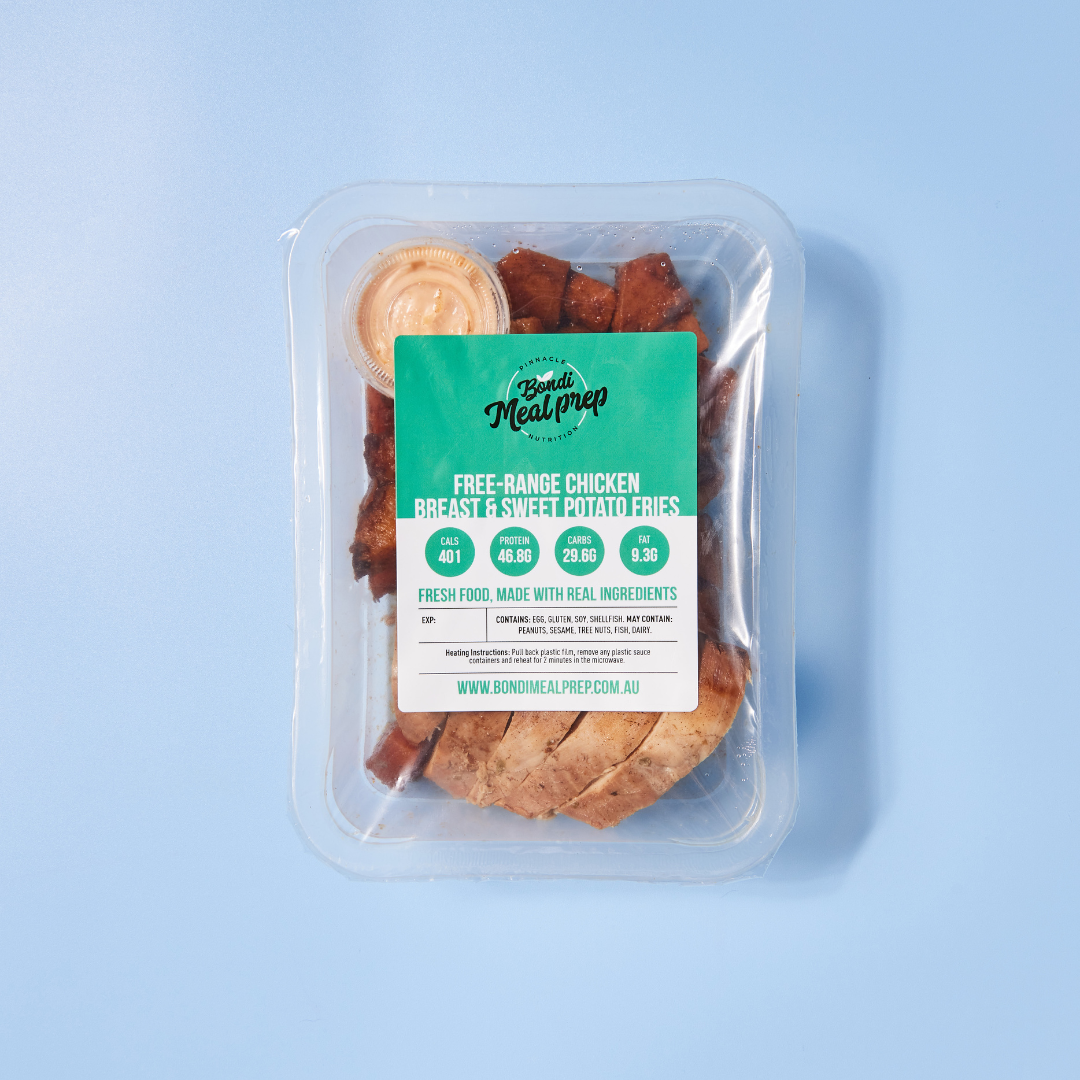
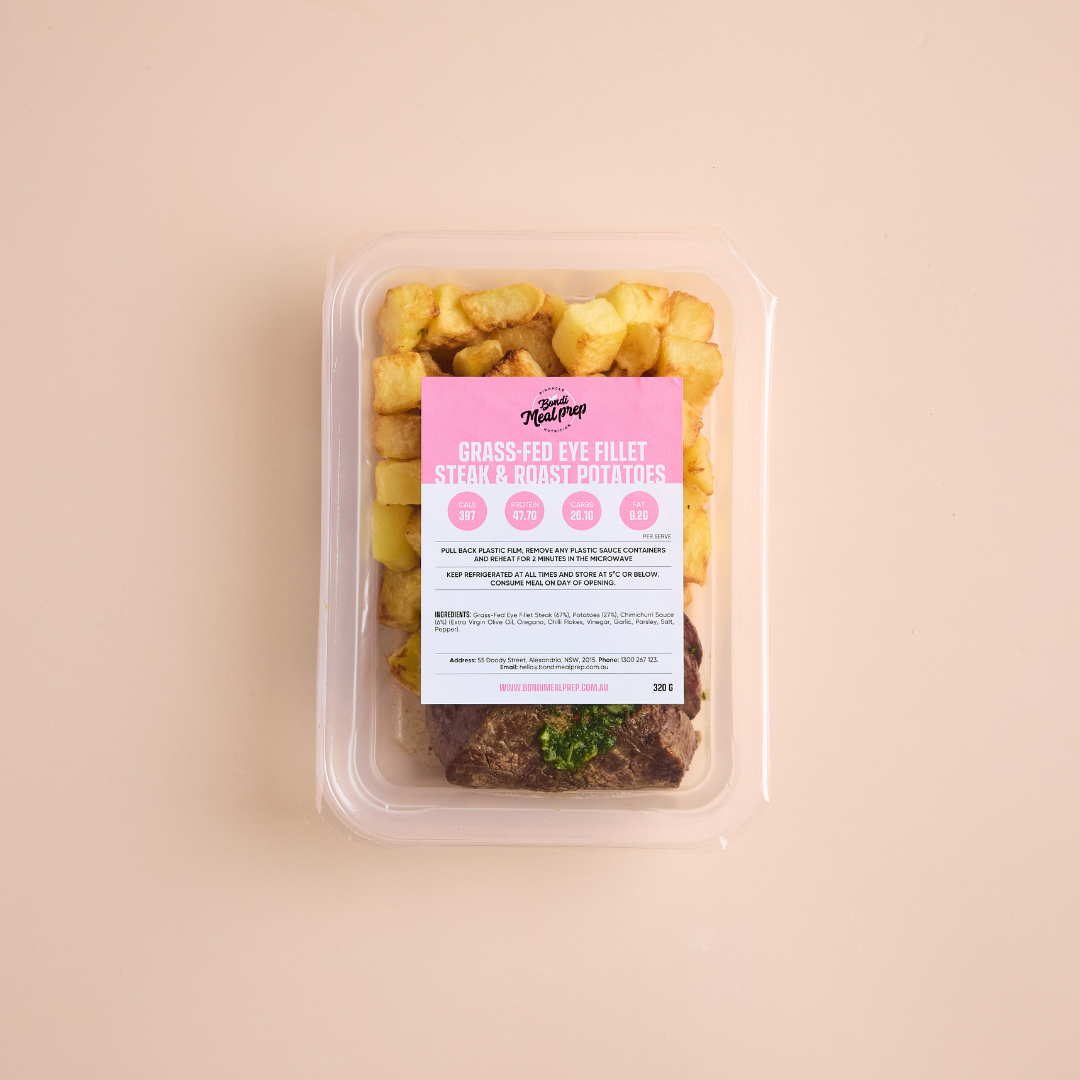
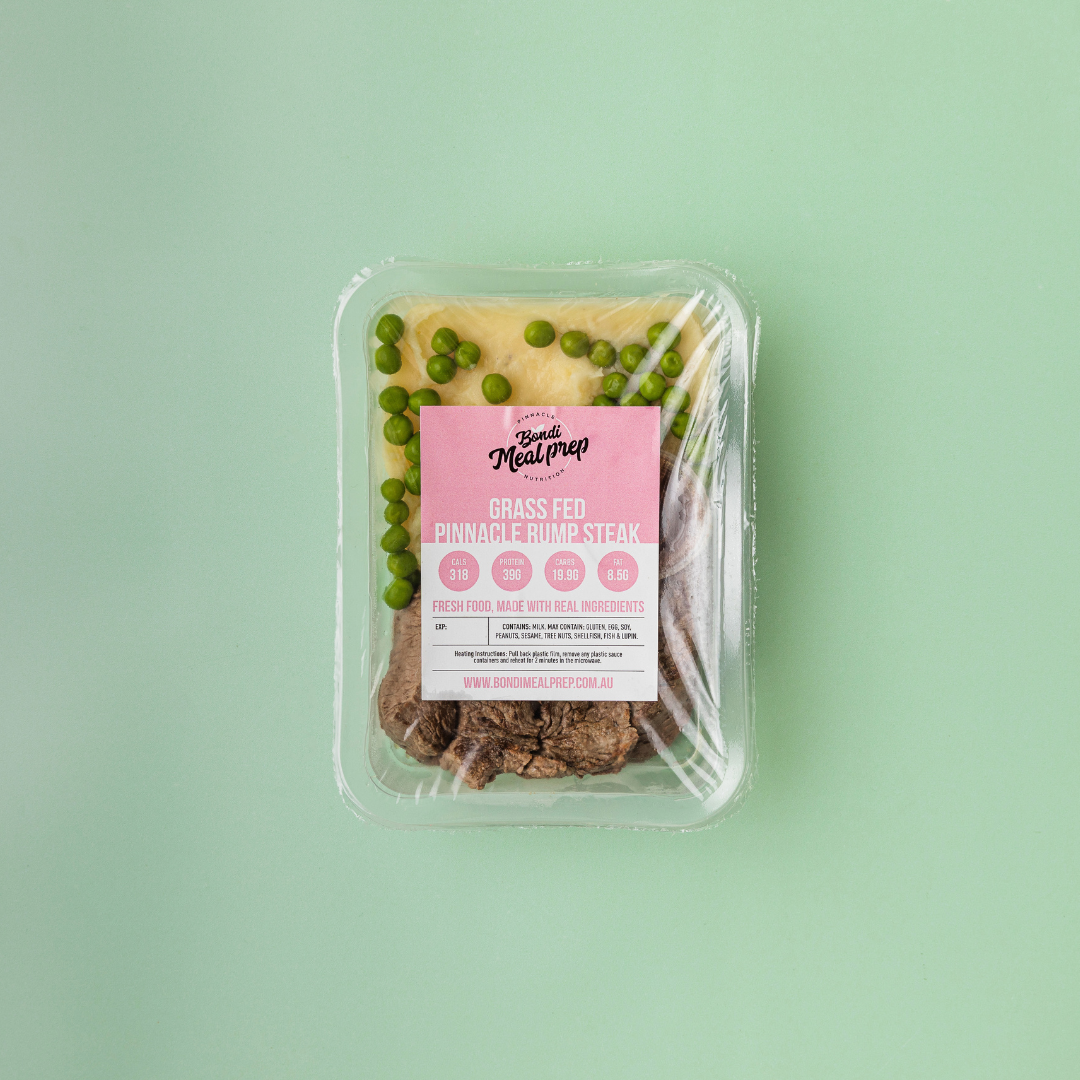
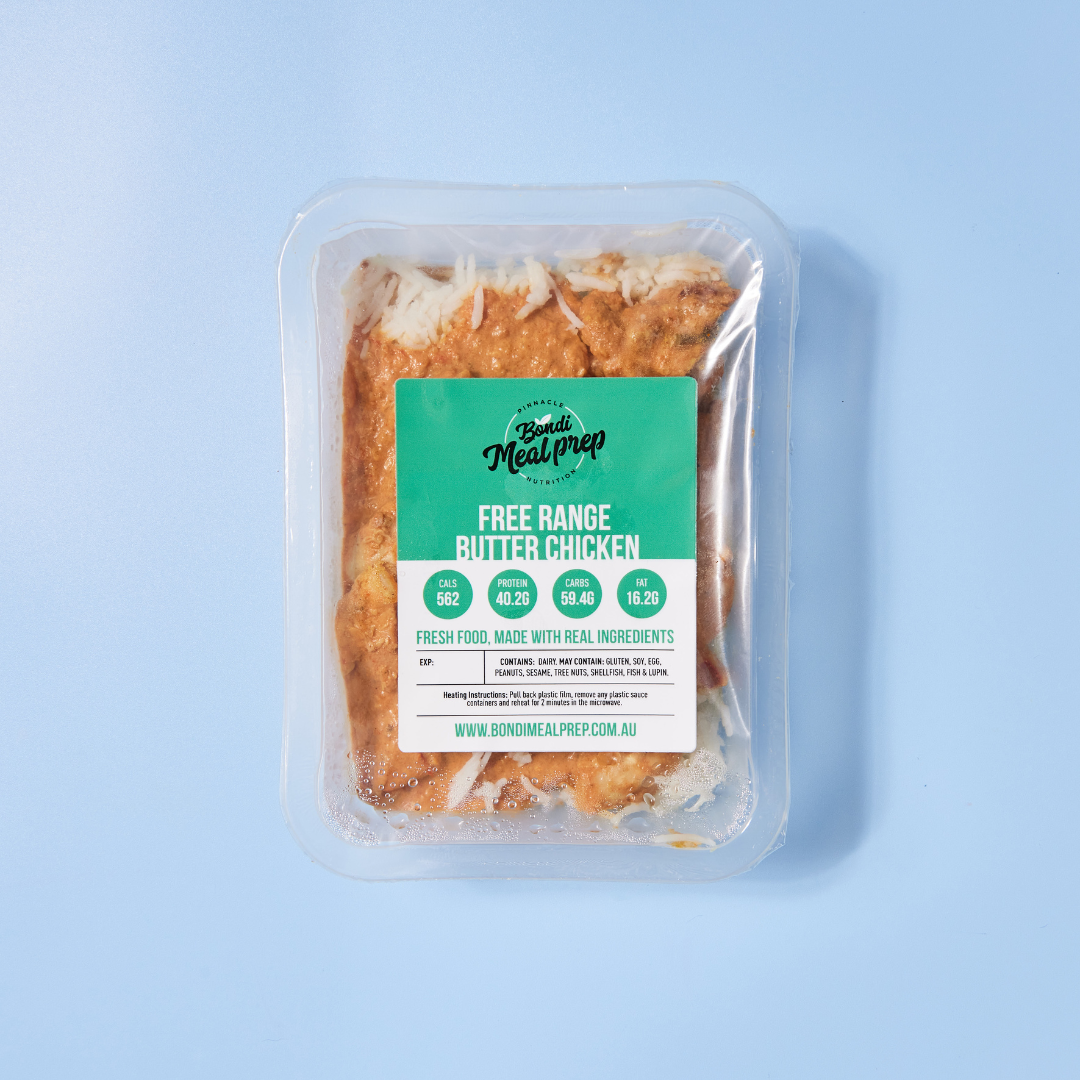
If managing meal prep and a busy training schedule becomes too much of a workout, Bondi Meal Prep's No-Added-Gluten Range is macro-balanced, packed with lean proteins, and delivered fresh to your door every week.
The Combined Benefits of Gluten-Free & High-Protein Eating
For some people, eating gluten-free isn't optional. Coeliac disease and diagnosed gluten intolerance make it a medical need rather than a lifestyle choice.
For plenty of others, it's a preference, whether that's for digestive comfort, cutting back on refined carbs, or just feeling a little better each day. Whichever of these scenarios applies to you, pairing your gluten-free meals with enough protein makes a significant difference to your fitness goals and all-round health.
Healthy Food Guide points out that a gluten-free diet, especially one leaning heavily on packaged substitutes, can be lower in fibre and other important nutrients.
Adding more protein-rich ingredients to your plate means you’re reducing your intake of the refined starches many gluten-free substitutes are notorious for, while also giving you the full spectrum of nutrients whole foods have to offer.
When your diet is carefully balanced, the upside of combining high protein with gluten-free eating includes:
-
More staying power between meals, since protein keeps you fuller for longer than a starch-heavy gluten-free swap on its own.
-
Better support for muscle recovery and maintenance, whether you're training five days a week or simply staying active.
-
Steadier energy throughout the day and training sessions, rather than the spikes and crashes of a carb-heavy diet.
-
A more well-rounded diet overall, not just one that avoids gluten.
If you're managing coeliac disease specifically, it's worth a chat with your GP or a dietitian about your individual needs, particularly in the months after diagnosis.
For everyone else, you can start by planning meals around lean proteins and whole ingredients, rather than relying too heavily on gluten-free carb substitutes.
How Much Protein Do You Need For Your Training?
Understanding how much protein your body needs is a critical step toward maximising your training and recovery. Crucially, your target amount isn't a flat number. Instead, it fluctuates depending on your body weight, how much you train, and the type of training.
According to Better Health Channel, here are the approximate targets most adults should aim for:
|
Activity Level |
Protein Target |
Example (70kg person) |
|
Sedentary or minimal exercise |
0.8–1.0g per kg body weight |
56–70g per day |
|
Regular exercisers (training 2–4 times a week) |
1.0–1.2g per kg body weight |
70–84g per day |
|
Endurance and strength athletes |
1.2–2.0g per kg body weight |
84–140g per day |
|
Regular training through a calorie deficit |
Up to 2.0g per kg body weight |
Up to 140g per day |
As you can see, the more frequently you train, the higher your protein needs become. If you’re aiming to lose body fat by placing yourself in a calorie deficit, a higher protein intake helps to preserve lean muscle mass.
This means a bodybuilder who weighs 110 kilos might need to eat as much as 220g of protein each day. However, even if you’re a lifter aiming to gain maximum muscle mass, the solution isn’t simply to eat huge amounts of protein.
Better Health Channel notes that the top end of this range is sufficient even for bodybuilders and athletes. You should aim to gradually increase your protein intake to reflect an increasing exercise schedule.
Ultimately, it’s the training that drives the adaptation and muscle growth, and the protein just supplies what your body needs to respond to it.
What Makes A Protein "Complete"? Amino Acids Explained
Protein is built from amino acids, nine of which are "essential," meaning your body can't make them itself, and you have to get them from food. A "complete" protein contains all nine in useful amounts.
Most animal proteins (meat, fish, eggs, dairy) are complete by default. Plant-based proteins often lack one or more essential amino acids compared to animal proteins, which is why variety is a must if you're eating plant-based. A few gluten-free plant-based exceptions are worth knowing about:
-
Quinoa is one of the few plant-based foods that's a complete protein, containing all nine essential amino acids.
-
Soy protein isolate is naturally high in essential amino acids, which is why it turns up in everything from tofu to protein powders.
-
Pea protein has a well-balanced amino acid profile and has become a popular gluten-free option in plant-based protein powders.
If you're eating plant-based and gluten-free, the simplest approach is to pair foods rather than rely on a single source. This means eating legumes with rice or nuts with seeds, which allows you to get a solid intake of all essential amino acids throughout the day rather than relying on a single meal.
Best Naturally Gluten-Free High-Protein Foods
When it comes to filling your plate with protein-packed, gluten-free foods, the list below is an excellent place to start.
Animal-Based Sources
-
Chicken breast (cooked): around 30g of protein per 100g, one of the most efficient sources for the calories.
-
Salmon: roughly 22g of protein per 85g (3oz) serve, plus omega-3s you won't get from most plant sources.
-
Prawns: around 27g of protein per 100g cooked, and exceptionally high in protein relative to their calorie count.
-
Eggs: about 14g of protein per 100g cooked (roughly 6-7g per egg), and a strong source of vitamin B12, which animal proteins generally deliver better than plant ones.
-
Cottage cheese: around 17g of protein per 100g, one of the highest protein-to-calorie ratios in the dairy case.
-
Greek yoghurt: traditional strained Greek yoghurt in Australia typically runs 9–10g of protein per 100g, well above standard yoghurt.
-
Canned tuna and beans: not glamorous, but reliably convenient protein sources worth keeping stocked for the nights you want meal prep to be as simple as possible.
Plant-Based Sources
-
Tofu: around 14g of protein per 100g (firm varieties). Plus, it soaks up whatever flavours you cook it in, making it easy to use across cuisines.
-
Edamame: a solid plant-based powerhouse, easy to add to a bowl straight from frozen.
-
Lentils and chickpeas: around 5-6g of protein per 100g cooked, plus a healthy dose of fibre.
-
Nuts and seeds: for example, almonds sit around 20g of protein per 100g and bring healthy fats and fibre.
-
Chickpea pasta: a 57g dry serve delivers around 14g of protein, roughly double the 7g in the same serve of regular wheat pasta.
Why Gluten-Free Bread Often Under-Delivers On Protein
You might have already noticed that shop-bought gluten-free bread is often noticeably lower in protein than a standard wheat loaf. It's not your imagination, and it's not a bad brand you picked. Instead, the discrepancy in protein content is all about what's in the flour.
Wheat gluten gives bread its stretch and structure, and a decent share of its protein, too. When bread manufacturers swap in rice flour, corn flour, potato starch or cassava flour instead, that structure disappears, so they often add extra starches to bulk the loaf back out.
According to News-Medical, this is a known compromise in gluten-free bread production. The ingredients added to enhance texture and shelf life can lower protein while raising fat, which isn’t a great combo for anybody aiming to support lean muscle mass.
However, the solution doesn't need to be complicated:
-
Baking at home? Stir almond flour through your usual gluten-free flour blend. It's an easy way to boost the protein in a loaf without changing much else, and it adds a pleasant nutty flavour too.
-
Want an even bigger boost? A scoop of whey protein powder mixed into the dough does the same job, which is especially handy if you're already using whey elsewhere in your week, in a post-workout shake, for example.
-
Buying off the shelf? Check the nutrition panel carefully. Some brands enrich their loaves with extra protein or seeds, and those are worth choosing over ones heavy on starch.
Signs You're Not Recovering Well Between Sessions
If your training's stalling despite consistent effort, your protein intake is one of the first things worth checking, alongside sleep and total energy intake. Here are signs that you might not be eating enough protein:
-
Muscle soreness that lingers well past 48-72 hours instead of easing off.
-
Persistent fatigue or noticeable energy crashes throughout the day, not just after a hard session.
-
Strength or performance plateauing, or dropping, despite consistent training.
-
Getting sick or run-down more often than usual.
-
Slower healing from minor niggles and injuries.
-
Low motivation to train, separate from the usual "don't feel like it" days.
It’s important to acknowledge that none of these is a diagnosis on its own. If you’re already eating protein within the ranges outlined above but the issues persist, it's wise to speak with your GP or an accredited dietitian.
Quick Ways To Add Protein Without Adding Gluten
Here are a few quick, practical meal prep tips that will keep your protein intake high and your gluten consumption at zero.
-
Add eggs or cottage cheese to breakfast rather than relying on gluten-free toast or cereal
-
Swap wheat pasta for chickpea or lentil pasta a couple of nights a week
-
Keep canned tuna, salmon and beans in the pantry for quick-prep, protein-packed meals
-
Stir a spoon of pea or soy protein isolate into a smoothie or porridge
-
Choose Greek yoghurt over regular yoghurt as a post-training snack
-
Batch-cook a tray of chicken or tofu on Sunday, so protein is never the missing ingredient on a busy weeknight
-
Snack on nuts and seeds rather than gluten-free crackers or chips when you need something between meals
Sample Gluten-Free High-Protein 7-Day Meal Plan
Now that you know how much protein to eat and which foods will best help you reach that target, here’s a sample meal plan covering 7 days of protein-packed eating without a morsel of gluten in sight!
If you want more detailed inspo, check out our 28 Gluten-Free Lunch Ideas.
|
Day |
Breakfast |
Lunch |
Dinner |
Approx. Protein |
|
Monday |
Greek yoghurt, berries, almonds |
Chicken, quinoa, roast veg |
Salmon, sweet potato, greens |
~130g |
|
Tuesday |
Eggs, spinach, cottage cheese |
Tuna, chickpea pasta, tomato |
Beef stir-fry, rice, broccoli |
~140g |
|
Wednesday |
Protein smoothie, banana, pea protein |
Lentil soup, gluten-free bread |
Prawns, zucchini noodles |
~110g |
|
Thursday |
Greek yoghurt, granola, seeds |
Chicken, brown rice, capsicum |
Tofu and edamame stir-fry |
~120g |
|
Friday |
Eggs, avocado, gluten-free toast |
Leftover beef and rice |
Barramundi, quinoa, greens |
~125g |
|
Saturday |
Cottage cheese, fruit, walnuts |
Chickpea and tuna salad |
Steak, roast vegetables |
~135g |
|
Sunday |
Protein pancakes (buckwheat) |
Prawn and rice bowl |
Roast chicken, lentils, greens |
~130g |
These are approximate totals based on typical serving sizes. Individual needs vary with body weight, training load and goals, so always calculate your totals carefully using protein figures on the packaging.
You're Training Hard, So Make Mealtimes Simple
When you’ve finished a long run or finally put down those heavy weights, make mealtimes a moment when you don’t need to lift a finger.
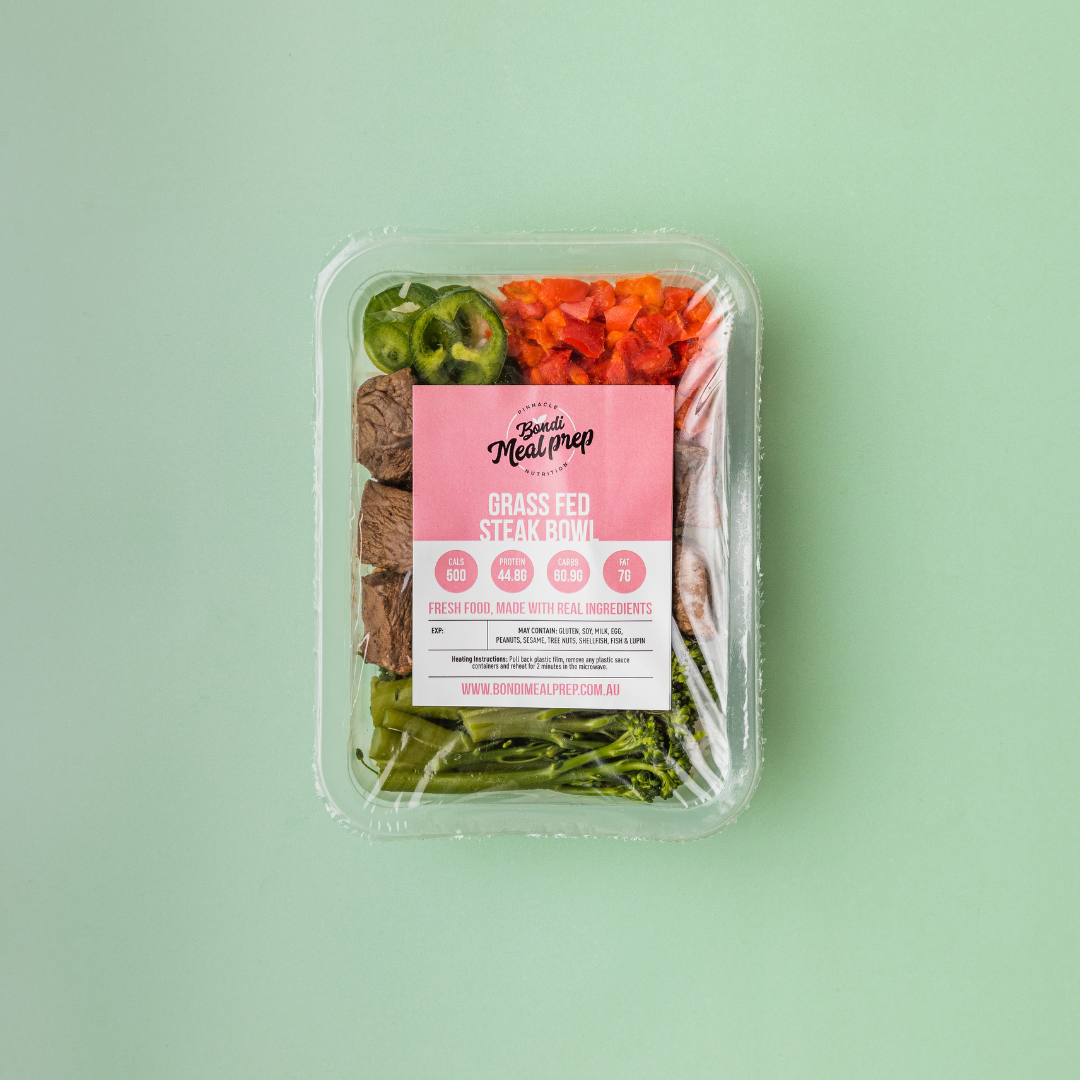
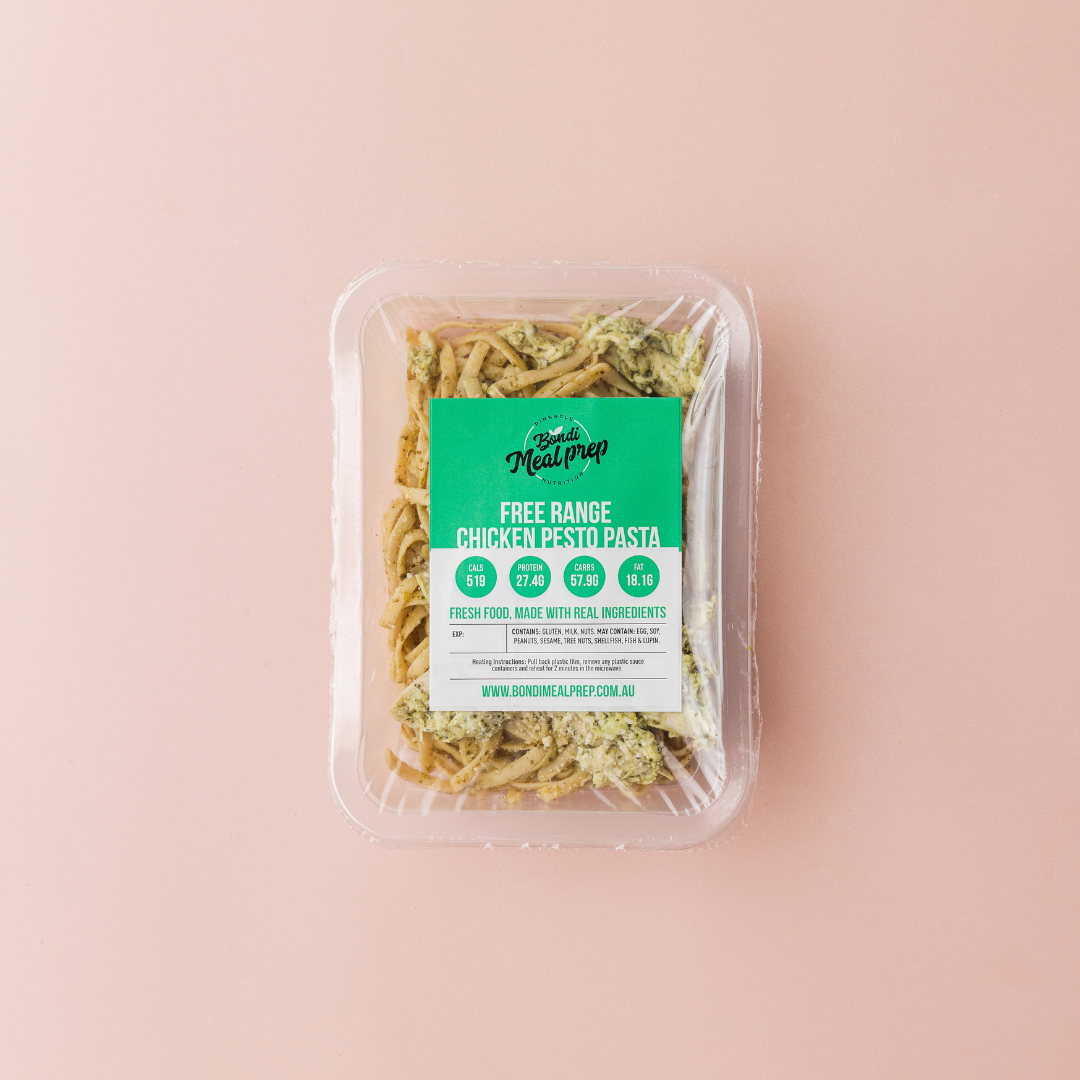
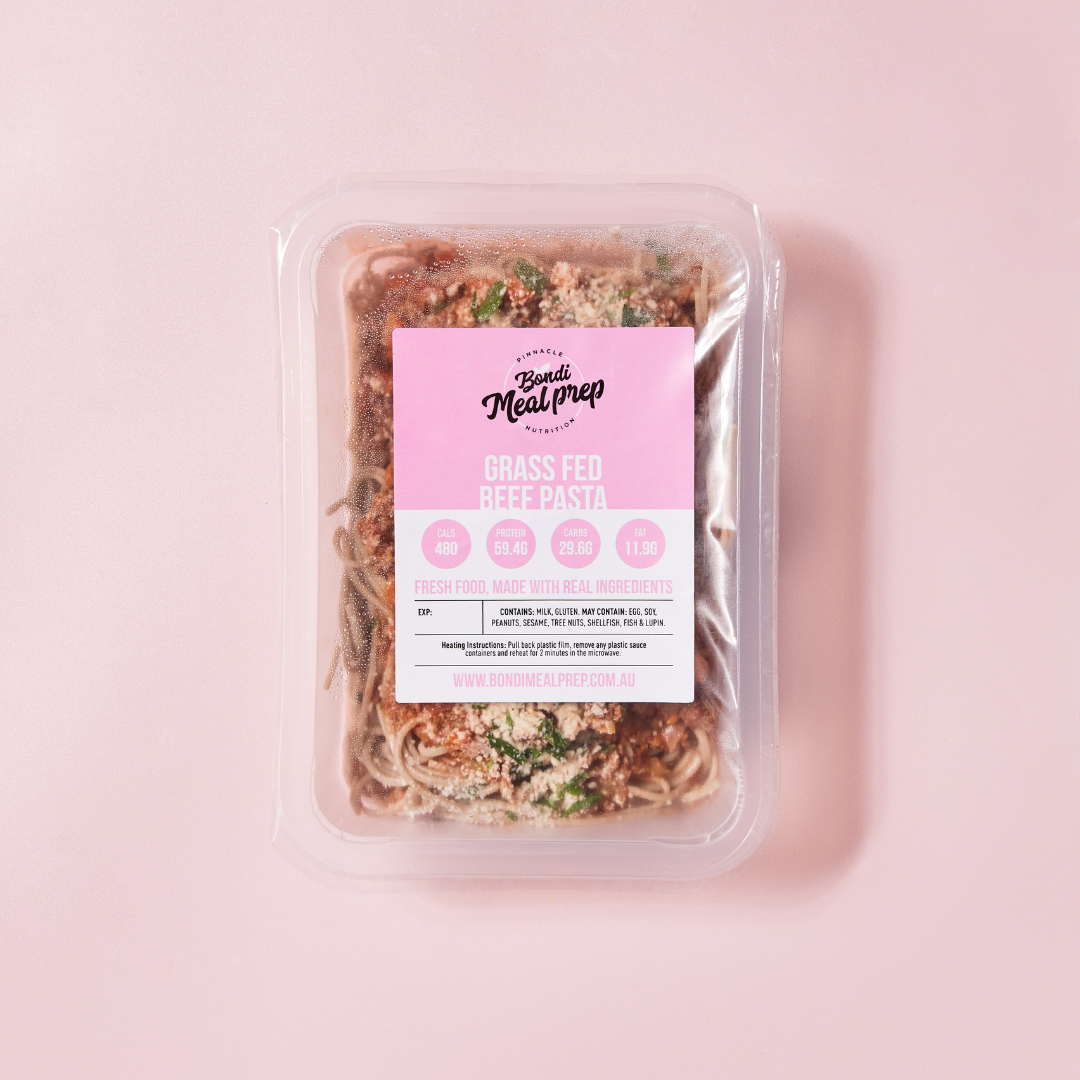
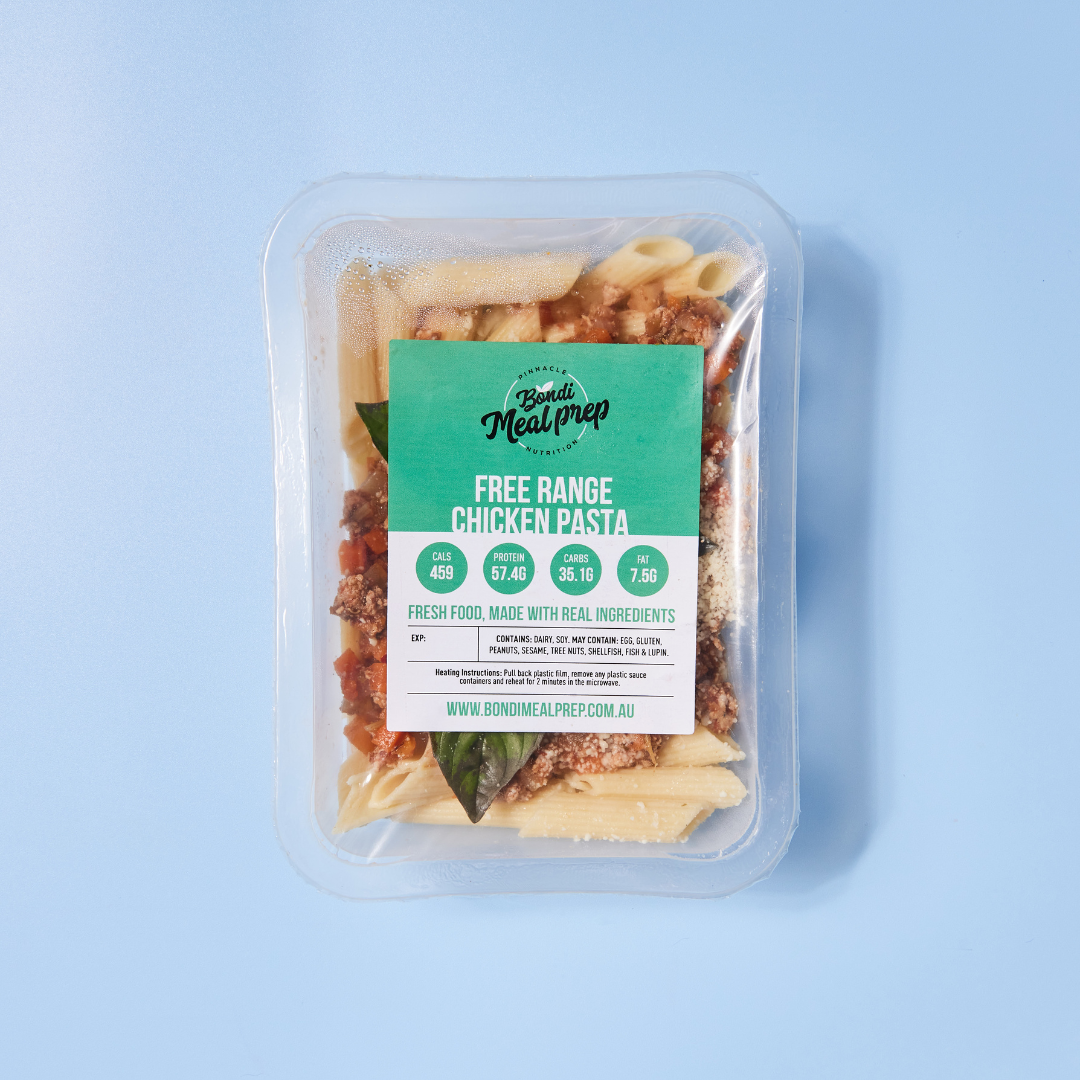
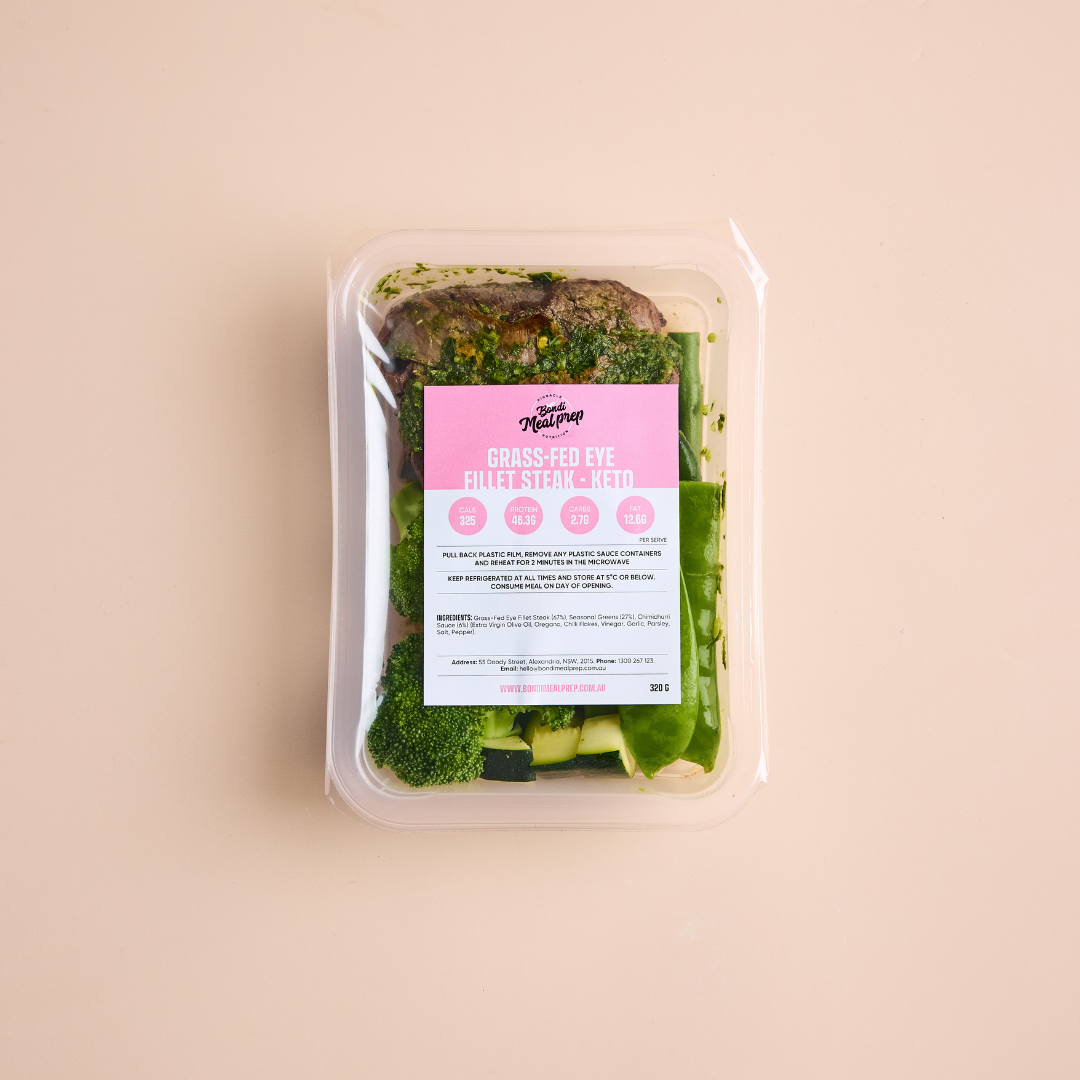
Our no-added-gluten dishes are packed with proteins and essential amino acids that will match the work you put in at the gym. They’re macro-balanced and ready in just two minutes. And if they taste so good you’re convinced a professional chef made them, it’s because one did!
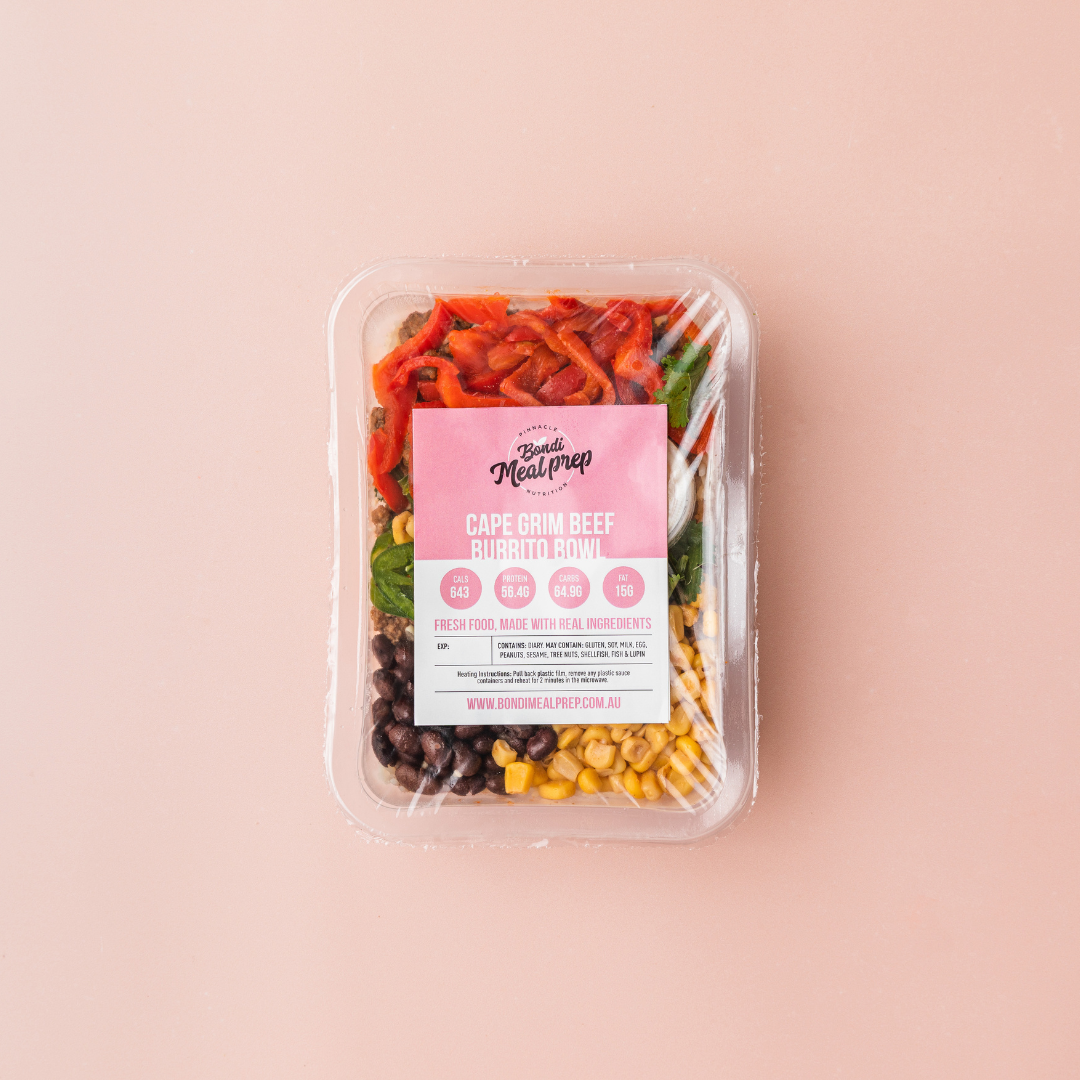
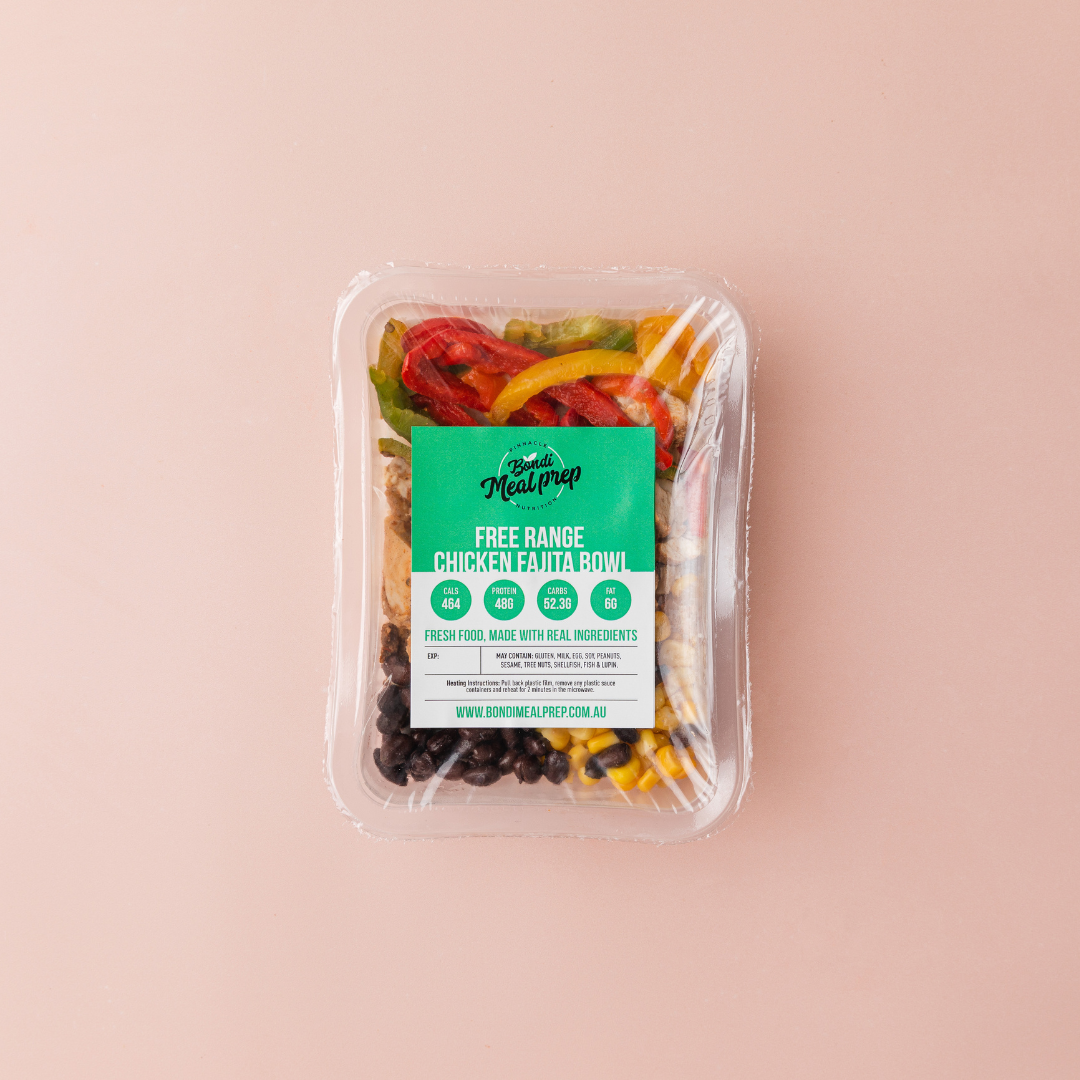
The Grass-Fed Beef Burrito Bowl has 56.4g of protein per serve, the Grass Fed Steak Bowl 40.3g, and the Free Range Chicken Fajita Bowl 30.5g, each based on the highest quality proteins available, rice, legumes and seasonal vegetables, rather than wheat. Our Protein Shakes offer 30g of protein at less than 300 calories per serve, making them perfect for post-workout recovery.
Browse our No-Added-Gluten Menu and place an order today. We’ll deliver dinner fresh to your door. All you have to lift is a fork!
Frequently Asked Questions
Can you build muscle on a gluten-free diet?
Building muscle on a gluten-free diet is entirely possible, since muscle growth depends on total protein intake and training stimulus, not on gluten. Naturally gluten-free foods like meat, fish, eggs, legumes and dairy provide everything you need to reach your protein target.
What are the best gluten-free protein sources?
The best gluten-free protein sources include eggs, fish, meat, legumes, tofu, quinoa, nuts and dairy, all of which are naturally gluten-free. Chicken breast, salmon and cottage cheese are especially efficient for their high protein-to-calorie ratio.
Is gluten-free bread lower in protein than regular bread?
Gluten-free bread is often lower in protein than regular wheat bread, largely because the flour substitutes used (rice, corn, potato, cassava) don't form the same protein network that wheat gluten does. Checking the nutrition panel on the bread’s packaging is the only reliable way to know for a specific loaf.
How much protein do I need if I train regularly?
How much protein you need if you train regularly depends on your activity level, but Better Health Channel puts regular exercisers at roughly 1.0 to 1.2g per kilogram of body weight per day, rising to 1.2 to 2.0g per kilogram for endurance and strength athletes.
Is quinoa a complete protein?
Quinoa is a complete protein, as one of the few plant-based foods that contains all nine essential amino acids on its own. That makes it particularly useful for anyone eating a diet that is both plant-based and gluten-free.
Is a high-protein gluten-free diet safe for coeliac disease?
If you’re a coeliac who trains regularly, a nutritionally balanced diet with plenty of protein is a healthy choice. However, a high-protein diet itself is not directly linked with coeliac safety. Your food being safe comes down to whether individual products are verified gluten-free. Anyone managing coeliac disease should check for tested "gluten-free" claims or Coeliac Australia endorsement on each product, rather than assuming based on ingredients alone.