

A high-fibre diet can help keep your gut happy, your energy steady, and your heart in good shape for years to come. But if you're avoiding gluten, either because you've been medically diagnosed or simply because it makes you feel better, ensuring you get enough fibre on your plate each day takes a little extra thought.
Wheat, rye and barley are all off the menu when you go gluten-free, but they’re also among the biggest contributors of fibre in the average Australian’s diet. Avoiding them means it’s extra important to find fibre-filled alternatives
This guide explains how much fibre you need each day, which gluten-free foods pack the most fibre, and also helps you plan a week of meals that keep your fibre intake at an ideal range. So, say goodbye to gluten and hello to a healthy, high-fibre diet that keeps you and your gut in tip-top shape!
Key Takeaways
-
Cutting gluten can accidentally cut your fibre intake too, since wheat, rye and barley products are major fibre sources in a standard diet.
-
Adults should aim for 25g (women) to 30g (men) of fibre a day, according to Eat For Health, Australia's national nutrient reference guidelines.
-
There are three types of fibre that you need to regularly eat: soluble, insoluble and resistant starch. Each performs a slightly different job, and most high-fibre foods contain a mix.
-
Foods like legumes, quinoa, buckwheat, chia seeds and vegetables are among the best sources of fibre available, gluten or no gluten.
-
Fibre supplements can help to top up your intake, but they should never replace a fibre-rich diet of whole foods.
-
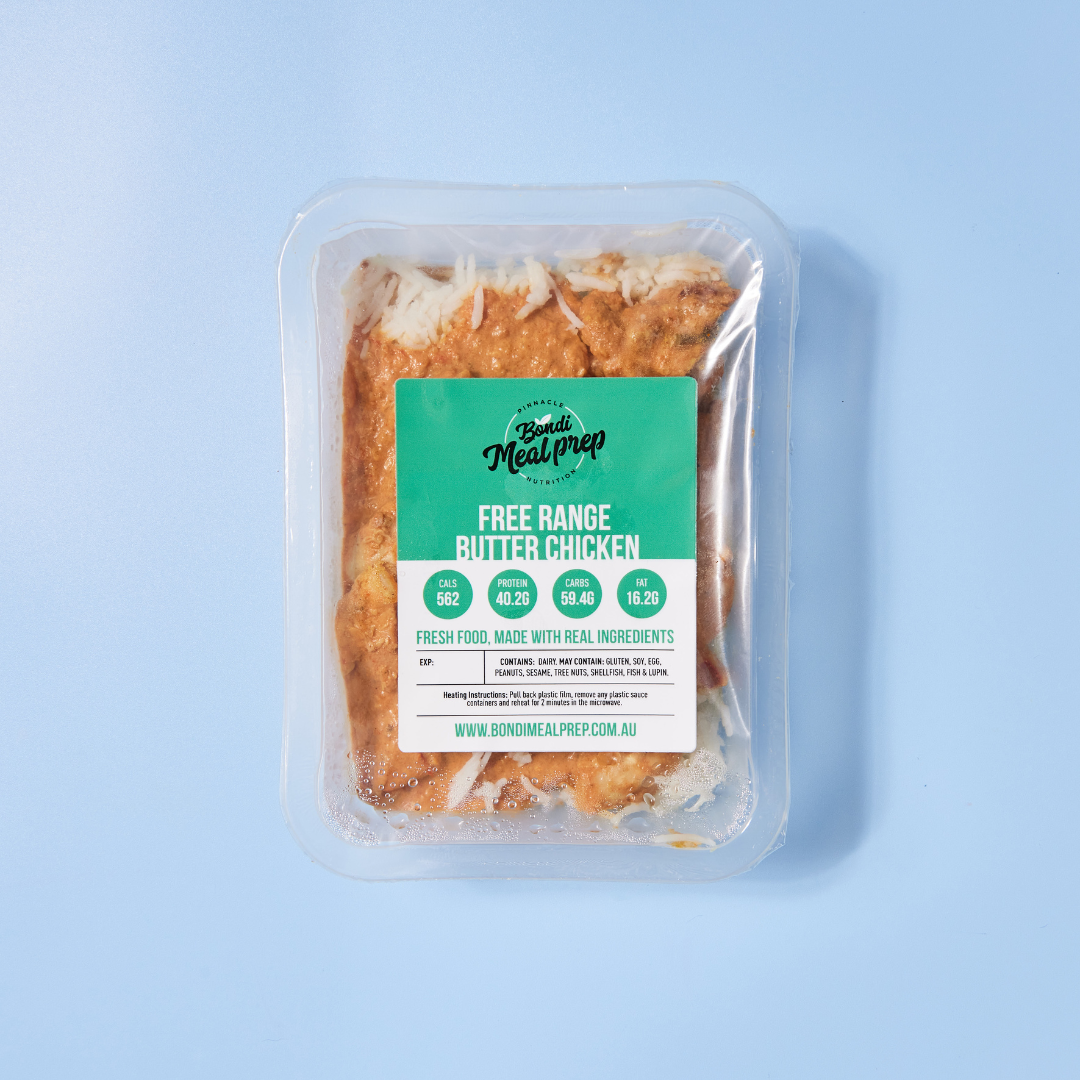
If your gut tells you that planning a full week of meals might be difficult to pull off, Bondi Meal Prep's No Added Gluten Meals are packed with fibre and delivered fresh to your door every week.
Why Is Fibre Important?
Beyond providing roughage and keeping us regular (an underrated life win!), fibre plays a decisive role in some critical areas of our all-round health. If you take care of your fibre intake, that fibre will take good care of you and your body. Here’s how:
-
Gut health: fibre feeds the good bacteria in your gut microbiome, which Better Health Channel links to everything from digestion to immune function.
-
Heart health: soluble fibre helps lower LDL ("bad") cholesterol. The Heart Foundation points to wholegrain, high-fibre foods like brown rice and oats as part of a heart-healthy eating pattern that supports healthy cholesterol levels and blood pressure.
-
Blood sugar control: fibre slows the absorption of sugar into your bloodstream, which helps prevent the energy peaks and troughs that come with fast-digesting carbs.
-
Weight management: According to Eat For Health, high-fibre foods tend to be more filling with fewer calories.
-
Bowel health: dietary fibre is described by Eat For Health as "the most effective treatment for all forms of constipation," thanks to the bulk and consistency it adds to your gut's daily workload.
-
Better nutrition overall: wholegrains and legumes bring B vitamins and other essential nutrients along for the ride. By default, a high-fibre diet tends to be nutritious and well-rounded.
The Different Types of Fibre, Explained
Fibre comes in three main forms, with most good sources containing a healthy mix of all three. Here's what each one does, and where you can find it.
Soluble Fibre
Soluble fibre dissolves in water and acts like a sponge, absorbing liquid as it moves through your digestive system. This helps ease bowel movements. It's also the type most closely linked to lower cholesterol and steadier blood sugar, since it slows the speed at which sugar and fat are absorbed.
Good sources: fruit, vegetables, legumes, chia seeds, oats
Insoluble Fibre
On the other hand, insoluble fibre doesn't dissolve. Instead, it acts as a bulking agent, sweeping through your colon like a broom to help reduce constipation and keep things moving on schedule.
Good sources: nuts and seeds, leafy greens, fruit and vegetable skins, wholegrains
Resistant Starch
Resistant starch bypasses digestion in the small intestine and heads straight to the large bowel, where it becomes food for your gut bacteria. As those bacteria ferment the resistant starch, they produce short-chain fatty acids which have a calming, anti-inflammatory effect on the gut lining. According to CSIRO, most Australians only get 3 to 9g of resistant starch a day, well under the 15 to 20g experts recommend.
Good sources: under-ripe bananas, lentils, cooked and cooled potatoes (and rice), legumes
Balancing A Gluten-Free And High-Fibre Diet
Eating a gluten-free diet, either because of a coeliac diagnosis or a lifestyle choice, can do wonderful things for your health. However, many of the foods that are removed from your meals, including wholemeal bread, wheat pasta, barley, rye and wholegrain breakfast cereals, are also major sources of dietary fibre in a typical Australian diet.
When you swap wheat flour for refined gluten-free substitutes made from white rice flour, corn starch or tapioca starch, your fibre intake can quickly dip below healthy levels. Many gluten-free products fall into this trap.
A nutrition review from BMDIC's Coeliac Centre found that of 85 gluten-free cereals tested, 26 (roughly 1 in 4) contained less fibre than their gluten-containing counterparts. While this is a study of just one food category, it highlights a much broader trend that gluten-free eaters need to be mindful of.
Thankfully, gluten-free eating doesn't have to mean low fibre. It just means being deliberate about where your fibre comes from. Legumes, naturally gluten-free whole grains, nuts, seeds, plant-based foods, fruit and vegetables are all excellent, delicious gluten-free options that happen to be some of the best fibre sources around, gluten or no gluten.
As a guide, Eat For Health recommends adults aim for around 25g of fibre a day for women and 30g for men. On a gluten-free diet, achieving that daily fibre intake takes a little more planning than reaching for a slice of gluten-free toast and good old Vegemite. However, with the right foods in your kitchen, it's simple to keep your fibre intake high and your gut happy.
High-Fibre Gluten-Free Foods
Here's where to find real fibre without a gram of gluten in sight. Fibre figures below are approximate, based on standard serving sizes, so use them as a practical guide rather than an exact science.
Gluten-free grains and wholegrains
-
Quinoa: ~5g fibre per cup, cooked
-
Buckwheat: ~5g fibre per cup, cooked, or as buckwheat flour in pancakes and baking (despite the name, buckwheat contains no wheat or gluten at all)
-
Gluten-free oats: ~4g fibre per cup, cooked. Pure oats are naturally gluten-free, but always look for a certified gluten-free product, since ordinary oats are often cross-contaminated with wheat, rye or barley during growing or processing
-
Brown rice: ~3.5g fibre per cup, cooked, noticeably higher than white rice, which retains almost none of its fibre once the husk and bran are removed
Legumes
-
Black beans: ~15g fibre per cup, cooked
-
Lentils: ~15.6g fibre per cup, cooked
-
Chickpeas: ~12.5g fibre per cup, cooked
Nuts and seeds
-
Chia seeds: ~10g fibre per tablespoon
-
Flaxseed: ~8g fibre per tablespoon, ground
-
Almonds: ~3.5g fibre per 30g handful
Fruit
-
Raspberries: ~8g fibre per cup
-
Pear: ~4g fibre per medium pear, skin on
-
Banana: ~3g fibre per medium banana (an under-ripe banana also brings resistant starch into the mix)
Vegetables
-
Brussels sprouts: ~4.5g fibre per cup, cooked
-
Broccoli: ~5g fibre per cup, cooked
-
Potato with skin on: ~4g fibre per medium potato, and cooking then cooling it boosts the resistant starch too
-
Avocado: ~6.5g fibre per whole avocado
Gluten-free breads and cereals: Many gluten-free breads and cereals are made from refined starches with barely any fibre. You should check the nutrition panel and look for the inclusion of wholegrain ingredients. A seeded gluten-free bread is a great option, as is a wholegrain cereal made from buckwheat, quinoa or gluten-free oats.
Tell-Tale Signs You Might Need More Fibre
Committing to a gluten-free diet often leads to uncertainty about whether you’re getting enough fibre. A few common signs can point to a shortfall, especially in the weeks after cutting gluten:
-
Irregular or infrequent bowel movements, rather than the regular bowel movements a well-fed digestive system usually settles into
-
Bloating or sluggish digestion, since digestive systems rely on fibre to keep things moving efficiently
-
Energy drops through the day, which can also be a sign your blood sugar is spiking and crashing rather than remaining steady
-
Feeling hungry again shortly after eating, since fibre is what makes a meal filling
If any of these are familiar experiences, start adding one or two extra serves of the foods above into your day and see how you feel after a week.
You should also drink plenty of water alongside any increase in fibre, since fibre needs fluid to function properly. If your symptoms persist, it's sensible to book an appointment with your GP or a qualified nutritionist.
Sample Meal Plan For A Week
Now that you know what to eat, you’re probably wondering how you’re going to fit it all in. Here's how all these foods can come together across a week of gluten-free, high-fibre meals. Every day comfortably meets the daily fibre intake, and every meal is based on naturally gluten-free ingredients.
|
Day |
Breakfast (fibre) |
Snack (fibre) |
Lunch (fibre) |
Dinner (fibre) |
Daily total |
|
Monday |
Gluten-free oats, chia seeds and raspberries (13g) |
Apple and almonds (7.5g) |
Quinoa, black bean and capsicum salad with avocado (18g) |
Grilled salmon, brown rice and broccoli (8.5g) |
~47g |
|
Tuesday |
Buckwheat porridge, banana and flaxseed (12g) |
Pear and almonds (7.5g) |
Chickpea smash on grainy GF bread with leafy greens (13g) |
Beef stir-fry with brown rice, brussels sprouts and capsicum (10.5g) |
~43g |
|
Wednesday |
Greek yoghurt, chia and raspberries (9g) |
Banana and almonds (6.5g) |
Lentil soup with a side salad (18.5g) |
Grilled chicken, quinoa and roasted Brussels sprouts (9.5g) |
~43.5g |
|
Thursday |
GF oats, flaxseed and apple (12g) |
Roasted chickpeas (6g) |
Buckwheat, black bean and corn salad with avocado (17.5g) |
Steak, baked potato with skin and broccoli (9g) |
~44.5g |
|
Friday |
Banana, chia and spinach smoothie (9g) |
Pear and almonds (7.5g) |
Tuna and avocado on grainy GF bread with capsicum (11.5g) |
Grilled fish, quinoa and brussels sprouts (9.5g) |
~37.5g |
|
Saturday |
Buckwheat pancakes with raspberries (9g) |
Almonds and banana (6.5g) |
Chickpea and quinoa bowl with capsicum and avocado (16.5g) |
Roast chicken, baked potato with skin and broccoli (9g) |
~41g |
|
Sunday |
GF oats, chia and banana (12g) |
Pear (4g) |
Lentil and brown rice bowl with Brussels sprouts (16g) |
Grilled salmon, buckwheat and roasted capsicum (7.5g) |
~39.5g |
Want more than a week’s worth of meal inspiration? Check out our list of Gluten-Free Lunch Ideas. There are over 28 options to choose from, all packed with flavour and gut-healthy fibre. It’s a ten-minute read, guaranteed to make lunchtime a whole lot easier and tastier!
Supplements
If food alone isn't quite hitting your target intake, a fibre supplement can help top things up. The most common options are:
-
Psyllium husk: a soluble fibre that absorbs water and forms a gel, helpful for regularity and often the easiest to find
-
Inulin: a prebiotic fibre found naturally in foods like chicory root, which feeds beneficial gut bacteria
-
Methylcellulose: a gentle option often used for occasional constipation relief
Supplements can be a means to an end, but they only supply fibre. Whole foods bring fibre plus vitamins, minerals and antioxidants, so a supplement should top up a fibre-rich diet, and never replace one outright. They’re called supplements for a reason!
Gluten-Free, High-Fibre Meal Delivery
Now you know exactly what to eat to fuel your fibre intake. However, shopping, chopping, prepping and getting those fibre-filled foods onto the plate is where the hard work begins.
When the week’s hectic and your schedule is packed, a little bit of convenience at mealtimes makes the rest of life a whole lot easier.
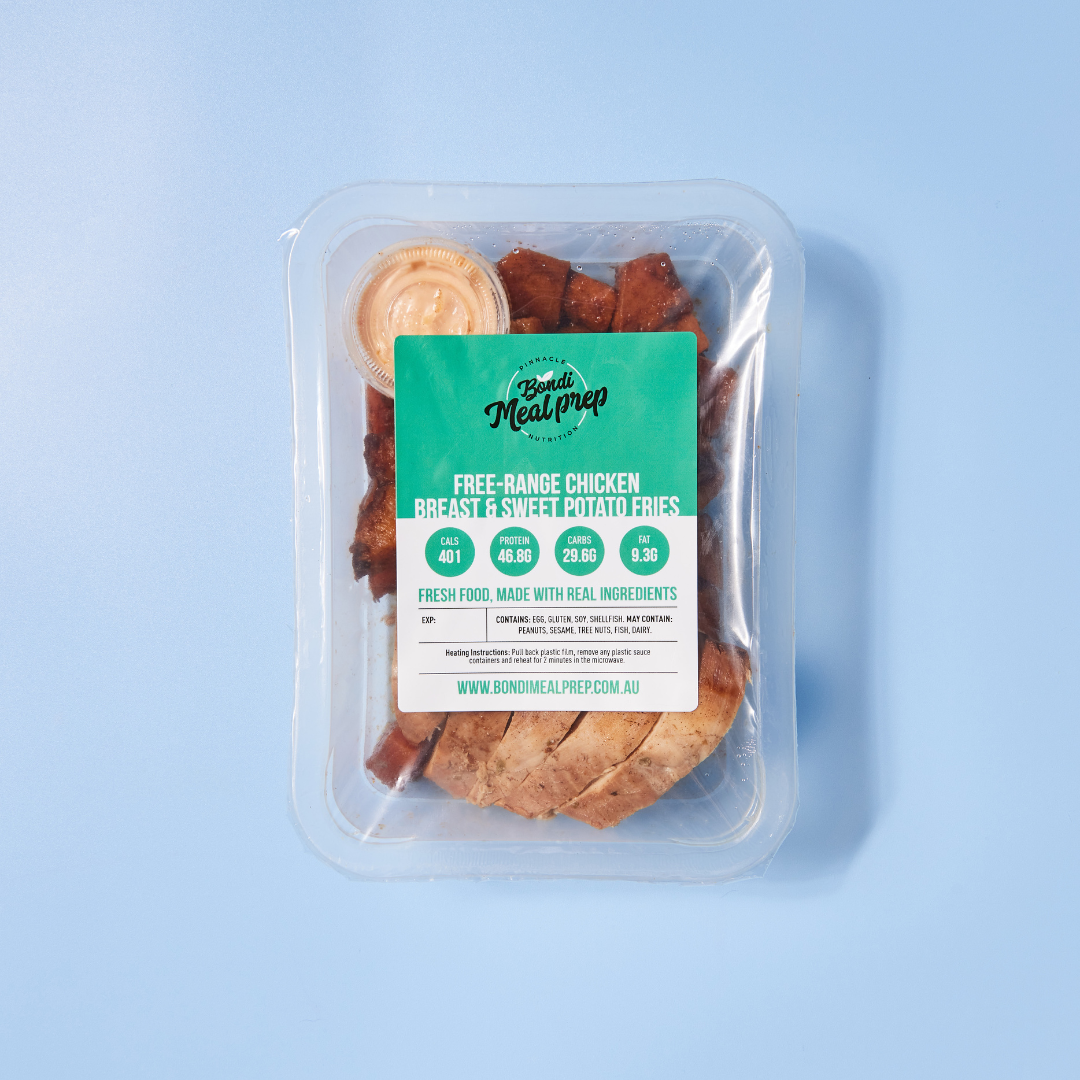
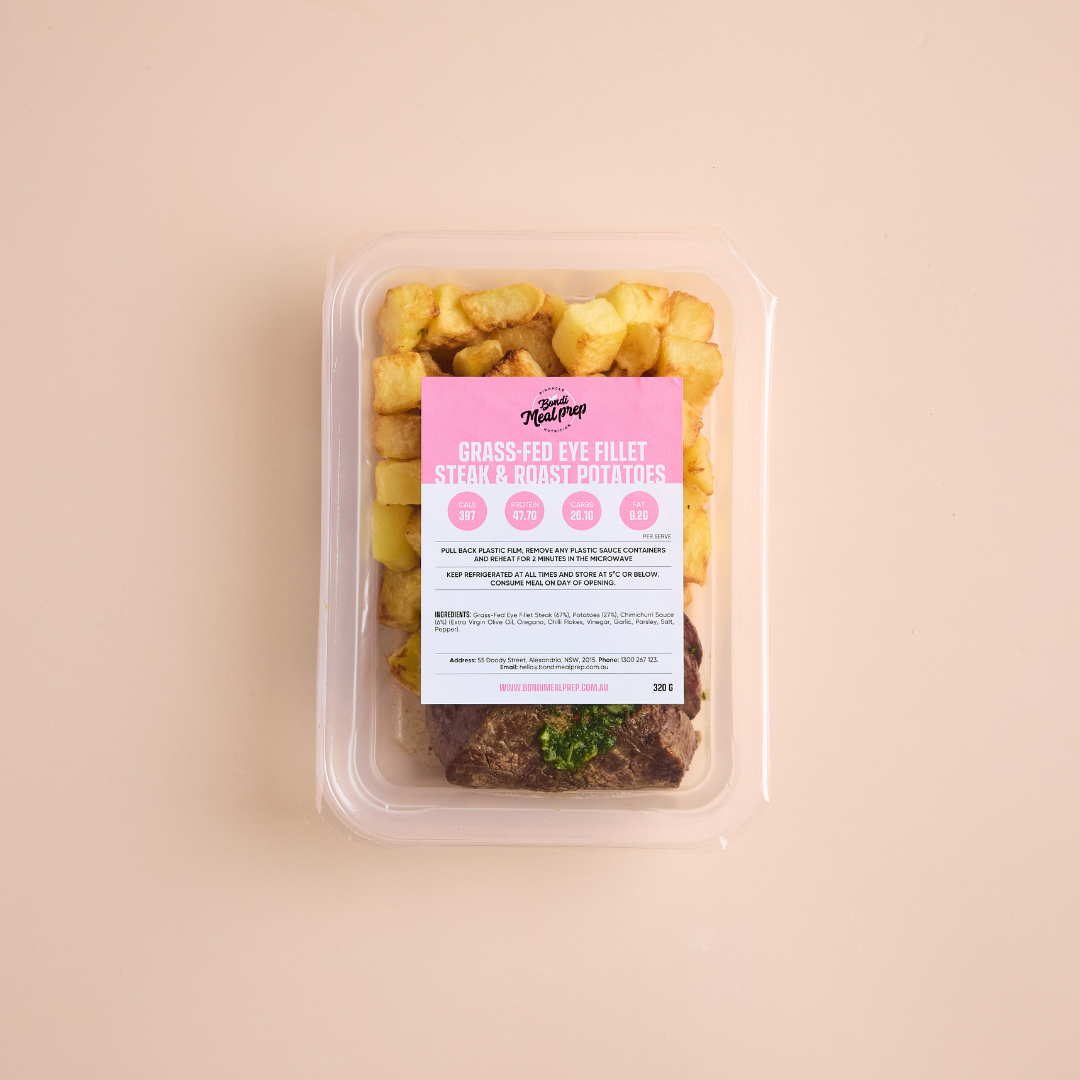
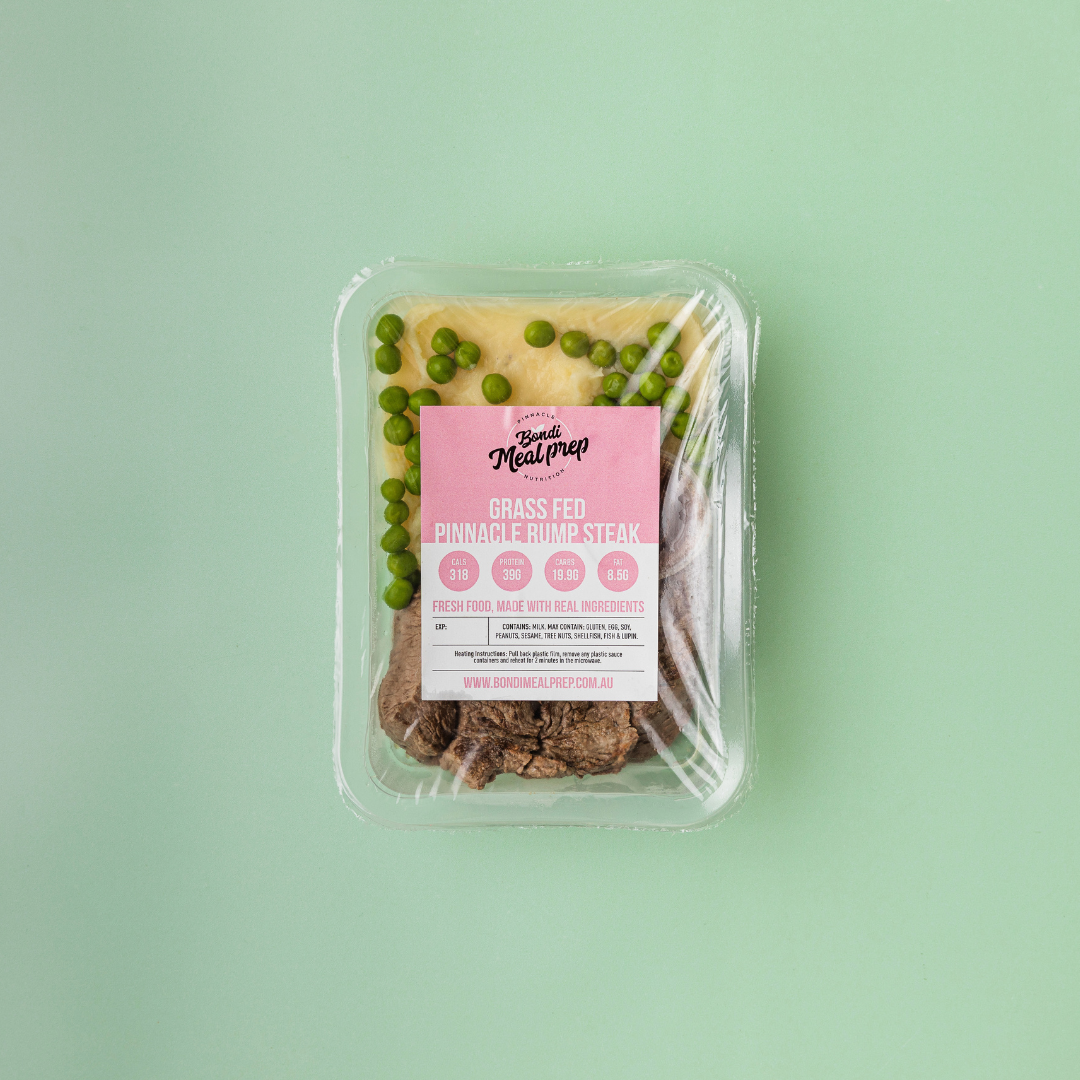
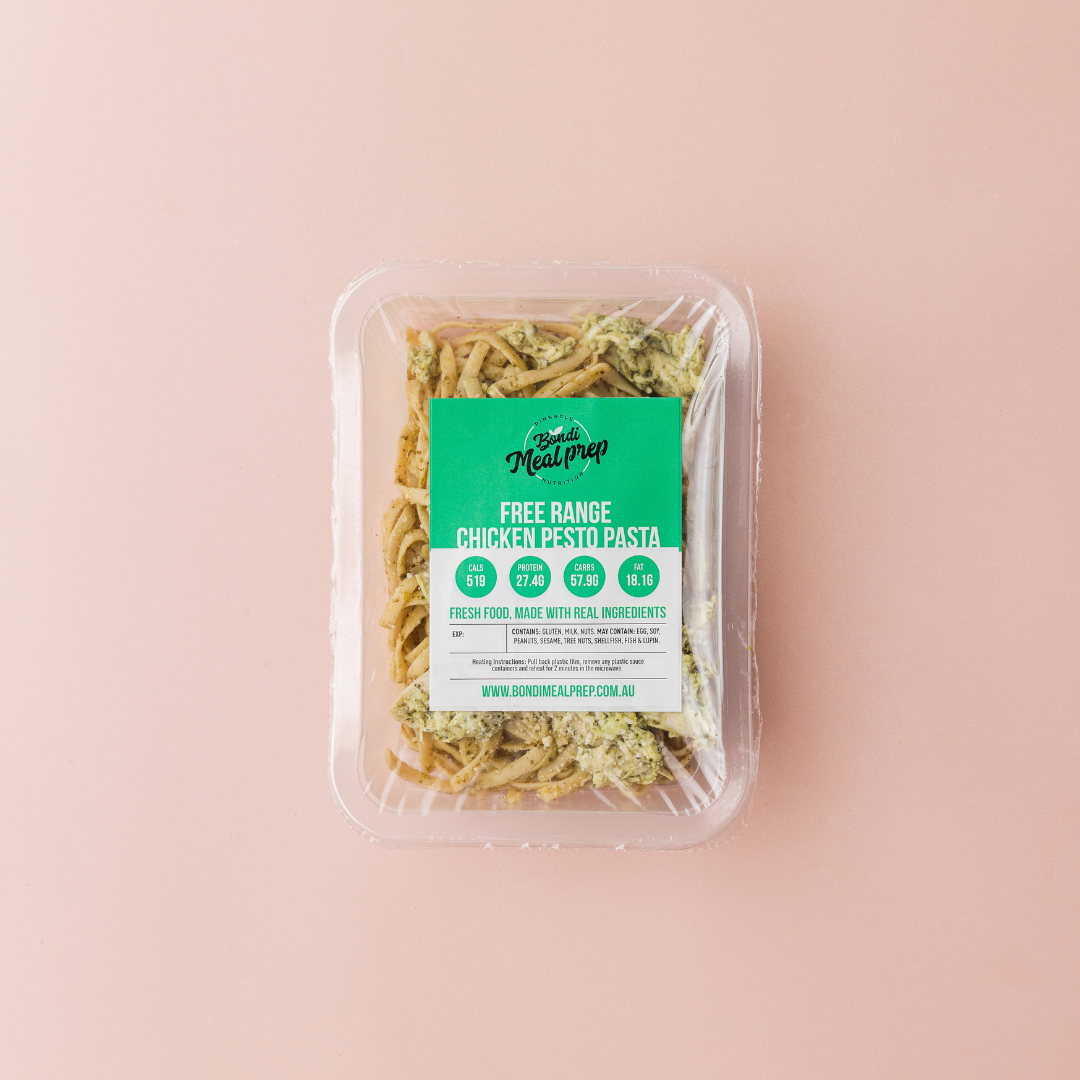
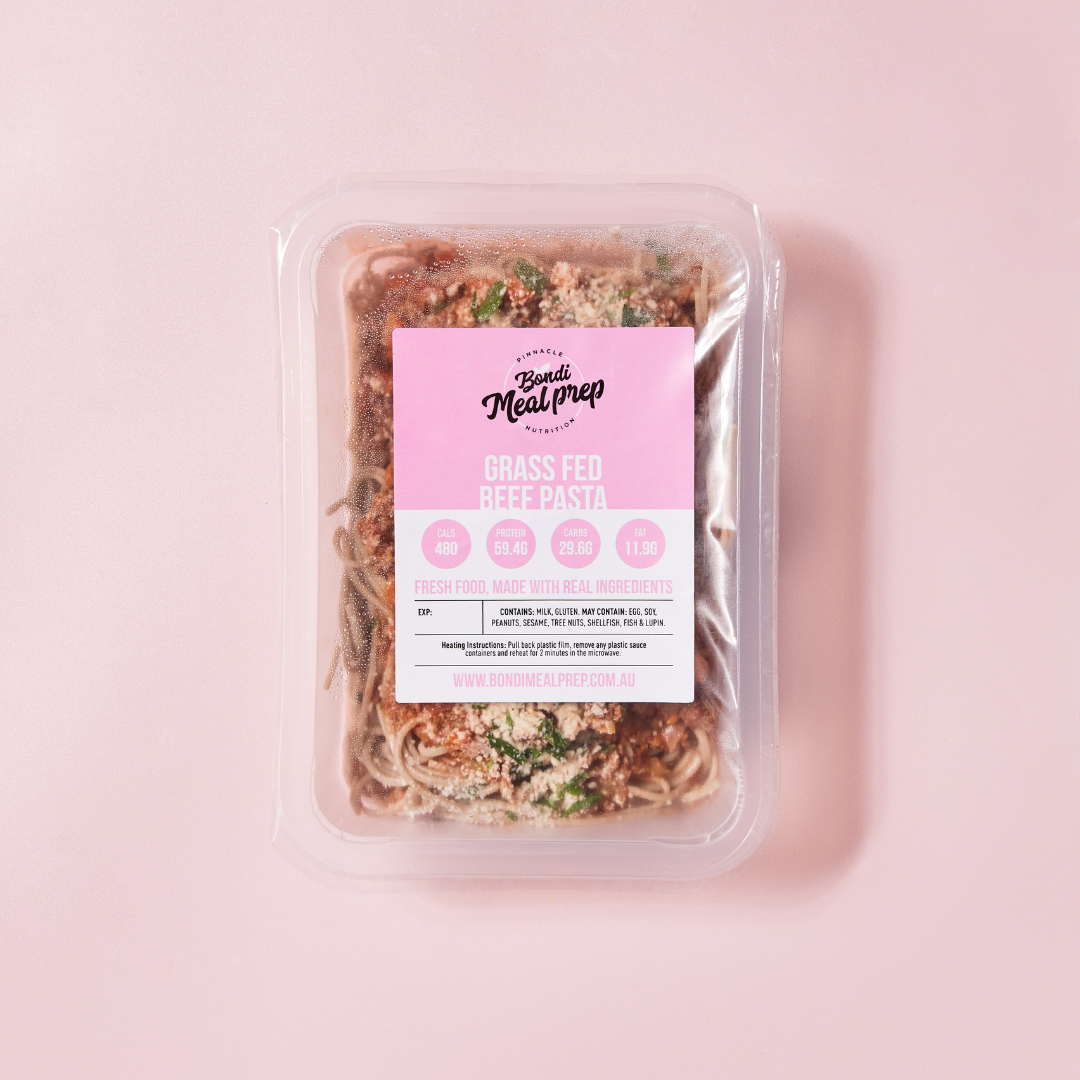
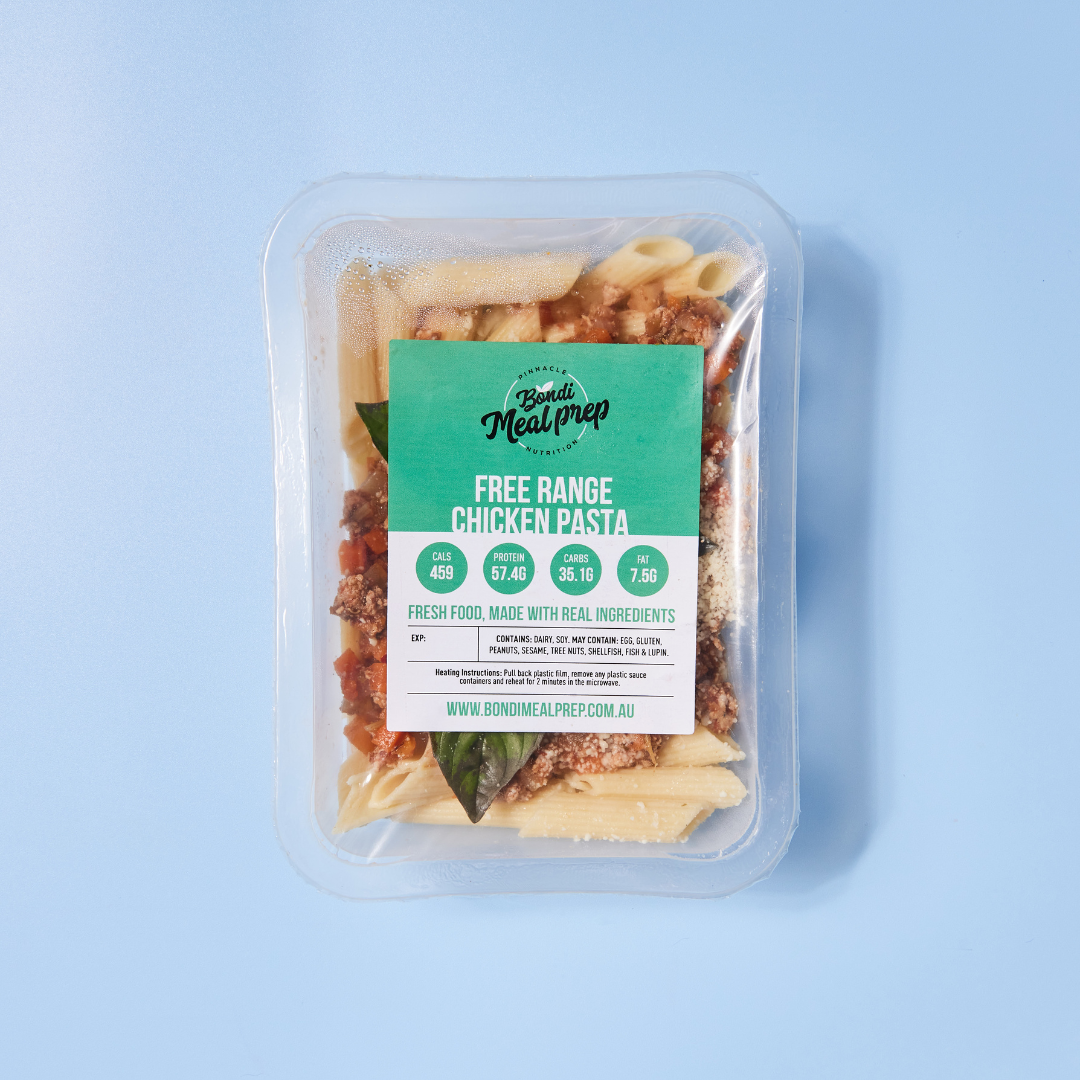
Bondi Meal Prep's No Added Gluten Meals are packed with fibre and all the nutrients you need to eat well and feel the best version of yourself.
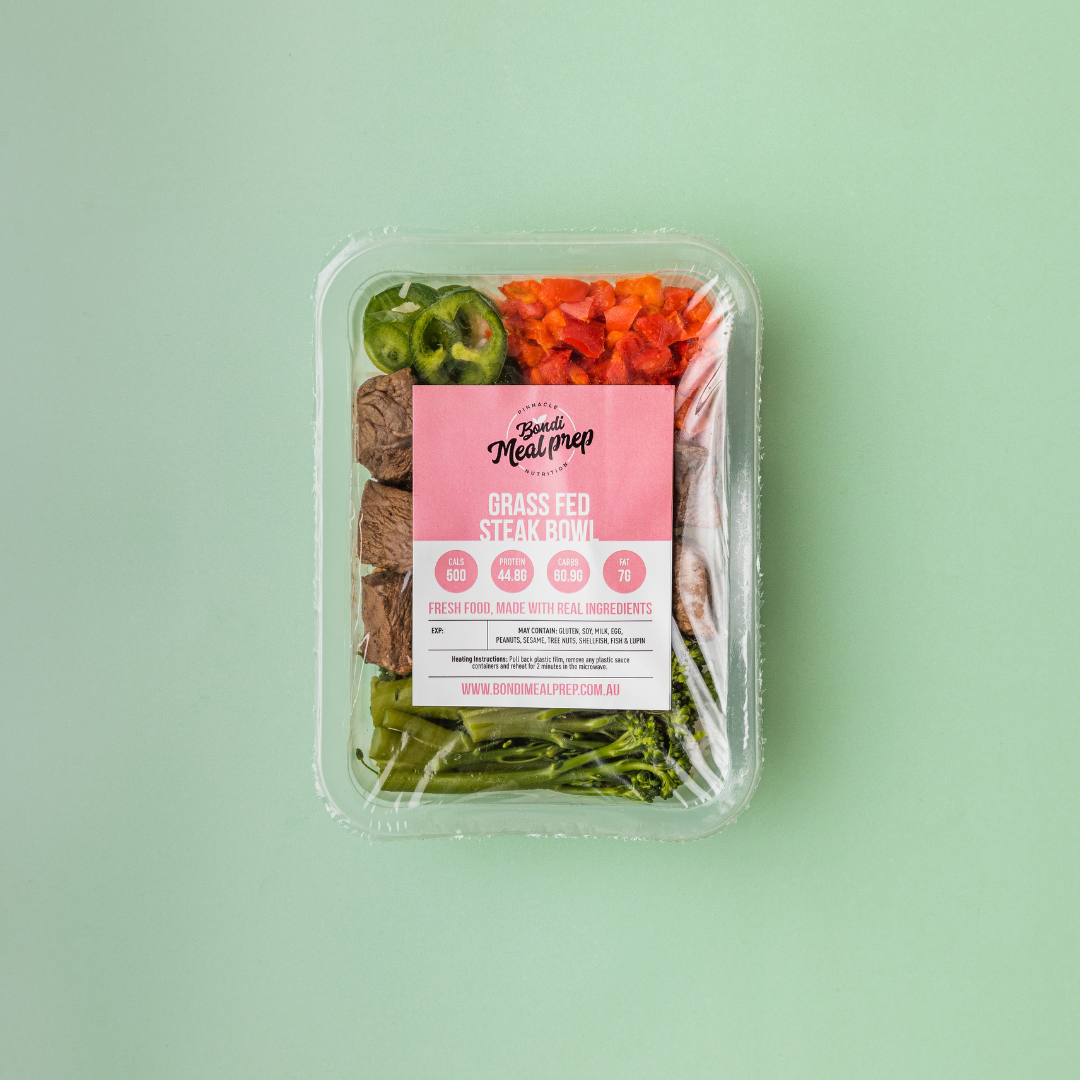
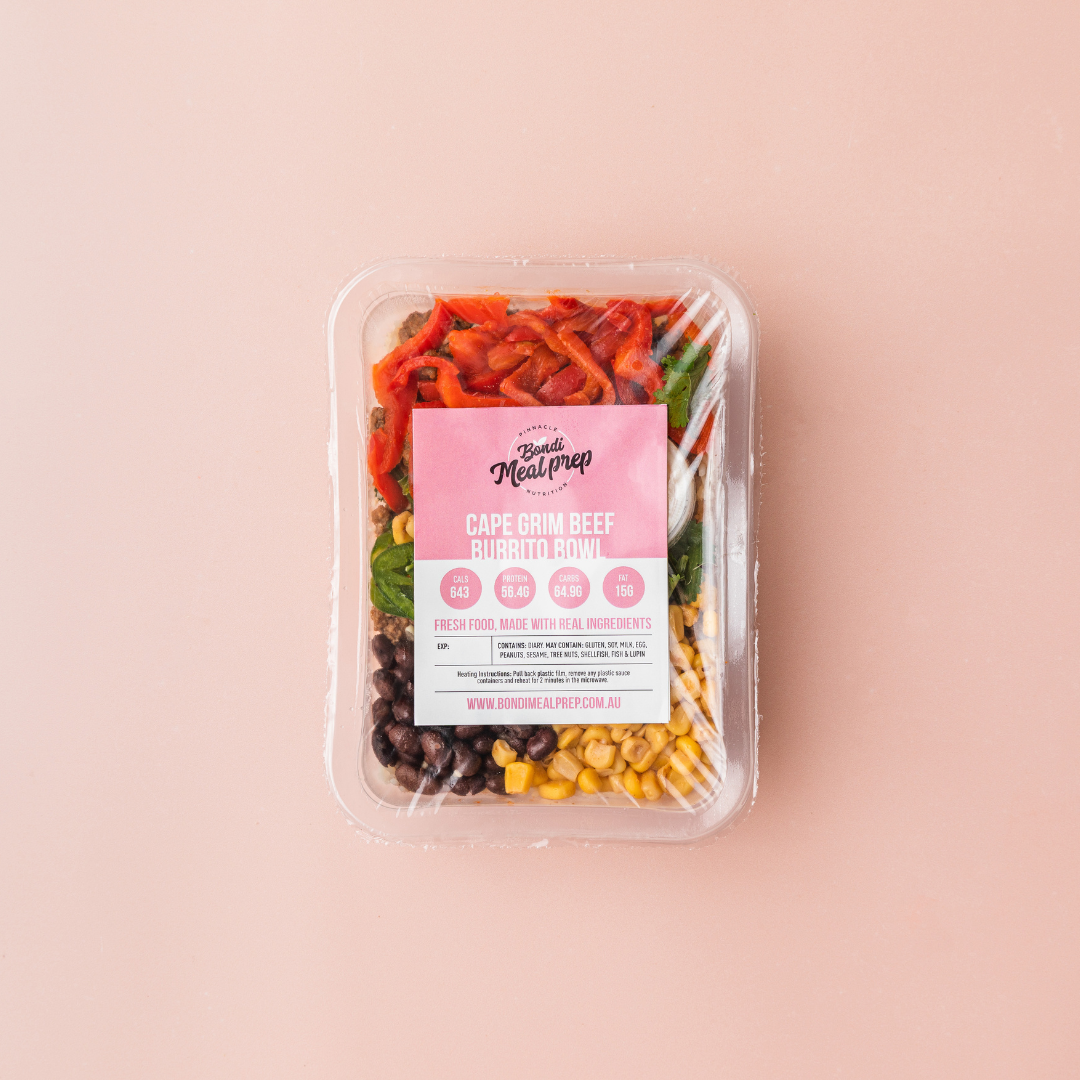
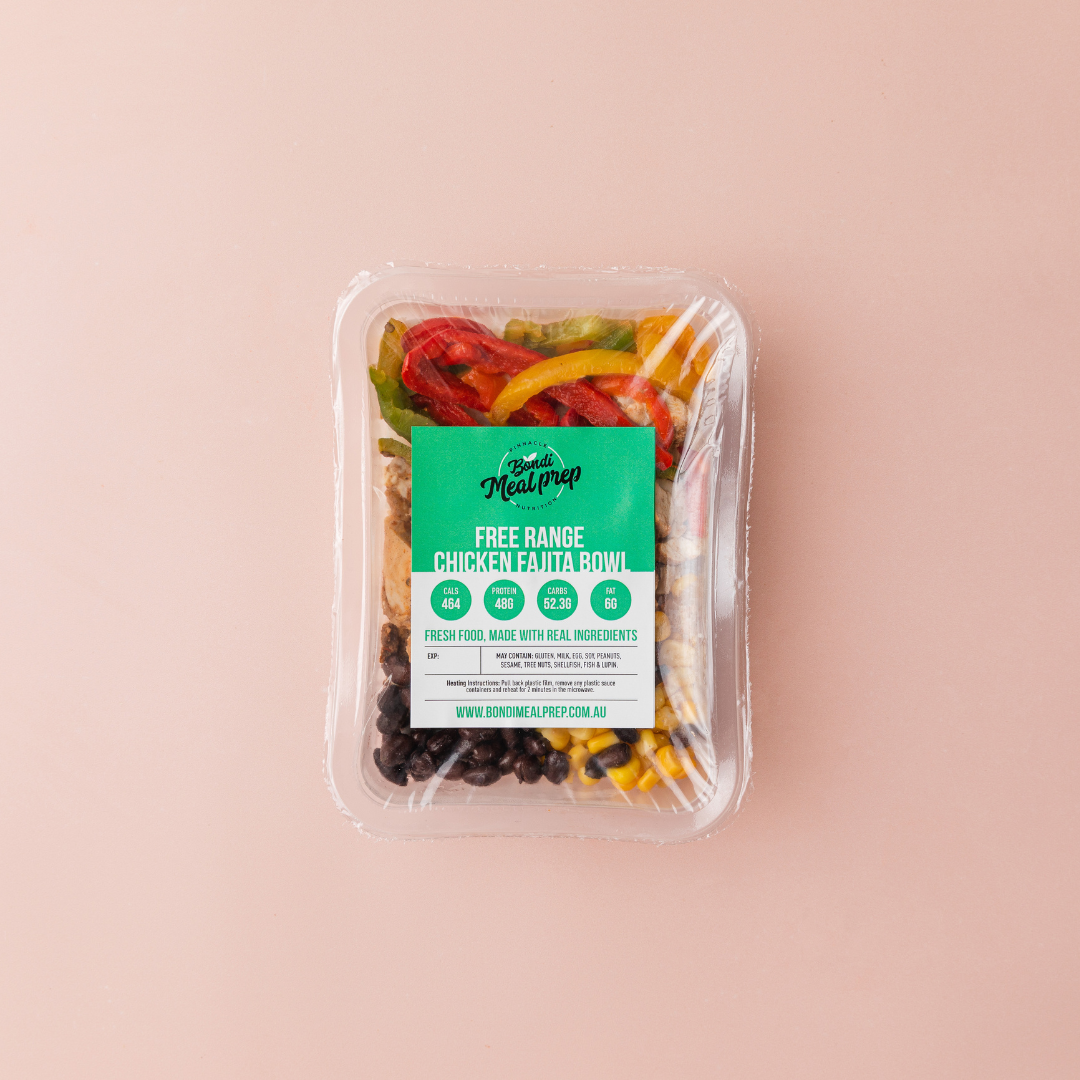
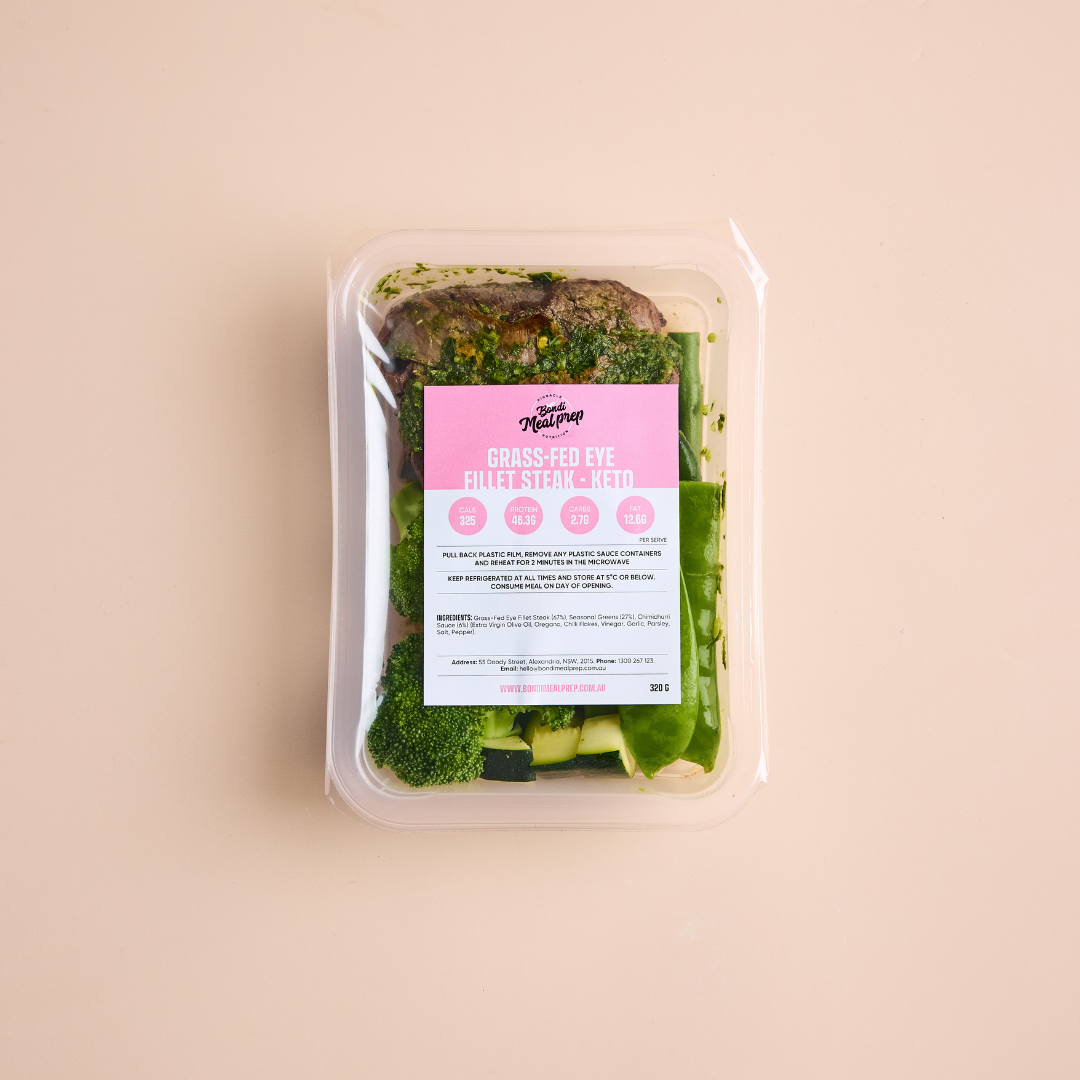
The Free Range Chicken Fajita Bowl and Grass-Fed Beef Burrito Bowl are both loaded with black beans, corn and capsicum alongside basmati rice, while the Grass Fed Steak Bowl pairs broccolini and capsicum with a hearty 40.3g of protein per serve.
The Humpty Doo Barramundi & Organic Black Rice and Grass-Fed Lamb & Broccoli Rice both bring seasonal greens and organic black rice or broccoli rice into the mix too.
Every meal arrives chef-crafted, fresh, and ready to eat in around two minutes, with whole ingredients and no artificial flavours, preservatives, or fillers.
Real food, made by real people, with no added gluten and heaps of fibre. If you’re tempted to explore the menu and place an order, trust your gut. It’s been trying to tell you what it needs all along!
Frequently Asked Questions
Does eating gluten-free reduce your fibre intake?
Without careful adjustments, going gluten-free can reduce your daily fibre intake. Wheat, rye and barley products, including wholemeal bread, wheat pasta and standard breakfast cereals, are reliable sources of fibre in a typical diet. You should aim to replace these with gluten-free wholefoods, rather than refined, low-fibre gluten-free alternatives.
What is the best source of fibre on a gluten-free diet?
Legumes are hard to beat for a gluten-free source of fibre, with a single cup of cooked lentils, chickpeas or black beans delivering well over 10g of fibre. Naturally gluten-free grains like quinoa and buckwheat, plus chia seeds, flaxseed and vegetables, are also excellent choices for a high-fibre, gluten-free diet.
Are oats gluten-free?
Oats are naturally gluten-free, but they're frequently cross-contaminated with wheat, rye or barley during farming or processing. For coeliac disease or a strict gluten-free diet, Australian food law prohibits any kind of gluten-free claim when it comes to oats, unlike many other countries where certified gluten-free oats are readily available in the average supermarket.
How much fibre should I eat each day?
According to Eat For Health, Australian adults should aim for roughly 25g of fibre a day for women and 30g for men. Better Health Channel notes most Australians currently manage only 20 to 25g, so falling a little short is common, gluten-free or not.
Can eating too little fibre cause digestive issues on a gluten-free diet?
Low fibre intake is commonly linked to constipation, bloating and irregular digestion. If you've recently gone gluten-free and noticed digestive changes, it's worth checking whether your fibre intake has dropped along with the gluten. You should add more legumes, gluten-free wholegrains and vegetables to your daily meals and monitor for improvement.
Is a gluten-free diet necessary if I don't have coeliac disease?
If you’re not a coeliac, eating gluten-free is not medically necessary unless a health professional has advised it for gluten sensitivity or another diagnosed condition. Some people choose to reduce gluten for lifestyle or digestive comfort reasons. For guidance specific to your own health, it's best to speak with a GP or dietitian, or consult the free resources available via Coeliac Australia.