
Two labels, one aisle, and a whole heap of confusion. "No added gluten" and "gluten free" seem to indicate something similar. But under Australian food law, they're two entirely different claims with two very different safety profiles. Many people ignore the precise wording and grab whatever says "free" somewhere on the packaging, which could be a big mistake.
If you're avoiding gluten for coeliac disease, a gluten sensitivity, or your own lifestyle reasons, understanding what distinguishes these claims is more than pedantic label-reading. It changes what's safe to eat, what's safe to cook with, and how carefully you need to plan your meal prep. It's a five-second read that could save you and your tummy a very uncomfortable few days. Let's clarify the difference once and for good!
The Short Answer
"Gluten free" is a strictly regulated claim in Australia that requires no detectable gluten in the finished product, verified by lab testing. "No added gluten" means no gluten-containing ingredients were deliberately added to the recipe. However, no added gluten guarantees nothing about the kitchen environment, so trace gluten from cross-contamination is still possible. For coeliac disease, only certified gluten-free foods offer complete safety, and everything else should be approached with caution.
What Does "Gluten Free" Mean In Australia?
Under the Food Standards Code, "gluten free" is a legal claim with a very high bar to clear. To use the words "gluten free" on a label, a product must:
-
Contain no detectable gluten, tested using Sandwich ELISA methods with a limit of detection of roughly 3 to 5ppm
-
Contain no oats or oat products at all, regardless of whether they're pure or certified
-
Contain no gluten-containing cereals that have been malted, or ingredients derived from them
Australia's standard is one of the strictest in the world. Countries like the US and UK allow a "gluten free" claim up to 20ppm of gluten. Here, it has to be undetectable.
A "gluten free" claim also can't be paired with a cross-contamination disclaimer like "may contain traces of gluten," so if a product carries the claim, Australian food law expects it to be scientifically proven without any caveats.
There's also a middle category most people have never heard of. "Low gluten" is a separate, legally defined claim for products containing no more than 200ppm of gluten. It's an official category under the Food Standards Code, but it’s explicitly not suitable for coeliac disease. This one is definitely for anybody avoiding or reducing gluten for lifestyle reasons.
What Does "No Added Gluten" Mean?
"No added gluten" is an altogether different claim. It means the food producer hasn't deliberately added any gluten-containing ingredients, such as wheat, rye, barley or malt, to the recipe. What it doesn't mean is that the product has been tested, or that it was made somewhere that doesn’t handle gluten.
Plenty of great, honest food falls into this category. A shared commercial kitchen that also prepares dishes containing gluten simply can't back a "no detectable gluten" claim, even if every single ingredient on the label is naturally gluten-free.
"No added gluten" is the best way to describe that situation, rather than stretching a "gluten free" claim that the food producer simply can't stand behind.

Gluten Free vs No Added Gluten vs Low Gluten
For easy reference, here’s how these three claims compare.
|
Gluten-Free |
No Added Gluten |
Low Gluten |
|
|
What it claims |
No detectable gluten in the finished product |
No gluten-containing ingredients added to the recipe |
No more than 200ppm of gluten |
|
Verified by |
Lab testing (Sandwich ELISA) |
Recipe and ingredient review, not testing |
Lab testing |
|
Kitchen environment |
Must have no cross-contamination risk to carry the claim |
May be a shared kitchen |
Varies |
|
Suitable for coeliac disease |
Generally yes, especially with Coeliac Australia endorsement |
Ask the provider directly about their kitchen setup |
Explicitly not suitable |
|
Suitable for gluten sensitivity or lifestyle avoidance |
Yes |
Usually yes |
Usually yes |
The Cross-Contamination Issue
Cross-contamination (sometimes called cross-contact) happens when gluten-free food picks up traces of gluten from shared equipment, surfaces or storage. It can happen at almost any stage:
-
Ingredients stored together in the same fridge or cool-room
-
A shared chopping board, colander or oven
-
The same oil used to fry a battered dish
-
A packaging process performed on a shared line
Here's a cross-contamination labelling quirk you should definitely wrap your brain around. Precautionary statements like "may contain traces of gluten" are entirely voluntary in Australia. According to Food Standards Australia New Zealand, these statements aren't regulated by the Food Standards Code, so their absence doesn't guarantee a product is free of trace gluten.
What is mandatory is the detail of the ingredient list, whereby wheat must always be declared, and barley, oats and rye must be declared if they contain gluten.
For someone with coeliac disease, even very small amounts of gluten can trigger an immune response, according to Coeliac Australia. That's why "no added gluten" isn't normally considered safe for coeliac disease, while a lab-tested "gluten free" claim, especially one carrying Coeliac Australia's endorsement, that removes the trace risk is.
How to Read Labels & Menus
If you're shopping for packaged products or scanning a restaurant’s gluten-free menu, a few label-reading habits go a long way.
Check the ingredient list very carefully. Gluten’s a sneaky little sucker and hides in some surprising places:
-
Sauces, stock and gravy
-
Processed meats and cheeses
-
Malt vinegar
-
Vegemite (yes, that beloved black Aussie spread contains barley and is off limits, but a gluten-free version is available)
Be wary of unregulated marketing terms. "Gluten friendly" has no legal definition under Australian food law, so view it as fluffy marketing language rather than a guarantee. The same goes for partial claims like "99% gluten free," which isn't a recognised claim at all.
There are a few other checks worth adding into your habits:
-
Dried fruit is sometimes dusted with flour to stop it clumping, so take a peek at the back of the pack
-
Health food stores are a great source of certified products, but "natural" or "wholefood" branding on packaging doesn't automatically mean gluten-free
-
Restaurants that list "gluten-free menu items" are a good starting point, but it's always worth asking how they handle shared fryers, grills and prep surfaces before you order. When you order a gluten-free dish, most restaurants will ask if you’re a coeliac so they know to avoid cross-contamination during preparation
The Science Separating Coeliac Disease From Gluten Sensitivity
Coeliac disease is an autoimmune condition where eating gluten damages the small intestine, and even trace amounts can do damage that takes months to heal.
For a diagnosed coeliac, a properly tested "gluten-free" claim, ideally backed by Coeliac Australia endorsement, is the standard to look for. "No added gluten" products need more scrutiny, and a direct question to the food producer about how they mitigate cross-contamination is essential.
Non-coeliac gluten sensitivity tends to be less severe. Many people manage symptoms perfectly well on "no added gluten" foods, since the trace risk that's such a concern for coeliac disease is normally less significant. The same goes for people avoiding gluten by preference, for digestive comfort or as part of a broader eating style, who can normally stomach a little gluten here and there.
This isn't medical advice, so if you're not sure which category applies to you, you should consult your GP or look through Coeliac Australia's resources.
How Gluten Affects Your Meal Prep
The label you're shopping for should also change how you prep.
If you're coeliac, meal prepping means:
-
Sourcing certified "gluten-free" ingredients wherever possible
-
Being strict about cross-contact in your own kitchen (a separate toaster, a dedicated chopping board, and even a "gluten-free first" cooking order can all help)
-
Reading every label on sauces, stocks and spice blends, rather than assuming a naturally gluten-free ingredient remained that way through processing
-
Keeping pantry staples clearly separated if a family member in the house still eats gluten, since cross-contamination is easy with mixed storage
If you're managing a sensitivity or avoiding gluten by choice, "no added gluten" products give you a lot more flexibility:
-
You're generally swapping gluten-containing grains out of recipes for naturally gluten-free ones like rice, quinoa and buckwheat, rather than restricting yourself to certified, tested products for every last ingredient
-
Batch cooking is simpler in this category, since a clean shared kitchen or a well-labelled pantry is usually a good enough standard of risk management
Of course, one of the biggest meal prep challenges is knowing what to prep in the first place. If you’re short on inspiration, you can dig into our delicious 28 Gluten-Free Lunch Ideas.
Taste What’s Cooking in Our Kitchen!
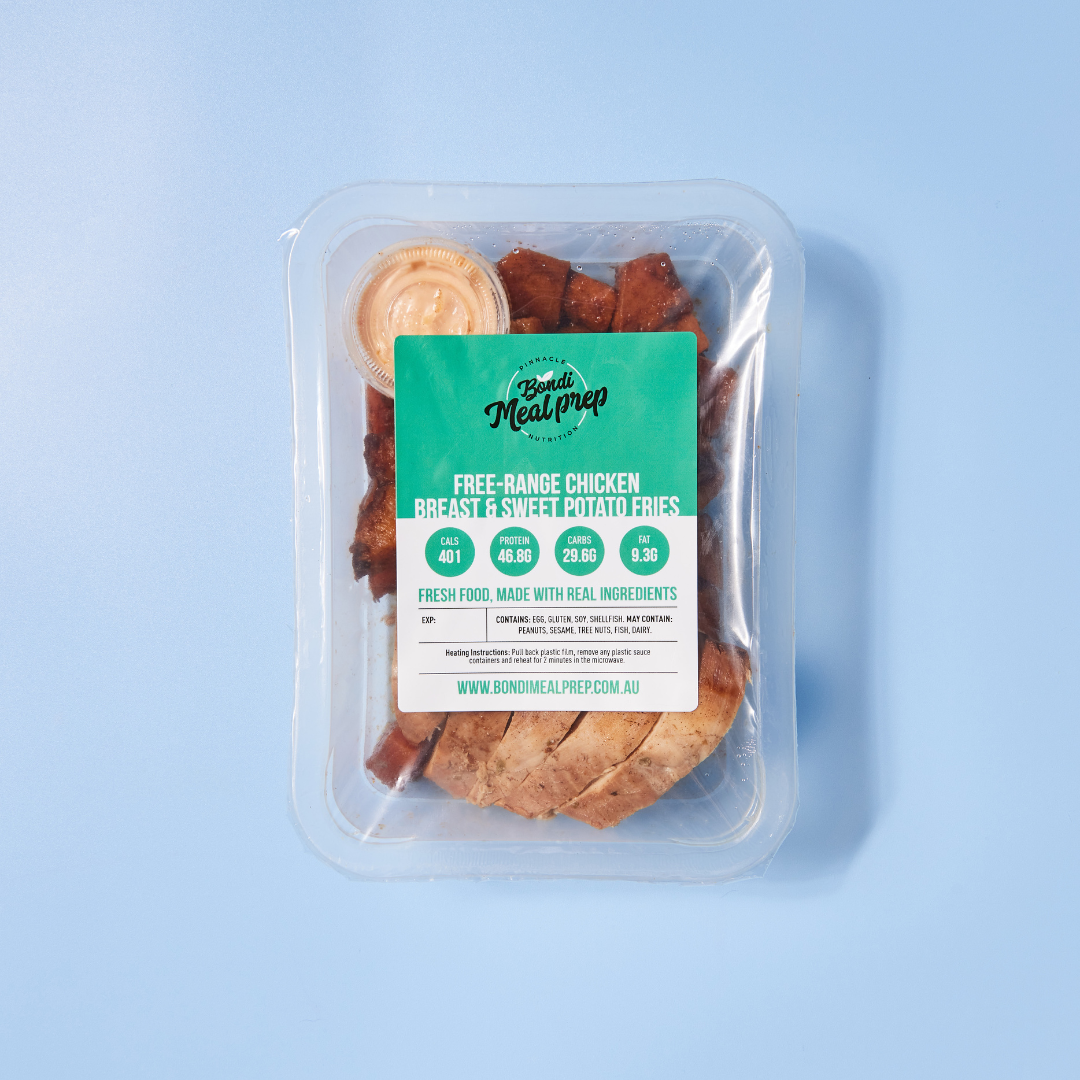
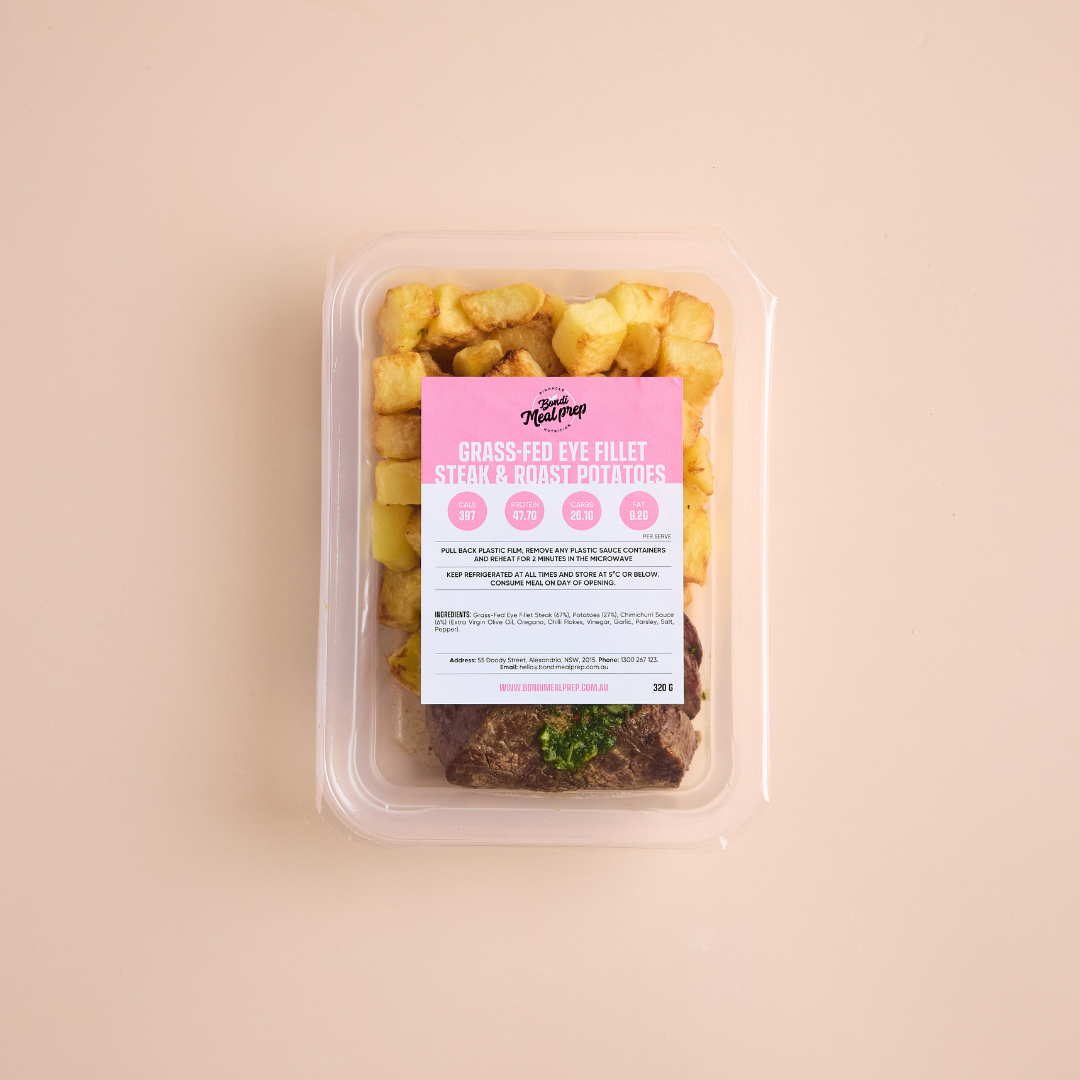
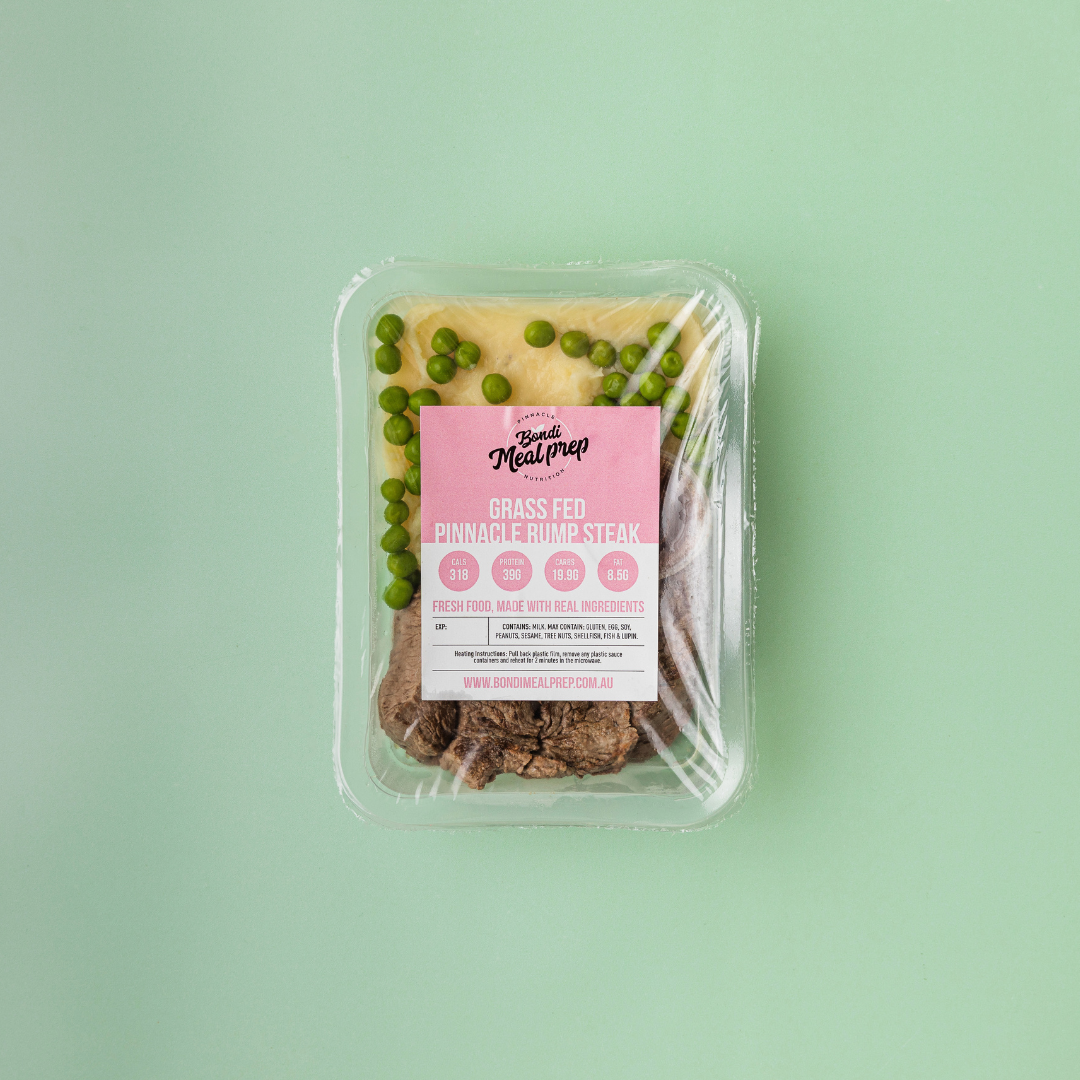
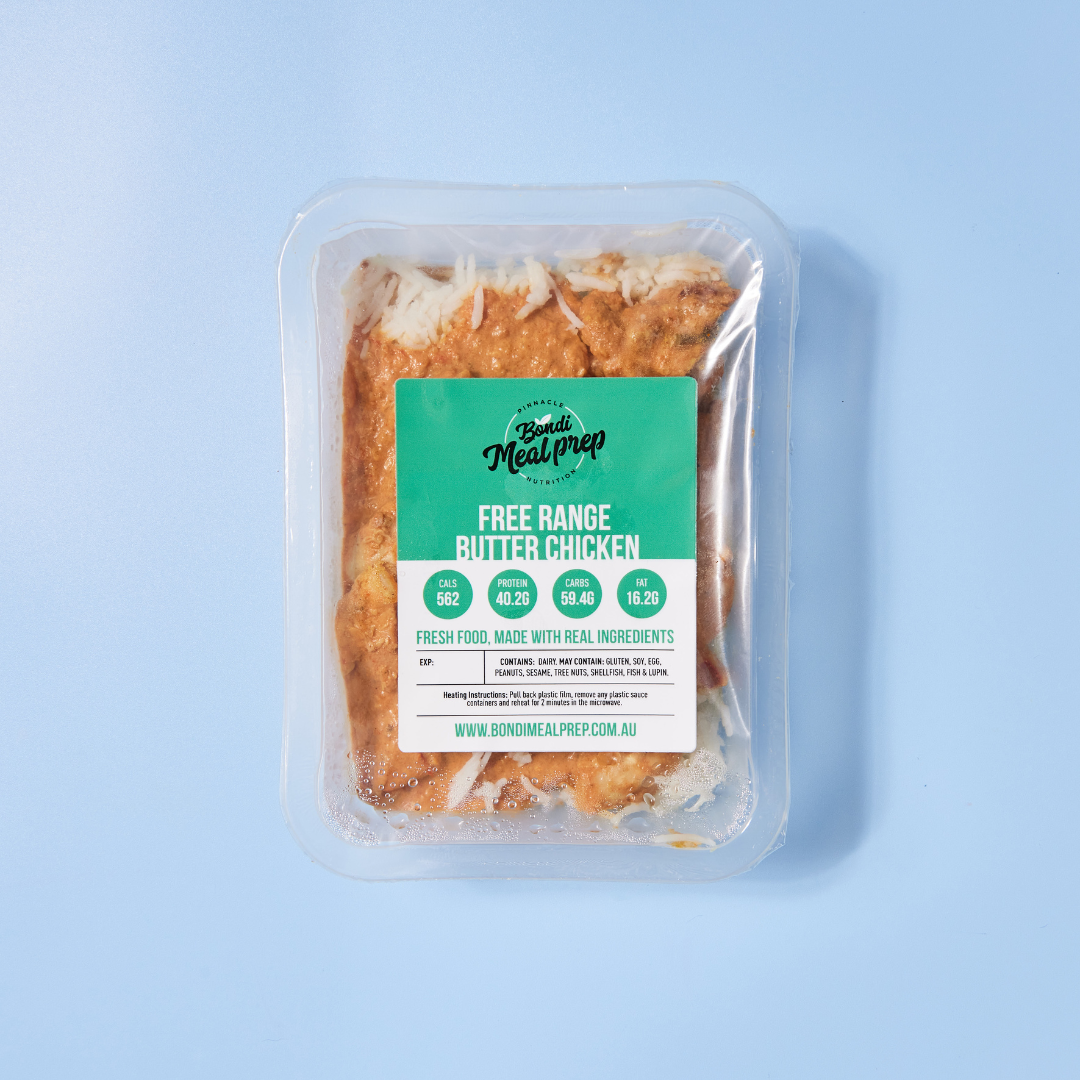
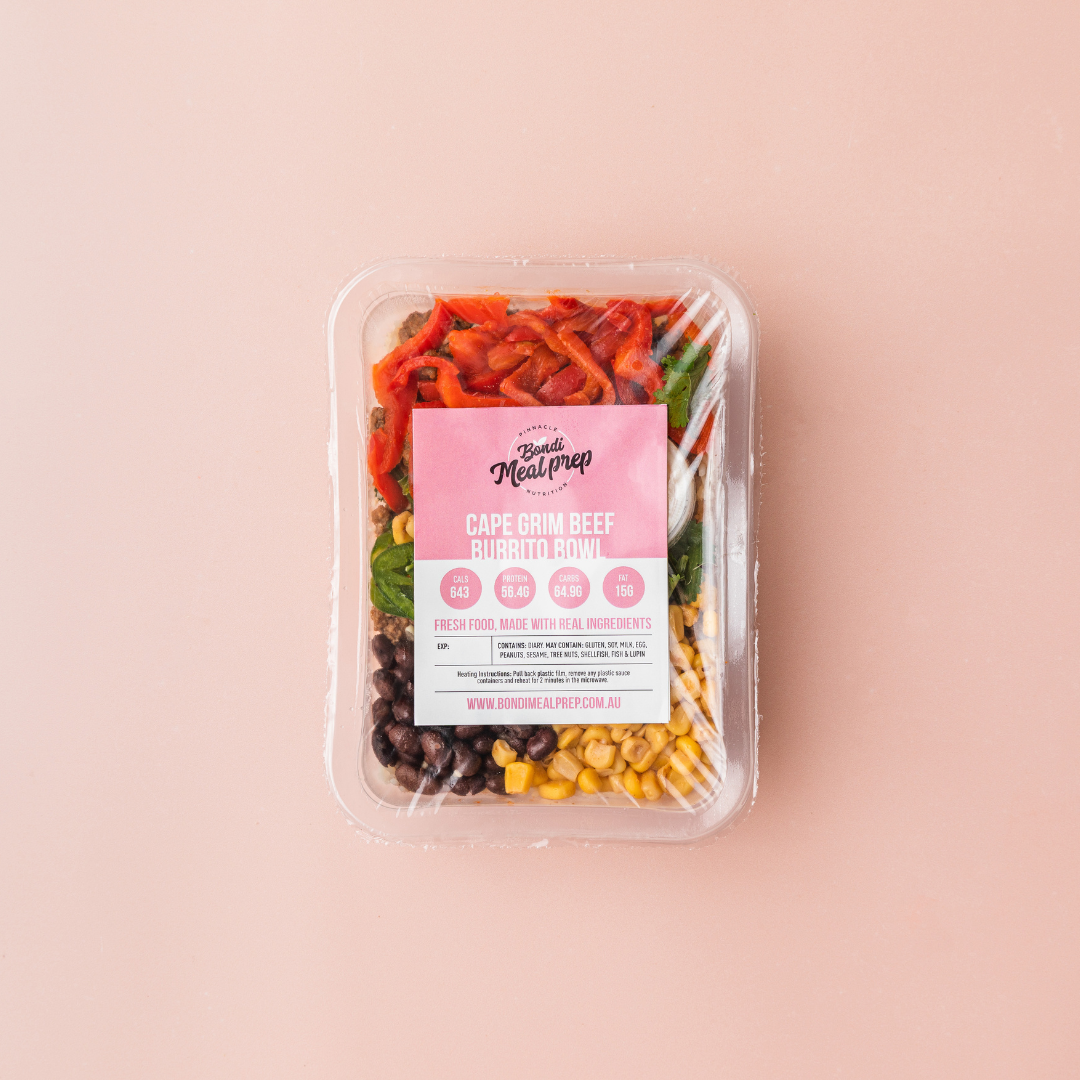
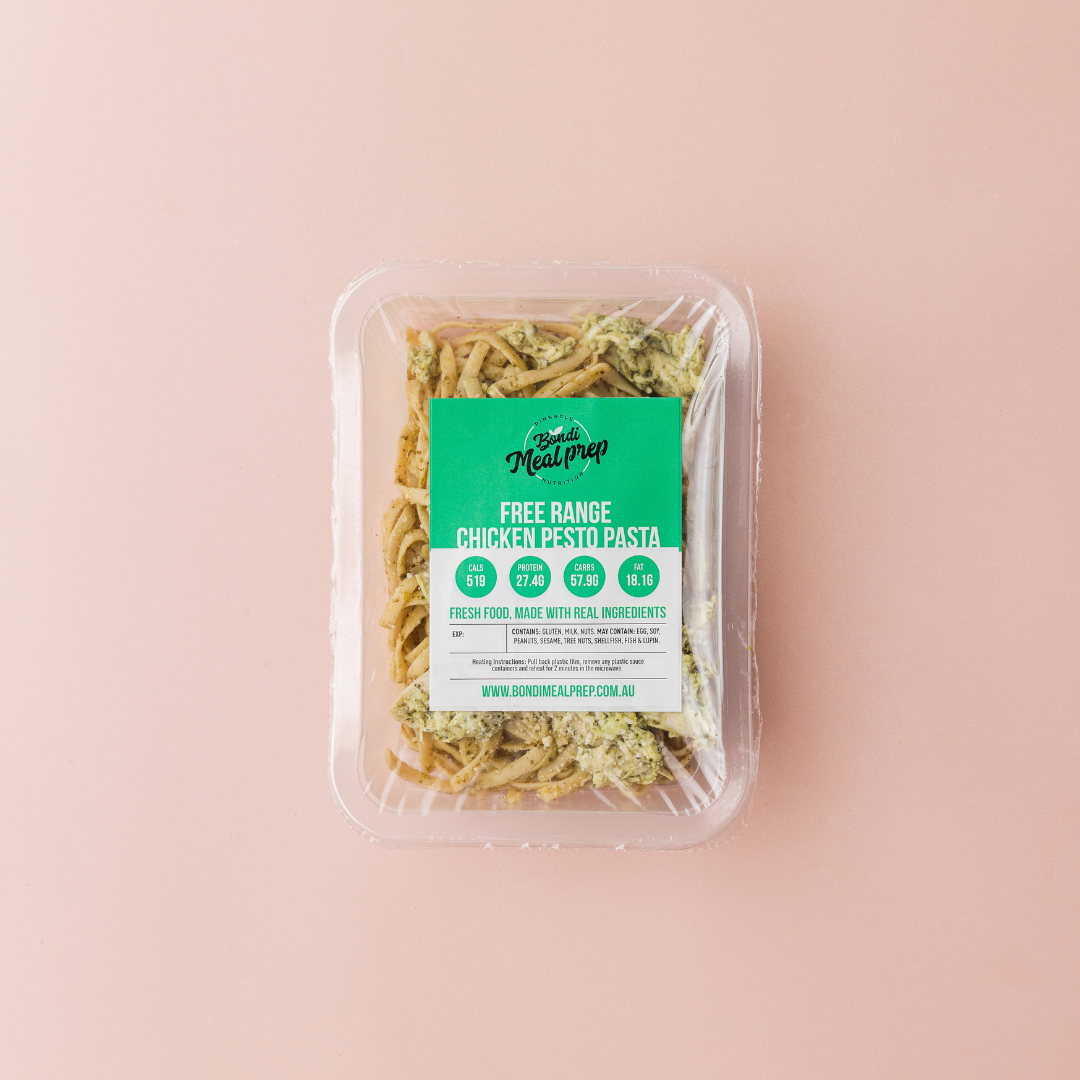
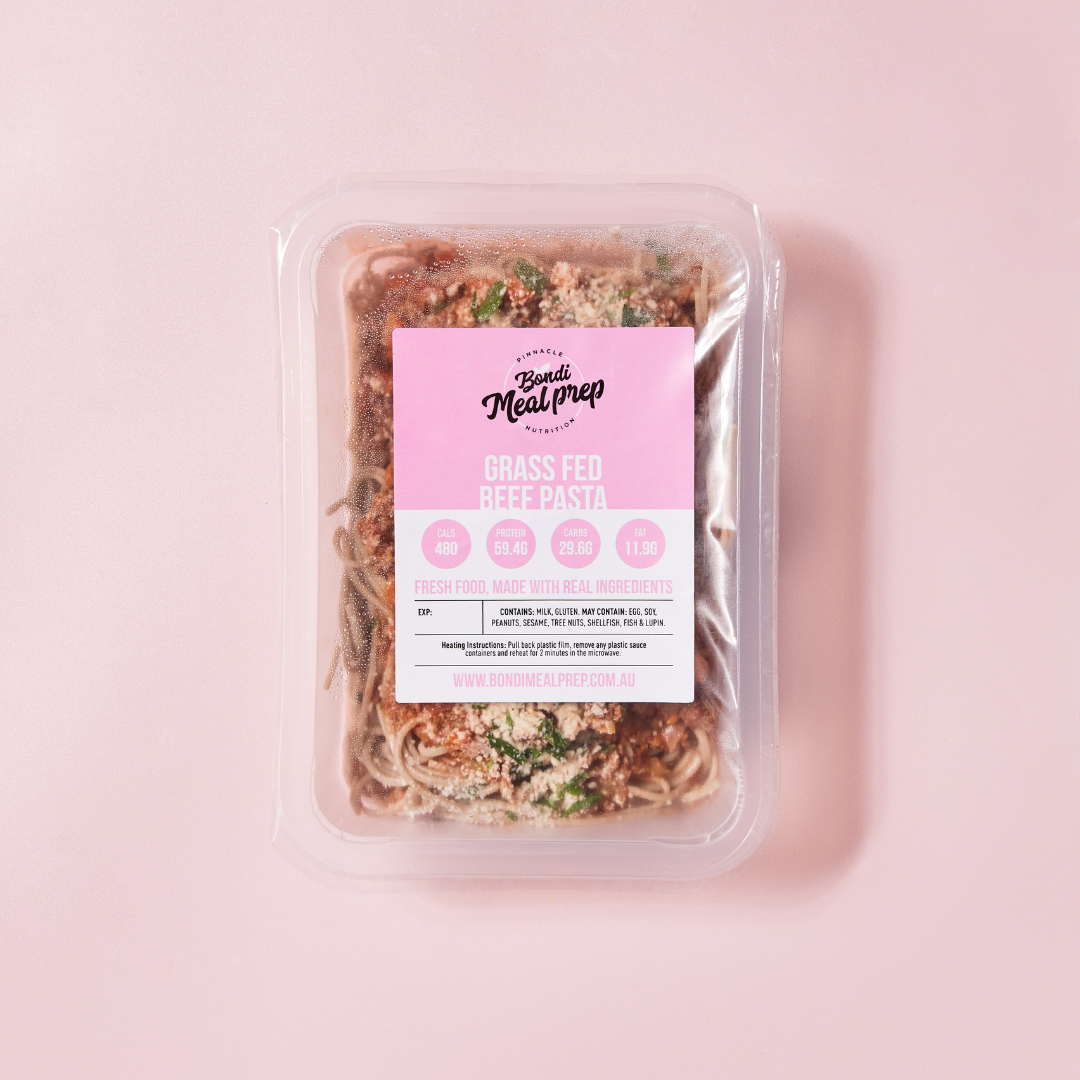
Good, honest food starts with transparency about how it was produced. Bondi Meal Prep meals are labelled "no added gluten," not "gluten free", following the exact framework outlined above.
Our kitchen also prepares dishes containing gluten, so we can't back the tested, no-detectable-gluten claim, and we're not going to pretend otherwise.
If you're a diagnosed coeliac, read our full allergen disclaimer and check with your GP or Coeliac Australia before placing an order.
For everyone managing a sensitivity or choosing to avoid gluten, Bondi Meal Prep's No Added Gluten Meals are nutritionist-designed for your specific needs. There’s a wide range of options to choose from, all packed with flavour and nutrients your taste buds and body will love.
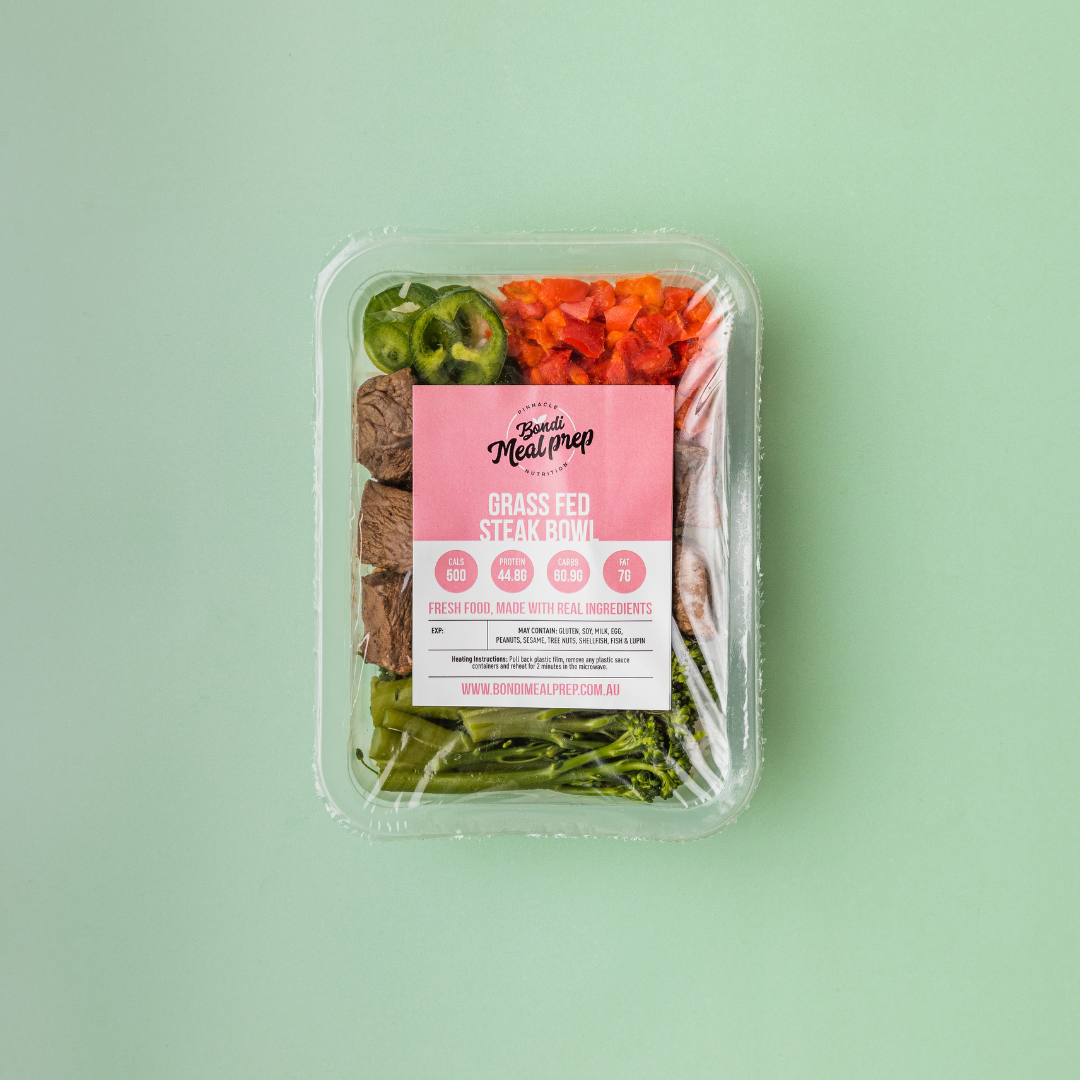
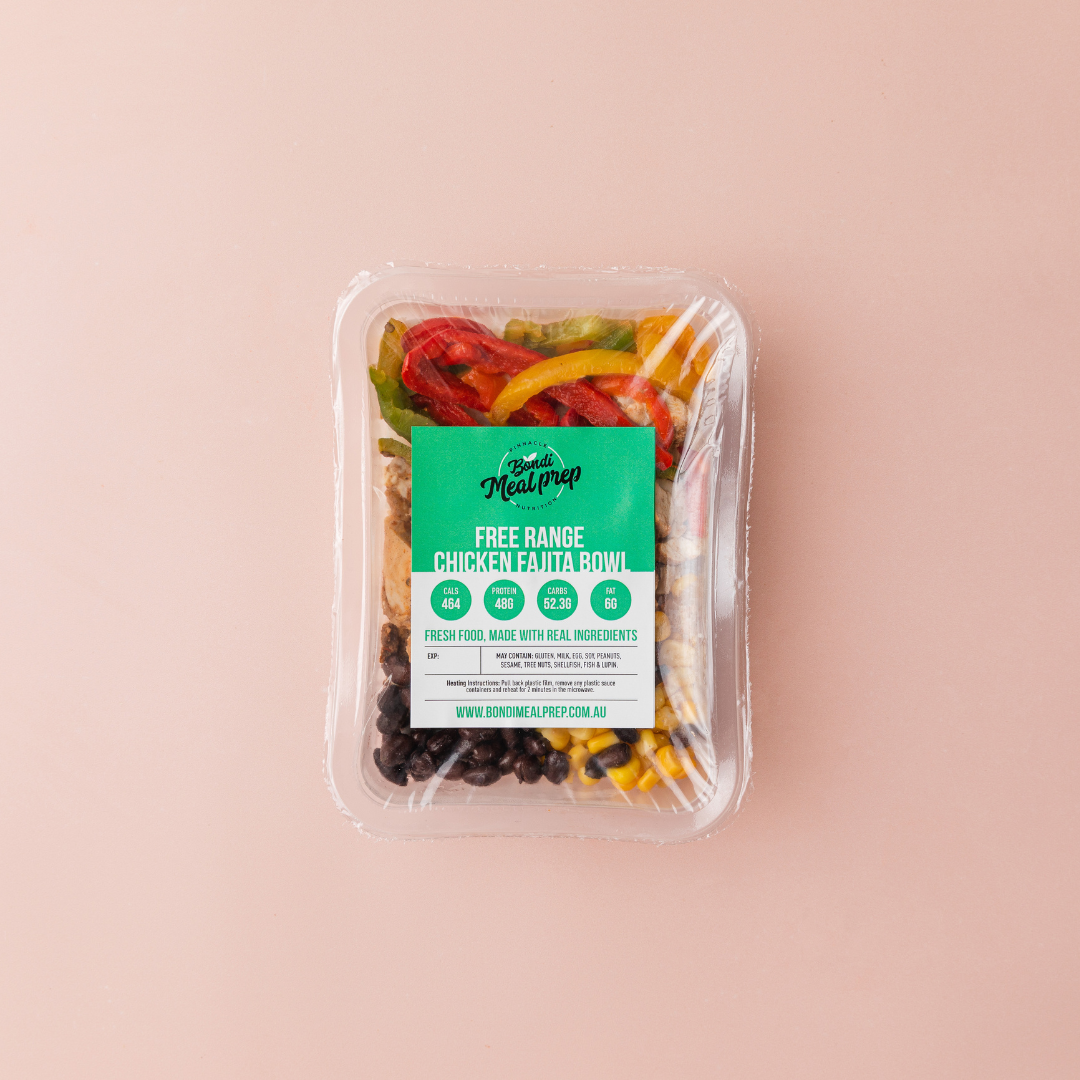
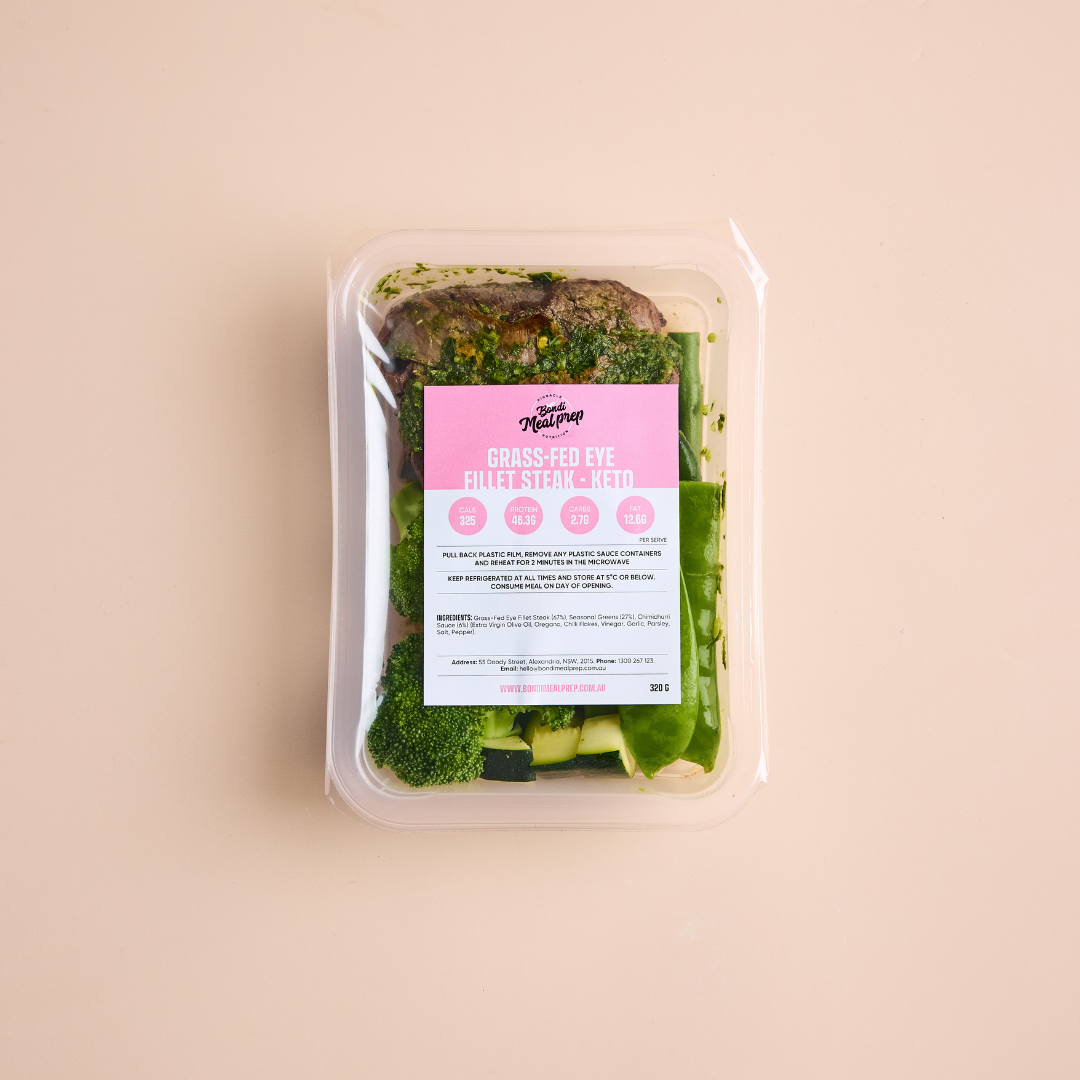
The Free Range Chicken Fajita Bowl and Grass-Fed Beef Burrito Bowl are built on basmati rice, black beans, corn and capsicum, rather than gluten-containing grains. The Humpty Doo Barramundi & Organic Black Rice swaps in organic black rice and seasonal greens, and the Grass-Fed Steak Bowl pairs broccolini and capsicum with a hefty 40.3g of protein per serve.
No cooking, no label detective work on a Tuesday night, and no gluten-containing ingredients anywhere on the recipe. Just chef-crafted meals delivered fresh to your door, ready in two minutes.
Explore the No Added Gluten Meals range and discover what's cooking in our kitchen this week!
Frequently Asked Questions
Is "no added gluten" the same as "gluten free"?
"No added gluten" and "gluten free" are not the same claim. "Gluten free" is a tested, legally regulated claim requiring no detectable gluten in the finished product, while "no added gluten" means no gluten-containing ingredients were deliberately used, but it doesn't guarantee the product is free of trace gluten from a shared kitchen.
Is "no added gluten" safe for coeliac disease?
"No added gluten" is not a reliably safe claim for coeliac disease. Coeliac disease requires strict avoidance of even very small amounts of gluten, so a strictly tested "gluten free" claim, ideally with Coeliac Australia endorsement, is the safer standard. "No added gluten" products should be checked directly with the provider before a diagnosed coeliac orders them.
What foods are naturally gluten free?
Naturally gluten-free foods include rice, corn, quinoa, buckwheat, most fruits and vegetables, legumes, eggs, fish, meat and dairy, all in their unprocessed form. The risk usually comes in afterwards, through processing, shared equipment, or added ingredients like sauces and stock that sneak gluten into an otherwise safe ingredient list.
Why can't oats be labelled gluten-free in Australia?
Oats can't be labelled gluten-free in Australia because the Food Standards Code's definition of gluten-containing grains includes oats, so even certified pure oats fall outside the claim. This is stricter than some other countries, which allow certified gluten-free oats.
What does "may contain traces of gluten" mean?
"May contain traces of gluten" is a voluntary warning, not a government-regulated claim. Food businesses use it to flag a cross-contamination risk during manufacturing, but the Food Standards Code doesn't require it, so its presence or absence isn't a reliable safety guarantee on its own.
Is "gluten friendly" a legitimate certification?
"Gluten friendly" is not a legitimate certification. It's a marketing term with no legal definition under Australian food law, unlike "gluten free" and "low gluten," which are both strictly defined. Treat it as a general indication rather than a guarantee.