
Gluten-free meal prep sounds simple enough until you're standing in the supermarket aisle reading the back of a stock cube at 8 pm on a Wednesday. In reality, eating a gluten-free or low-gluten diet takes more planning and more kitchen discipline than most meal prep guides let on. This Bondi Meal Prep guide gives you all the facts and practical tips needed to make your free-from gluten diet free from stress, too.
Key Takeaways
-
Gluten-free, low-gluten, and no-added-gluten eating all serve different needs. Understanding which category applies to you is a crucial first step in your meal prep approach.
-
Hidden gluten is the biggest trap. Sauces, stocks, marinades, and condiments are some of the most common culprits in Australian kitchens.
-
Cross-contamination is a serious concern for anyone with coeliac disease and worth understanding even for those with a sensitivity.
-
Gut inflammation linked to gluten is increasingly recognised as a contributor to a range of chronic health conditions, not just digestive discomfort.
-
A small repertoire of go-to gluten-free meals you can make without too much effort is more valuable than a hundred elaborate recipes you'll never have the time for.
-
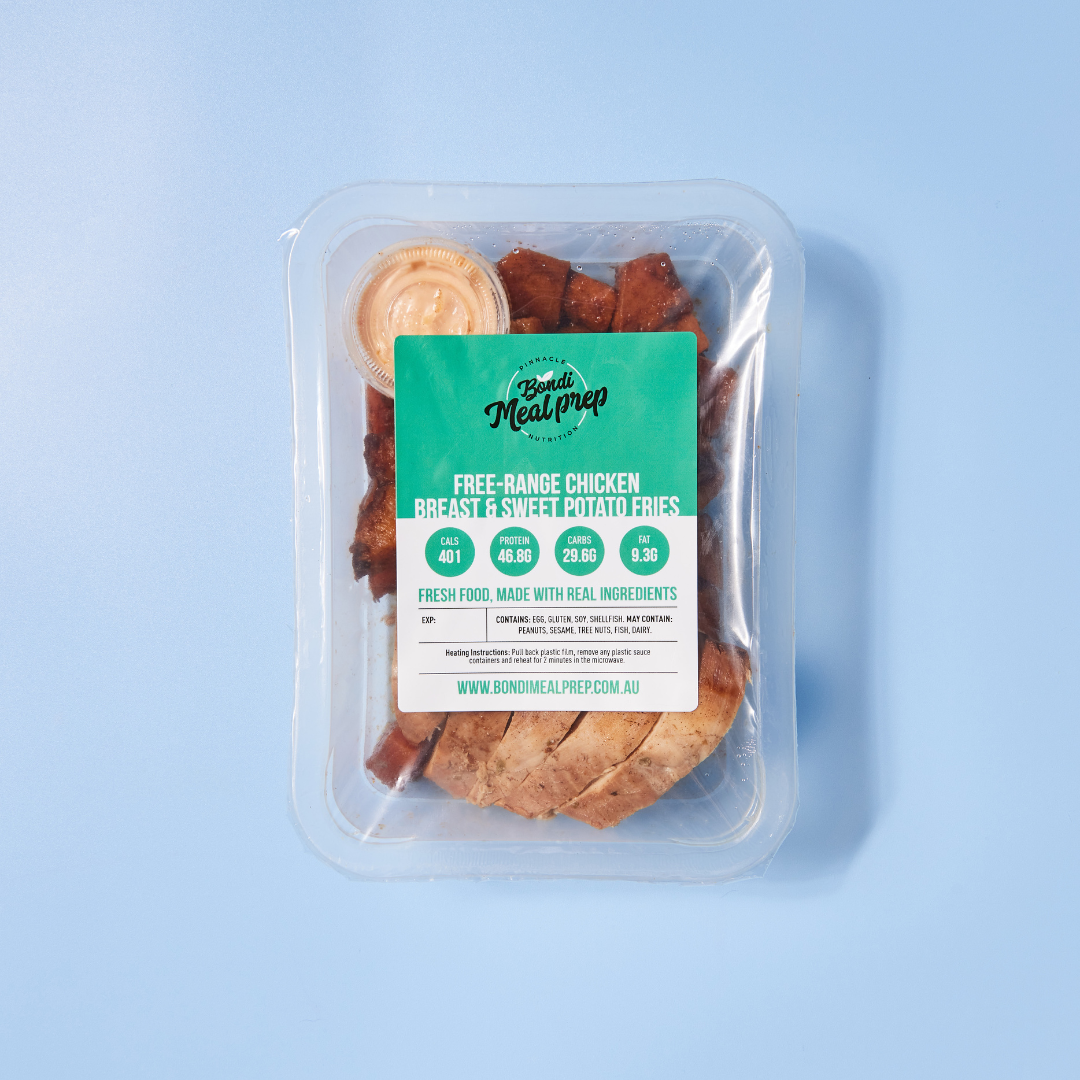
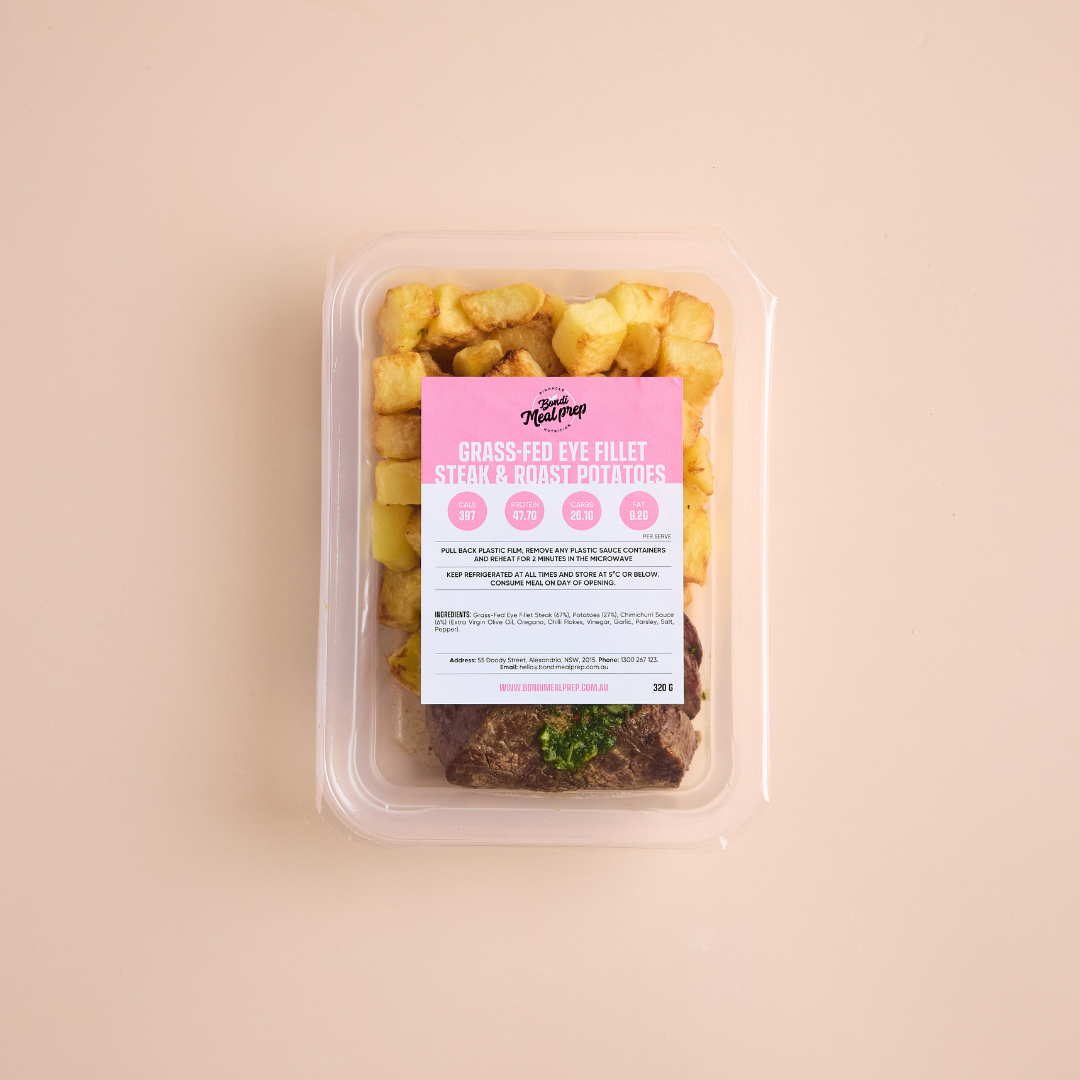
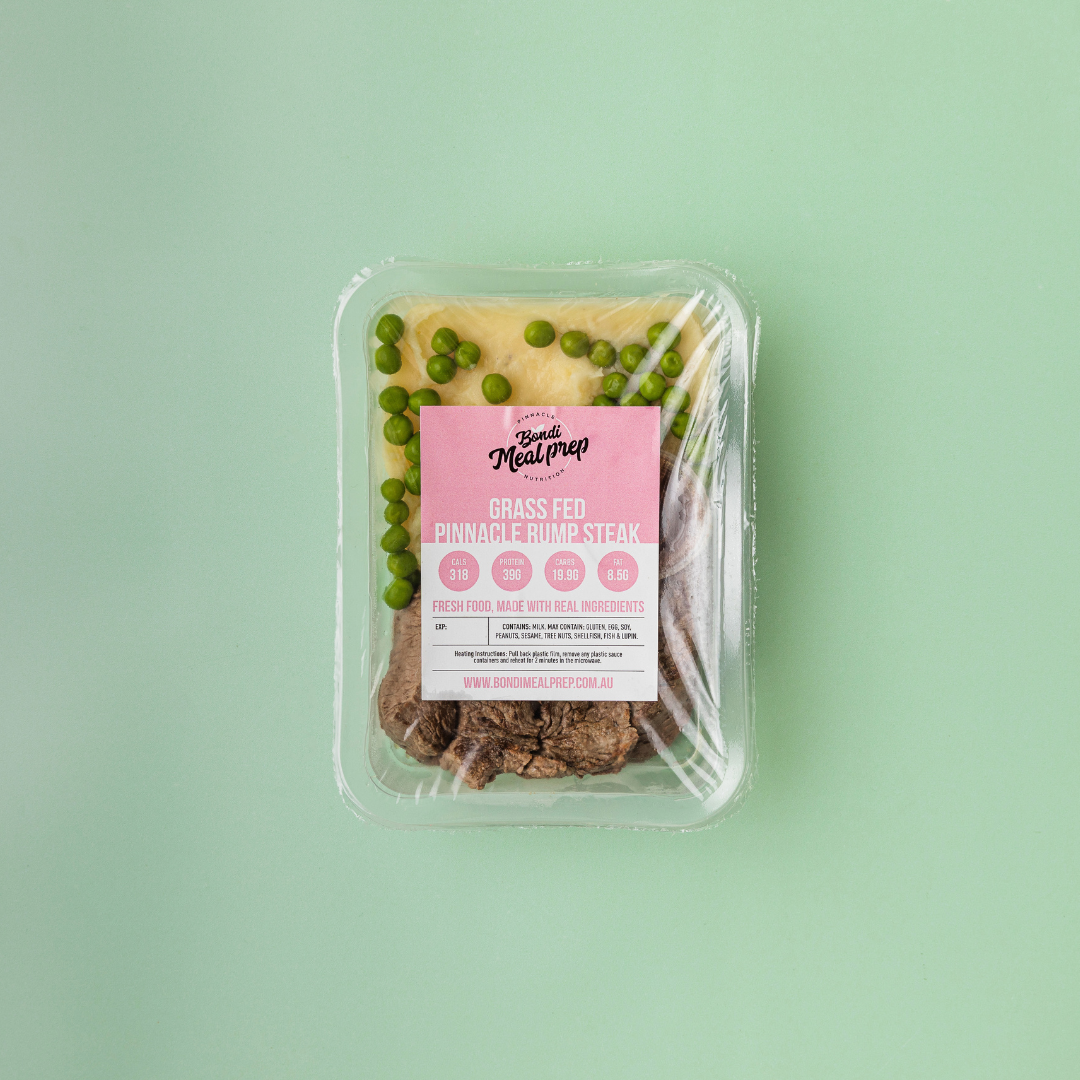
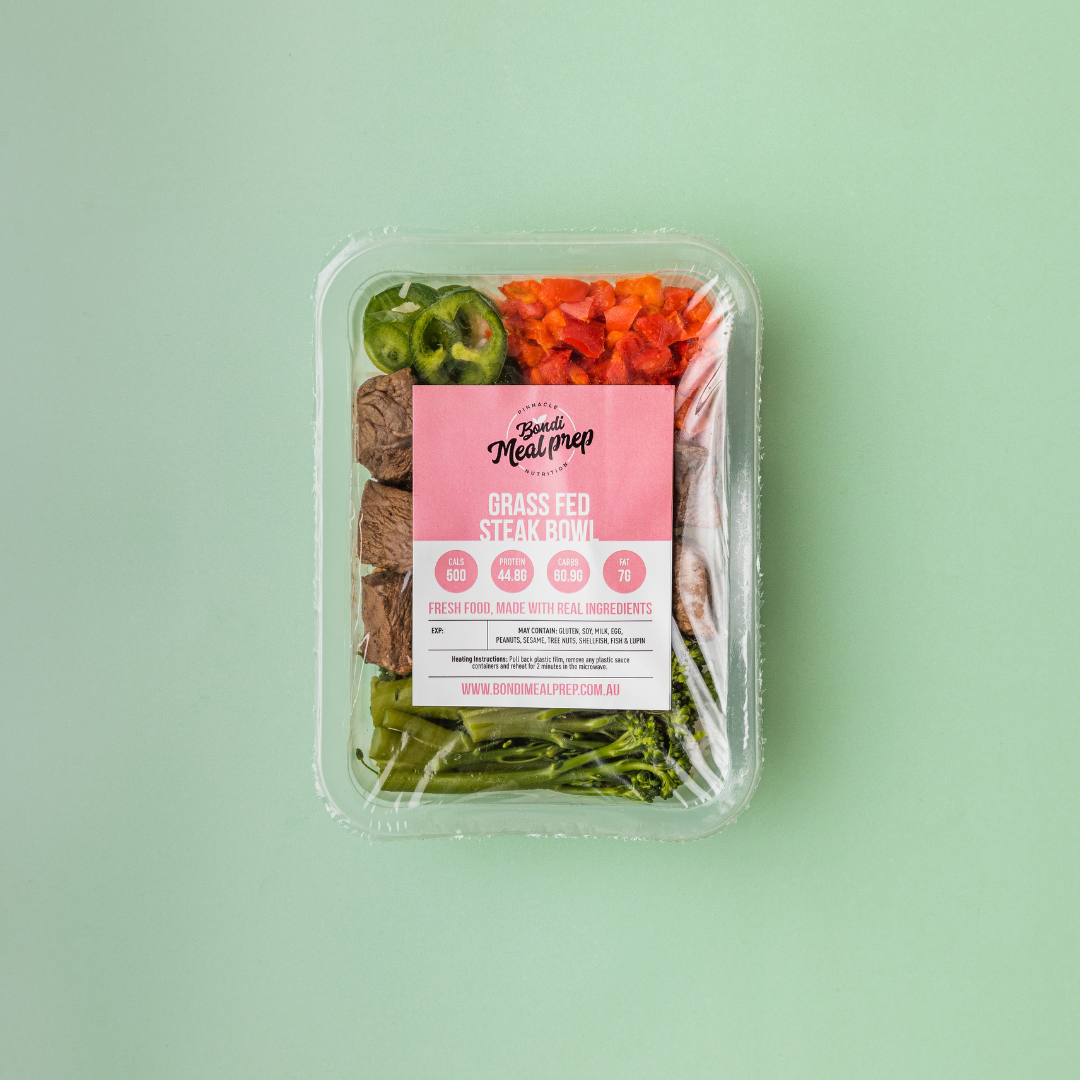
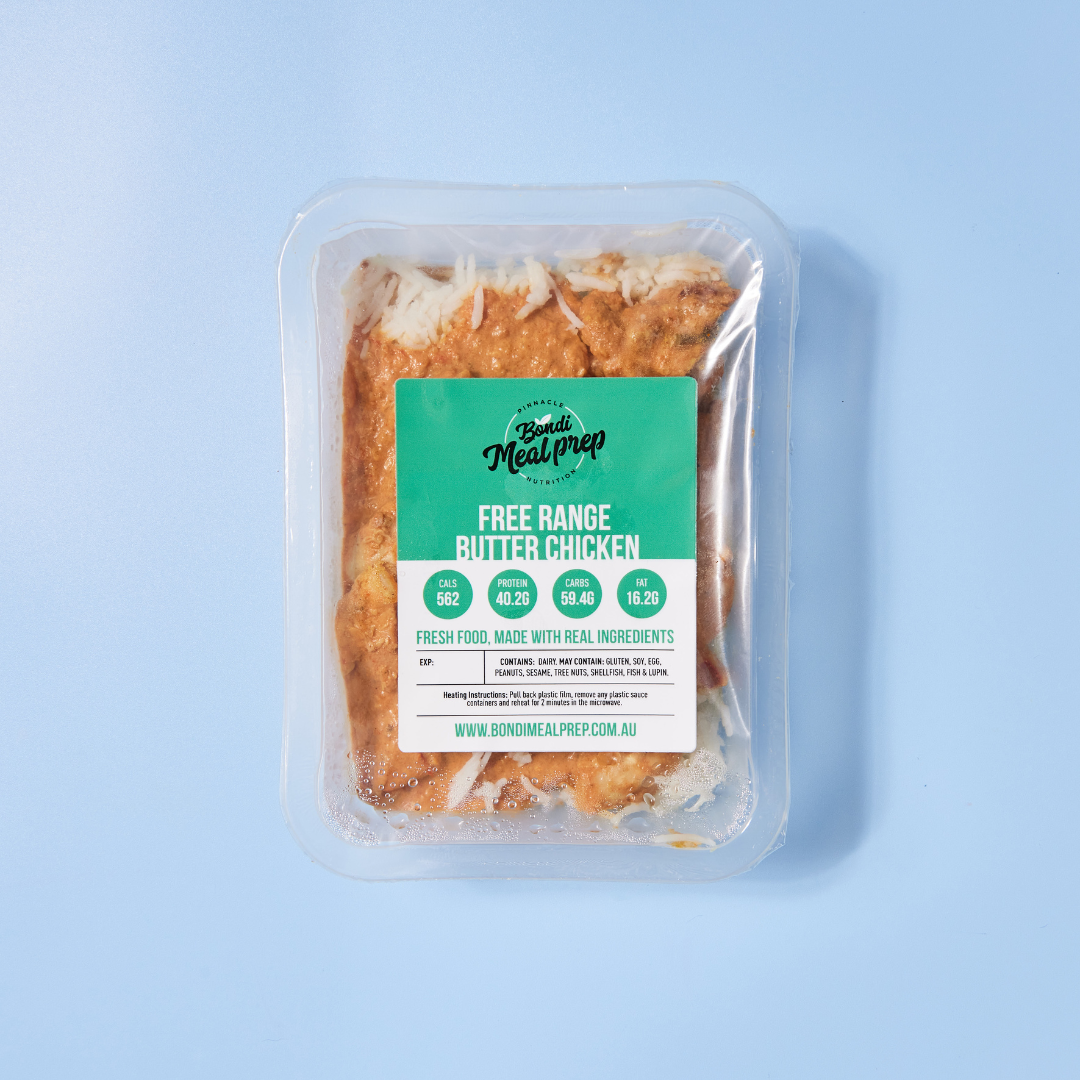
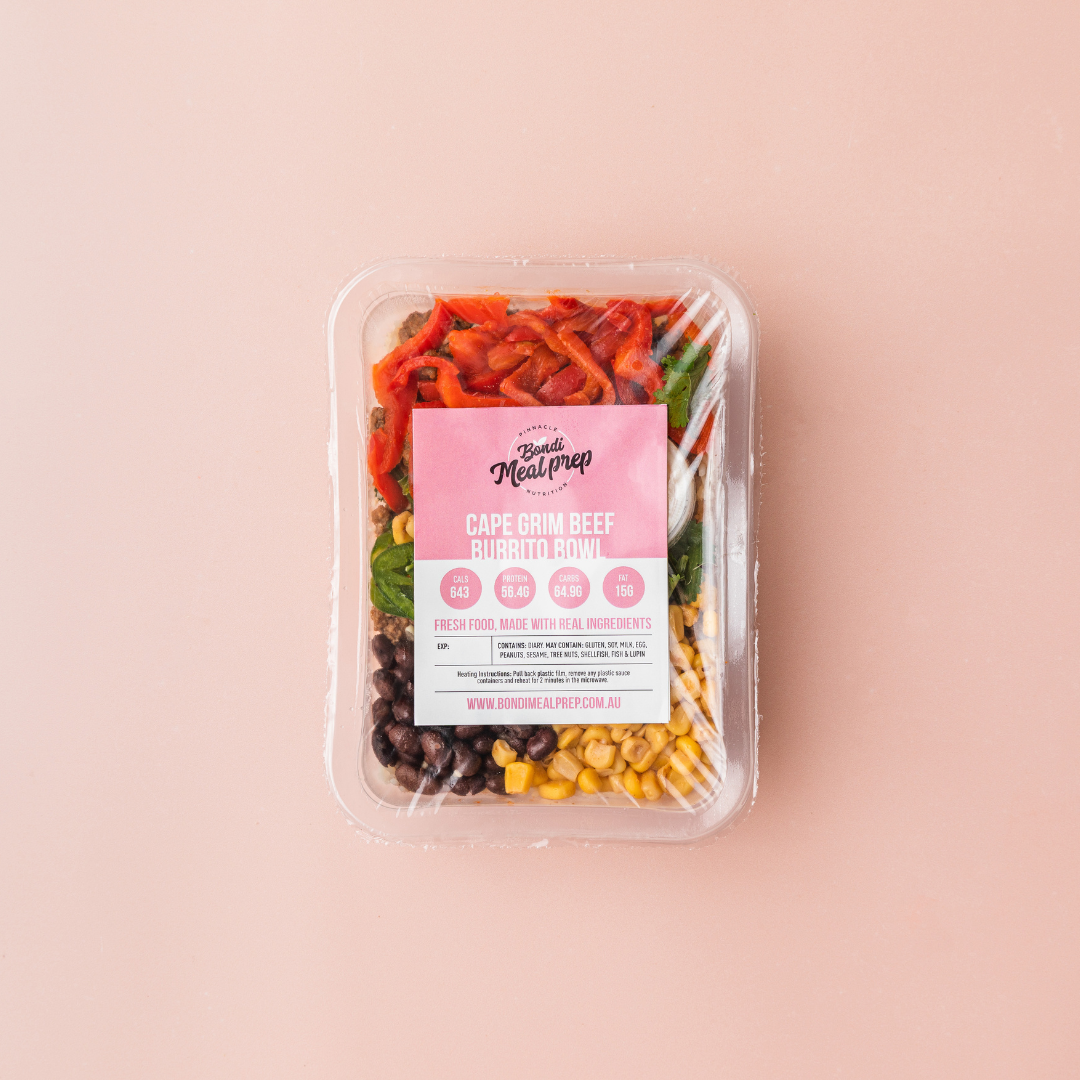
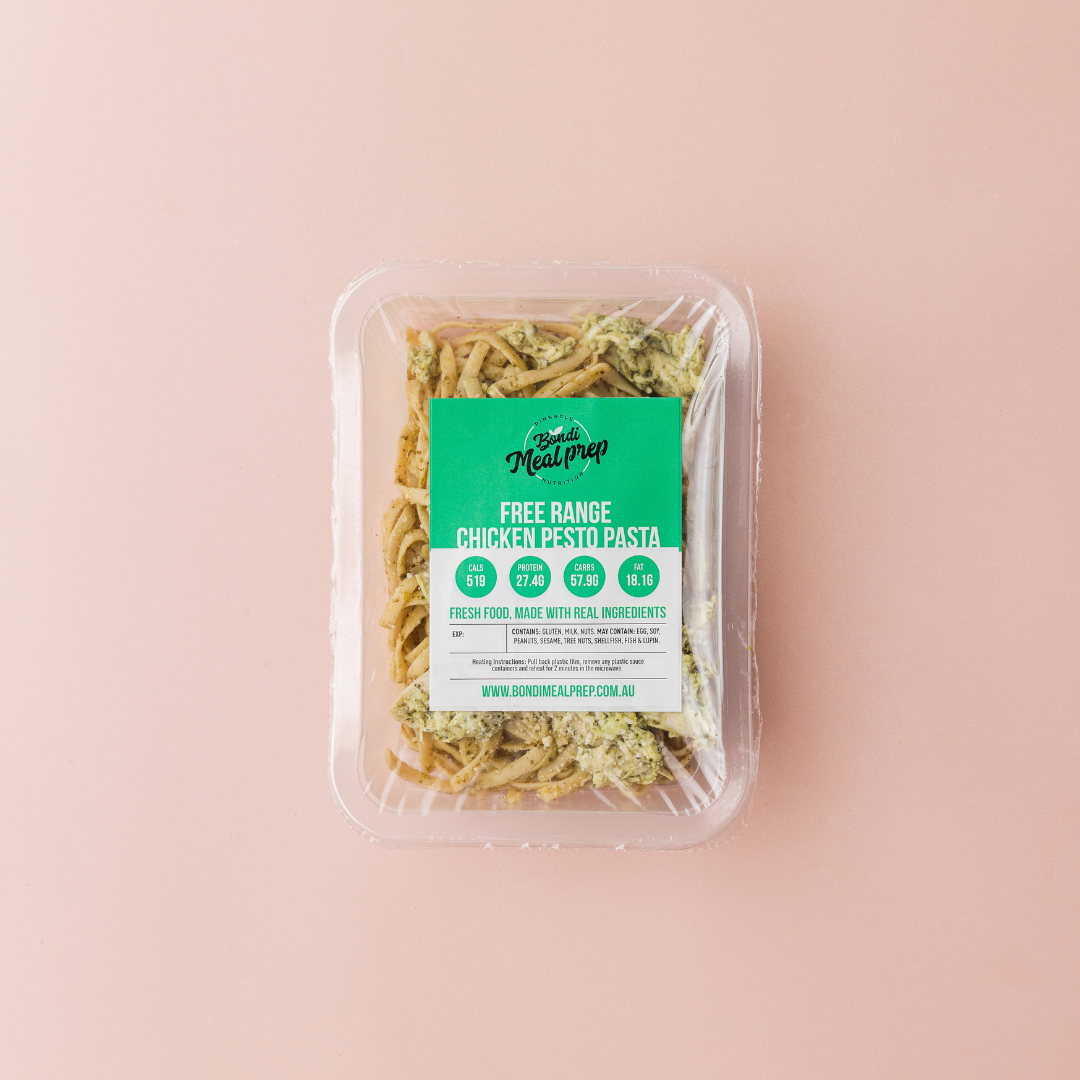
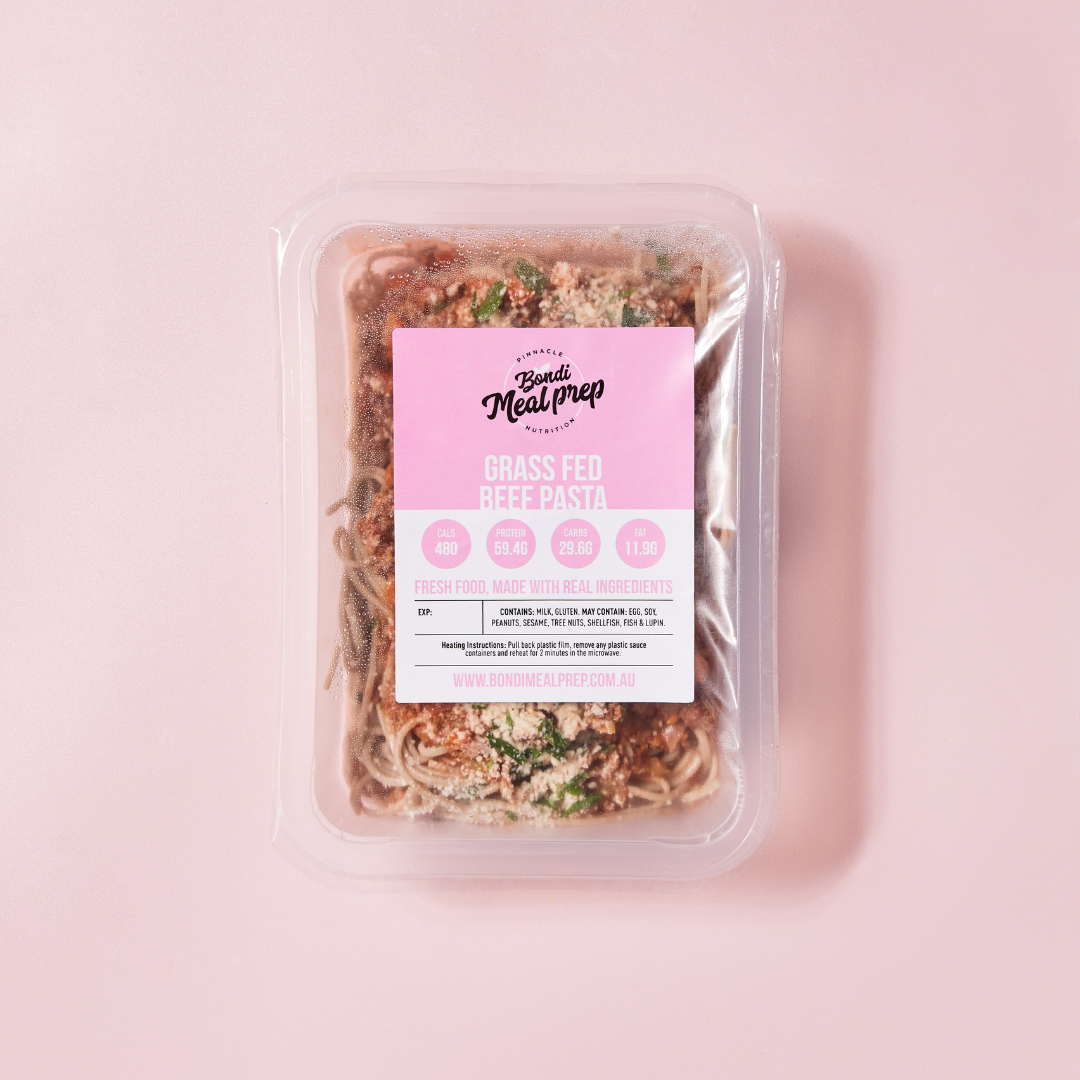
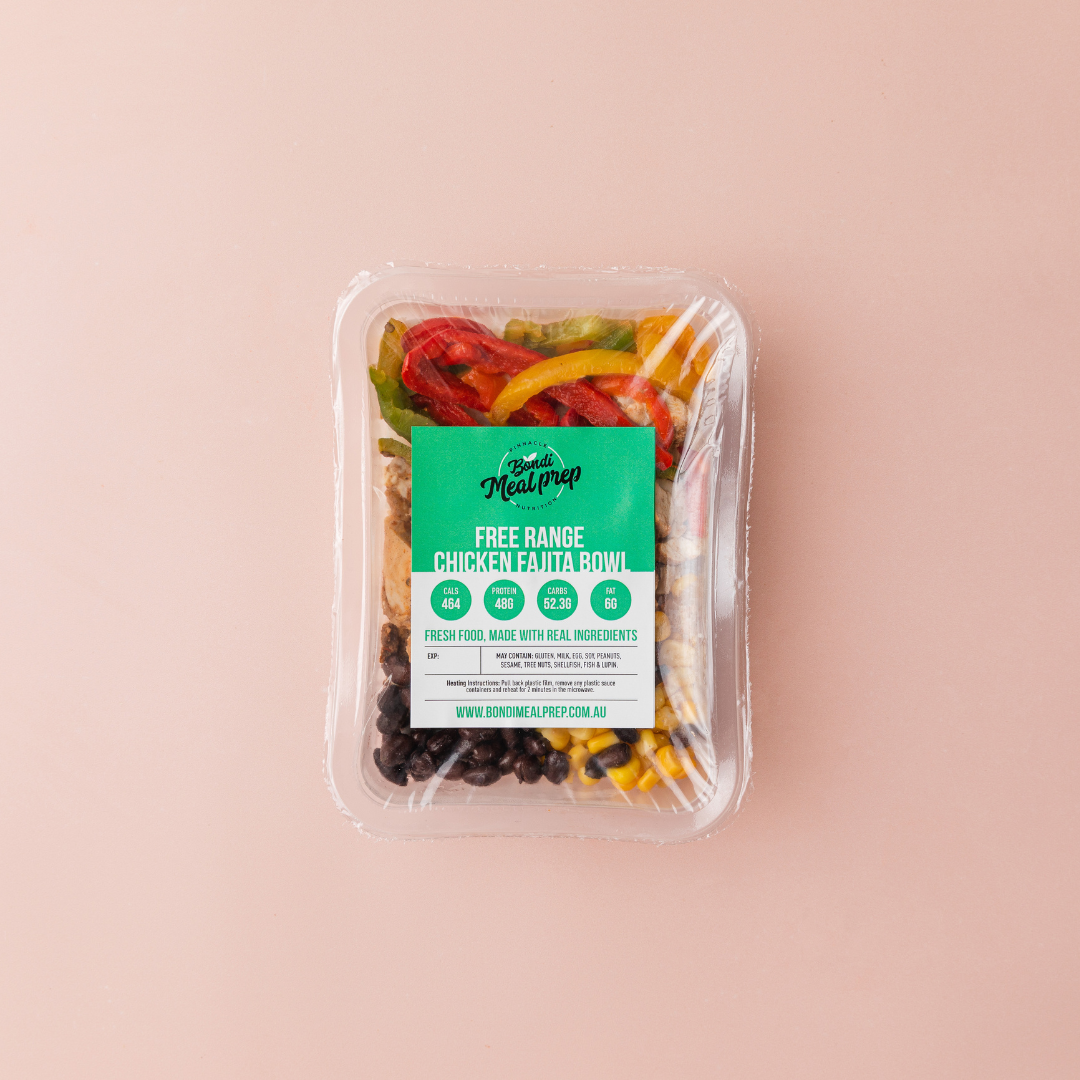
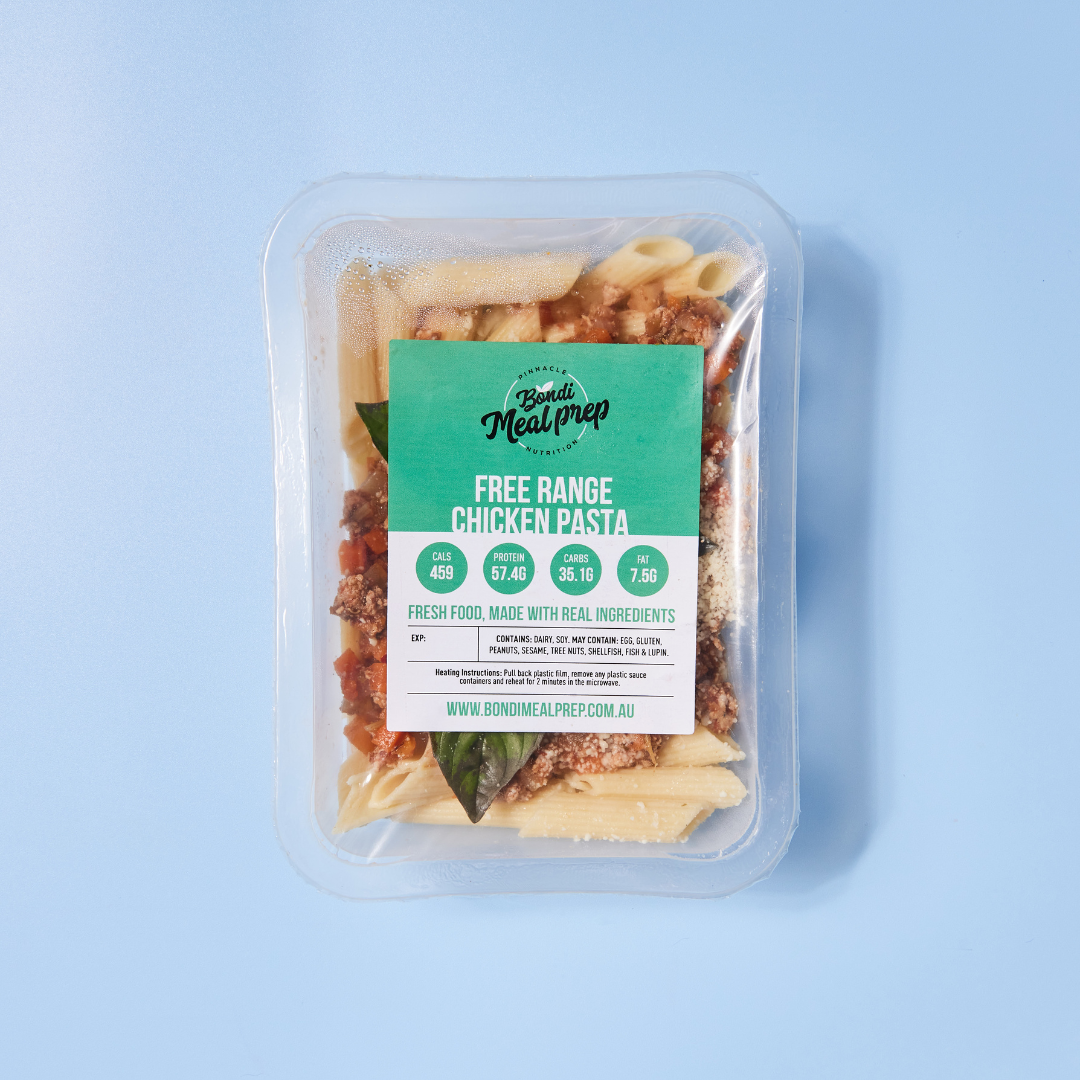
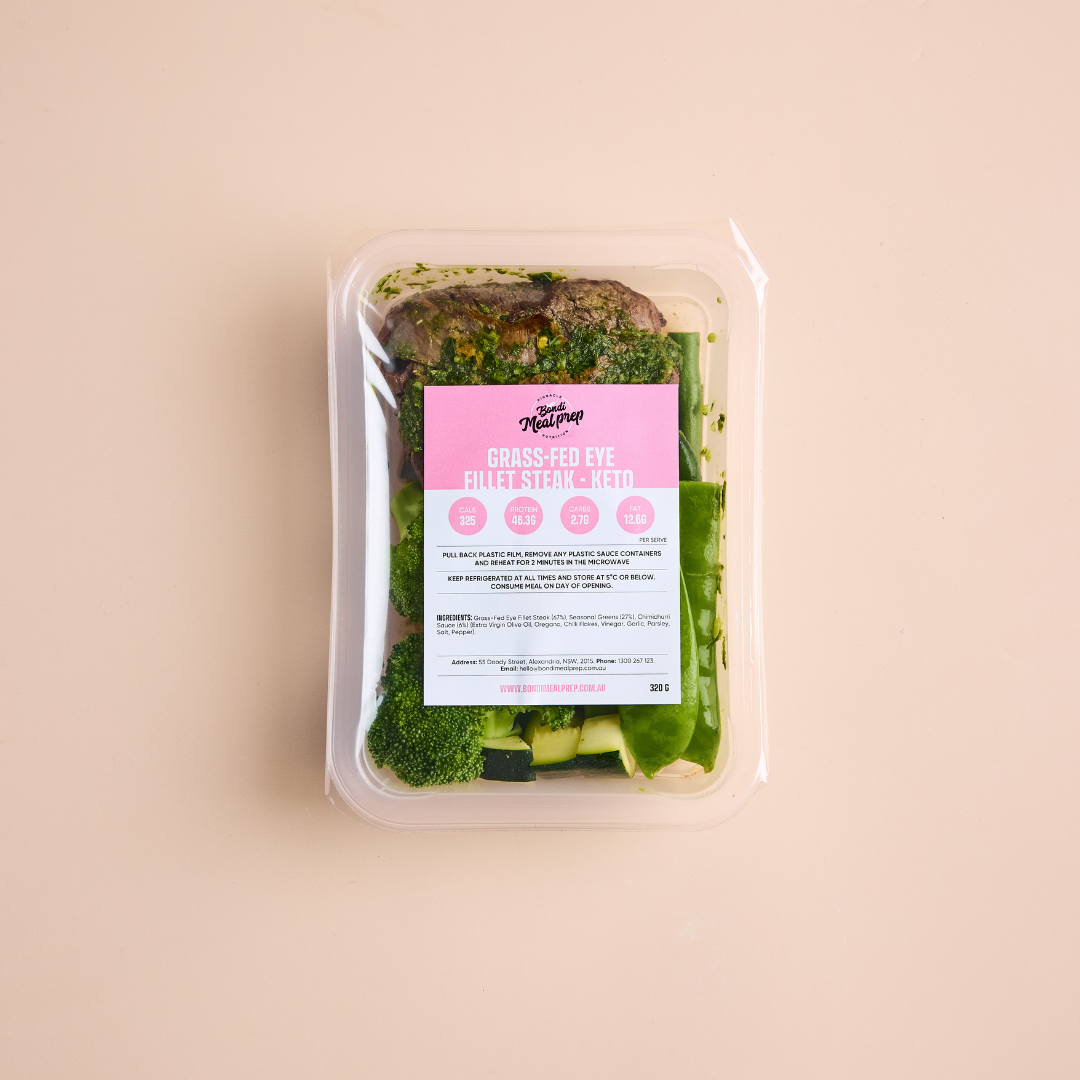
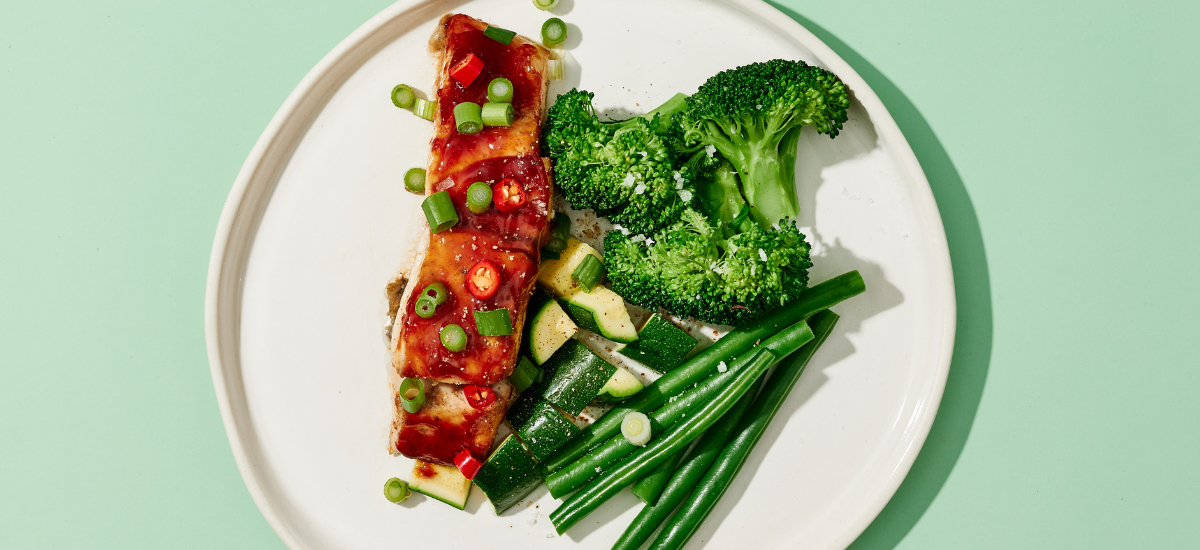
When your schedule is packed, and meal prepping feels like an impossible feat, Bondi Meal Prep's no-added-gluten meal range is fresh, macro-balanced, and ready in a couple of minutes.
Who This Guide is For
Before getting into the practical side of gluten-free meal prep, it helps to know where you sit on the spectrum. Not everyone avoiding gluten is doing it for the same reason, and the level of rigour required varies dramatically based on your situation.
-
People with coeliac disease need to avoid gluten entirely and permanently. Even trace amounts can trigger an immune response that damages the intestinal lining. For this group, especially those with “crumb sensitivity”, cross-contamination is normally as significant a concern as ingredient selection.
-
People with non-coeliac gluten sensitivity experience real symptoms from gluten but without the autoimmune response that defines coeliac disease. A low-gluten approach often works well here, though individual tolerance varies.
-
People choosing to reduce gluten for general wellness are typically striving for improved digestion, better energy, or reduced bloating. The science is still developing in this area, but the lived experience for many people is difficult to argue with.
One important note: Bondi Meal Prep meals are no-added-gluten rather than certified gluten-free. They are made with fresh, quality ingredients and no gluten-containing additives, but they are prepared in a kitchen that is not entirely free of gluten. For people managing gluten sensitivity or following a low-gluten diet for wellness, this is a practical and satisfying option.
What Is Gluten and Why Do Some People Avoid It?
Gluten is a protein found in wheat, barley, rye, and their derivatives. It gives bread its chew and pasta its structure, which is why it shows up in so many everyday foods, including some you would never expect. For example, gluten is an excellent thickening agent. Half the options in the sauce aisle of the supermarket will have gluten bolded on their ingredients lists.
For people with coeliac disease, gluten triggers an autoimmune response that attacks the lining of the small intestine. Over time, this causes damage that impairs nutrient absorption and contributes to a long list of symptoms: fatigue, bloating, digestive pain, and more. It is a serious medical condition that requires strict, lifelong dietary management.
For people with non-coeliac gluten sensitivity, the immune response is different, but the discomfort is often similar. Bloating, abdominal pain, and irregular digestion are common. A low-gluten or no-added-gluten diet typically brings relief to these symptoms and makes the sensitivity manageable.

Gluten & Gut Inflammation
Beyond diagnosed conditions, there is a growing body of research linking gluten to gut inflammation in sensitive individuals, even those without a formal diagnosis. The gut lining is not passive tissue. When it is chronically irritated by a food it struggles to process, the resulting inflammation does not stay localised.
Research increasingly points to gut inflammation as a precursor to a range of chronic diseases, including autoimmune conditions, cardiovascular disease, and metabolic disorders. A healthier gut environment, supported by reduced gluten intake and a diet rich in fresh vegetables, quality proteins, and whole foods (the exact ingredients Bondi Meal Prep meals contain!), can have meaningful ripple effects across the whole body.
This is part of why awareness of gluten sensitivity in Australia has grown considerably over the past decade. It is not a trend. For a significant number of people, reducing or eliminating gluten produces noticeable improvements in energy, digestion, and how they feel day to day. If you suspect gluten is affecting your health, speaking with a GP or accredited dietitian is always a smart move.
Why Gluten-Free Meal Prep Is Complicated
Standard meal prep is already a discipline. Gluten-free meal prep adds several layers on top of it, and most guides skip over these additional complexities.
The first challenge is label reading. Gluten hides in places most people would never think to check. Soy sauce, most stocks and broths, many spice blends, barbecue sauces, some mustards, certain dressings, and even a few dairy products contain gluten or are processed in facilities where cross-contact is a risk.
Familiarising yourself with Australian food labelling standards takes time, and until you’ve internalised this information, every supermarket trip takes a bit longer than it should.
The second challenge is the planning load. Coordinating a week of low-gluten meals, writing a shopping list that accounts for hidden ingredients, and then executing it all after a long day of work is demanding.
The people who manage the planning side of low-gluten meal prep the most effectively are not more disciplined than everyone else. They just have better systems.
The third challenge is maintaining consistency. Gluten-free eating is relatively easy when everything goes to plan. The problem is plans have a habit of being derailed. And when that happens, the fallback options for a gluten-free or no-added-gluten diet are more limited than for someone eating without restrictions. Uber Eats pizza or a Subway sandwich is no longer your safety net.
It is worth noting that a no-added-gluten approach is considerably less demanding than strict coeliac-level preparation. But it still requires thought, and that thought needs to be front-loaded into your week rather than figured out when everybody’s already famished at dinner time.
Cross-Contamination & Kitchen Safety
For anyone with coeliac disease, cross-contamination is the issue that most meal prep guides ignore, even though it’s hugely important in practice. It’s worth understanding even if your relationship with gluten is less severe.
Cross-contamination happens when gluten-free or low-gluten food comes into contact with surfaces, utensils, or equipment that have been used with gluten-containing ingredients and not thoroughly cleaned. It does not require a large amount of gluten to cause problems for someone with coeliac disease. Trace quantities are enough.
The kitchen equipment most likely to cause issues includes:
-
Toasters are almost impossible to clean thoroughly and should be dedicated to gluten-free use or replaced with toaster bags.
-
Colanders and strainers trap residue in their mesh and should be either dedicated or very thoroughly washed before use with gluten-free pasta or grains.
-
Wooden chopping boards and wooden spoons are porous and retain food particles even after washing. A dedicated set for gluten-free prep is the safest approach.
-
Non-stick pans with scratched or worn coatings can also harbour gluten-containing residue.
In a shared kitchen where not everyone eats gluten-free, organisation is your best gluten-free friend. Storing gluten-free ingredients separately, using clearly labelled containers and utensils, and wiping down bench tops before meal prep begins are habits worth adopting from the start.
For coeliac sufferers specifically, pre-prepared meals coming from a kitchen with rigorous food safety standards can remove a significant source of daily risk and stress. It is one less surface, one less pan, and one less label to worry about.
Stocking Your Gluten-Free Pantry
The foundation of any good meal prep routine is a well-stocked kitchen. For gluten-free and low-gluten eating, that means knowing what to fill it with and what to avoid completely.
-
Structure meals around naturally gluten-free whole foods: Proteins like grass-fed beef, free-range chicken, eggs, and sustainably sourced fish contain no gluten. Fresh vegetables including spinach, broccoli, tomatoes, carrots, zucchini, and capsicum are all naturally gluten-free and form the backbone of a solid low-gluten meal prep week. Gluten-free grains like rice and certified gluten-free oats give you the carbohydrate base most people need.
-
Pick your pantry staples carefully: This is where hidden gluten lives. Standard soy sauce, most commercial stocks, some mustards, many dressings, and a range of pre-made spice mixes all carry a cross-contamination risk or contain gluten outright. Tamari is a reliable soy sauce alternative. Homemade stocks or certified gluten-free packaged versions are worth the extra spend. When in doubt, check the label.
-
Australian food labelling: According to Food Standards Australia New Zealand, foods labelled "gluten-free" must contain no detectable gluten. Foods labelled "no added gluten" do not contain gluten as an ingredient but may have been produced in facilities where cross-contact is possible. For people with coeliac disease, this distinction matters a great deal. For people following a low-gluten diet for sensitivity or wellness, no-added-gluten products are typically a practical and safe choice.
A well-organised pantry removes a lot of the daily decision-making that makes low-gluten eating laborious. When your fridge and cupboards are packed with the right options, good choices suddenly require minimal thought and effort.
Combining Gluten-Free Eating With Other Diets
One question that comes up regularly is how to manage gluten-free or low-gluten eating alongside another dietary approach, such as keto, low-carb, or high-protein. On the surface, this kind of combination sounds complicated. In practice, it’s often less difficult than you might think.
Keto and low-carb diets already restrict most foods that contain gluten: bread, pasta, rice, and grain-based products. A keto meal plan built around quality proteins, healthy fats, and fresh vegetables is naturally low in gluten without requiring additional effort. The overlap between the two approaches is significant
High-protein eating follows a similar logic. Protein sources like grass-fed beef, free-range chicken, eggs, and fish are all naturally gluten-free. Building meals around these ingredients and pairing them with vegetables and whole foods is easy once you know which pantry staples to have on hand.
That said, combining dietary approaches does add complexity, and it is worth tackling it with a clear system rather than trying to figure it out on the fly. We’ll be publishing a dedicated guide to combining gluten-free and low-gluten eating with other popular diets soon, covering keto, low-carb, and high-protein approaches in detail, so be sure to regularly check in with our blog.
Simple & Effective Gluten-Free Meal Prep Tips
The people who eat well consistently are not the ones with the most elaborate meal plans. They are the ones who have figured out a small number of meals they enjoy, know how to prep them efficiently, and fall back on them week after week without having to think too hard.
For gluten-free and no-added-gluten eating, that principle matters even more. The more decisions you have to make in the moment, the more chances there are for something to go wrong.
Rely on Five Easy Meal Prep Recipes You Enjoy
Not twenty. Not a whole cookbook. Not a new recipe every night for the rest of time. Find five reliable meals that are naturally low-gluten, that you can make from memory, and that taste good enough to eat regularly. Once those are second nature, you can add variety. Until then, reliability beats creativity hands down.
Batch Cook the Gluten-Free “Building Blocks”
Don’t just prep finished meals. A tray of roasted vegetables (broccoli, tomatoes, carrots, and capsicum work well together), a pot of rice, and a pan of cooked protein give you the components for multiple different meals without the monotony of eating identical dishes five days in a row. Mix and match throughout the week and keep everything fresh in sealed containers in the fridge.
Use Your Freezer for Backup Meals
Soups, cooked proteins, and grain-based bowls all freeze well. Cooking a larger batch and freezing half means you have a reliable backup ready to reheat during busy weeks when you can’t squeeze meal prep into your schedule. Always having something in the freezer means you’re always prepared, whatever your diary throws at you.

No Added Gluten Meal Delivery. No Added Stress
Even the most organised people have weeks where their meal prep schedule doesn’t quite go to plan. You didn’t make it to the supermarket. Sunday was too busy for meal prep. Now it’s Thursday evening, you’re starving after work and the gym, but there’s nothing in the fridge.
For anyone eating gluten-free or low-gluten, those moments are harder than they are for most people. The fallback options are fewer, and the risk of accidentally eating something that does not agree with you is high.
This is the problem Bondi Meal Prep's no-added-gluten range is built to solve. Every meal is made fresh using quality ingredients, including grass-fed beef, free-range chicken, and sustainably sourced fish, paired with fresh vegetables. With no added gluten, preservatives, or artificial flavours, every forkful is carefully planned by nutritionists to make you feel great.
Best of all, meals stay fresh in the fridge for seven days, which means a Monday delivery has you covered through to Sunday. That’s a week of no added gluten eating with no added stress. Browse our no-added-gluten meal range to place your order today!
Sources
-
Coeliac Australia. Coeliac Disease. Coeliac Australia, 2026.
-
Non-coeliac gluten or wheat sensitivity: emerging disease or misdiagnosis? Medical Journal of Australia, 2017.
-
Gut microbiota-derived metabolites and chronic inflammatory diseases. National Institutes of Health, 2019.
-
Food Standards Australia New Zealand. Product exemptions from allergen labelling. FSANZ, 2026.
-
Incidence and prevalence of self-reported non-coeliac wheat sensitivity and gluten avoidance in Australia. Medical Journal of Australia, 2020.
Frequently Asked Questions
What is the difference between gluten-free and no-added-gluten?
In Australia, certified gluten-free products must contain no detectable gluten, as set out by Food Standards Australia New Zealand. No-added-gluten products do not include gluten as an ingredient but may be produced in facilities where cross-contact with gluten is possible. For people with coeliac disease, certified gluten-free is the safer choice. For people managing gluten sensitivity or reducing gluten for general wellness, no-added-gluten products are typically a practical and well-tolerated option.
Is Bondi Meal Prep suitable for people with coeliac disease?
Bondi Meal Prep meals are no-added-gluten rather than certified gluten-free. They are made with fresh ingredients and no gluten-containing additives, but are prepared in a kitchen that is not entirely gluten-free. For people with coeliac disease, we recommend speaking with your GP or dietitian before incorporating externally prepared meals into your diet.
What are the most common hidden sources of gluten in Australian food?
Soy sauce, commercial stocks and broths, many salad dressings, some spice blends, barbecue sauce, certain mustards, and a wide range of processed snack foods all commonly contain gluten or carry a cross-contamination risk. Reading labels carefully and choosing certified gluten-free or no-added-gluten versions of these staples is the most reliable way to manage your intake.
How do I avoid cross-contamination when meal prepping at home?
Use dedicated chopping boards, utensils, and cookware for gluten-free food preparation. Avoid shared toasters, and replace worn non-stick pans that may harbour residue. In a shared kitchen, store your gluten-free ingredients separately, label your containers clearly, and wipe down bench tops before you begin prep. For anyone with coeliac disease, a dedicated set of kitchen equipment is the safest long-term approach.
Can I follow a gluten-free diet and a keto or low-carb diet at the same time?
Yes, and the two approaches overlap more than most people expect. Keto and low-carb diets already exclude most gluten-containing foods, so the additional effort required is relatively small once you know which pantry staples to swap out. A dedicated guide to combining gluten-free eating with keto, low-carb, and high-protein approaches is coming soon, so stay tuned!
How long do gluten-free meal-prepped meals stay fresh in the fridge?
Most cooked gluten-free meals stay fresh in the fridge for three to four days when stored in airtight containers. If you are prepping for a full week, batch cooking and freezing half your meals is a practical way to maintain variety and reduce waste. Bondi Meal Prep's no-added-gluten meals stay fresh for seven days from delivery, making them a reliable option for busy weeks.
Where can I find gluten-free and low-gluten meal ideas?
Our dedicated gluten-free lunch and dinner recipe guides are coming soon and will be linked here on publication. In the meantime, Bondi Meal Prep's no-added-gluten meal range offers a ready-made solution built around fresh, quality ingredients with no hidden gluten. With over 45 meals, drinks and snacks to choose from, there’s more than enough options to keep your taste buds entertained week after week.