
Gluten-free food is having a bit of a moment these days, and countless blogs and guides have advice on what you should and shouldn’t eat. Most gluten-free food lists fall into two extremes: wellness posts that simply say "eat whole foods," or clinical breakdowns that read like lab reports. Neither tells you in clear, simple terms what's safe to put in your trolley this week.
This guide is for anyone trying to understand what they can eat, whether that's because of coeliac disease, a diagnosed gluten sensitivity, or a personal choice to reduce gluten. The foods themselves don't change depending on why you're avoiding gluten, but how careful you need to be about labels and cross-contamination does.
For simplicity, we’ve organised foods into four practical tiers: what you can eat freely, what's fine once you check the packet, what contains gluten in ways you wouldn't expect, and what you should never eat. Your next food shop is about to get as easy as gluten-free pie!
Key Takeaways
-
Fresh, unprocessed foods, meat, fruit, vegetables, eggs and plain dairy are naturally gluten-free with no label reading required.
-
Packaged gluten-free versions of bread, pasta and sauces are safe, but only if they carry the "gluten-free" claim itself, rather than "wheat-free."
-
Some of the most common hidden gluten sources are soy sauce, malt vinegar, and processed meats.
-
If you find yourself spending more time reading labels than eating, Bondi Meal Prep’s delicious No-Added-Gluten Menu is a convenient option for people avoiding gluten due to a lifestyle choice or gluten sensitivity.
How This List Works
Gluten is a protein found in wheat, rye and barley. For someone with coeliac disease, even a small amount triggers an immune response that damages the small intestine, so cross-contamination and hidden ingredients matter enormously.
For someone with non-coeliac gluten sensitivity, the reaction is different and usually less severe, but avoiding gluten still makes a significant difference to how they feel day to day.
That’s why this list is sorted by certainty, rather than alphabetically or by food group.
-
Tier 1 foods are naturally gluten-free, and no label reading is needed.
-
Tier 2 foods are normally fine, but only the versions certified gluten-free.
-
Tier 3 are the foods where gluten hides in ways you wouldn't expect, calling for extra careful label reading.
-
Tier 4 is a list of foods that contain gluten by default and should always be avoided.
If you're newly diagnosed, or still clarifying which category applies to you, a chat with your GP, a registered dietitian, or consulting the resources available from Coeliac Australia is more valuable than any list, including this one.
Tier 1: Naturally Gluten-Free Foods
These are the foods you can pull straight from the fridge or pantry and use without a second thought.
-
Fresh fruits and vegetables: Every fruit and vegetable in its plain, unprocessed form is naturally gluten-free.
-
Fresh meat, poultry and fish: Plain cuts with nothing added are gluten-free by default. It's marinades, crumbs and processed versions where gluten sneaks in.
-
Eggs: Naturally gluten-free and about as versatile as food gets.
-
Plain dairy: milk, plain yoghurt and most cheeses are gluten-free in their unflavoured form.
-
Nuts and seeds: Gluten-free as long as they're unseasoned. Some flavoured or coated varieties use gluten-containing thickeners.
-
Naturally gluten-free grains: Rice, corn, quinoa and buckwheat (despite the name, buckwheat has nothing to do with wheat).
-
Legumes: Lentils, chickpeas and black beans are naturally gluten-free, and wonderful sources of fibre and protein.
Tier 2: Packaged Foods That Are Fine When Labelled Properly
This is where food is no longer automatically gluten-free. Instead, gluten-free versions of these foods are widely sold, but you’ll need to check the packet information before making any assumptions.
-
Bread, pasta, cereal, crackers and baked goods: Gluten-free versions exist, made with rice, corn or other gluten-free flours instead of wheat. Check for the "gluten-free" claim itself, rather than "wheat-free", since this guarantee isn’t considered safe for a coeliac.
-
Sauces, dressings and stock: Salad dressings, barbecue sauce, stock cubes and gravy mixes sometimes use wheat flour or malt as a thickener or flavour base. Gluten-free versions are available, but you have to look for them specifically.
-
Potato chips and tortilla chips: Plain varieties are naturally gluten-free, consisting of just potato or corn with oil and salt. Flavoured varieties are the ones to check; some seasoning blends use wheat-derived flavouring or malt vinegar powder.
-
Frozen crumbed and battered foods: Fish fingers, chicken nuggets and schnitzels are almost always coated in wheat breadcrumbs or batter, though gluten-free versions using rice crumb or cornflake coating are widely available.
-
Chocolate and confectionery: Plain chocolate is usually gluten-free, but anything with a malted filling or a wafer or biscuit base normally includes wheat and barley malt. Sweets sometimes contain wheat as a thickener, so check the pack for gluten-free confirmation.
-
Ice cream and frozen desserts: Plain and fruit-based flavours are usually gluten-free, but cookie dough chunks, biscuit pieces and wafer cones bring wheat back into the mix.
Cross-contamination is why a tested and verified "gluten-free" claim is more important than an ingredients list by itself. Shared cooking utensils, fryers and production lines can transfer trace gluten onto an otherwise gluten-free product, even when nothing on the ingredient list suggests it should be there.
Tier 3: The Foods Where Gluten Often Hides
This is a list of usual suspects that often catch people out. They’re all foods that you wouldn’t immediately associate with gluten, but it frequently sneaks its way in. Approach them all with extreme caution!
-
Soy sauce: Traditionally brewed with wheat, so it's a near-guaranteed source of gluten unless it specifically says tamari or gluten-free.
-
Malt vinegar, malt extract and malt flavouring: All of these are made from barley and contain gluten. Apple cider vinegar and white vinegar are naturally gluten-free alternatives that you can keep in your pantry instead.
-
Wheat starch, wheat berries and bulgur wheat: These are all forms of wheat. They’re easy to miss on an ingredients list if you're only scanning for the word "wheat" itself.
-
Processed meats: Hot dogs, deli meats and even ground turkey can contain gluten as a filler or binder.
-
Soups and gravies: These are often thickened with wheat flour, with gluten-containing versions normally outweighing gluten-free options in the supermarket aisles.
-
Dried fruit: This is sometimes dusted with flour to stop it clumping, so always check the back-of-pack info.
-
Traditional beer and malted drinks: Standard beer is made from barley and contains gluten. Wine is naturally gluten-free, and spirits like gin, vodka and whisky are, too, because the distillation process removes any gluten protein even when the base grain contained it.
It’s important to note that none of these foods is strictly off-limits. Instead, you either need to find a specific gluten-free version or check the label to make sure the individual item is safe to eat.
Tier 4: Foods To Avoid Completely
These foods aren't the "check the label" kind. They contain gluten by definition, with no exceptions and no gluten-free version to choose instead.
-
Wheat, in any form: Wholemeal flour, plain flour, self-raising flour, semolina, durum and spelt are all wheat, just under different names.
-
Wheat-based staples: Standard bread, pasta, pastry, biscuits, cakes, breadcrumbs and croutons are all made from wheat flour.
-
Barley: Pearl barley and barley flakes contain gluten by default.
-
Rye: Rye bread, rye crackers and pumpernickel all contain gluten.
-
Triticale: This is a wheat-rye hybrid grain, containing gluten from both parent grains.
-
Farro, freekeh and kamut: These ancient grains are often food in health food stores, but all three are wheat varieties.
-
Couscous: Despite looking like a grain in its own right, couscous is made from durum wheat.
-
Seitan: Made almost entirely from wheat gluten itself, seitan is a popular meat substitute, but it's the opposite of gluten-free.
If a food is on this list, no amount of label-reading changes the answer for a coeliac. Any body avoiding gluten due to a sensitivity or lifestyle choice should also steer clear, too.
Stocking A Gluten-Free Pantry And Fridge
Now you know your way around the tiers, keeping your pantry and fridge stocked is simple. Try to keep these food essentials in steady supply:
-
Pantry basics: Rice, quinoa, black beans and lentils.
-
Fridge basics: Plain meat, eggs and dairy.
-
Fresh produce: Fruit and vegetables on the counter and in the fridge, as well as frozen fruit and vegetables as backup for the days you don't make it to the shops.
-
Condiment swaps: Tamari instead of soy sauce, apple cider or white vinegar instead of malt vinegar, and a gluten-free stock or gravy base instead of the standard version.
-
Packaged staples: Verified gluten-free versions of any daily staples you rely on, including bread, pasta and breakfast cereal.
Keep this shortlist stocked and you’re always a few steps away from a decent meal without needing an emergency grocery run.
Bondi Meal Prep: The Best Backup You’ve Ever Tasted
Even when keeping your kitchen stocked is a top priority, some days just don't go to plan. Work runs over or a gym session finishes late. You don’t have time to go to the supermarket, let alone cook when you finally set foot through the door. For those days, Bondi Meal Prep is always prepared even when you’re not.
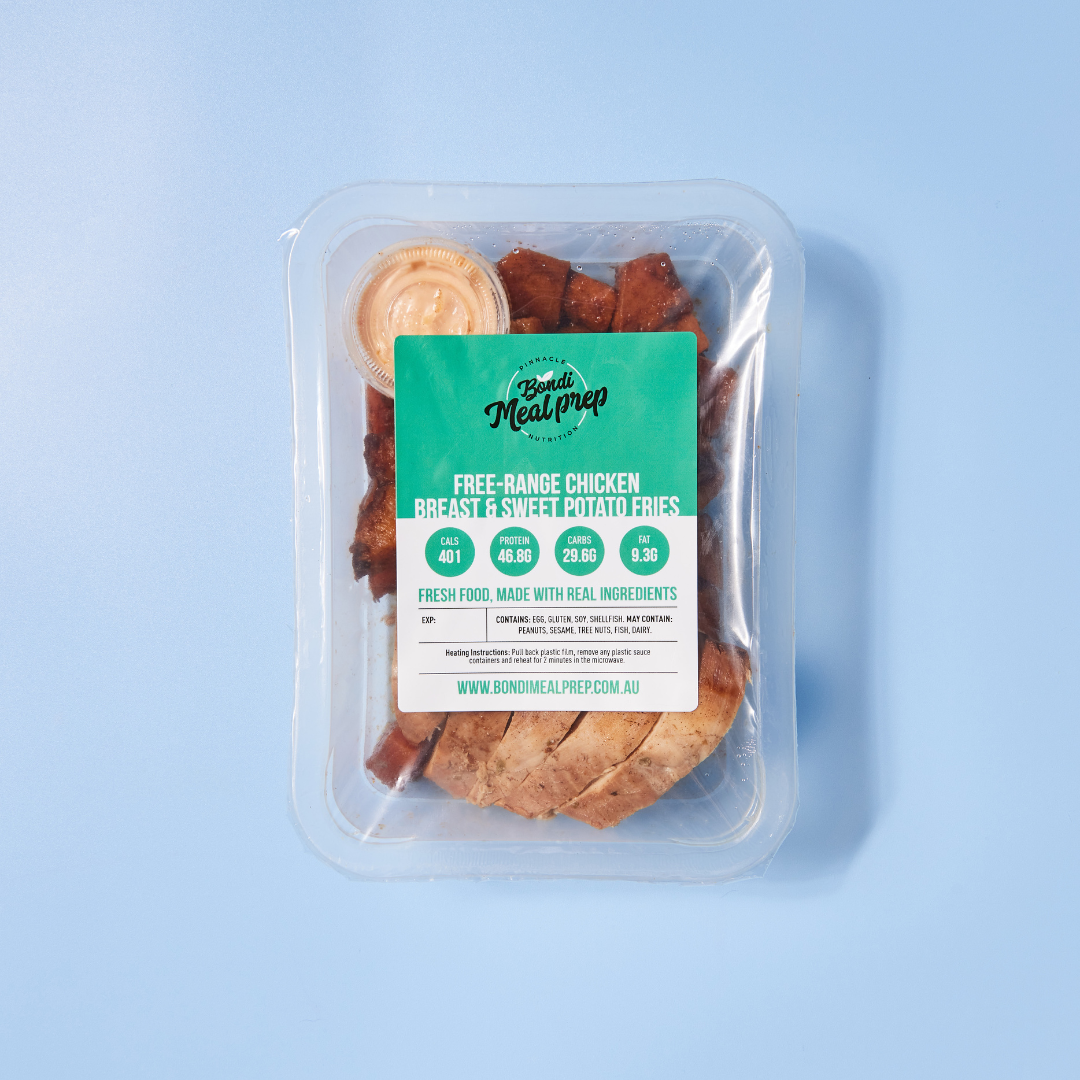
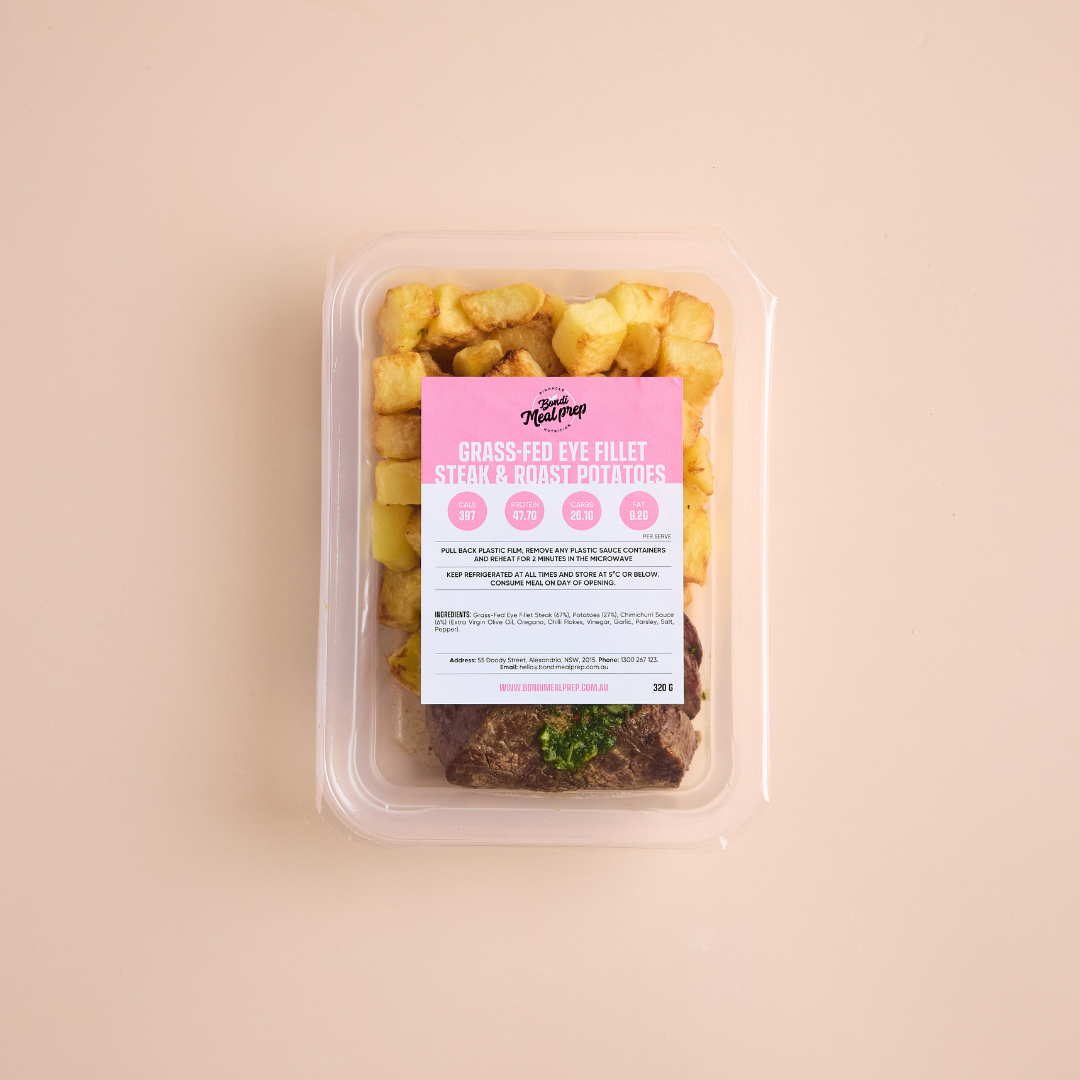
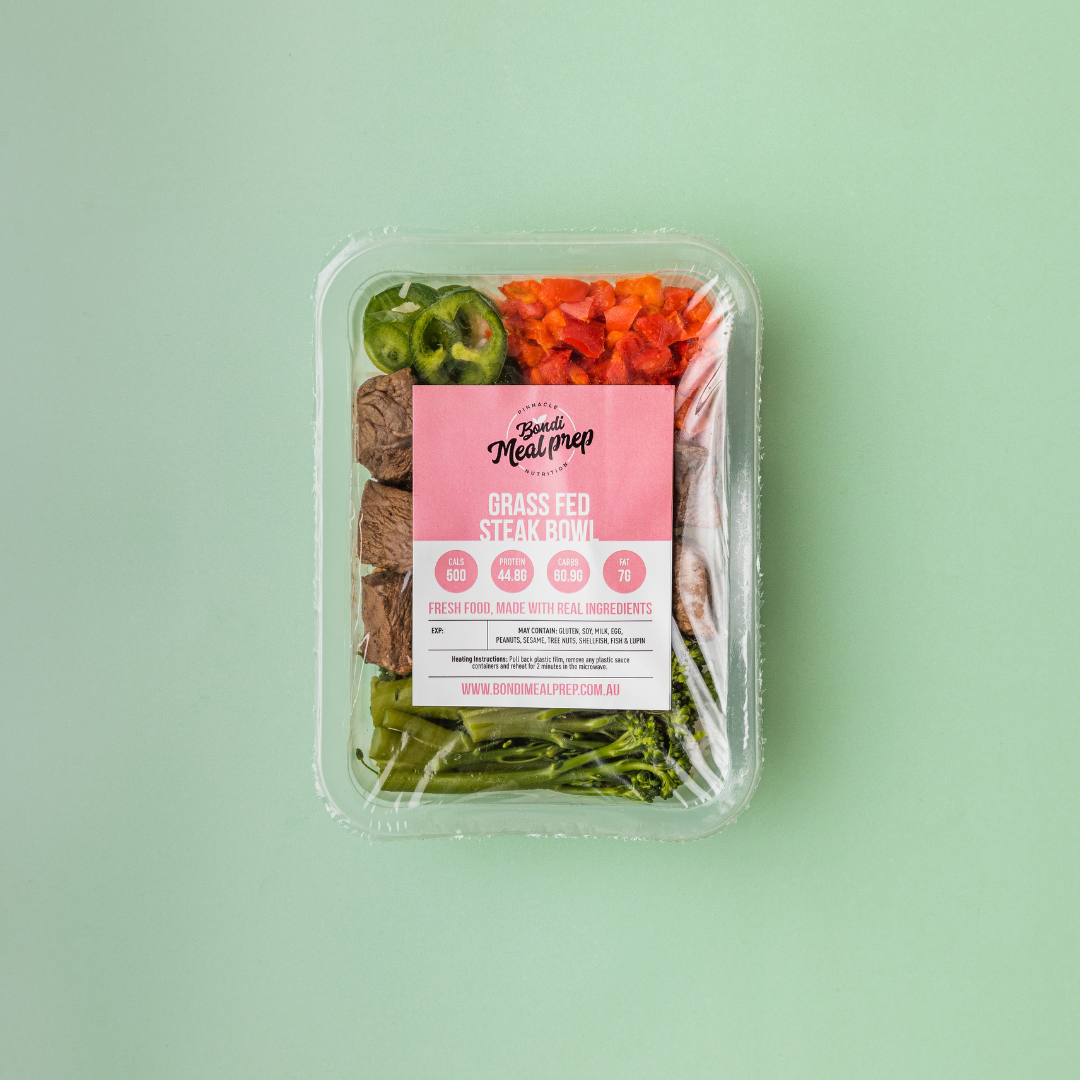
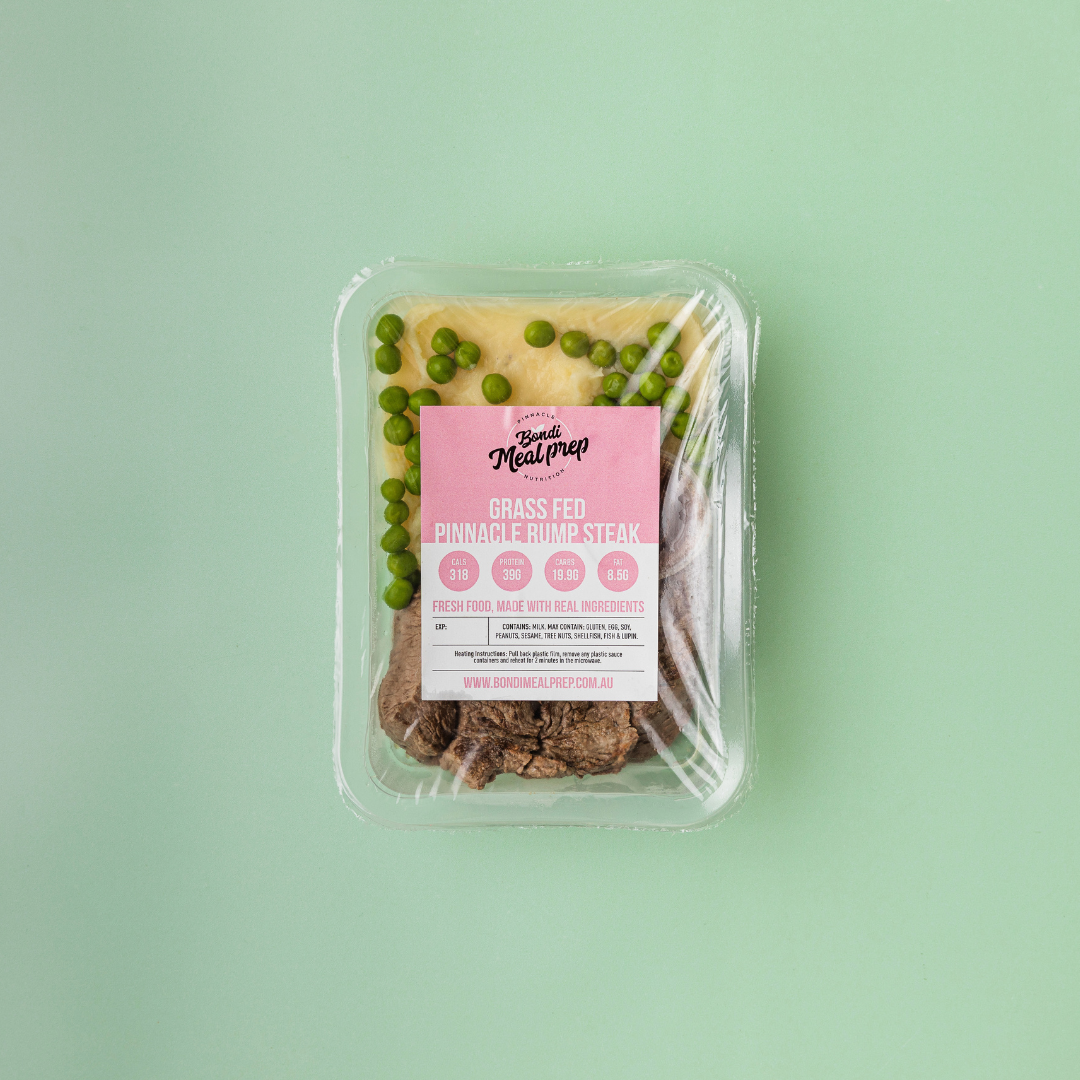
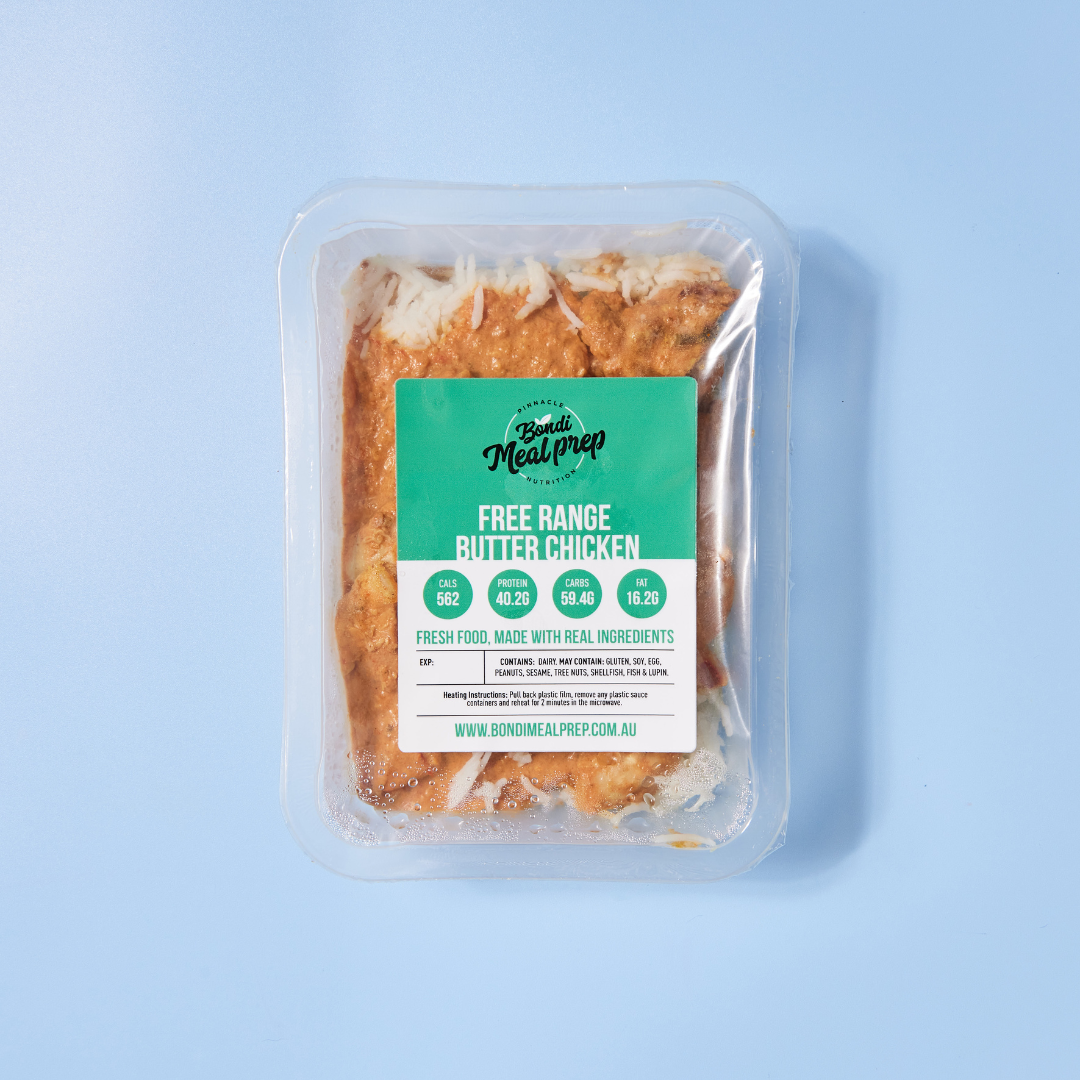
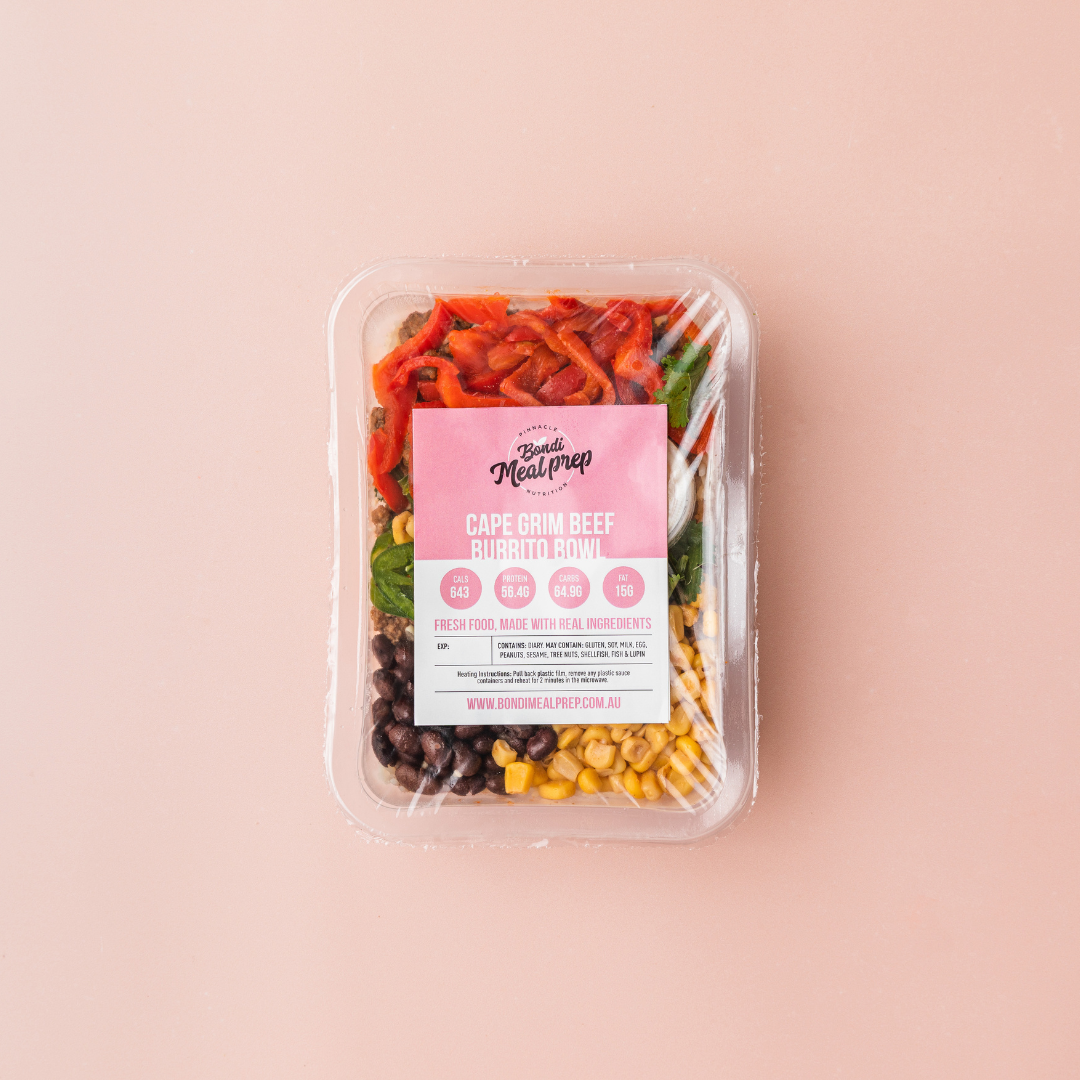
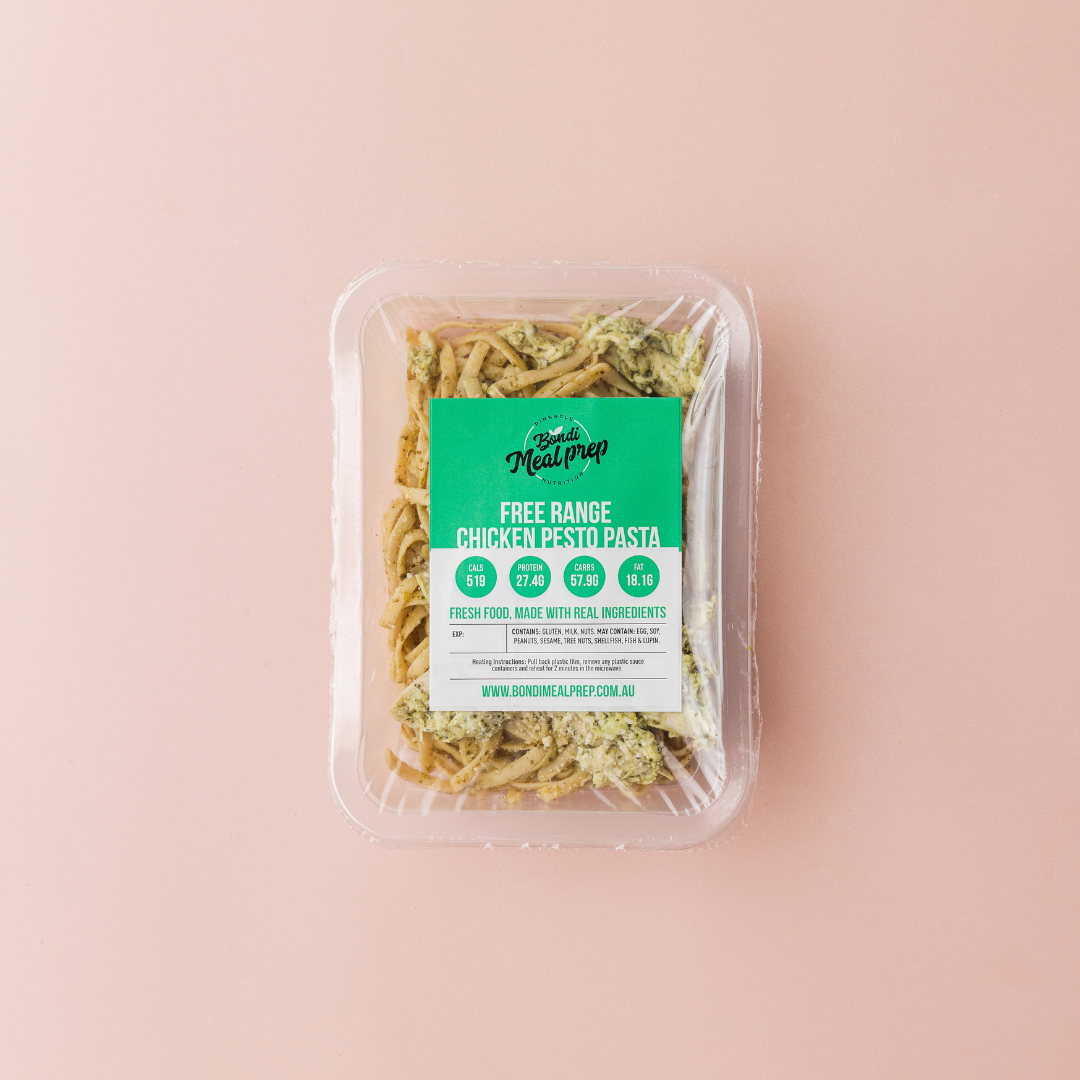
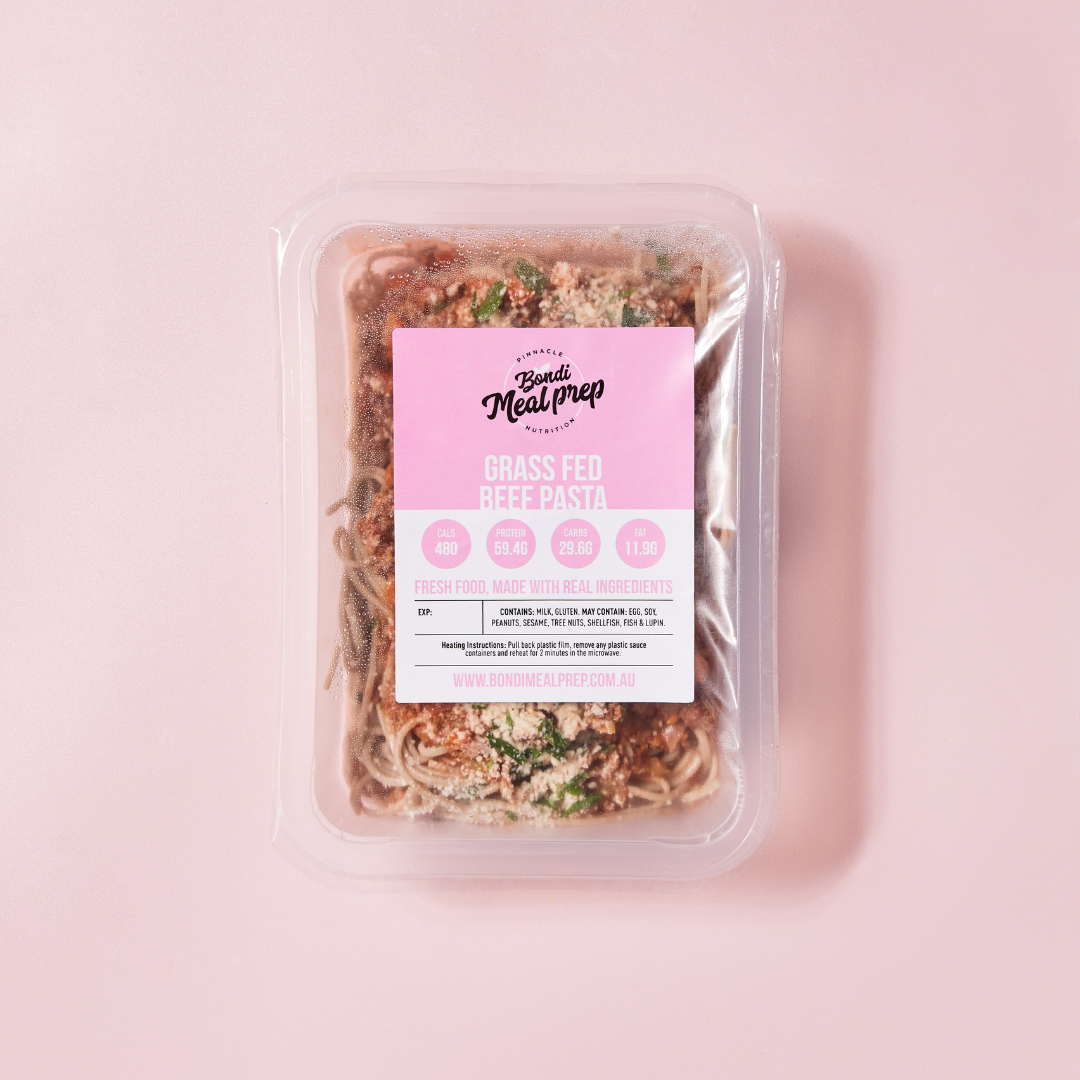
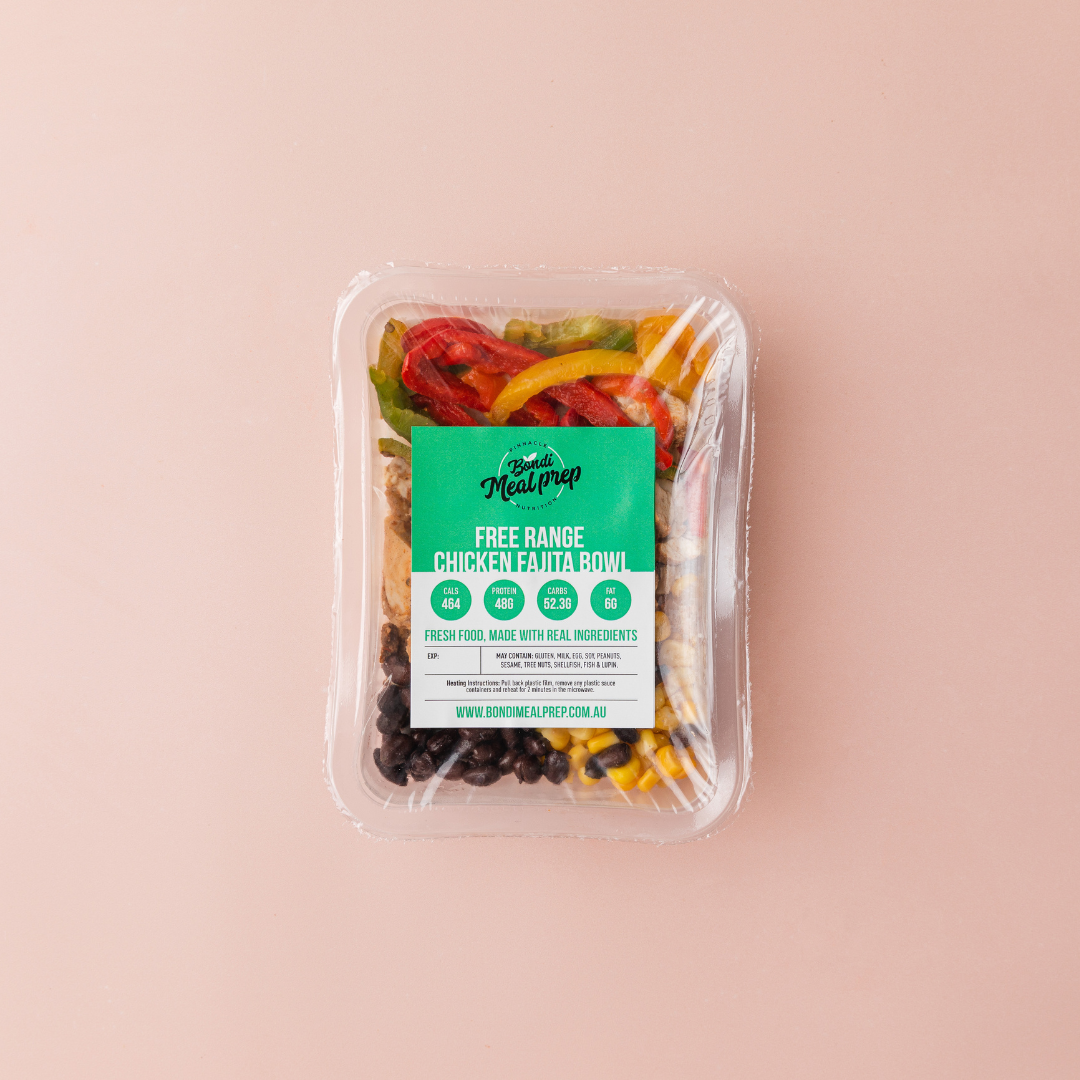
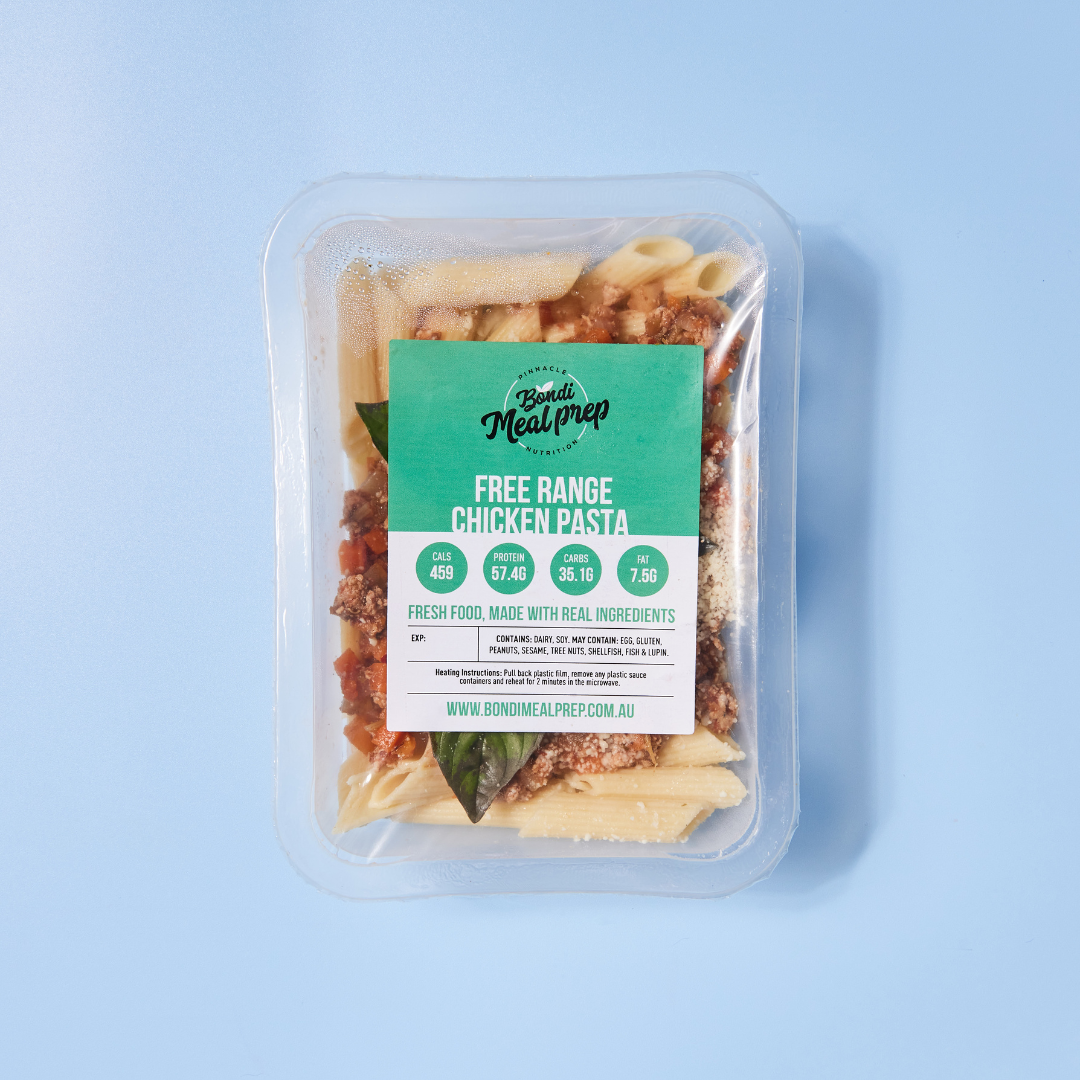
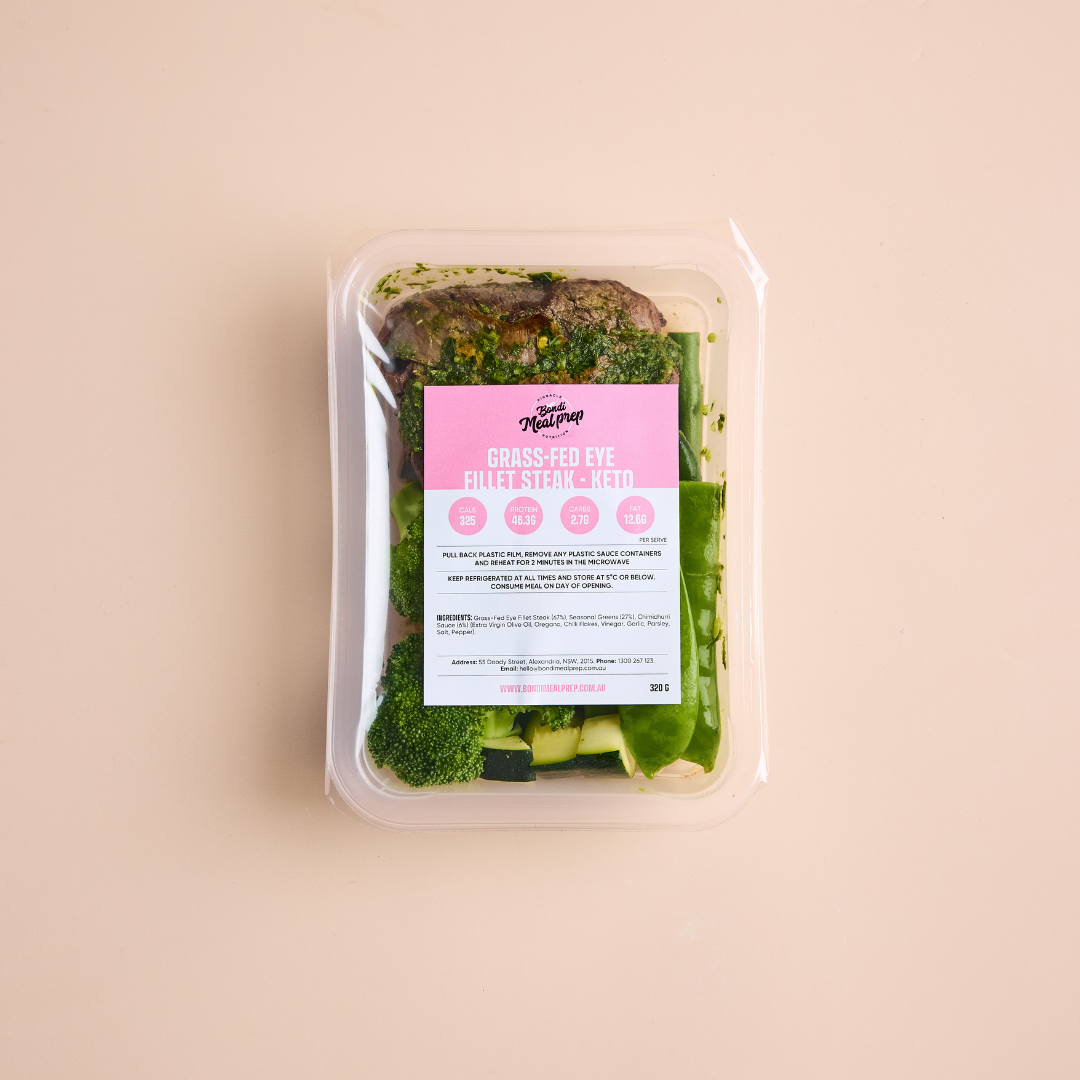
Our no-added-gluten meals start with real ingredients: grass-fed beef, free-range chicken, fresh vegetables, and rice, quinoa or legumes doing the job wheat flour usually would. There’s no hidden malt or wheat strarch, just the natural ingredients you need on busy days when you want convenience and high-quality nutrition in equal measure.
All our meals arrive fridge-fresh with a 7-day shelf life and are ready in about two minutes, exactly when what’s left in the fridge isn’t quite enough to get you there.
Explore our No Added Gluten Menu today and get ready to taste the best backup your kitchen's ever had!
Frequently Asked Questions
How are foods certified gluten-free in Australia?
To meet Australia's Food Standards Code, a food has to show no detectable gluten in the finished product, tested using the Sandwich ELISA method with a limit of detection around 1 to 3 parts per million. Businesses can go a step further and apply for Coeliac Australia's independent endorsement, the crossed grain logo, which also reviews ingredients, manufacturing processes and cross contamination controls.
According to Food Standards Australia New Zealand and Coeliac Australia, all this makes Australia's standard one of the strictest in the world, well beyond the 20 parts per million allowed in the US, UK and EU.
What foods are naturally gluten-free?
Naturally gluten-free foods include fresh fruit and vegetables, plain meat, poultry and fish, eggs, plain dairy, nuts, seeds, and grains like rice, corn, quinoa and buckwheat. None of these needs a gluten-free label; they're gluten-free in their unprocessed form by default.
Can oats be labelled gluten-free in Australia?
Oats cannot be labelled gluten-free in Australia, even certified pure ones. The Food Standards Code excludes oats from the gluten-free claim entirely, which is stricter than the US, UK and EU, where certified gluten-free oats are permitted.
Does soy sauce contain gluten?
Traditional soy sauce almost always contains gluten, since it's brewed with wheat. Tamari is usually the gluten-free alternative, though it's still advisable to check the label, as some tamari brands will add a small amount of wheat.
What's the difference between coeliac disease and gluten sensitivity?
Coeliac disease is an autoimmune condition where gluten triggers an immune response that damages the small intestine, even in small amounts. Non-coeliac gluten sensitivity causes uncomfortable symptoms too, but without that same immune damage. The strictness required around cross-contamination is generally different for each.
Is beer gluten-free?
Traditional beer is not gluten-free, since it's made from barley malt. However, many brands now produce gluten-free beer with sorghum, millet, rice, buckwheat, corn, quinoa, and amaranth used as alternatives to barley.
What foods commonly contain hidden gluten?
Hidden gluten commonly turns up in soy sauce, malt vinegar, processed meats, soups and gravies thickened with wheat flour. Checking the ingredients list carefully is the only reliable way to catch these.