

Twenty years ago, “gluten free” wasn’t a term in the average person’s vocabulary. Now, it’s one the world's most common diets, with an endless array of gluten-free foods to choose from. However, with more choice comes even more confusion.
Three services in the same Google search for “gluten-free meal delivery” might use three different labels ("gluten free", "no added gluten" and "low gluten"), but not one of them explains what the difference is and what it means for different types of people eating a gluten-free or low-gluten diet.
Whether you’re a coeliac following hard dietary rules or somebody reducing gluten intake for lifestyle reasons, this guide will help you find a trustworthy meal delivery service that properly caters for your needs.
We’ve reviewed six Australian gluten-free meal delivery services, compared them on certification, cross-contamination controls, menu size and price, and laid out a clear framework for finding the right meal provider without reading a wall of fine print.
Reading this guide is the only prep you need before that first delicious meal prep delivery arrives!
Key Takeaways
-
Diagnosed coeliacs and lifestyle gluten avoiders have very different needs to consider when picking a meal delivery service.
-
In Australia, a "gluten-free" label is a regulated claim under food law, and it’s the claim Coaliacs should search for.
-
Only a dedicated gluten-free facility or production line removes cross-contamination risk entirely.
-
Coeliac Australia endorsement is the strongest third-party signal an Australian meal delivery service can hold.
-
"No added gluten" means no gluten-containing ingredients were used, but the kitchen may still handle gluten, making these foods a popular choice for a low-gluten lifestyle diet.
-
Menu size is a very important consideration. A service with six gluten-free meals will inevitably lead to repetition, boredom, and lack of nutritional variety.
What Is Gluten-Free Meal Delivery?
Gluten-free meal delivery is pre-prepared, ready-to-eat food delivered to your door, made without gluten-containing ingredients in a gluten-free preparation environment. No cooking, no label-reading at the supermarket, no worrying about cross-contamination in your own kitchen. You just order, and then heat and eat whenever you need a convenient, nutritious meal.
It’s important to understand how this differs from the two other options many people consider. Meal kits send you fresh ingredients and recipe cards so you can do the cooking. Alternatively, supermarket ready meals mean you shop first and reheat later. Prepared meal delivery removes all three steps: shopping, cooking and the risk of gluten creeping into the recipe at home.
The types of people using gluten-free meal delivery span a wide range:
-
There are diagnosed coeliacs who cannot risk a crumb of cross-contact.
-
Other people with non-coeliac gluten sensitivity managing symptoms through diet.
-
There is a growing group cutting gluten for energy or digestive benefits.
-
Finally, there is the household where one person eats gluten-free and cooking two separate dinners every night is nobody's idea of fun.
For all of them, the appeal is the same. Cooking from scratch on a gluten-free diet every single night is one of the biggest reported burdens of the lifestyle. Reading every label, double-checking every sauce, worrying about the pasta water touching the wrong pot. Meal delivery takes these concerns off the table entirely.
It’s a solution that works wonders for millions of meal preppers. According to Coeliac Australia, approximately 1 in 70 Australians has coeliac disease, though around 80% remain undiagnosed. That’s a whopping number of people managing a diet where getting it wrong has long-term health consequences.
"Gluten Free", "No Added Gluten" and "Low Gluten": What The Labels Mean
Here’s something the front of a packet rarely tells you: these three phrases are not synonyms, and the difference determines whether a meal is safe for someone with coeliac disease.
Three services in this guide use all three labels, and nobody in the search results has explained what separates them. Let’s fix that before we go any further.
What "Gluten Free" Means In Australia
In Australia, "gluten free" is a regulated claim under the Food Standards Code, administered by Food Standards Australia New Zealand (FSANZ). A product carrying this label must contain no detectable gluten when tested using recognised analytical methods.
This is the strictest of the three labels. It doesn't just describe the ingredients used. It makes a claim about the finished product, and it needs to be backed by evidence. For a service to use this label with confidence, they typically need either a dedicated gluten-free production facility, rigorous batch testing, or both.
For a coeliac, "gluten free" with independent certification or Coeliac Australia endorsement is the gold standard.
What "No Added Gluten" Means
"No added gluten" means no gluten-containing ingredients were used in the recipe. It says nothing about the kitchen environment, and it does not guarantee the finished product is free from trace gluten.
This is an honest label. It is not a weaker version of "gluten free" trying to slip past the rules. It answers a different question: what went in. It does not answer what might have ended up there as a result of a shared kitchen. For lifestyle avoiders and most people with non-coeliac gluten sensitivity, "no added gluten" from a reputable kitchen is normally fine. For diagnosed coeliacs, the kitchen environment is the question that needs answering for complete peace of mind.

What "Low Gluten" Means
"Low gluten" is the least standardised of the three labels. There is no consistent legal threshold for it in Australian food law, which means what the term actually means in practice varies from one producer to the next.
If a service uses this term, it’s worth asking them directly what it means. How much gluten? Tested how? By whom? Any good meal delivery service will answer those questions confidently and clearly.
The One-Line Test
Here’s a quick way to categorise any label you come across: does it describe the ingredients used, or does it describe the finished product as verified by an independent party? The first answers "what the producer believes went in." The second answers "exactly what is in it."
|
Label |
What it claims |
Who verifies it |
Safe for coeliacs? |
|
Gluten free |
No detectable gluten in the finished product |
FSANZ-compliant testing, often independent |
Almost always, especially when certified |
|
No added gluten |
No gluten-containing ingredients used |
The producer |
Depends on the kitchen |
|
Low gluten |
Reduced gluten (threshold varies) |
Varies, often nobody |
Ask the provider directly |
For definitive guidance on certification and endorsement in Australia, Coeliac Australia is the authority.
Why Cross-Contamination Is Critical
You can make a meal with no gluten-containing ingredients and still end up with gluten in the finished product. This is referred to as cross-contamination, and in a commercial kitchen, it can occur at four distinct points:
-
Receiving and storage. If gluten-containing and gluten-free ingredients arrive together and are stored in the same cool room without clear physical separation, the risk starts before a single meal is made.
-
Preparation surfaces and utensils. Shared chopping boards, knives, mixing bowls, trays. Equipment that has touched bread, pasta or flour going near a gluten-free meal without proper cleaning protocols between uses.
-
Cooking. Shared cooking oil, shared baking trays in the same oven, shared steamer water. These are less obvious but well-documented risk points in food safety research.
-
Packaging. Even at the final stage, if gluten-free and gluten-containing meals are packed in the same area with shared equipment, trace contact is possible.
The solution is one of three things: a dedicated gluten-free facility (no gluten anywhere on site), a segregated production line within a shared kitchen (physical separation with strict protocols), or an unsegregated shared kitchen with general food safety controls but no specific gluten management. These are three very different safety tiers, and the label on the packet will not tell you which one applies.
For a coeliac, the distinction is clinically significant. As Coeliac Australia’s Guide to Cross Contamination, even small amounts of gluten can trigger an immune response in someone with coeliac disease, regardless of visible symptoms.
For lifestyle avoiders, trace exposure is not normally a health concern, so the conditions the meal was prepared in are less of a concern.

The Benefits Of Gluten-Free Meal Delivery
Eating gluten-free is not just about what you leave off the plate. A good meal delivery service takes care of several things at once, and the cumulative effect on day-to-day life can ease the burden of diet notorious for its demanding nature.
-
It removes the daily label-reading grind: Reading ingredient lists on every packet, every sauce, every seasoning is not optional on a gluten-free diet. A prepared meal service does that work in advance, so you don’t have to repeat the chore every single day.
-
It removes the crosscontact risk from your own kitchen: A gluten-free meal prepared in a commercial kitchen with proper controls removes the risk of your own toaster, your housemate's dreaded pasta water, and the shared butter dish that’s a magnet for crumbs and becoming a problem.
-
It simplifies macro and portion control: Every meal arrives with nutrition information already calculated. There's no guessing, no mental arithmetic, and no forgetting to log the calories in the olive oil. For people managing weight alongside a gluten-free diet, this is a daily time-saver.
-
It adds variety without the recipe research: Coming up with interesting gluten-free meals week after week takes imagination and effort. A service with a rotating menu does that legwork for you. You eat well and they do all the thinking.
-
It cuts food waste: Specialty gluten-free ingredients are not cheap. Buying a bag of almond flour to make one batch of gluten-free ANZAC biscuits and watching it sit in the pantry for three months is a very Australian experience. Portioned prepared meals mean you buy only what you eat.
-
It can save money: Research published in the Journal of Human Nutrition and Dietetics has documented the significant price premium on gluten-free specialty products compared to standard equivalents. Fixed per-meal pricing from a delivery service makes weekly food costs more predictable than a supermarket gluten-free shop.
Meal Kits, Supermarket Ready Meals Or Prepared Meal Delivery?
The main options for gluten-free eating solutions vary dramatically, and picking the right one depends on your personal situation. Here’s a clear breakdown of the three main options.
|
Meal Kits |
Supermarket Ready Meals |
Prepared Meal Delivery |
|
|
You cook? |
Yes |
No (reheat) |
No (reheat) |
|
Gluten-free range |
Moderate, varies weekly |
Variable, read each label |
Wider, curated |
|
Cross-contact control |
Your kitchen |
Unknown, varies by brand |
Depends on provider |
|
Price per serve |
$6 to $12 |
$5 to $12 |
$10 to $18 |
|
Convenience |
Medium |
High |
High |
Meal kits are a good option for people who enjoy cooking and want to control every ingredient themselves. Some Australian meal kit services include gluten-free recipe options each week. The catch is that the cooking happens in your own kitchen, which means cross-contact management is your responsibility.
Supermarket ready meals from Woolworths and Coles do carry gluten-free options, and the range has grown in recent years. The limitations are that allergen management information is often harder to find, and the product selection rotates infrequently.
Prepared meal delivery services offer the most control over gluten-free eating without any cooking involved, provided the service is transparent about its kitchen setup. That’s what the rest of this guide is here to help you establish.
How To Compare Gluten-Free Meal Services
Now that you know the type of meal provider that suits you best, it’s time to determine what features you want from the different brands within that niche.
Here’s a practical framework you can apply to any service on the market. The devil is in the details, and this table makes those details easy to verify.
|
What to check |
Why it’s important |
Where to find it |
|
Gluten label used |
Tells you exactly what claim is being made |
Product page, FAQ |
|
Facility type |
Determines actual cross-contact risk |
About page, allergen or food safety policy |
|
Written allergen management plan |
Shows how risk is managed in practice |
Compliance or food safety page |
|
Menu size (GF options) |
Determines long-term variety |
Menu or filter page |
|
Coeliac Australia endorsement |
Strongest third-party signal in Australia |
Their website or the provider's |
|
Price per meal |
Allows fair cost comparison |
Pricing or shop page |
|
Delivery coverage |
Confirms they reach your postcode |
Delivery info page |
|
Subscription terms |
Your ability to pause or cancel |
Terms and conditions or FAQ |
Selection Tip: For diagnosed coeliacs, certification and facility type are the non-negotiables. Everything else is a preference. For lifestyle avoiders, menu variety, price and convenience may carry more weight. You should take the time to understand what your top priorities are before you start comparing your options.
Best Gluten-Free Meal Delivery Services In Australia
The six services below were assessed using the criteria above: gluten labelling, facility type, menu size, price, delivery coverage and subscription terms. They are ordered by best fit for people with the highest safety needs first, working down to services that suit lifestyle gluten avoiders and budget-conscious buyers.
|
Service |
Best For |
Gluten Labelling |
Facility Type |
Price Per Meal (AUD) |
Not Ideal For |
|
We Feed You |
Diagnosed coeliacs, highest safety need |
Certified gluten-free |
Dedicated gluten-free facility |
From ~$13.50 (Aug 2026) |
Budget buyers |
|
Nourish'd |
Coeliacs wanting endorsed service + published allergen plan |
Gluten-free, Coeliac Australia endorsed |
Dedicated allergen controls |
From ~$13.95 (Aug 2026) |
Budget buyers |
|
Bondi Meal Prep |
Non-coeliac, lifestyle, fitness-focused gluten avoiders |
No added gluten |
Shared kitchen |
From $12.90 (Aug 2026) |
Diagnosed coeliacs requiring certified preparation |
|
Dineamic |
Budget-conscious buyers, national coverage |
Low gluten |
Shared kitchen |
From $11.95 (Aug 2026) |
Coeliacs and high safety-need buyers |
|
Activate Foods |
Regional NSW customers |
Gluten free |
Regional kitchen |
From ~$12.00 (Aug 2026) |
Customers outside NSW coverage area |
|
Blakeaway |
Melbourne-based buyers wanting a local service |
Gluten free |
Melbourne kitchen |
From ~$14.00 (Aug 2026) |
Customers outside Melbourne coverage |
Bondi Meal Prep
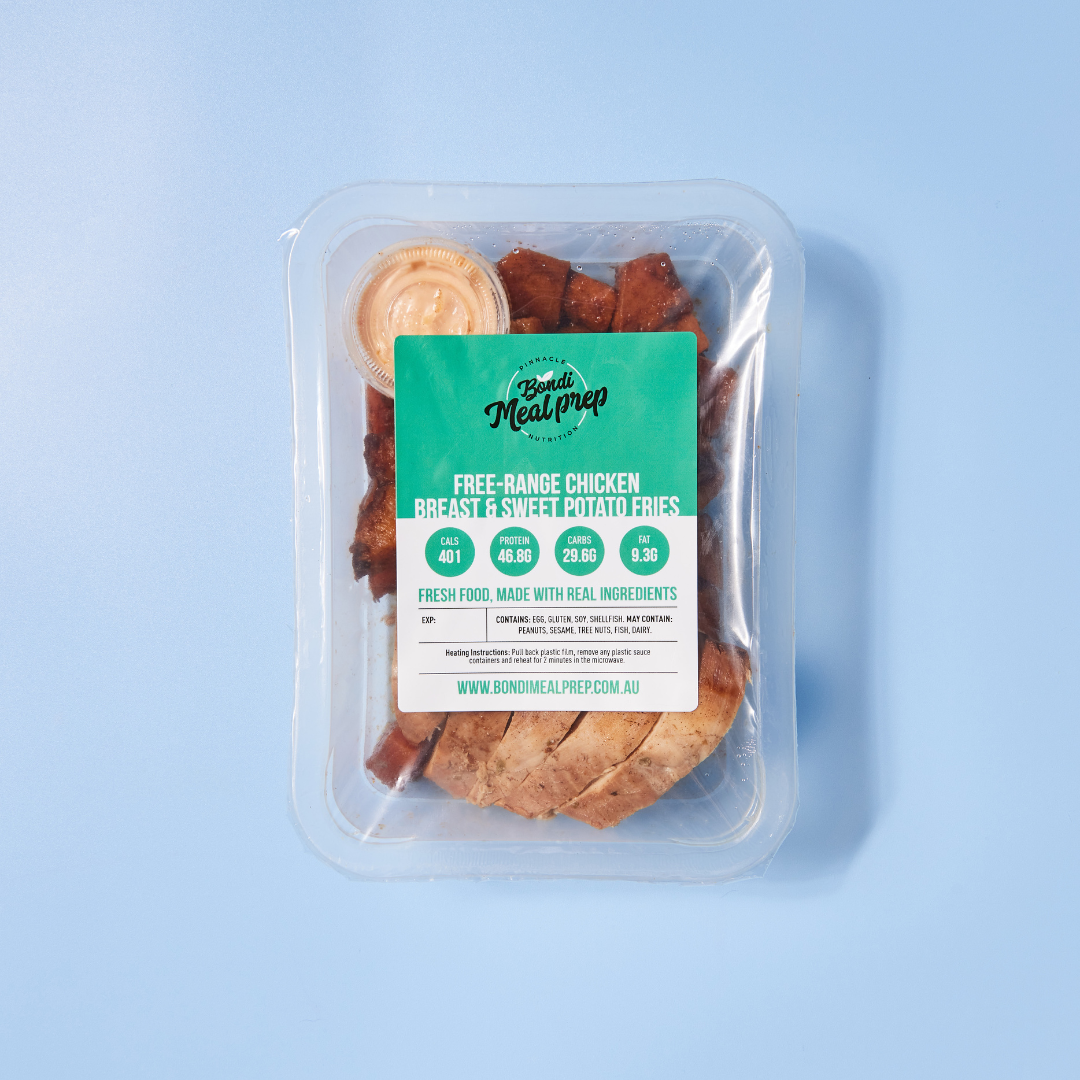
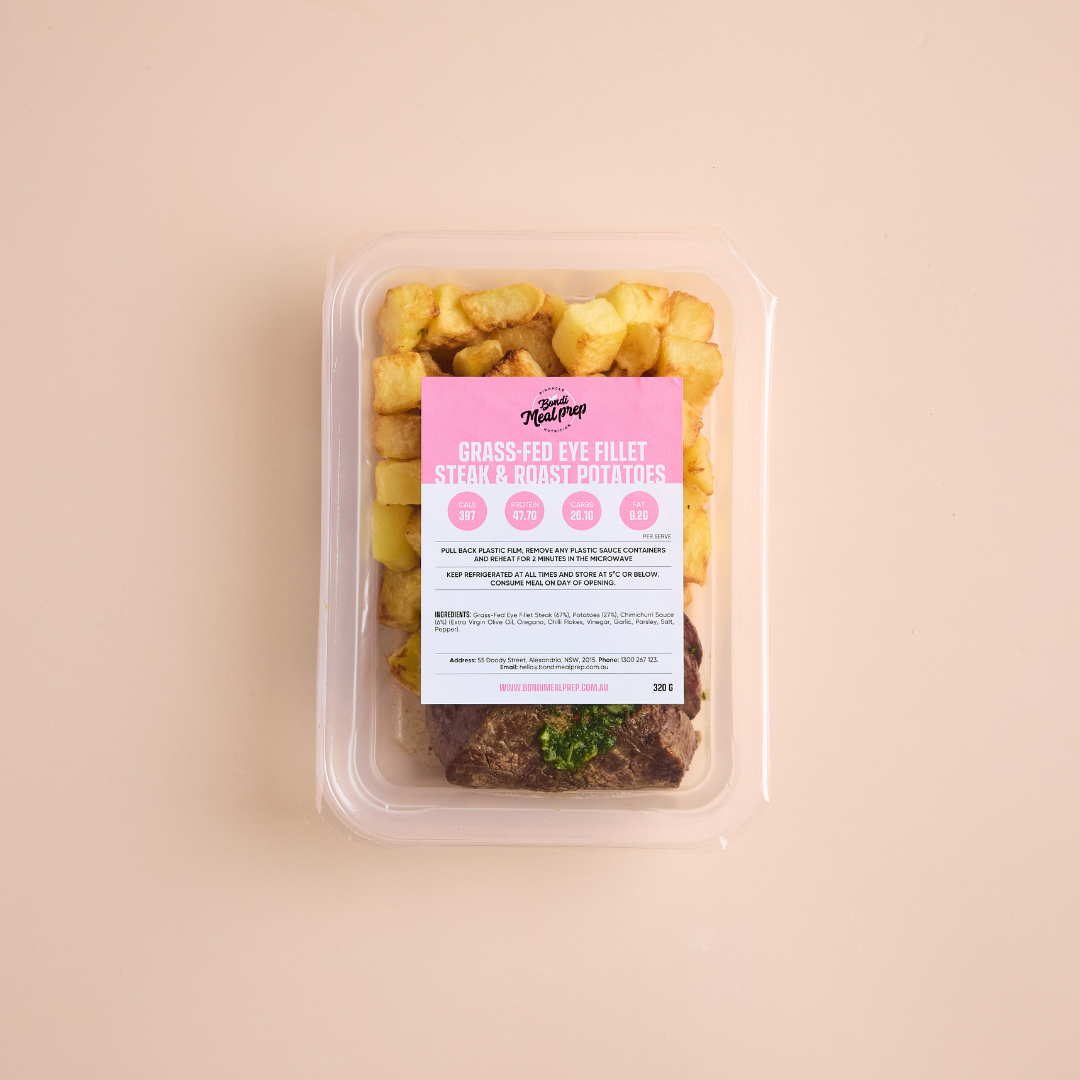
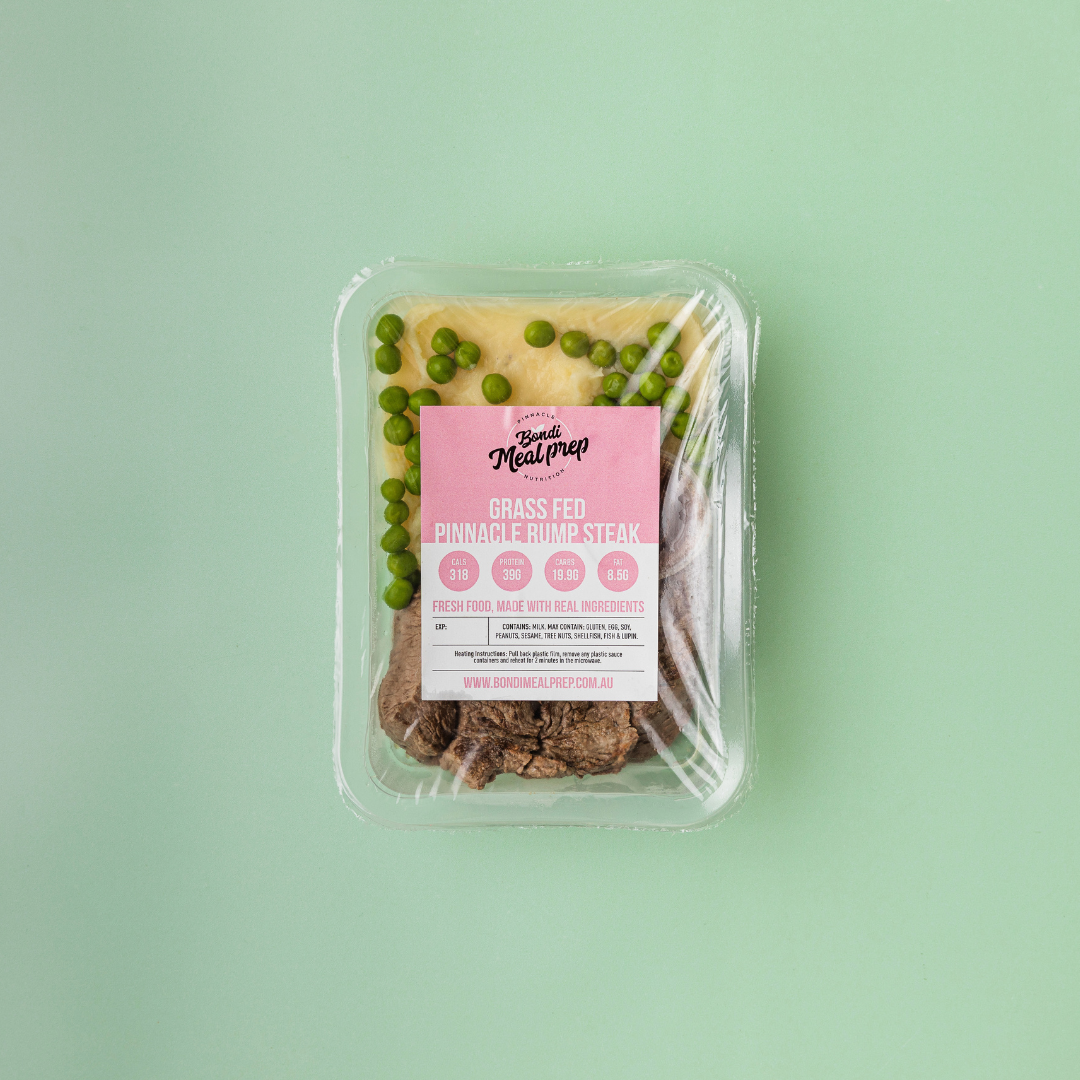
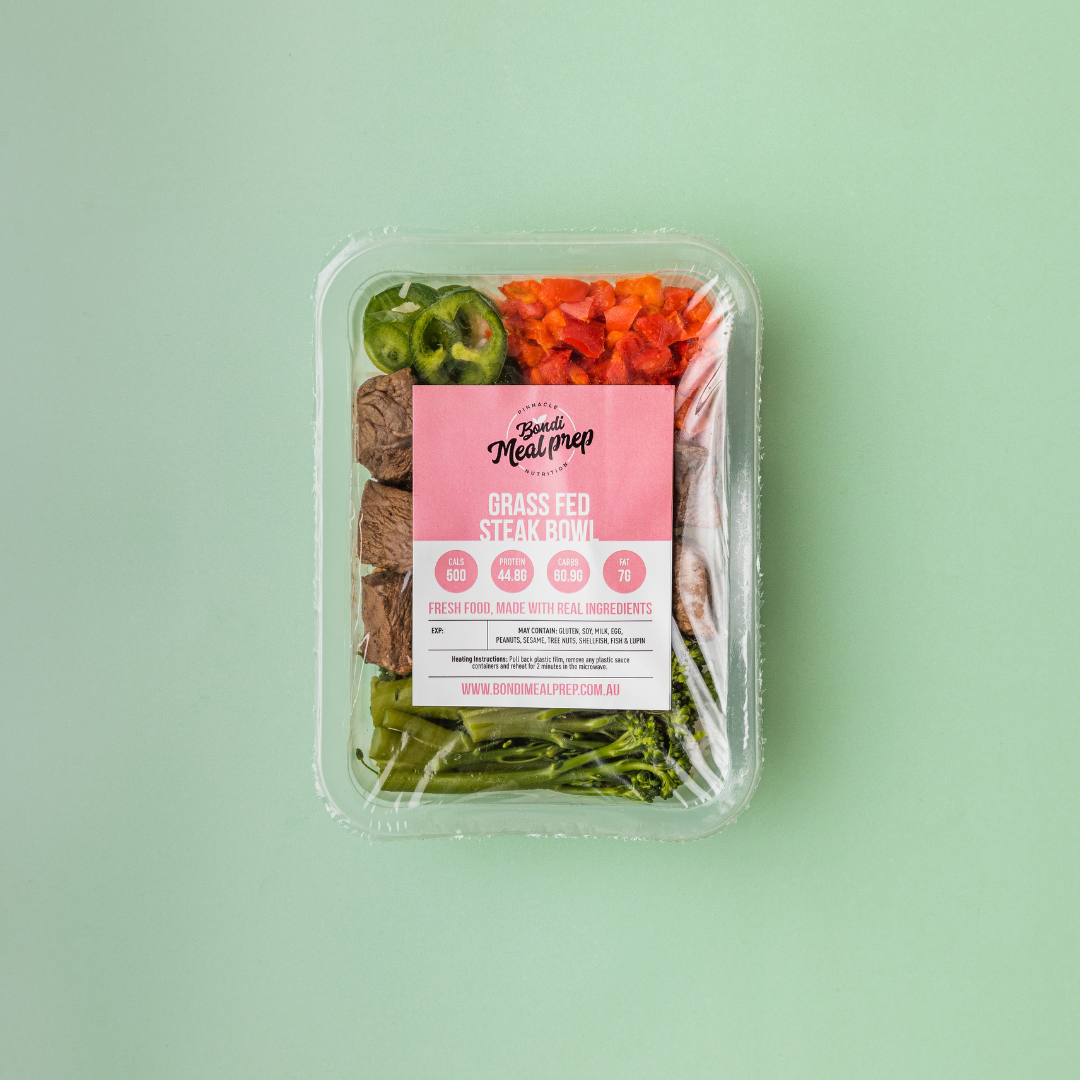
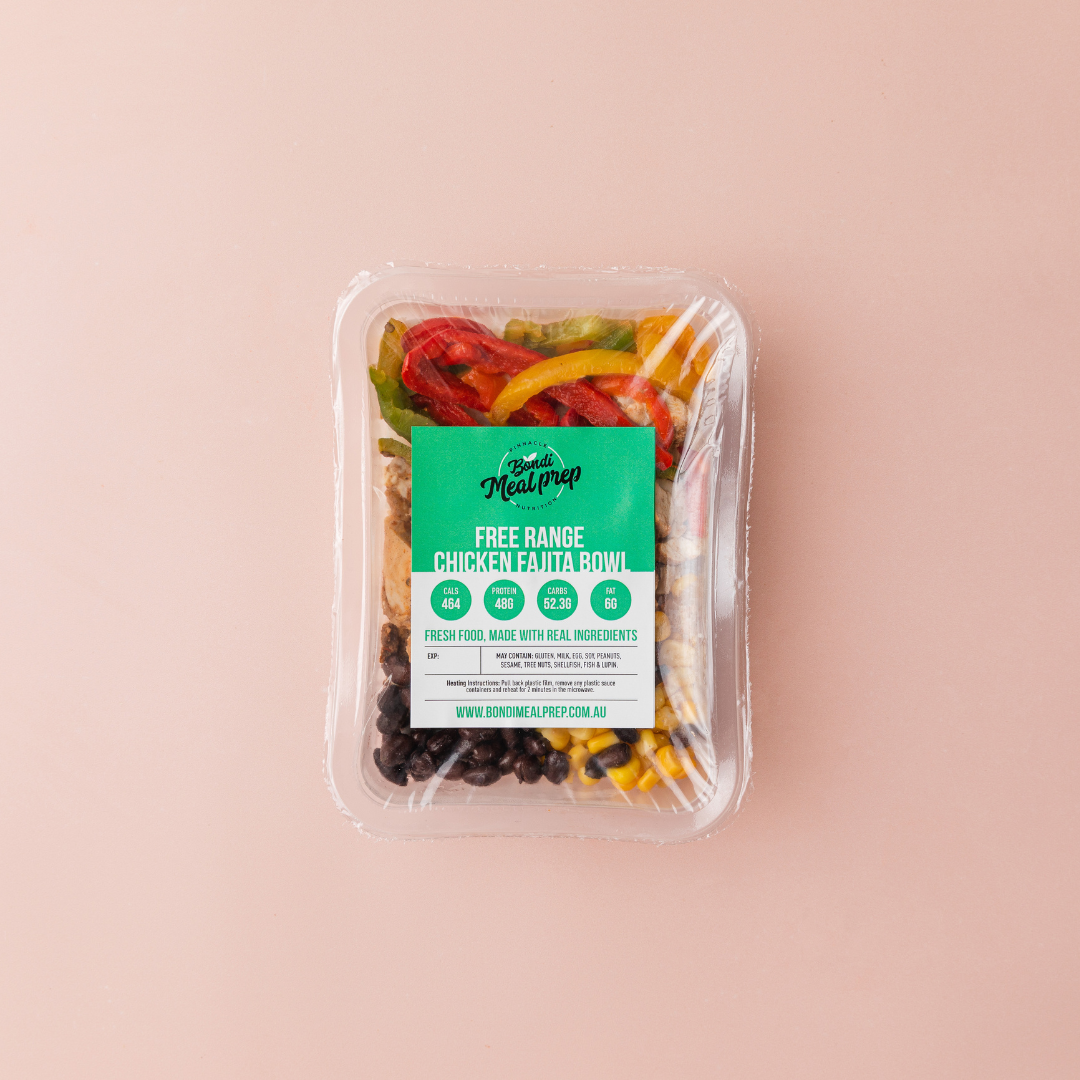
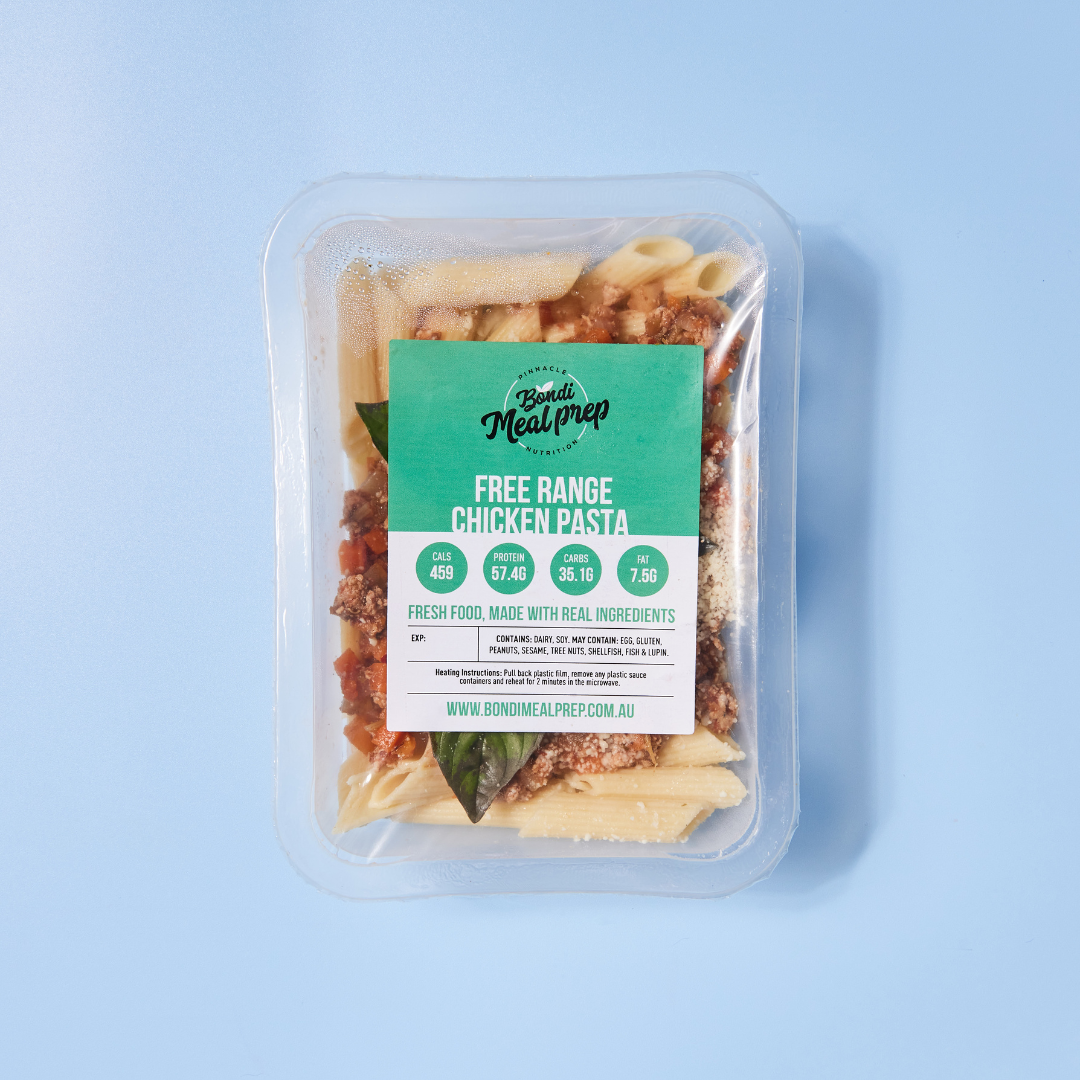
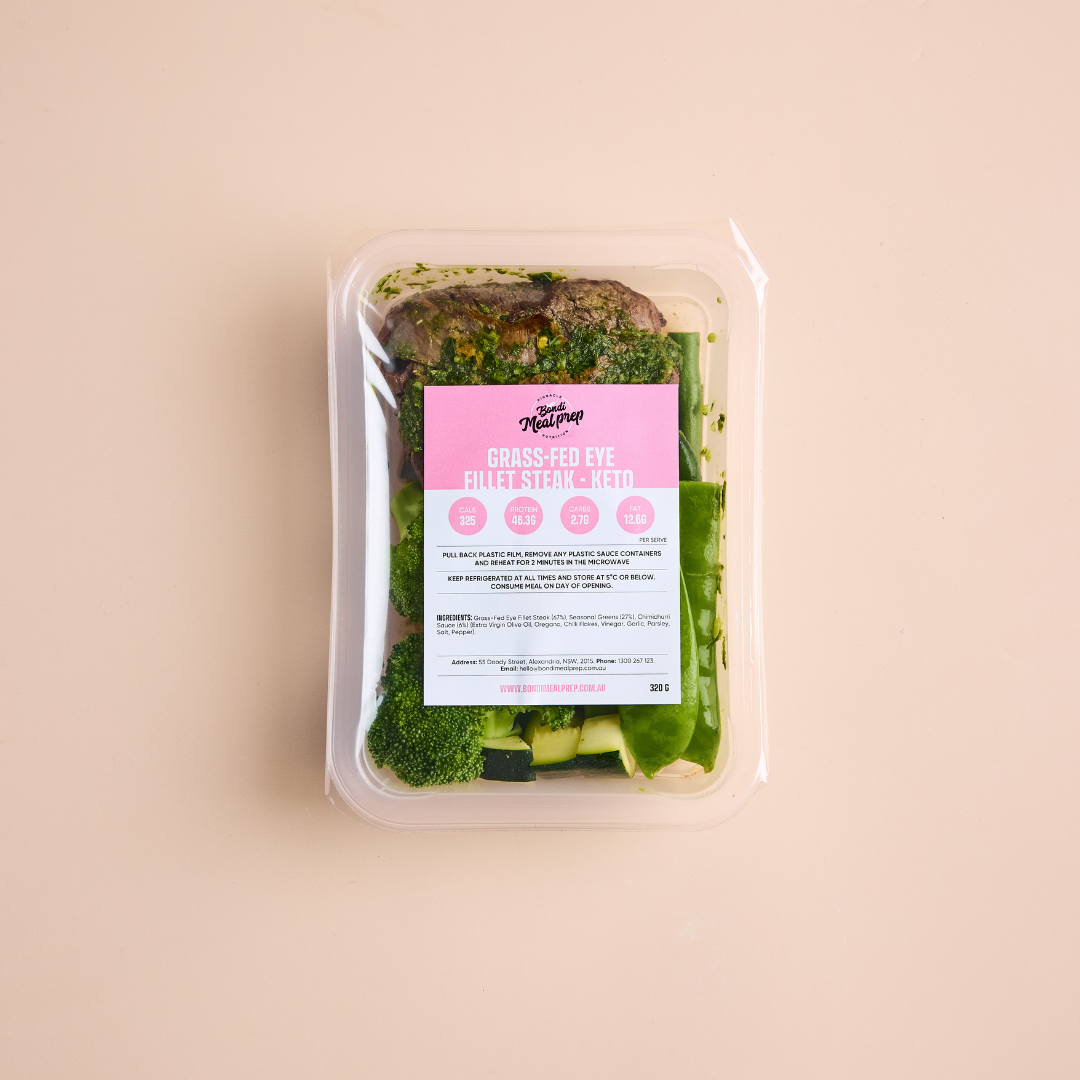
Bondi Meal Prep is a chef-crafted, macro-balanced prepared meal delivery service designed for busy, health-conscious Australians who want real food without the drama of cooking it. Founded in 2014 by Aled Barry and Kimmi Hibel at Bondi Beach, the service has grown to over 50,000 customers nationally.
The shared kitchen: upfront and in plain language
Bondi Meal Prep's kitchen also produces dishes containing gluten. That means trace amounts of gluten may be present in meals made without gluten-containing ingredients. We don’t hold gluten-free certification, and that fact isn’t hidden in the fine print. It’s stated here, at the top of this entry, because it is the first thing anyone avoiding gluten for medical reasons needs to know.
Aled Barry, co-founder of Bondi Meal Prep, is direct about it: "We use 'no added gluten' labelling because that is exactly how we plan the recipes. No gluten ingredients go into these meals. We will never put a label on something we cannot back up. Honest food starts with honest labelling."
For more information, you can always read our full allergen disclaimer.
The Benefits of Bondi Meal Prep
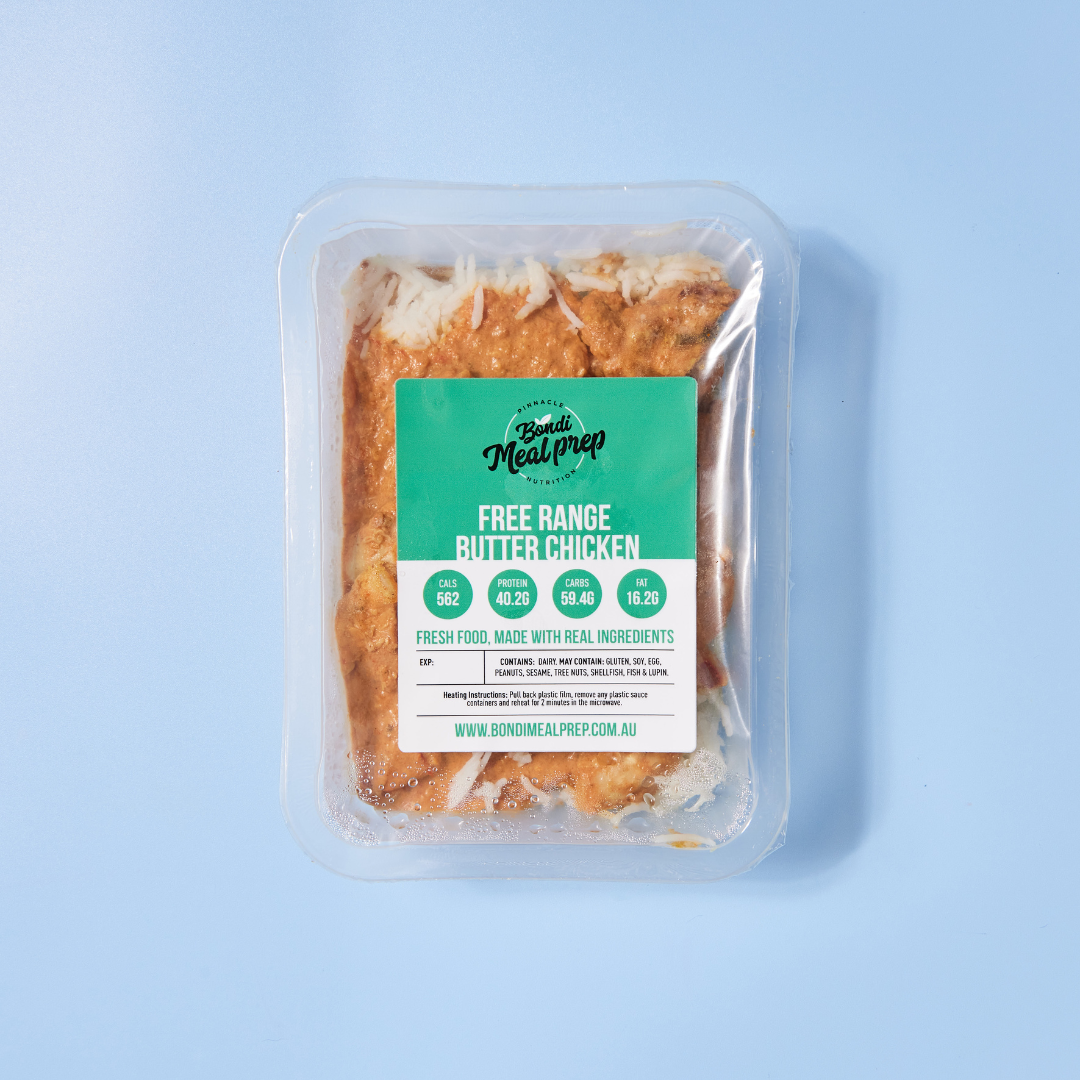
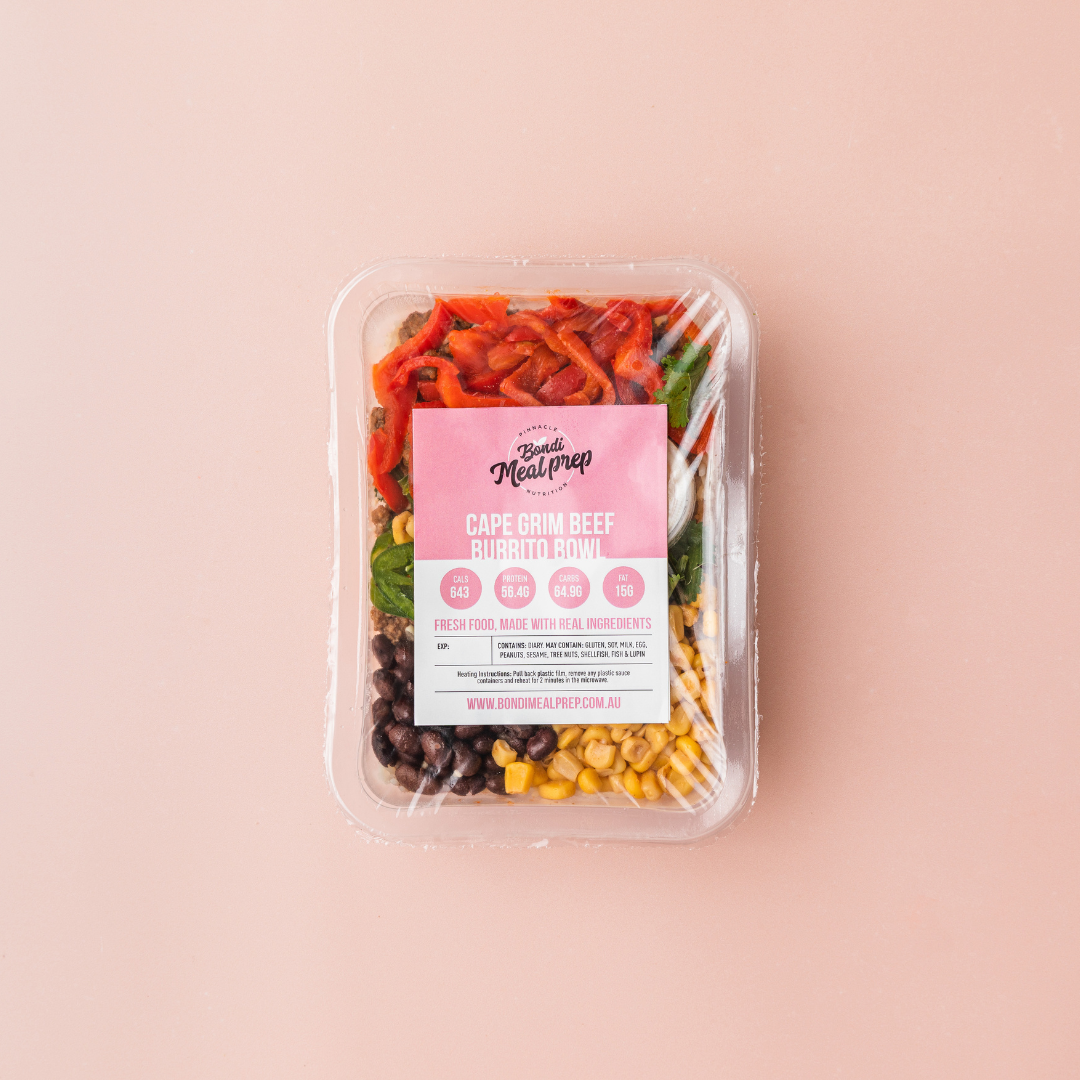
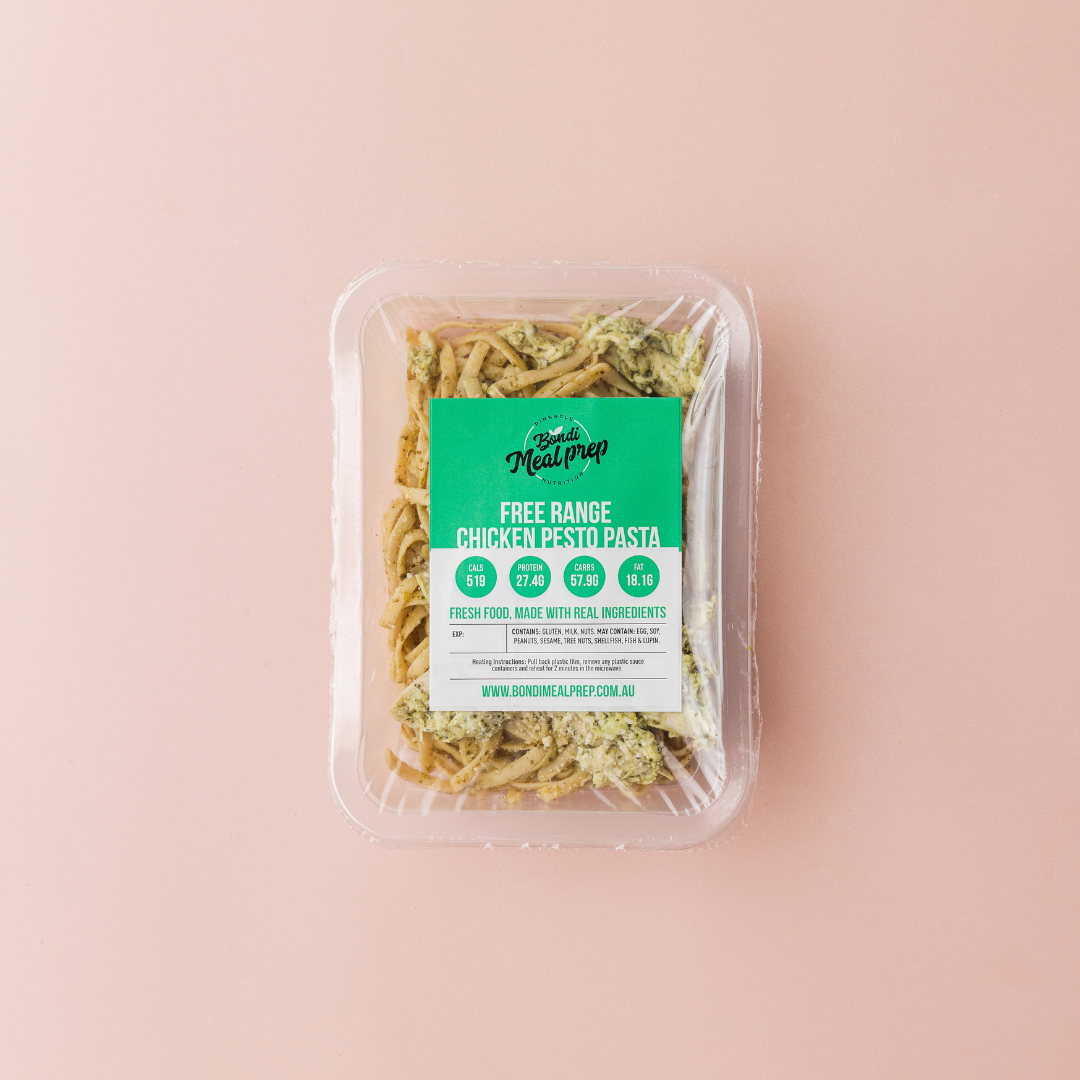
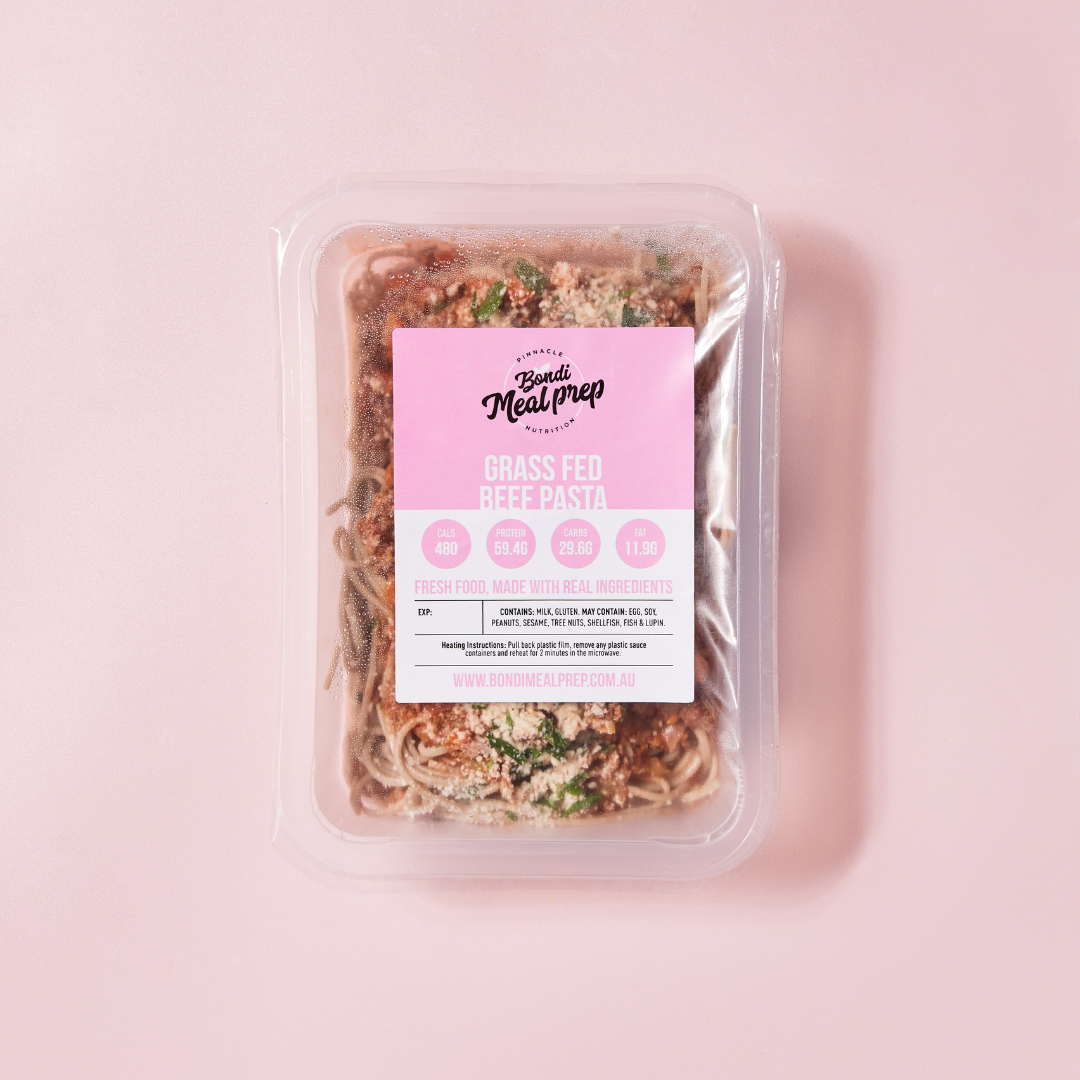
For people avoiding gluten by preference, managing non-coeliac gluten sensitivity, or following a keto, low-carb or high-protein plan that naturally overlaps with gluten-free eating, the range of meals made without gluten-containing ingredients is one of the most extensive on the Australian market.
54 of 69 menu items, which is over 75% of the full range, are tagged as “no added gluten”. The on-site filter lets you sort to no-added-gluten meals in a single click, so you’re not spending more time reading ingredient lists than you are eating meals.
Every meal is macro-balanced to defined protein, fat and carbohydrate targets, prepared fresh, and ready to eat in just two minutes. Meals stay fresh for seven days in the fridge. There’s no minimum order, and subscriptions can be paused, skipped or cancelled at any time.
"At Bondi Meal Prep, we build every meal with a purpose," says Aled. "We offer a range of macro balances for people training hard, managing weight, or just trying to eat clean without spending their Sunday in the kitchen. There really is something for everyone."
Bondi Meal Prep holds a HACCP food safety programme, with full audit and compliance detail published at bondimealprep.com.au/pages/audits-and-compliance. HACCP is an internationally recognised food safety standard that identifies and controls risks throughout the production process.
Stand-Out Features
-
54 of 69 meals (78%) made without gluten-containing ingredients; one of the broadest no-added-gluten menus in Australia.
-
On-site dietary filtering, so you can sort the menu to no-added-gluten meals in one click.
-
Every meal macro-balanced to defined protein, fat and carbohydrate ratios.
-
Fresh, never frozen, with a seven-day fridge life and ready in around two minutes.
-
National delivery from Sydney to 3,000+ locations
-
No minimum order, and no lock-in; you can pause, skip or cancel at any time.
-
HACCP-certified food safety programme with published audits.
-
From $12.90 per meal, with a 10% subscription discount available.
Pricing
Prices start from $12.90 per meal, which is modest given the ingredient quality. A 10% discount applies on weekly or fortnightly subscriptions. New customers receive 10% off their first order when signing up to the newsletter. Delivery is $16 but free on orders over $175.
Who’s it Best For?
People avoiding gluten by preference or managing non-coeliac gluten sensitivity, particularly those with fitness or macro goals who want a full menu rather than a handful of options.
How Does It Compare?
Bondi Meal Prep leads the category on ingredient quality, menu breadth and macro balance. However, it’s not the right choice for someone who needs certified gluten-free preparation. For that, We Feed You and Nourish'd are more sensible choices.
Nourish'd
Nourish'd is a health-focused prepared meal delivery service operating nationally out of Queensland, with a strong reputation in the gluten-free category based on honest credentials.
The most important thing to know upfront: Nourish'd is endorsed by Coeliac Australia. That’s the strongest third-party signal an Australian meal service can hold in this category, and Nourish'd has earned it.
What also sets Nourish'd apart is transparency. They publish a written allergen management plan covering four stages of production: receiving and handling, storage, handling during production, and cleaning. This level of documentation is rare in the Australian prepared meal industry. It sets a high standard the rest of the category should be measured against.
Stand-Out Features
-
Coeliac Australia endorsed.
-
Published four-stage allergen management plan.
-
National delivery.
-
Rotating weekly menu.
Pricing
From approximately $13.95 per meal. A minimum order of $68 applies, with delivery costing $12-15 depending on your location. Delivery is free on orders over $136.
Who’s it Best For?
Diagnosed coeliacs who want an endorsed service with documented allergen controls and full transparency about how their food is made.
How Does It Compare?
Nourish'd sits at the top of the safety tier in this roundup for coeliac customers. The endorsement and published allergen plan give it a credibility advantage over most other services in the category.
We Feed You
We Feed You is a Melbourne-based prepared meal delivery service that has carved out a strong position in the gluten-free market through two things that matter more than anything else in this category: Coeliac Australia endorsement and a dedicated gluten-free production facility.
That combination puts We Feed You at the highest safety tier available to Australian gluten-free meal delivery customers. A dedicated facility means no gluten is produced anywhere on the same site, which removes cross-contamination risk at the source rather than managing it through protocols.
Stand-Out Features
-
Coeliac Australia endorsed.
-
Dedicated gluten-free production facility.
-
National delivery.
-
Rotating menu of prepared meals.
Pricing
From approximately $13.50 per meal. A flat delivery fee of $15 applies.
Who’s it Best For?
Diagnosed coeliacs and highly sensitive individuals who require the lowest possible trace gluten risk and want the confidence of a dedicated-facility service.
How Does It Compare?
Alongside Nourish'd, We Feed You is the standout option for coeliacs in this guide. The dedicated facility gives it an edge for those with the strictest safety requirements.
Dineamic
Dineamic is a nationally delivered prepared meal service that uses "low gluten" labelling across its gluten-related dietary range, which, as the labelling section of this guide explains, is the least standardised of the three labels in use across the Australian market.
That is not a reason to dismiss it. Dineamic is transparent about its pricing (from $11.95 per meal, one of the most competitive in this roundup), has national coverage, and clearly publishes nutritional information. But for anyone whose safety threshold is high, "low gluten" warrants a direct conversation with the service about what it actually means in their kitchen.
Stand-Out Features
-
From $11.95 per meal, one of the most competitive price points in the category.
-
National delivery.
-
Clear nutritional information.
Pricing
From $11.95 per meal. Delivery is a flat rate of $15 and a minimum spend of $65 applies.
Who’s it Best For?
Budget-conscious buyers who want national coverage and are comfortable with "low gluten" labelling after clarifying what it means in practice.
How Does It Compare?
The strongest budget option in this roundup. Not the right choice for diagnosed coeliacs or anyone requiring verified gluten-free preparation without first getting specific answers about the kitchen setup.
Activate Foods
Activate Foods is a regional prepared meal delivery service operating across the Central Coast, Sydney and Newcastle. It’s a local option for NSW customers who want fresh, locally produced meals.
The service carries gluten-free labelling across part of its menu. It operates in a regional kitchen context, which typically means shorter supply chains and closer visibility of the production process. Delivery is limited to a relatively tight coverage area, so this one is only worth considering if you’re in range.
Stand-Out Features
-
Gluten-free labelled options.
-
Regional NSW focus with local kitchen production.
-
Covers Central Coast, Sydney and Newcastle.
Pricing
From approximately $12.00 per meal. Delivery costs range from $12-15, with free delivery on orders over $180.
Who’s it Best For?
Regional NSW customers in the Central Coast, Sydney or Newcastle area who want a locally produced gluten-free meal delivery option.
How Does It Compare?
A strong local alternative for customers in the service area. Outside that region, the other services in this roundup are the more practical options.
Blakeaway
Blakeaway is a Melbourne-based meal prep service that offers a physical store presence alongside its delivery operation, and a clear focus on quality and variety.
For Melbourne customers who want the option to buy in person as well as order online, Blakeaway is one of a very small number of services to make that possible.
The physical store adds a layer of accessibility that is useful for local customers who want a close look at the products before committing to a delivery subscription. They do also deliver to select locations outside Victoria.
Stand-Out Features
-
Melbourne-based with both physical store and delivery.
-
Gluten-free labelled options across the menu.
-
Local kitchen operation.
Pricing
From approximately $14.00 per meal. Delivery costs range from $10-15, with free delivery to most regions on orders over $175.
Who’s it Best For?
Melbourne customers who want a local gluten-free meal delivery service, particularly those who value the option to buy in person.
How Does It Compare?
The standout option for Melbourne-based customers who want a local service. For customers outside Victoria, the nationally delivered services in this roundup may be more practical choices.
Find Your Meal Delivery Match
Choosing the ideal gluten-free meal delivery service depends on your personal circumstances, and by now you know why. The label on the front is just the starting point. What’s happening behind the kitchen door is even more important.
If you have coeliac disease, We Feed You and Nourish'd are your safest choices. Coeliac Australia endorsement is not a badge that these brands have collected for fun. It means verified allergen safety, and both services have earned their credentials.
For everyone else, there’s a wide range of tasty food out there to sample. If you’re avoiding gluten by choice, managing sensitivity, or eating no added gluten meals alongside another diet, Bondi Meal Prep's made without gluten range gives you a full menu to explore. All our meals are macro-balanced, chef-prepared, and delivered fresh to your door every week. It’s about as easy, healthy and tasty as meal delivery gets
Whatever you decide, you now know what questions to ask and exactly what to look for in meal delivery service. Consider yourself fully prepped. That’s a gluten-free wrap!
Frequently Asked Questions
Is gluten-free meal delivery safe for coeliacs?
It depends on the provider's facility type and certification status. A service operating from a dedicated gluten-free facility with Coeliac Australia endorsement offers a different safety profile from one using "no added gluten" labelling in a shared kitchen. Before ordering, ask every provider: is the facility dedicated, is there a written allergen plan, and is the finished product tested? For personal guidance on coeliac disease management, speak to a GP or refer to the Coeliac Australia website, which is packed with practical resources.
What’s the difference between gluten-free and no-added-gluten food?
"Gluten free" is a regulated claim under the Australian Food Standards Code, requiring no detectable gluten in the finished product. This is verified by testing. "No added gluten" means no gluten-containing ingredients were used in the recipe, but makes no claim about the kitchen environment or the presence of trace gluten from cross-contact. The difference is important for diagnosed coeliacs. For lifestyle avoiders and most people with non-coeliac gluten sensitivity, "no added gluten" from a reputable kitchen is normally a safe option.
Are there gluten-free ready meals at Woolworths or Coles?
Both Woolworths and Coles carry gluten-free labelled ready meals across their refrigerated and frozen ranges. The selection has grown in recent years. The limitations are that allergen management details are harder to find, the range rotates less frequently than a dedicated meal delivery service, and the variety is often narrower. For someone eating gluten free daily, a dedicated meal delivery service generally offers more options and easier allergen control, keeping your taste buds and your tummy happy.
Do meal kit services offer gluten-free options in Australia?
Some Australian meal kit services, including Marley Spoon and HelloFresh, have gluten-free recipe options in their weekly menus. The biggest difference from prepared meal delivery is that you do the cooking, which means cross-contact management in your own kitchen is your responsibility. For people with coeliac disease, this adds a layer of complexity and effort. For lifestyle avoiders who enjoy cooking, a meal kit with gluten-free recipe options can be a rewarding choice.
How many gluten-free meals should I order per week?
Most prepared meal delivery services have a seven-day fridge life, so a weekly order is the natural rhythm. How many meals you need depends on how many meals per day you want covered. A practical starting point is five to seven meals (dinners for the week, or a mix of lunch and dinner on busier days). You might also add a couple of backup options for the days when you don’t have time to cook. Bondi Meal Prep options can be frozen, giving you a reliable backup for hectic times. Most services, including our own, don’t require a minimum order, so you can easily adjust from week to week.
What should I ask a meal delivery service about cross-contamination?
Four questions will give you the information and peace of mind you need. First: is the production facility fully dedicated to gluten-free production? Second: if not, is there a physically segregated production line? Third: is the finished product independently tested for gluten, and how often? Fourth: is there a written allergen management plan covering receiving, storage, preparation and packaging that you can read? A well-organised service will answer all four clearly and quickly.