

CrossFit Meal Delivery
Bondi Meal Prep's nutritionist-approved meals are designed to support your CrossFit goals, elevating both performance and recovery. With the perfect balance of lean proteins, slow-release carbs, and nutrient-rich veggies, reaching your peak has never been easier or more delicious.

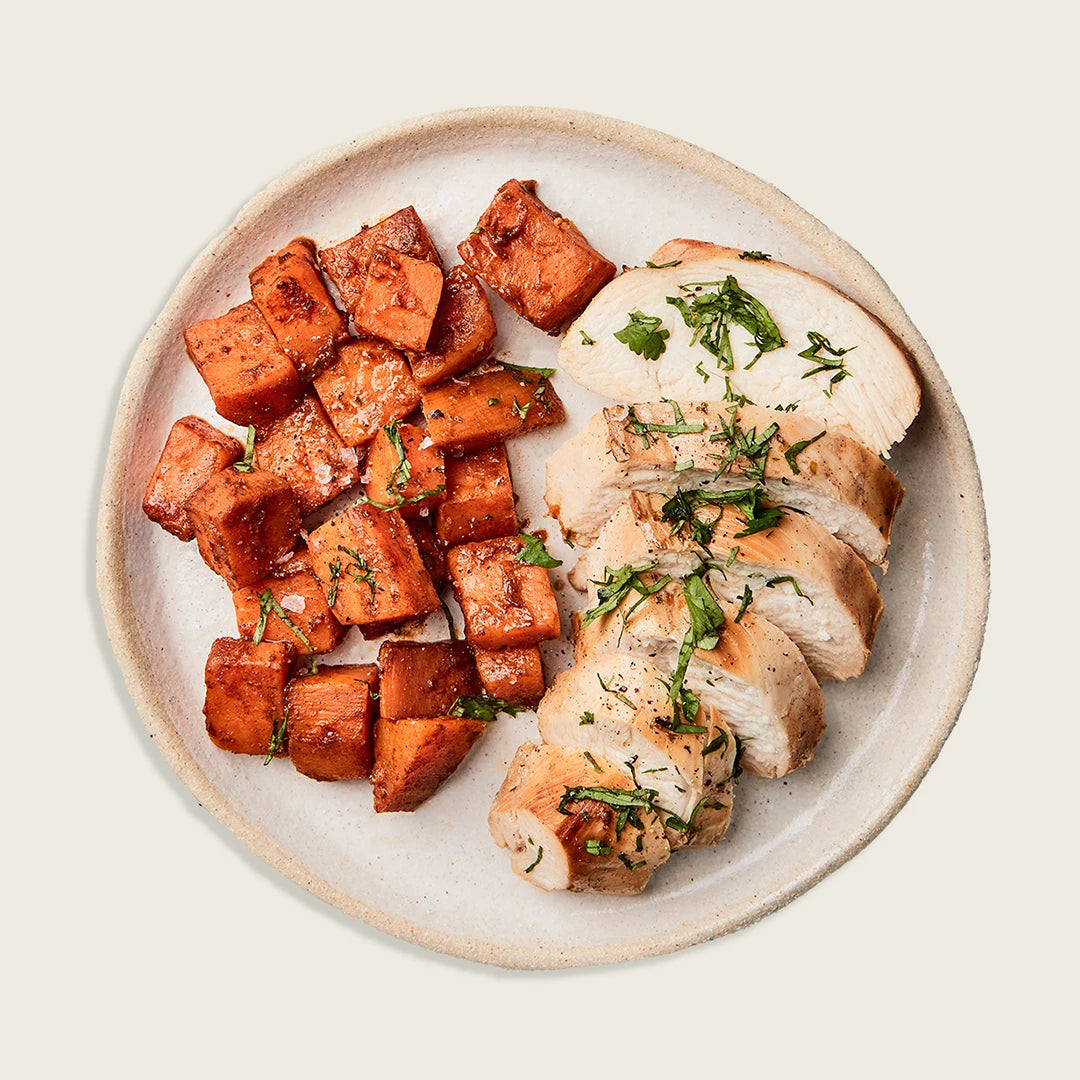
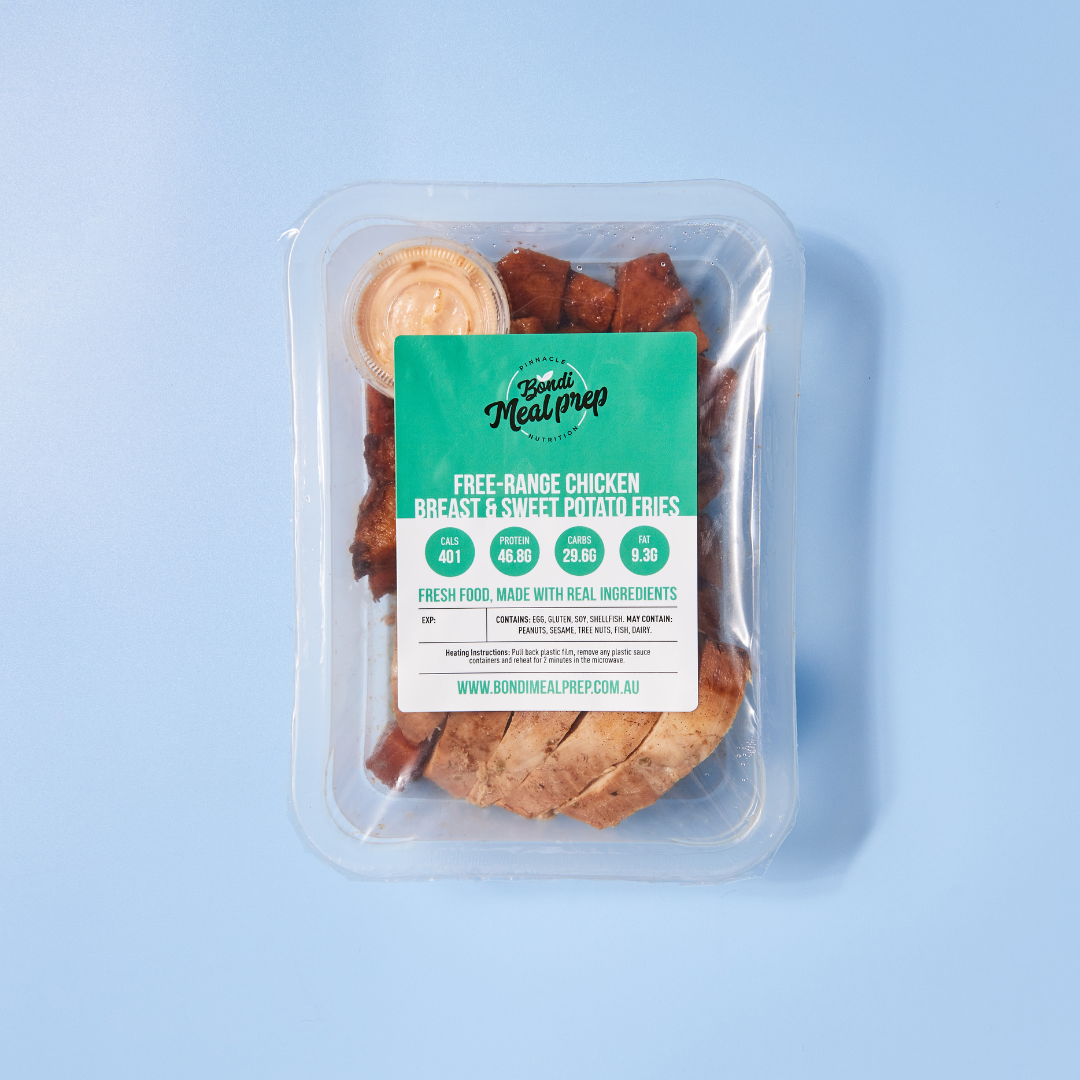
Free-Range Chicken Breast & Sweet Potato Cubes
Free-range chicken breast with roasted sweet potato cubes and a side of smokey chipotle mayo.

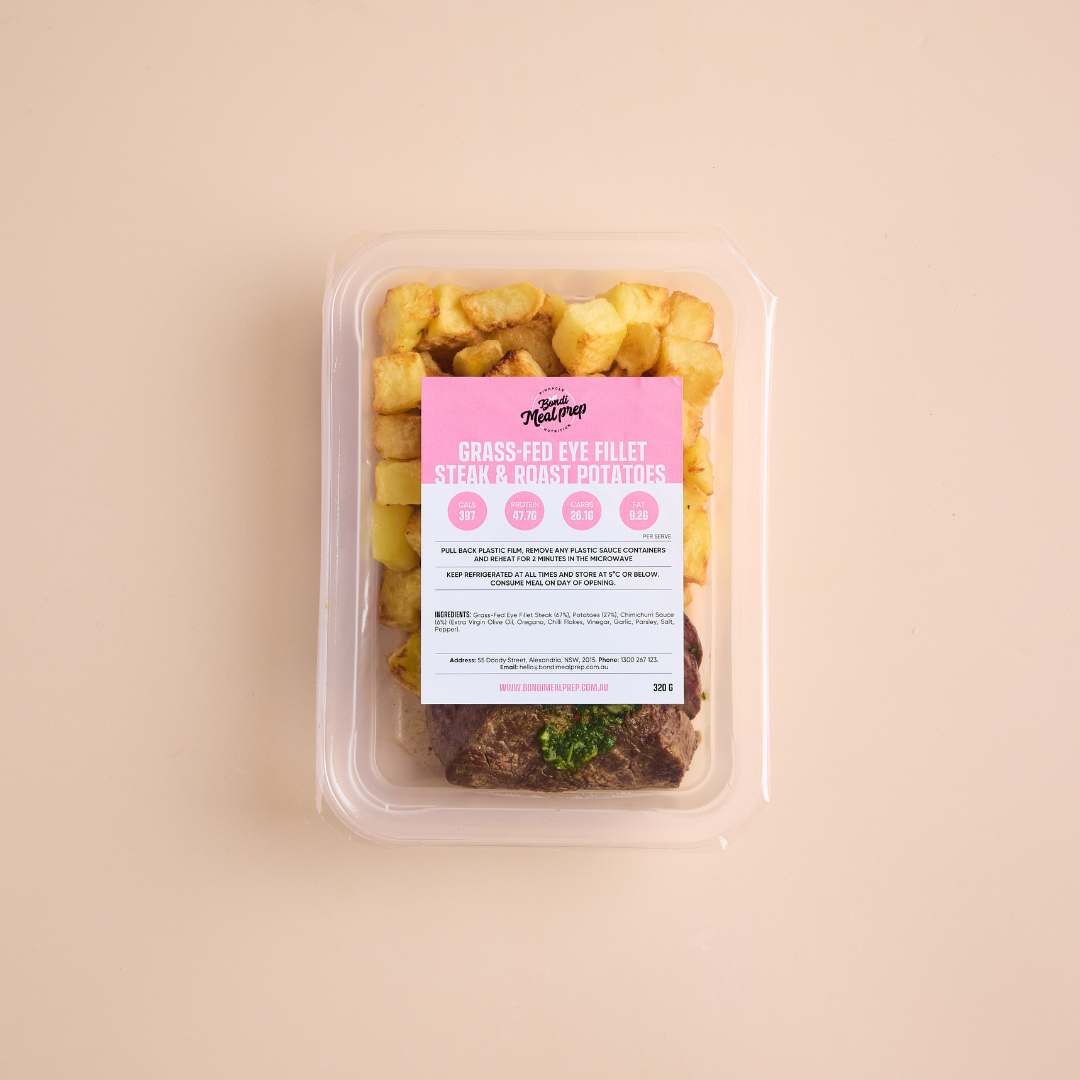
Grass-Fed Eye Fillet Steak & Roasted Potatoes
Tender grass-fed eye fillet steak, oven-roasted potatoes, and chimichurri sauce.

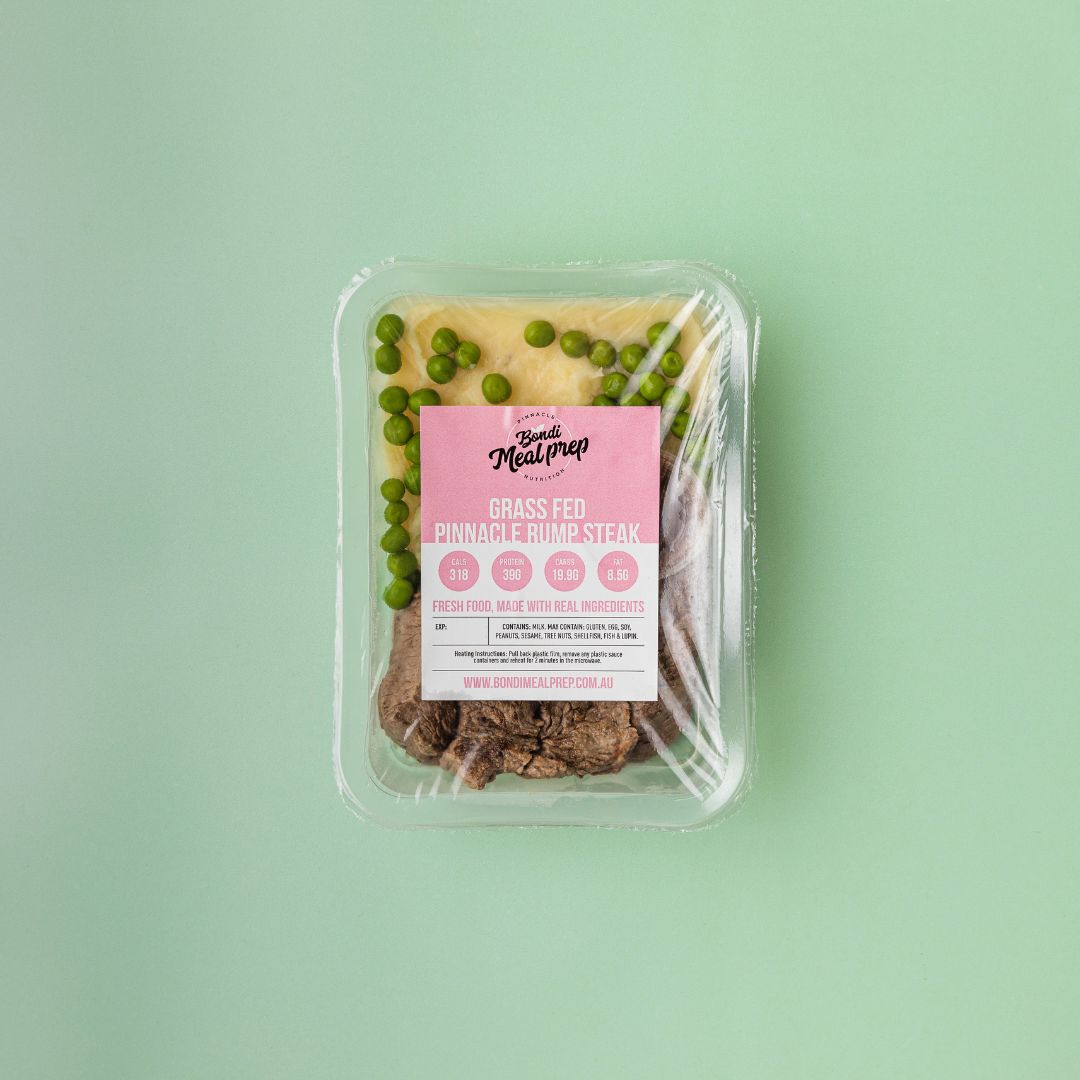
Grass Fed Pinnacle Rump Steak & Mash
Grass fed rump steak with creamy potato mash, peas and pepper gravy.

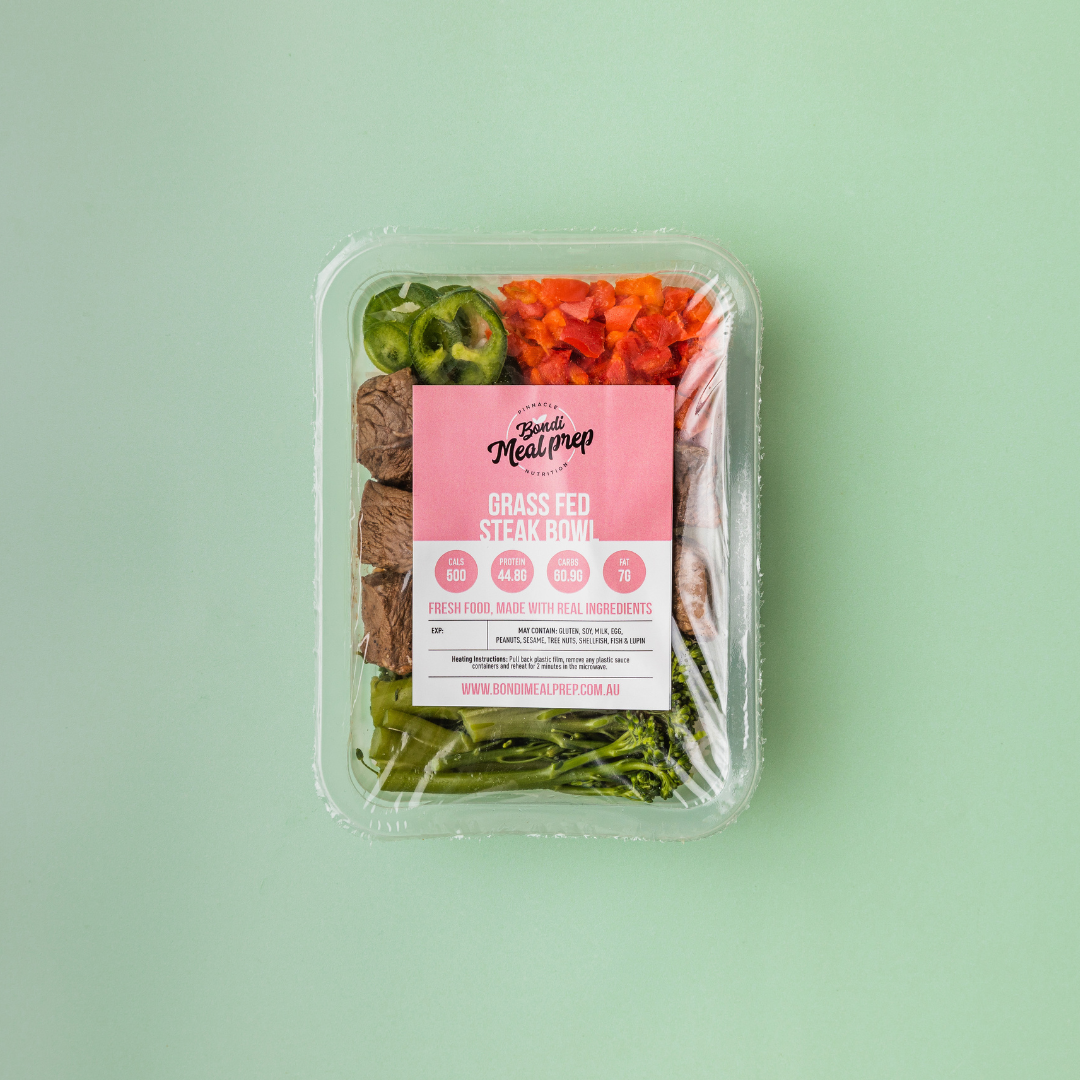
Grass Fed Steak Bowl
Grass-Fed Steak Bowl served with basmati rice, broccolini, roasted capsicum, and jalapeños.

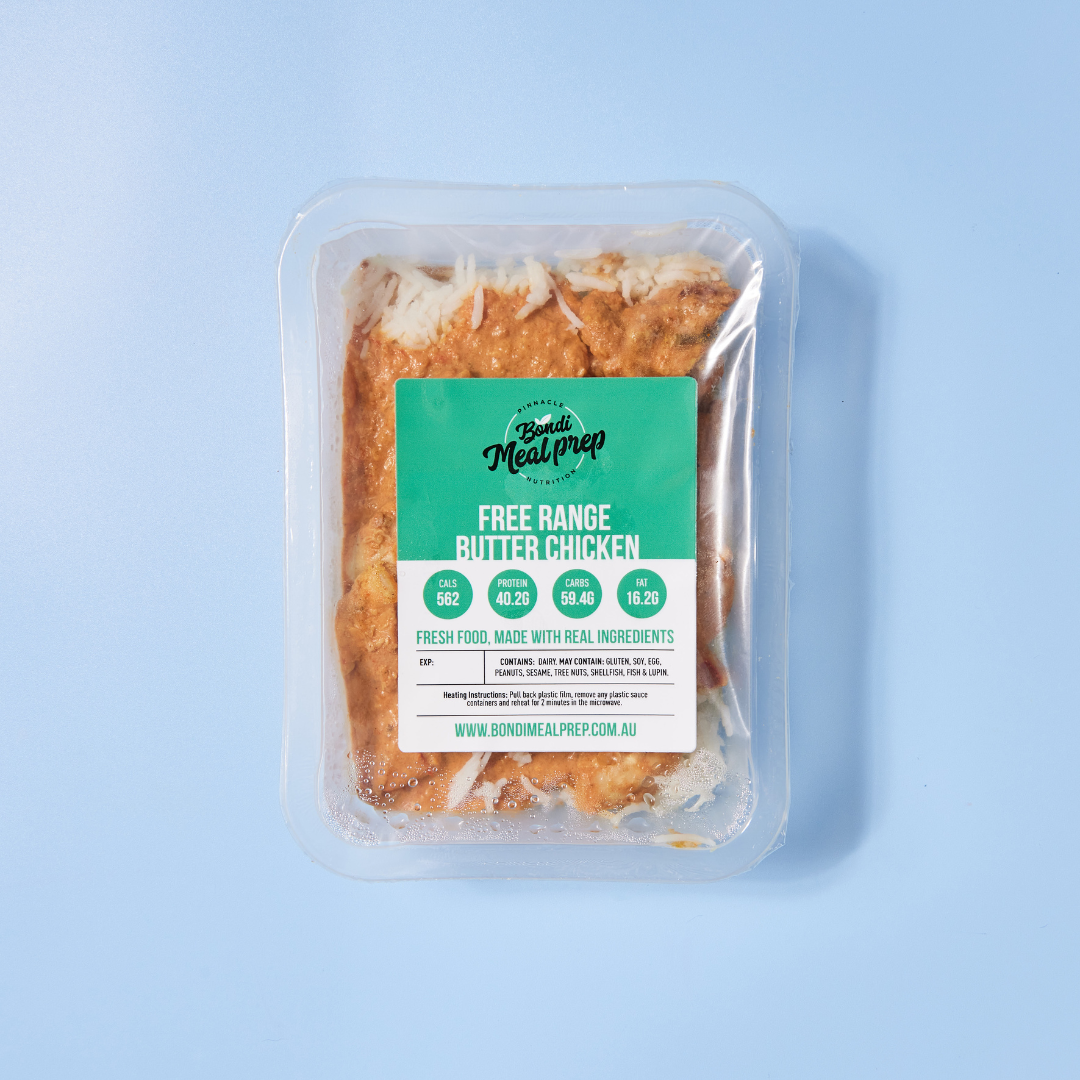
Free-Range Butter Chicken & Basmati Rice
Free range chicken thigh, coated in fragrant spices and curry sauce, on a bed of clean basmati rice.

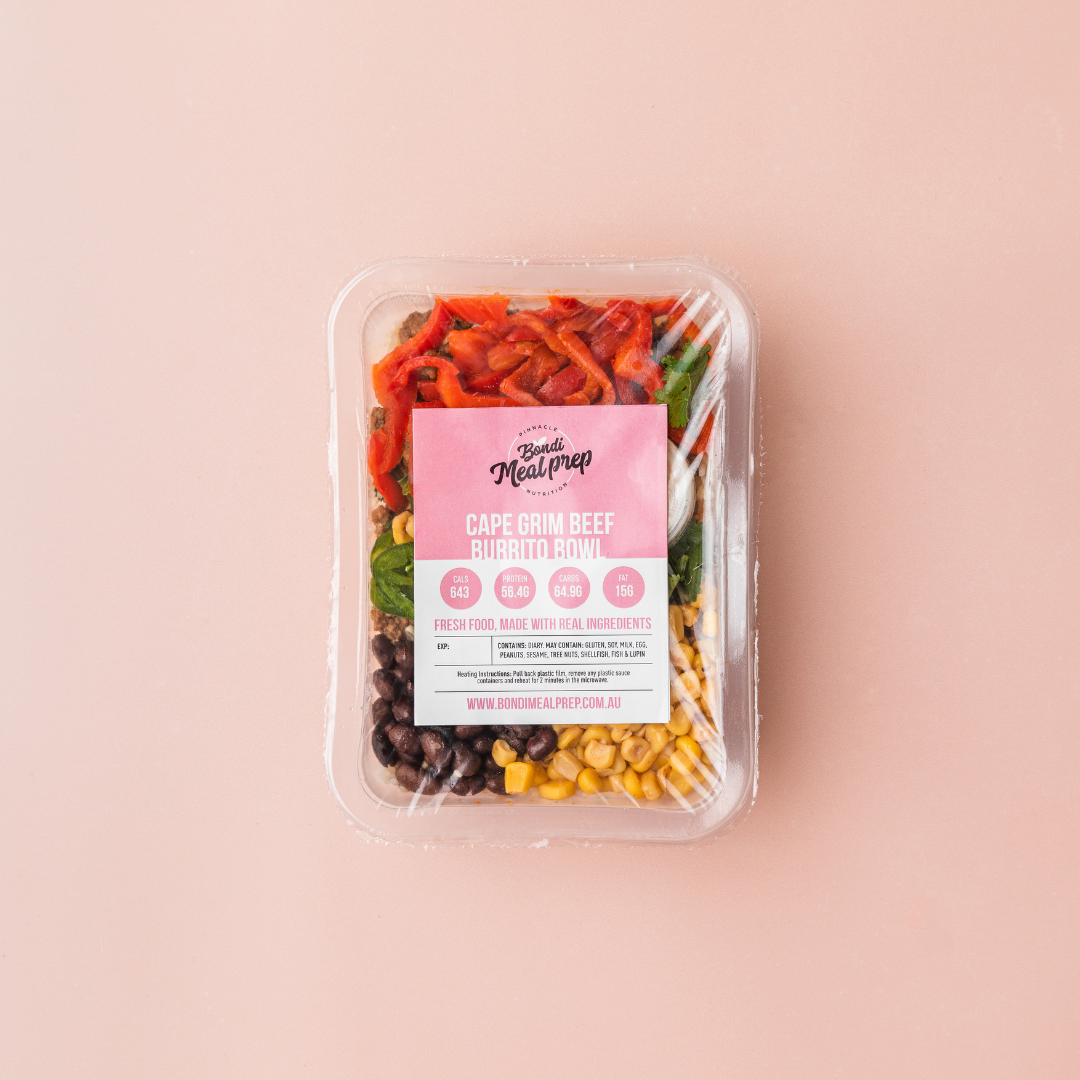
Grass-Fed Beef Burrito Bowl
Grass fed beef mince with cilantro basmati rice, chilli corn, black beans, capsicum, and cheddar cheese.

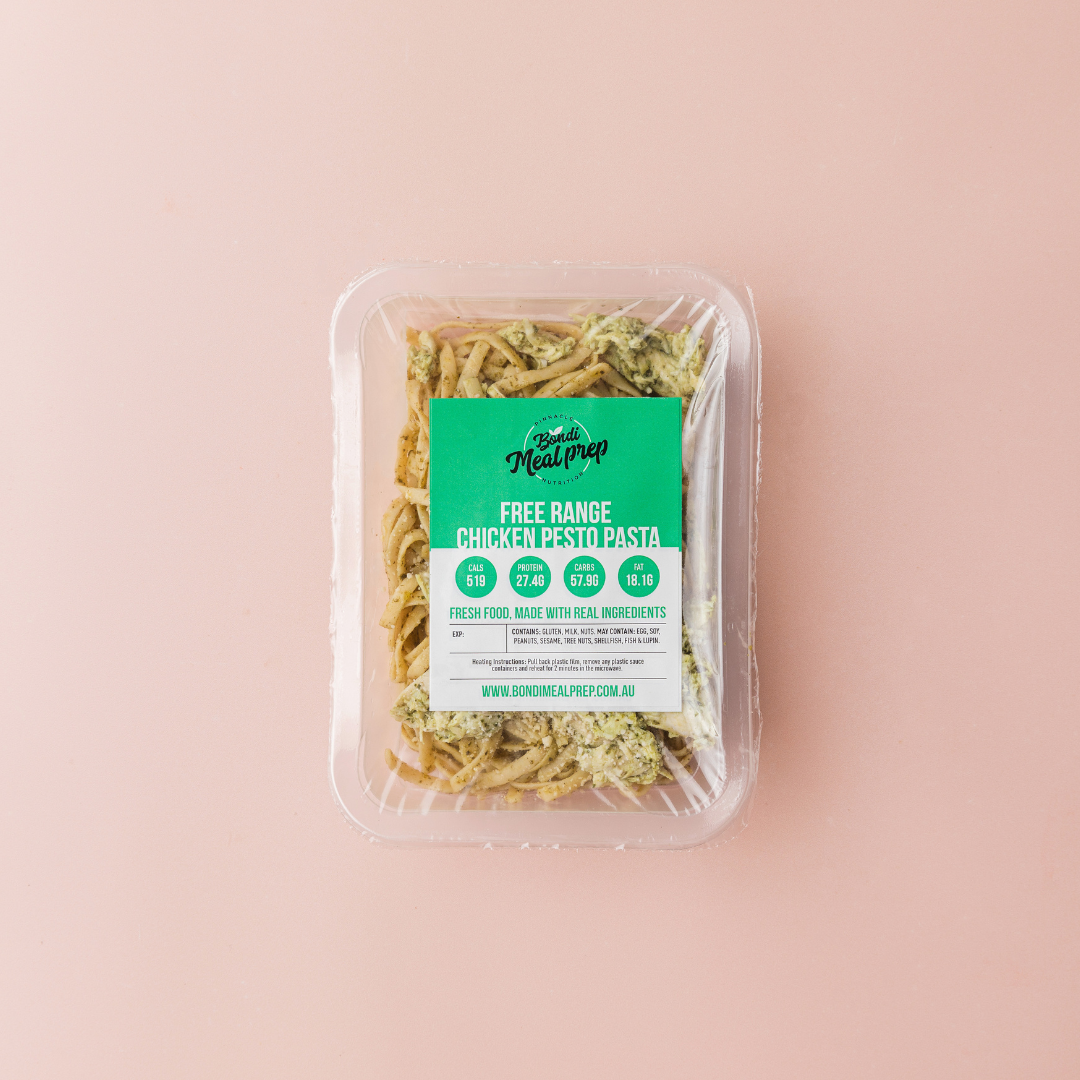
Free Range Chicken Pesto Pasta
Free range chicken breast on a bed of linguine, tossed with fresh basil, garlic, pine nuts and parmesan cheese.
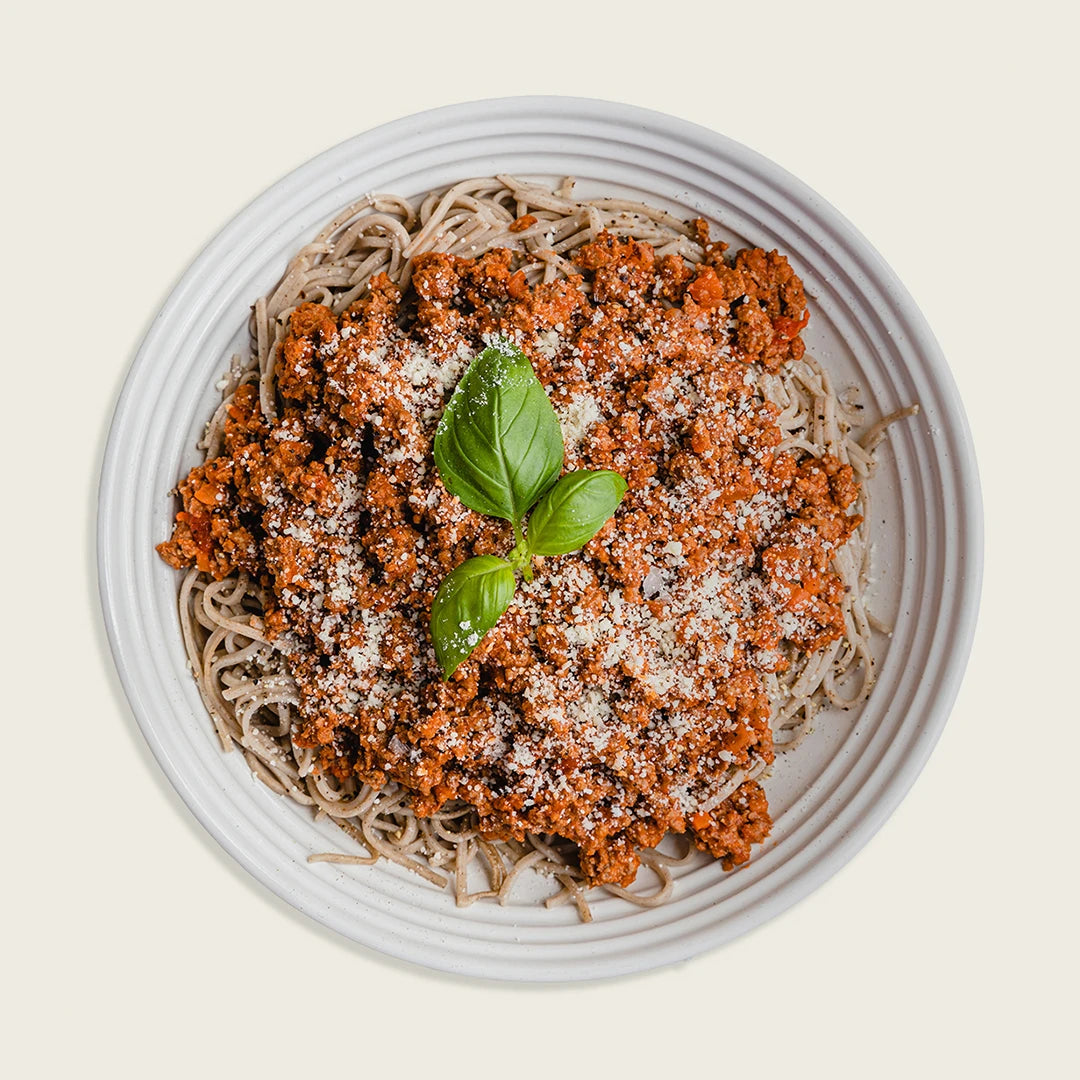
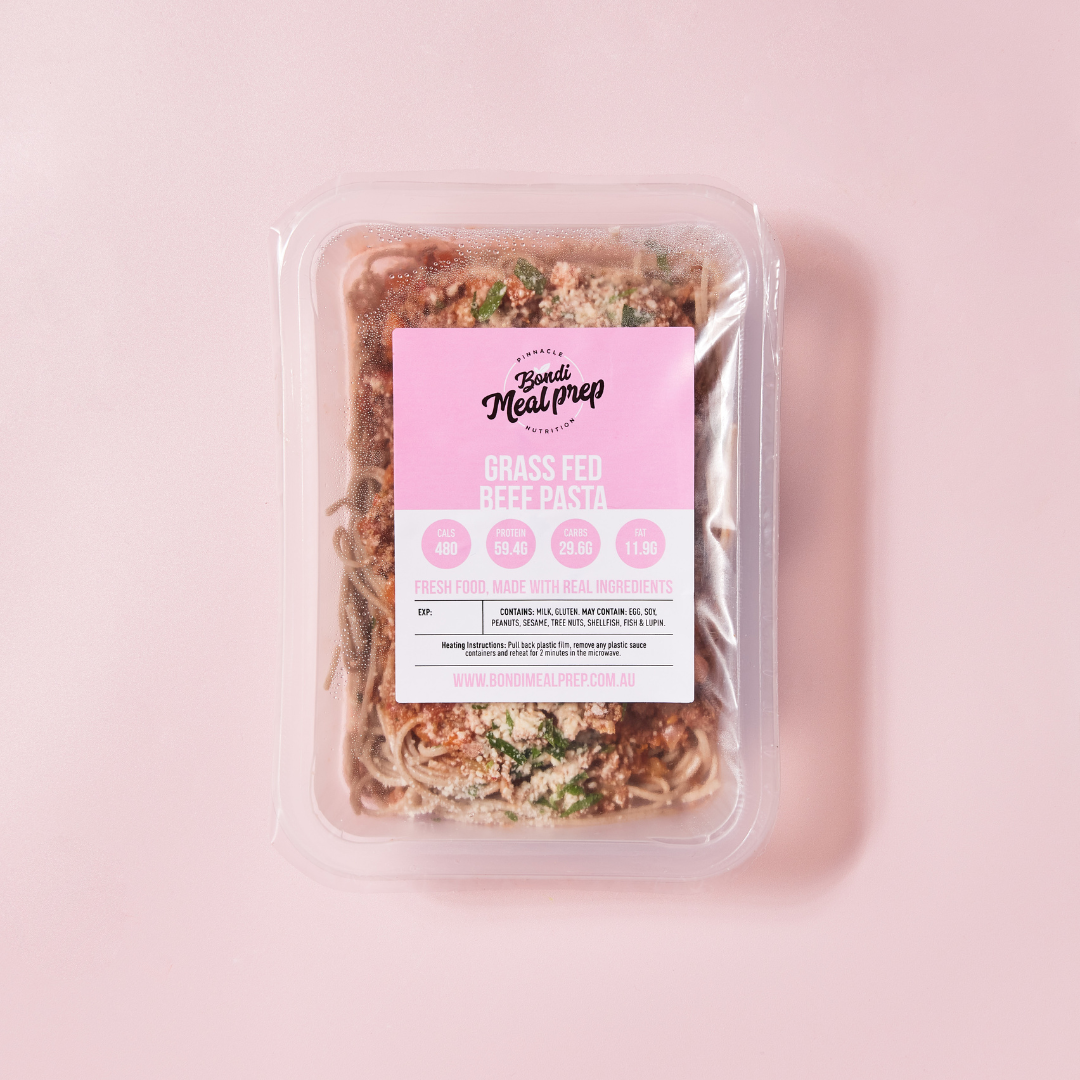
Grass-Fed Beef Pasta
Grass-fed beef bolognese, on a bed of organic soba noodles, topped with parmesan and parsley.

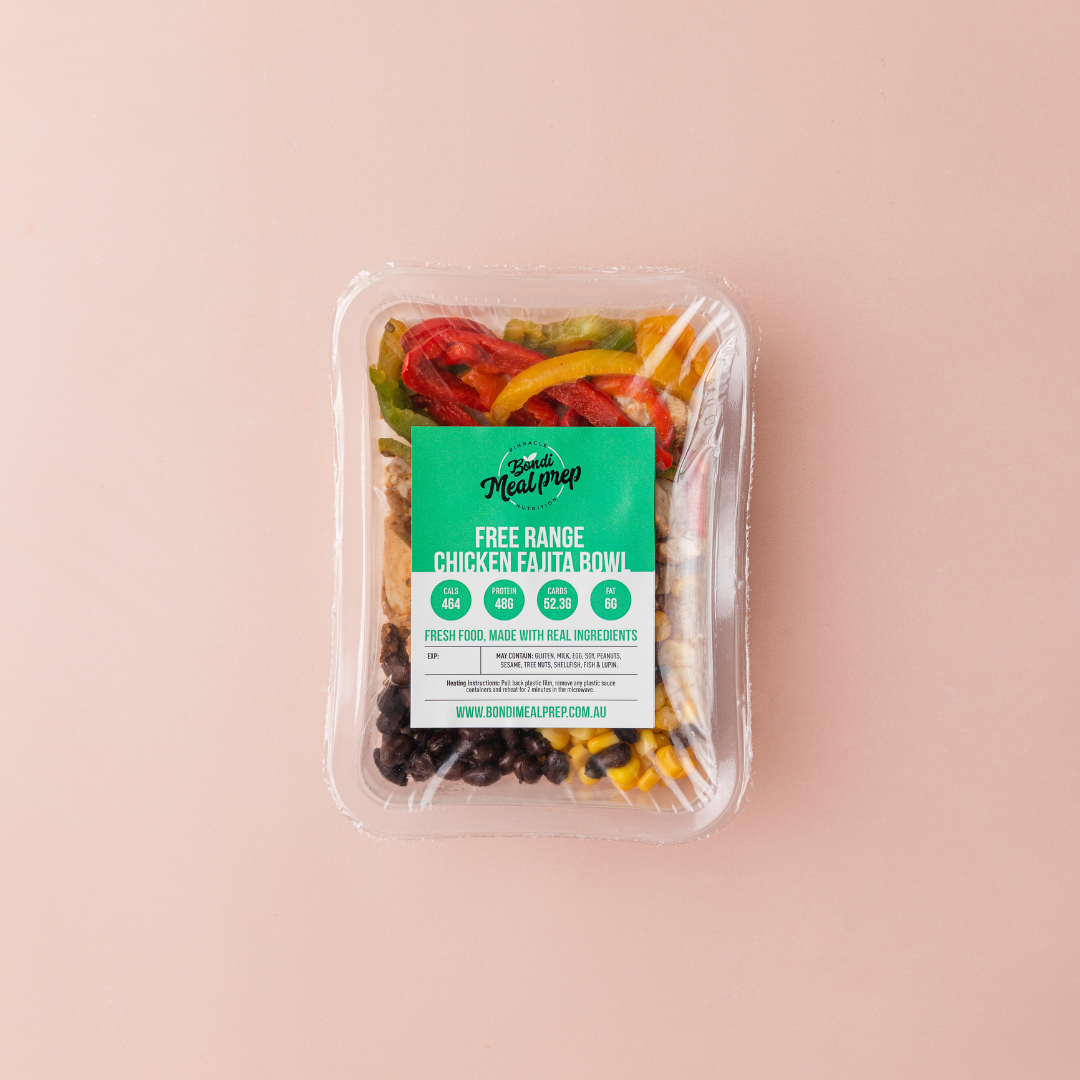
Free Range Chicken Fajita Bowl
Free range chicken thigh served over basmati rice, black beans, sweet corn, and roasted capsicums.

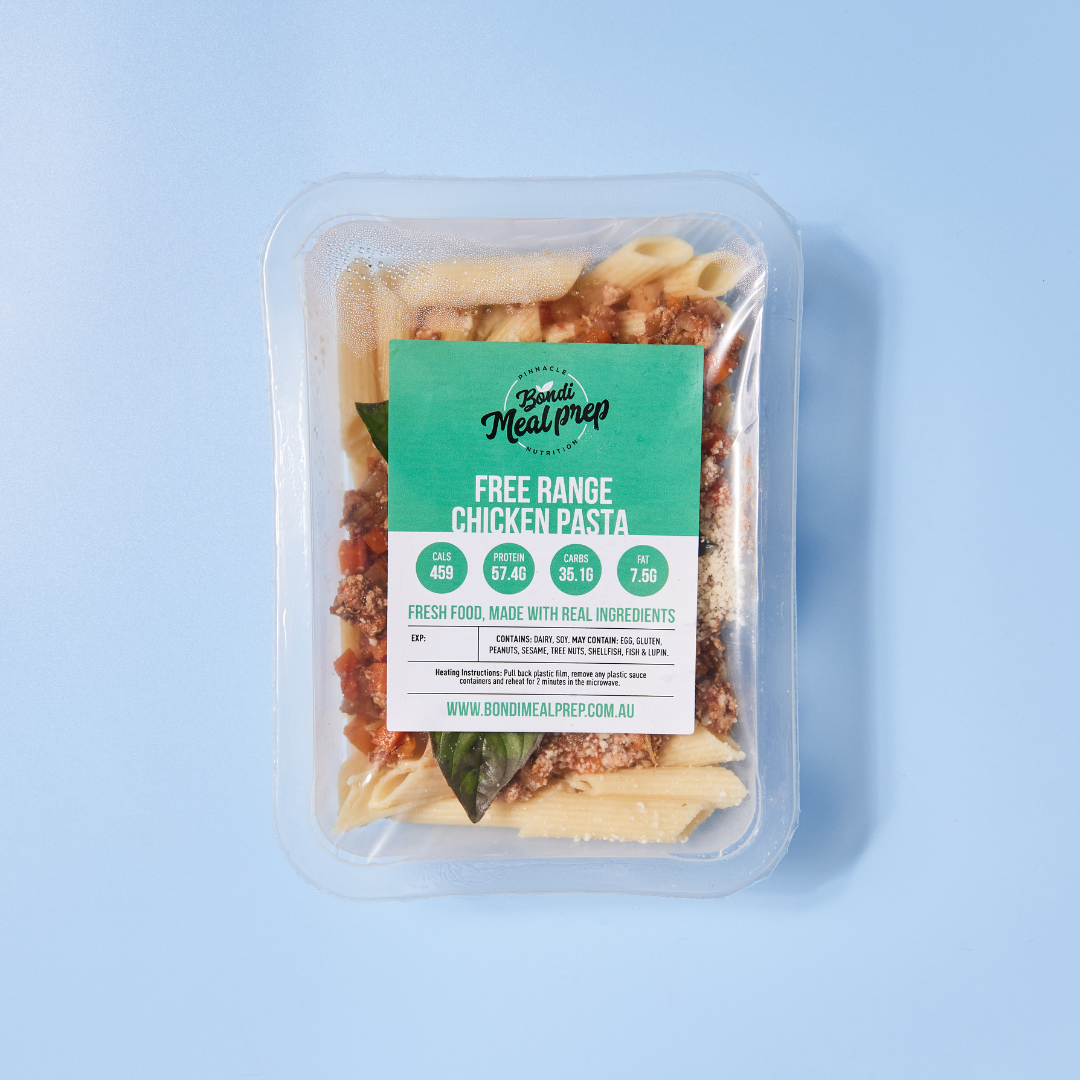
Free-Range Chicken Pasta
Lean chicken breast mince on a bed of gluten-free pasta, topped with parmesan and basil.

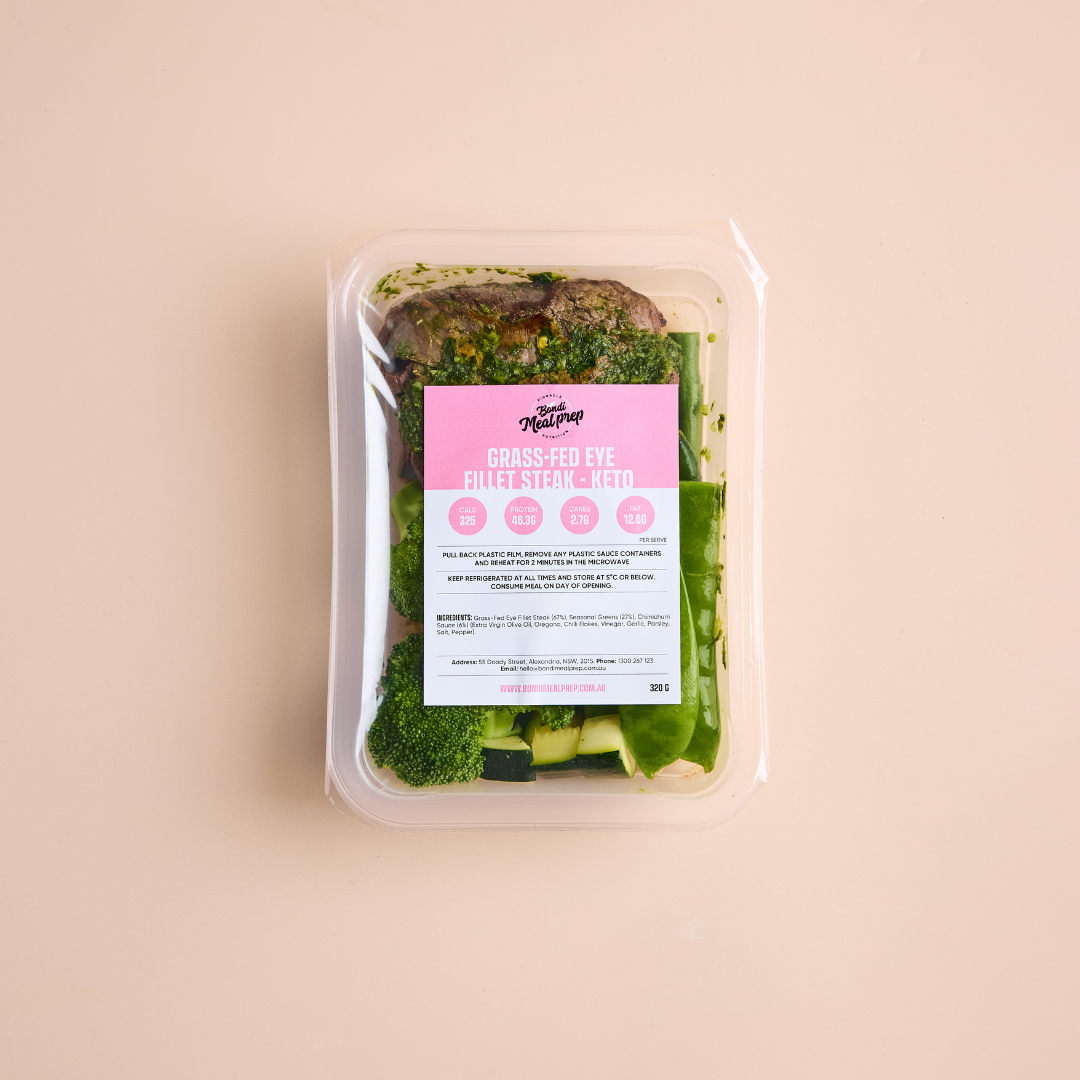
Grass Fed Eye Fillet Steak - Keto
Premium eye fillet steak, served with fresh steamed veggies and finished with our vibrant, chimichurri sauce.

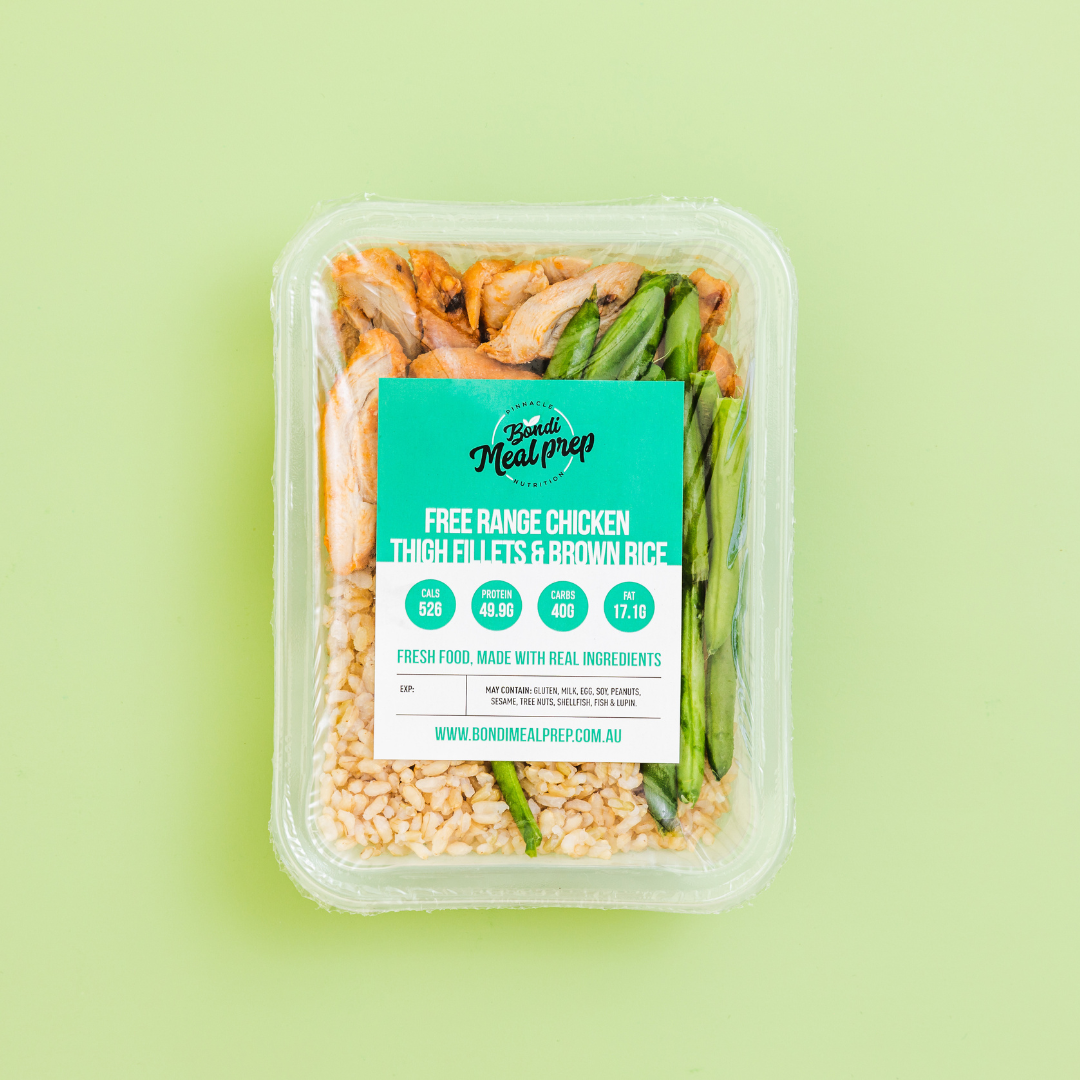
Free Range Chicken Thigh & Brown Rice
Free range chicken thigh fillets with brown rice and a side of steamed seasonal vegetables.


Asian Glazed Humpty Doo Barramundi & Basmati Rice
Humpty Doo Barramundi, coated in our house-made Asian BBQ glaze, served with steamed basmati rice.


Grass-Fed Beef Lasagne
Juicy grass-fed beef mince swirled with creamy bechamel sauce and topped with mozzarella.

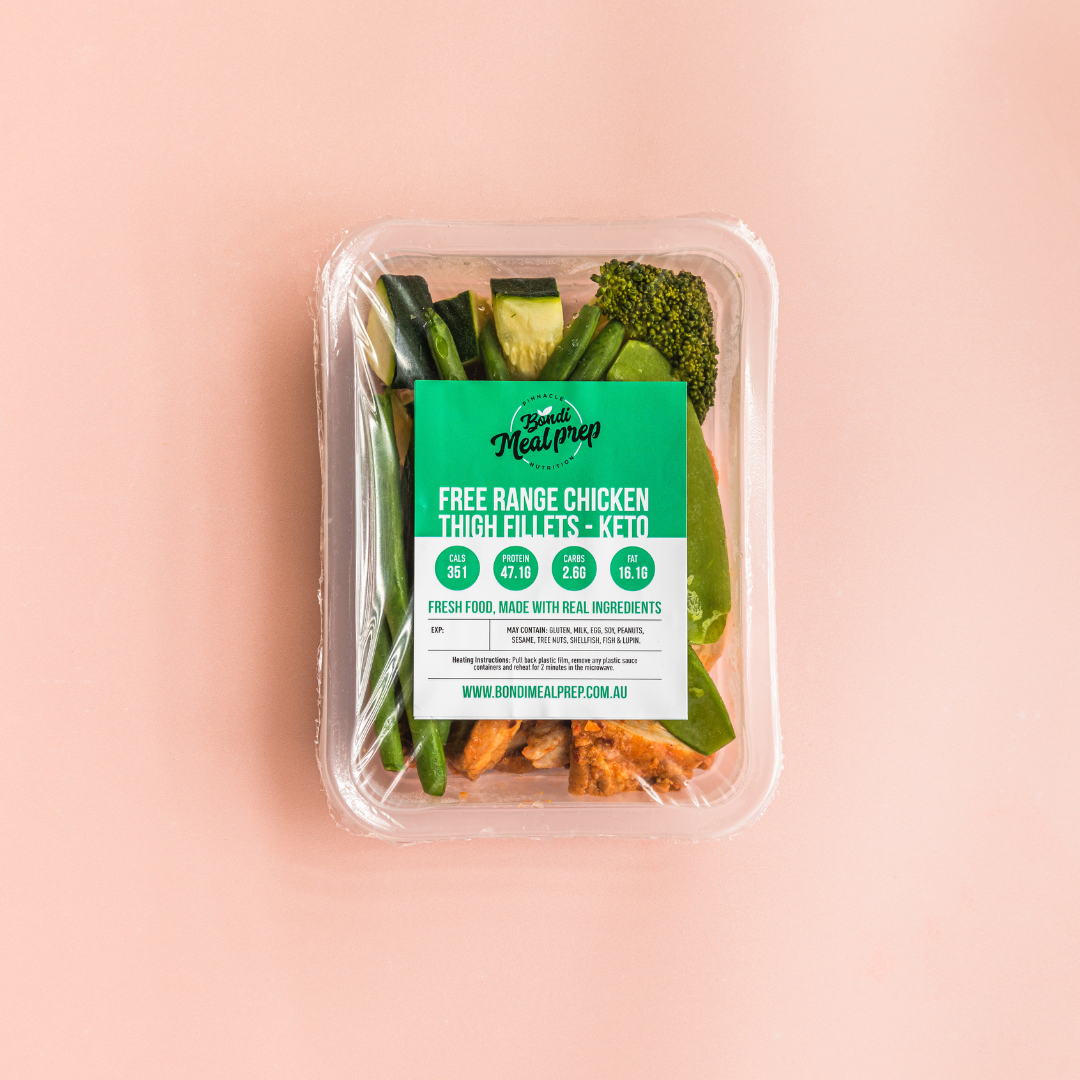
Free Range Chicken Thigh - Keto
Succulent free range chicken thigh fillets with a side of fresh steamed seasonal vegetables.

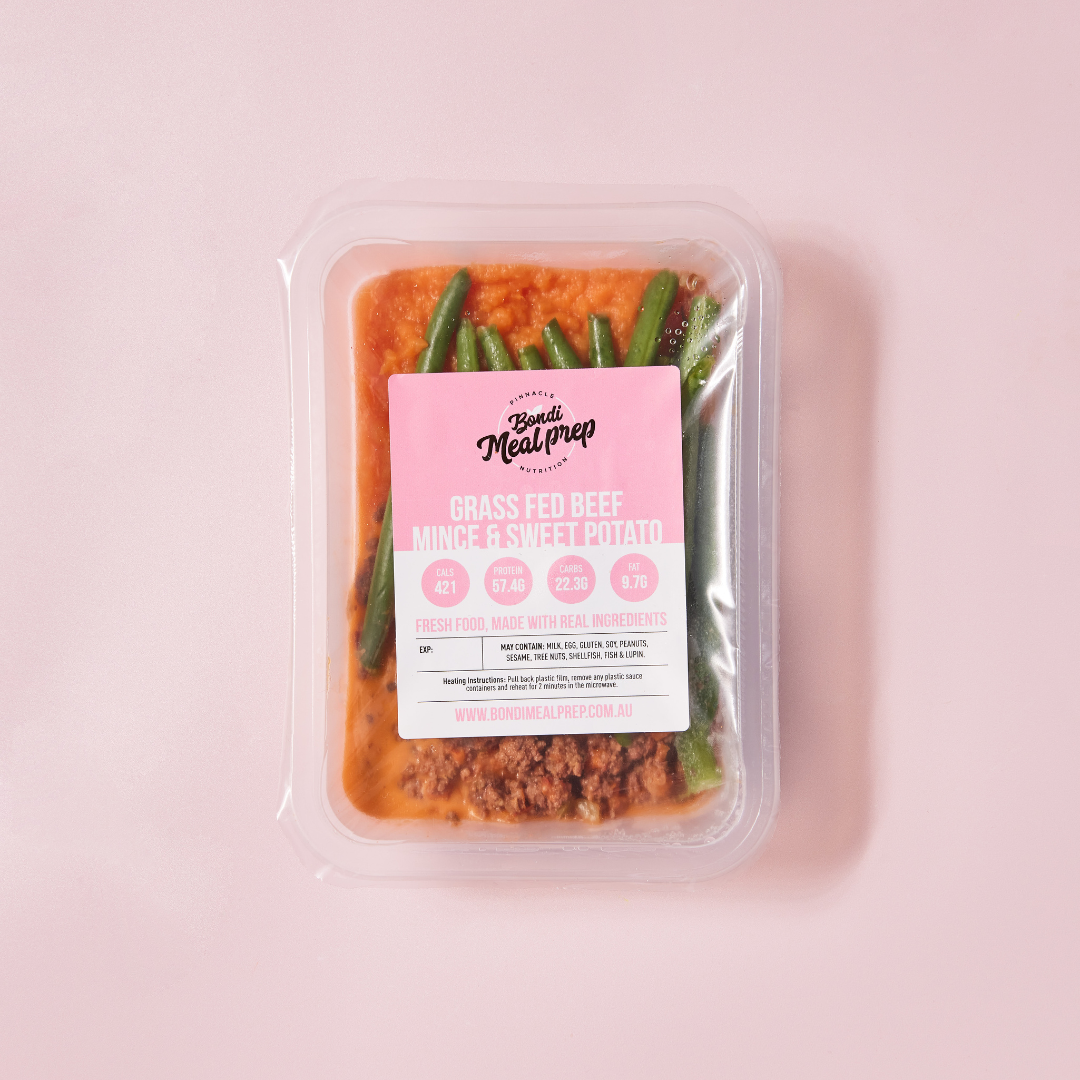
Grass-Fed Beef Mince & Sweet Potato
Grass-fed beef mince with sweet potato mash and fresh steamed seasonal vegetables.


Ōra King Salmon & Brown Rice
Ora King salmon on a bed of clean brown rice, steamed seasonal greens & a lemon wedge.


Grass-Fed Lamb & Broccoli Rice
Grass-fed lamb served with broccoli rice and a side of roasted seasonal vegetables.


Grass Fed Beef Chilli Con Carne
Lean grass-fed beef slow-cooked to perfection, on a clean bed of basmati rice.


Grass-Fed Cheese Burger Bowl
Deconstructed Cheeseburger Bowl made with grass-fed beef mince on a bed of basmati rice.


Grass-Fed Meatballs & Cauliflower Mash
Grass-fed meatballs with cauliflower mash and our house-made tomato herb sauce.

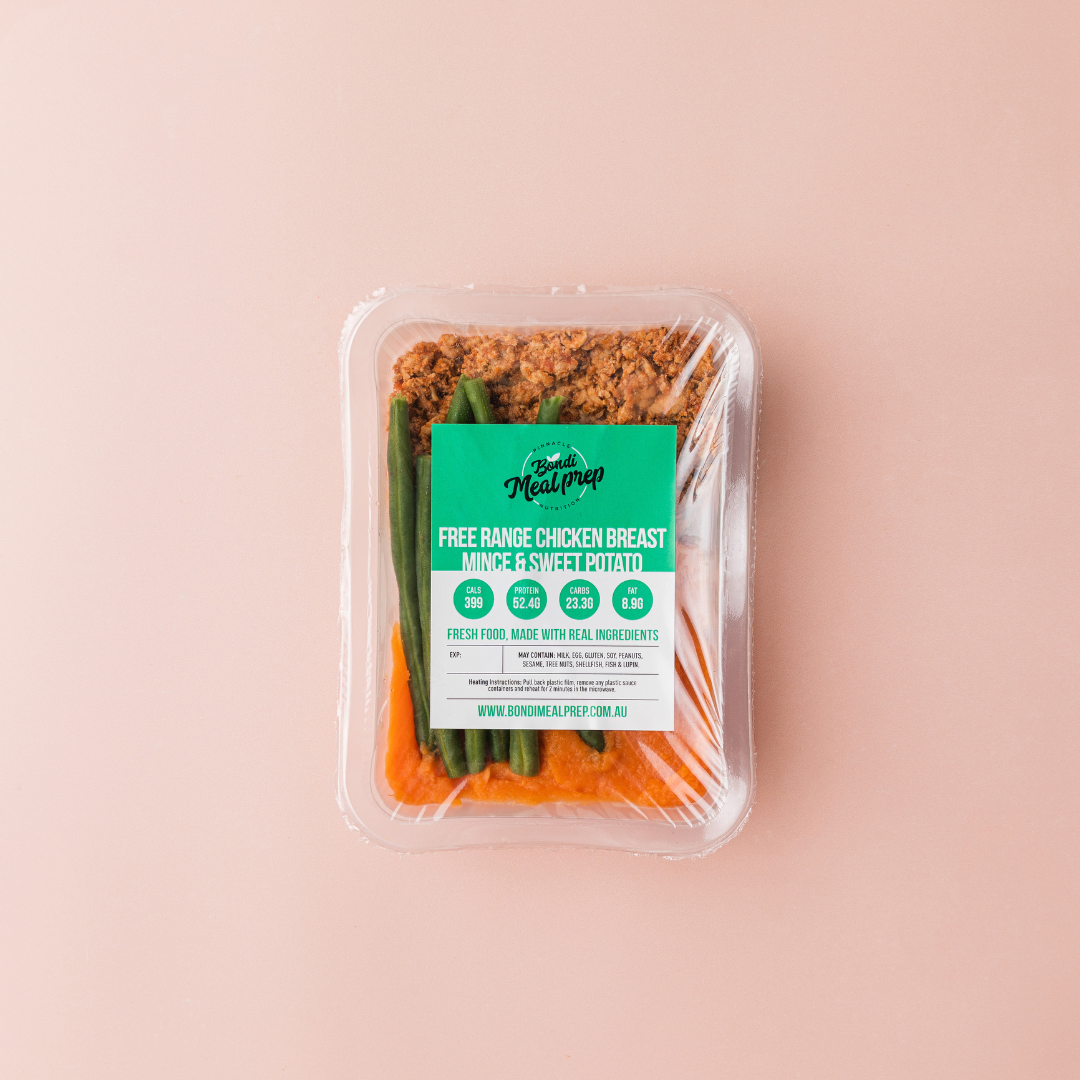
Free Range Chicken Breast Mince & Sweet Potato
Free-range chicken breast mince with sweet potato mash and fresh steamed seasonal greens.


Free Range Chicken Breast & Basmati Rice
Free-range chicken breast, on a bed of clean basmati rice, greens, and shallot and chilli sauce.

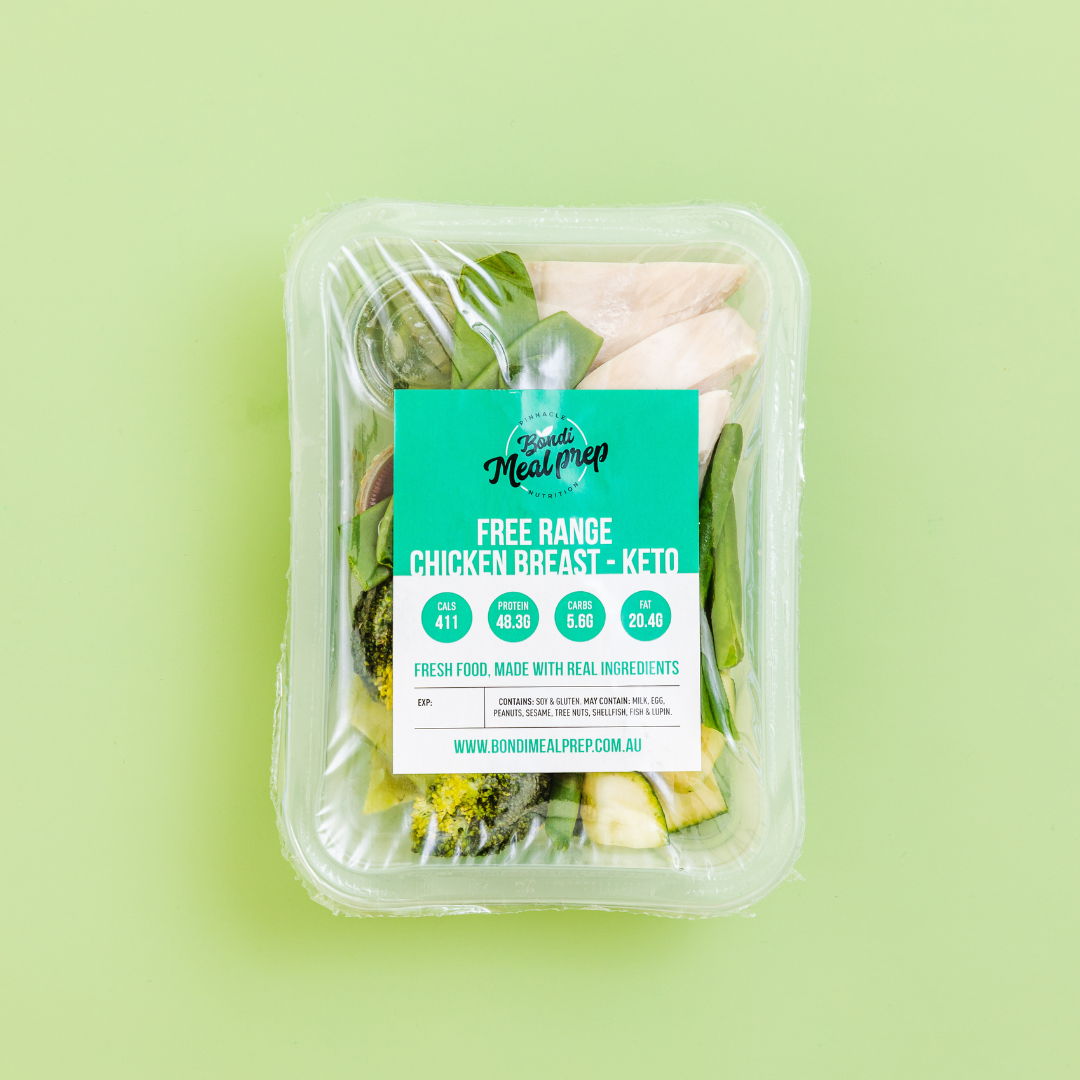
Free Range Chicken Breast - Keto
Free-range chicken breast with a serving of fresh steamed greens topped with shallots and chilli.


Free Range Chicken Breast Wrap
Spinach and herb wrap with free-range chicken breast, avocado, spinach, tomato, mayo.

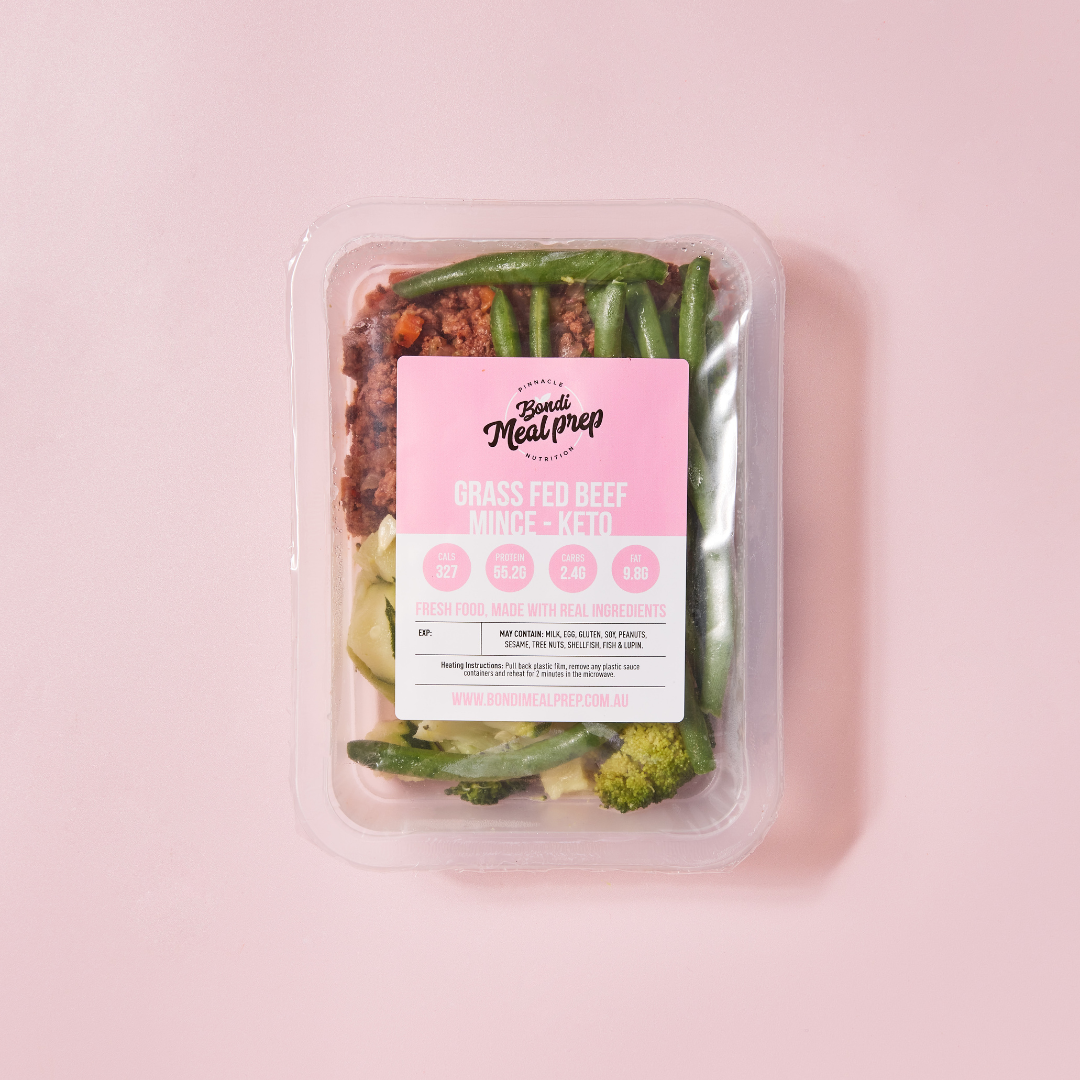
Grass-Fed Beef Mince - Keto
Ultra lean grass fed beef mince with serving of fresh steamed seasonal vegetables.


Mediterranean Frittata
Breakfast frittata made with free-range eggs, a medley of oven baked veggies and light cheese.

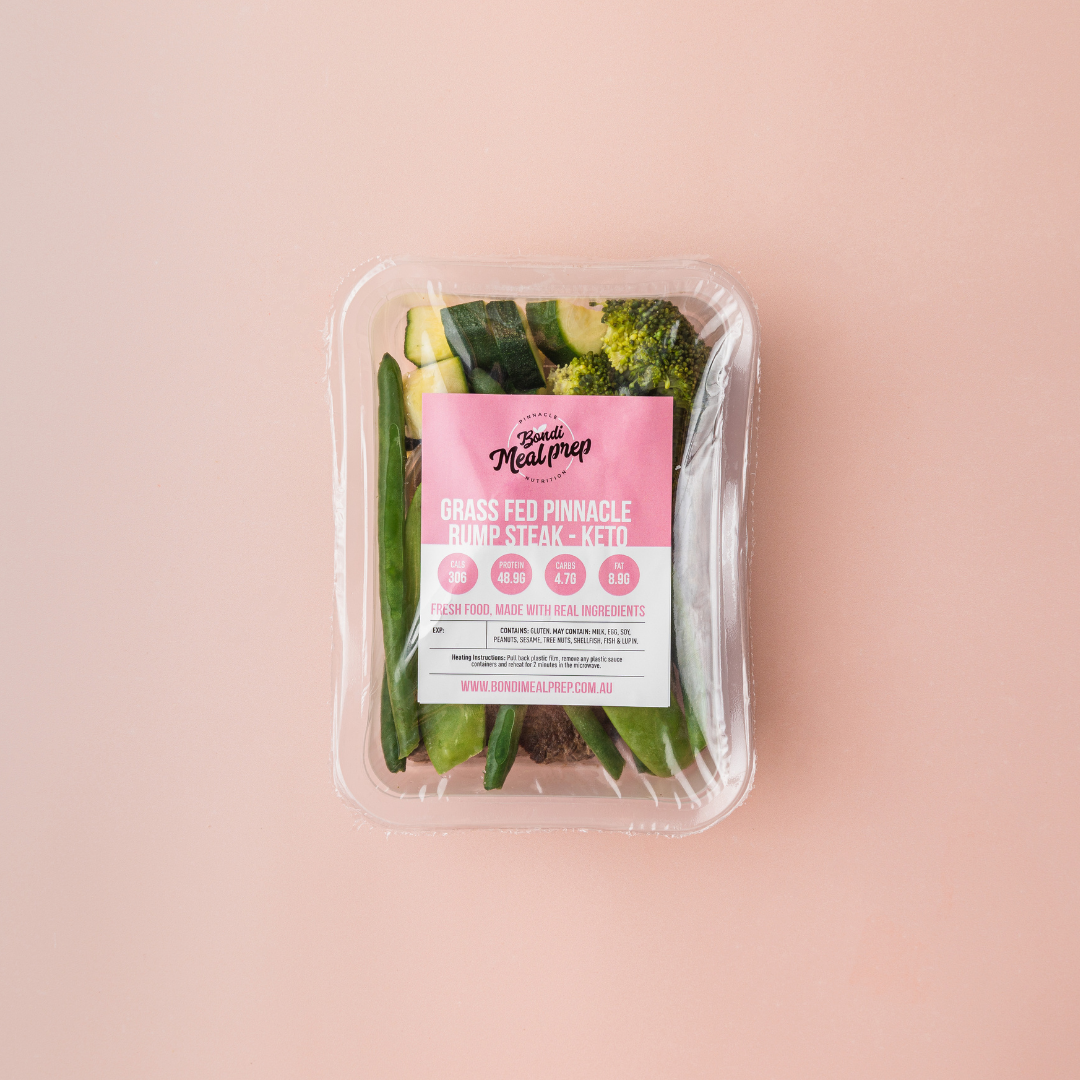
Grass Fed Pinnacle Rump Steak - Keto
Grass fed tender rump steak served with fresh steamed seasonal veggies and pepper gravy.


Blueberry & Ricotta Protein Pancakes
Protein pancakes made with juicy blueberries, light ricotta cheese and comes with a side plain natural yogurt.

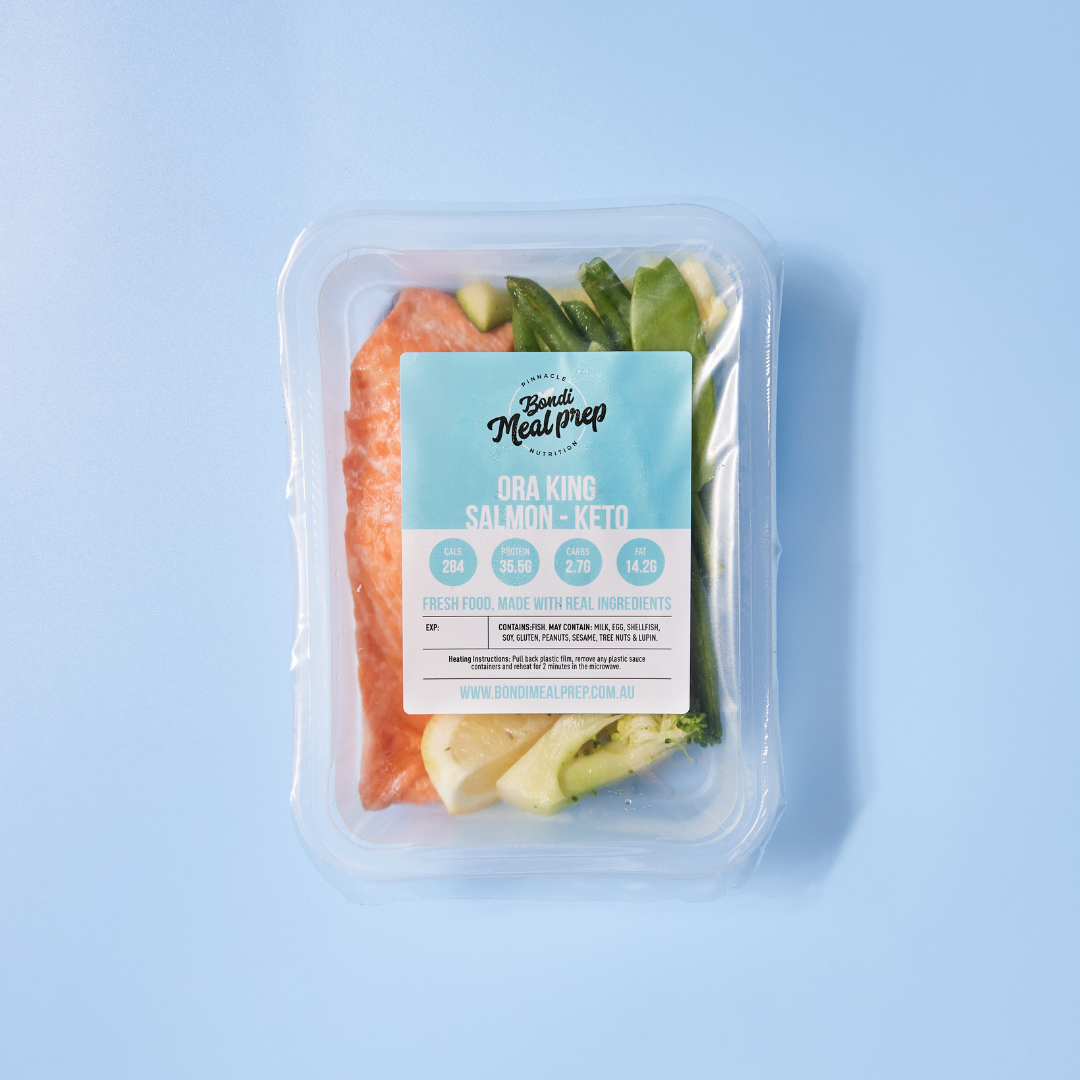
Ōra King Salmon - Keto
Fresh Ōra King salmon with a generous serving of steamed seasonal greens, and a lemon wedge.

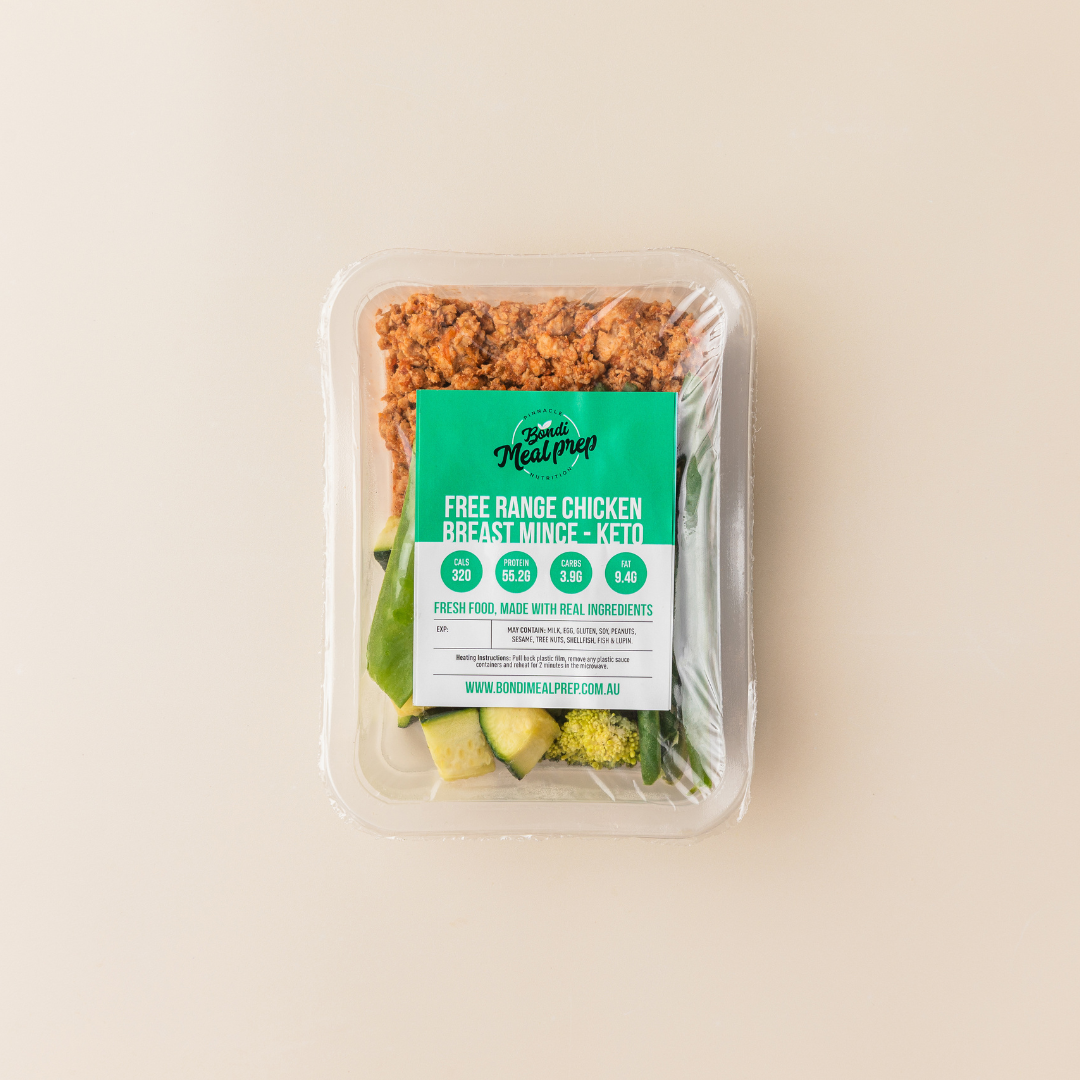
Free Range Chicken Breast Mince - Keto
Free-range chicken breast mince with a serving of fresh steamed seasonal vegetables.


Humpty Doo Barramundi & Organic Black Rice
Humpty Doo Barramundi, organic black rice, a side of steamed seasonal greens, and red curry sauce.


Asian Glazed Humpty Doo Barramundi - Keto
Humpty Doo Barramundi, coated in our house-made Asian BBQ glaze, with steamed seasonal Asian greens.


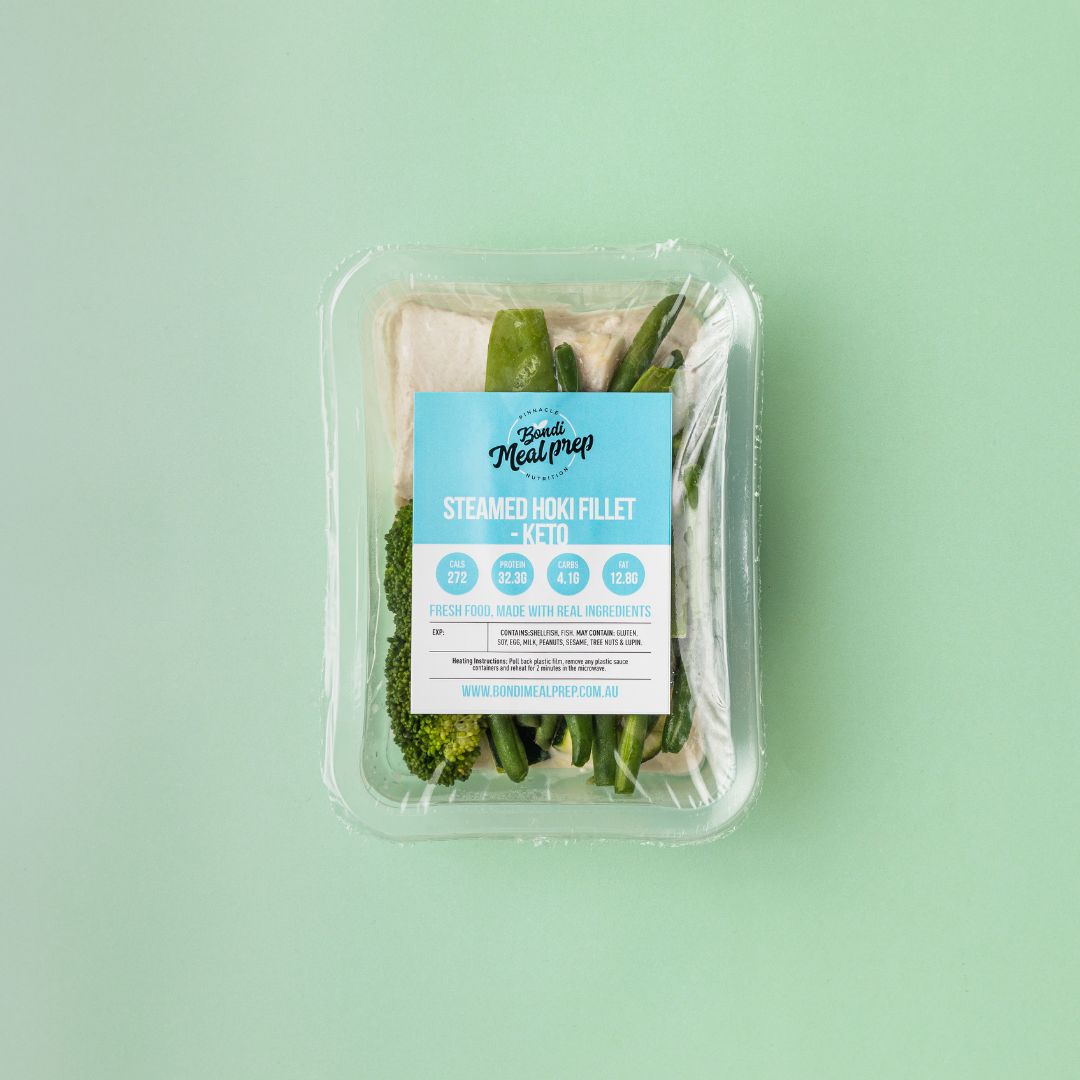
Steamed Hoki Fillet - Keto
Wild-caught steamed hoki fillets with a side of steamed greens and mild green curry sauce.
Resource Library

The Ultimate CrossFit Diet Guide (Maximise Your Performance)
CrossFit Diet Guide: Fuel Your High-Intensity Workouts If you’ve spent any time around CrossFitters, you’ll know it’s more than just a workout. It’s a way of life. Built around constantly varied functional movements performed at high intensity, CrossFit training challenges your strength, endurance, and grit. To keep up with that kind of demand, your body needs proper fuel. That’s where a well-balanced CrossFit diet comes in. The right food can power your workouts, support recovery, and help you push your performance to the next level. This guide is designed to be your go-to resource for CrossFit nutrition. We’ll break down why meal planning matters, how to build a CrossFit diet plan that works for you, and what foods best support your training. Whether you’re a beginner or a seasoned CrossFit athlete, getting your nutrition down pat can make all the difference. Ready to eat delicious, nutritious meals that work as hard as you do? Let’s dig into the details! Key Takeaways A CrossFit diet focuses on whole foods with balanced macronutrients to fuel high-intensity workouts, support recovery, and optimise performance. Prioritise lean proteins, complex carbohydrates, and healthy fats whilst avoiding processed foods and sugar-sweetened drinks. - Protein is essential for muscle repair and growth – CrossFit athletes need 1.6 to 2.2 grams of protein per kilogram of body weight daily from sources like chicken breast, lean beef, eggs, and cottage cheese.- Carbohydrates fuel intense workouts and recovery – Choose low glycemic, complex carbs like sweet potatoes, quinoa, oats, and brown rice, consuming approximately 1.0 to 1.2 grams per kilogram of body weight within an hour post-workout to replenish glycogen stores.- Healthy fats support hormones and recovery – Include monounsaturated fats and essential fatty acids from avocados, olive oil, nuts, seeds, and fatty fish whilst limiting saturated and trans fats.- The Zone Diet (40% carbs, 30% protein, 30% fat) is popular among CrossFitters – This macronutrient split helps control blood sugar, reduce inflammation, and enhance both performance and recovery through balanced, portion-controlled meals.- Meal timing and planning maximise training results – Eat carbs and protein before workouts, prioritise protein and carbs post-workout, space meals evenly throughout the day, stay hydrated, and prepare meals in batches to maintain consistency. What Is a CrossFit Diet? A CrossFit diet isn’t a cookie-cutter approach, but there are common themes: whole foods, lean proteins, healthy fats, and balanced carbs. Many CrossFit athletes follow specific diets, such as the Zone Diet or a Paleo diet, which are designed to support muscle growth, performance, and overall health. When eating for CrossFit, the aim is to maintain energy during intense workouts, improve body composition, and reduce inflammation. A solid CrossFit diet avoids processed foods and sugar-sweetened drinks, while prioritising vegetables, nuts and seeds, lean proteins, and low glycemic fruits like berries. If you’re wondering what low glycemic means, it refers to foods that raise your blood sugar slowly and steadily, rather than causing a quick spike and crash. This helps maintain energy during your training and keeps hunger at bay between meals. Why CrossFit Nutrition Matters CrossFit workouts are high intensity, and your body needs the right fuel to meet that demand. Proper CrossFit nutrition supports muscle recovery, reduces the risk of injury, and helps control blood sugar. It also ensures your immune system stays strong, even after the most intense training sessions when fatigue can make you more susceptible to illness. Without the right nutrients, CrossFit athletes can experience slower recovery and even muscle loss. That’s why protein, fat, carb, and micronutrient intake matter just as much as how many calories you burn in the gym. Macronutrients for CrossFit Success Macronutrients consist of carbohydrates, protein, and fat. These nutrients are the building blocks of your diet, providing the energy and raw materials your body needs to perform at its best, especially during demanding training sessions. Protein Intake: Building and Repairing Muscle Protein is the foundation of any CrossFit diet plan. It helps repair muscles after training and supports the growth of lean muscle mass. CrossFit athletes typically need 1.6 to 2.2 grams of protein per kilogram of body weight daily, depending on their training volume. Great sources of lean proteins include: Skinless chicken breast Lean beef Cottage cheese Eggs Protein powder (as a supplement, not a substitute for food) While "too much protein" is rarely a concern for active athletes, it’s crucial to ensure a decent intake of carbohydrates and fats. If you want to go hard and achieve results, balanced meals are your best training partner. Carbohydrates: Fuel for High-Intensity Effort Many people aiming to lose weight will restrict carbs, but it’s important to remember that they power your CrossFit workouts. Your body breaks down carbohydrates into glucose, which fuels training sessions. Carbs also support exercise recovery. After an intense CrossFit workout, it's generally recommended to consume about 1.0 to 1.2 grams of carbohydrates per kilogram of body weight within the first hour of finishing. This helps replenish the glycogen stores needed for your next session. Aim for complex, low glycemic index carbohydrates like: Sweet potatoes Quinoa Oats Brown rice Low glycemic fruits (berries, apples) Non-starchy vegetables (broccoli, spinach, green beans) Your carbohydrate intake should increase around intense workouts and taper during recovery days. Healthy Fats: Supporting Hormones and Recovery Believe it or not, but eating fat doesn’t always make you fat. If you’re following a rigorous CrossFit training regime, your body needs it. Healthy fats support hormone production, brain function, and recovery. Choose essential fatty acids and healthy monounsaturated fats over saturated fats and trans fats. CrossFit-friendly fat sources include: Avocados Olive oil Nuts and seeds Fatty fish (like salmon) Natural nut butters It’s best to keep your fat intake moderate but consistent, especially if you’re on a lower-carb nutrition plan. The Zone Diet and CrossFit The Zone Diet is a favourite for many CrossFit athletes, and for good reason. It’s built around a simple formula: 40% carbohydrates, 30% protein, and 30% fat. This macronutrient split is designed to help control blood sugar, reduce inflammation, and enhance both performance and recovery. What sets the Zone Diet apart is its focus on food quality and portion control. You’re encouraged to build meals with balance in mind. This means eating plenty of lean proteins, low glycemic carbs, and healthy fats. Sticking to the Zone Diet can help: Improve body composition Manage hunger and energy levels Support long-term health and performance goals Many CrossFitters love the structure it provides. It’s not about restriction; it’s about fuelling your body the right way. Following the Zone Diet can also help you avoid processed foods and become more aware of how certain foods affect your training and overall well-being. Sample CrossFit Diet Plan Here’s a simple meal planning template based on the Zone Diet: Breakfast 2 eggs scrambled with spinach 1 slice whole grain toast 1 tablespoon olive oil (cooked with eggs) 1/2 avocado Morning Snack Cottage cheese with mixed berries Small handful of almonds Lunch Grilled chicken breast Sweet potato Steamed broccoli Drizzle of olive oil On those hectic days when meal prep isn’t an option, Bondi Meal Prep’s Free-Range Chicken and Sweet Potato delivers a balanced, CrossFit-friendly lunch that keeps your energy up and training on track. Afternoon / Pre-Workout Snack Low-fat Greek yogurt 1 tablespoon chia seeds Banana Dinner Baked salmon Quinoa Roasted green beans Olive oil-based dressing If you get home late from a heavy session at the gym, the last thing you want is a heavy session in the kitchen. Having Bondi Meal Prep's Ora King Salmon and Brown Rice in the fridge means you can heat, eat, and rest (you’ve earned it!). Evening Snack (optional) Protein shake with almond milk (especially after late training sessions) This sample CrossFit diet plan supports muscle growth, sustains energy, and helps control blood sugar throughout the day. Foods to Embrace and Avoid Knowing which foods to prioritise, limit, or supplement can make a big difference in your performance and recovery as a CrossFitter. Here’s a simple guide to how to fuel up smart. Eat More Of To fuel performance and recovery, your diet should prioritise nutrient-dense, whole foods. Aim to include: Vegetables, nuts and seeds Lean proteins like chicken breast and lean beef Low glycemic fruits Whole foods and unprocessed foods Olive oil and healthy monounsaturated fats Avoid or Limit Certain foods can increase inflammation, slow recovery, and negatively affect your overall health. CrossFit athletes should aim to reduce: Sugar-sweetened drinks Processed foods Excess saturated fats High glycemic carbohydrates (e.g., white bread, sugary snacks) Supplements While whole foods should always come first, some supplements can support your CrossFit goals: Whey protein: A quick, convenient option post-workout to support muscle recovery. Fish oil: Rich in essential fatty acids, helps support joint and heart health. Vitamin D: Important for bone health, especially if you train mostly indoors. Magnesium: Can help reduce muscle cramps and improve sleep quality. Vitamin C: Can boost your immune system, which can become weakened during heavy training blocks. CrossFit Nutrition Timing When you eat matters just as much as what you eat. To maximise training sessions and recovery: Pre-workout: Focus on carbs and a little protein (e.g., banana and Greek yogurt). Post-workout: Prioritise lean protein and carbs for recovery (e.g., chicken breast and sweet potato). Spacing your meals evenly and staying hydrated will also improve your performance and help curb hunger between sessions. Avoid These Common CrossFit Nutrition Mistakes Even seasoned athletes can fall into poor nutrition habits. Here are some common pitfalls to avoid: Skipping meals: You can’t fuel high-intensity training on an empty tank. Overeating processed foods: These can disrupt your energy and recovery. Ignoring fat intake: Healthy fats are essential, so don’t skimp on olive oil, nuts, or avocados. Underestimating how much protein you need: Your muscle mass depends on consistent protein intake. Trying to lose weight too quickly: Focus on improving performance and body composition over crash diets. Meal Planning Tips for CrossFit Athletes Meal planning isn’t just for bodybuilders. It’s vital for anyone training hard and trying to eat well consistently. Here are a few simple meal planning tips and tricks to keep your nutrition on track: Cook in batches: Grill multiple chicken breasts or roast a tray of veggies for easy meals throughout the week. Add monounsaturated fats: Prep salads and sides with olive oil to make sure you're eating enough healthy fats. Track your macros: Download an app that makes it easy for you to monitor your intake of protein, fat, and carbohydrates. Keep it simple: Focus on whole foods, avoid processed foods, and stick to lean proteins, vegetables, nuts and seeds, and smart carbs. Stay hydrated: Water plays a vital role in recovery, digestion, and athletic performance. Aim for at least two litres per day. After intense workouts, consider adding electrolytes to replenish essential minerals like sodium, potassium, and magnesium lost through sweat. Level Up Your CrossFit Nutrition with Bondi Meal Prep You’ve got the commitment and the training plan, now all you need is the right fuel. At Bondi Meal Prep, we take the guesswork out of meal planning with chef-prepared, nutritionist-approved meals designed to support your CrossFit goals. All our meals are made in small batches for quality and taste, enabling you to: ✔️ Manage your macros without compromising on flavour ✔️ Stay energised throughout the day and during workouts ✔️ Nourish your body for muscle growth, recovery, and optimal performance ✔️ Spend more time training and less time shopping and chopping Explore our wide selection of pre-prepared meals and create a customised plan today and make healthy eating the simplest part of your CrossFit lifestyle.
Read more
Zone Diet Guide
Support your CrossFit goals with this Zone Diet guide. Get practical advice on what to eat and when so you can train harder and recover faster.
Read more
What to Eat Before CrossFit for Peak Performance
Get practical advice on what to eat before CrossFit to fuel your next session. Get tips on balancing your macros and meal timing.
Read more
FAQs
What should I eat before and after a CrossFit session?
What should I eat before and after a CrossFit session?
Most CrossFit athletes train best with a light, carb-focused meal 1–2 hours before a session. This provides a stable source of energy that helps you perform. Immediately after training, aim for a balanced meal with plenty of protein and a moderate amount of carbohydrates. This will support muscle repair and replenish depleted energy stores. Having Bondi Meal Prep's chef-prepared meals in the fridge makes the timing of your nutrition easier.
How much protein should I eat for CrossFit?
How much protein should I eat for CrossFit?
CrossFit athletes should eat 1.2–2.0g of protein per kilogram of body weight per day, depending on the frequency and intensity of training. If your meals are already portioned and balanced, it removes the guesswork and ensures you’re consistently eating enough protein to support strength, recovery and performance.
Are CrossFit meal delivery options suitable for fat loss?
Are CrossFit meal delivery options suitable for fat loss?
If the aim of your training is weight loss, you may struggle with portion control and meal consistency. Structured, pre-portioned meals help you maintain a calorie deficit without sacrificing the nutrients needed for recovery. This ensures you can lose fat while still performing well in the gym.
What types of meals work best for CrossFit beginners?
What types of meals work best for CrossFit beginners?
People who are new to CrossFit workouts benefit from simple, balanced meals with a mix of lean protein, whole carbs and healthy fats. This helps stabilise energy levels and prevents the fatigue that can come with starting a high-intensity program.
Are Bondi Meal Prep meals suitable for high-intensity training?
Are Bondi Meal Prep meals suitable for high-intensity training?
All Bondi Meal Prep meals are backed by nutritionists, offering the perfect balance of protein, carbohydrates and healthy fats to fuel high-intensity training and support recovery. Because our meals are pre-prepared by chefs and portion-controlled, you get the consistent nutrition needed to stay on track with your training without the hassle of cooking.